Finding Hope and Healing in East Tennessee: An Introduction to Dual Diagnosis Treatment
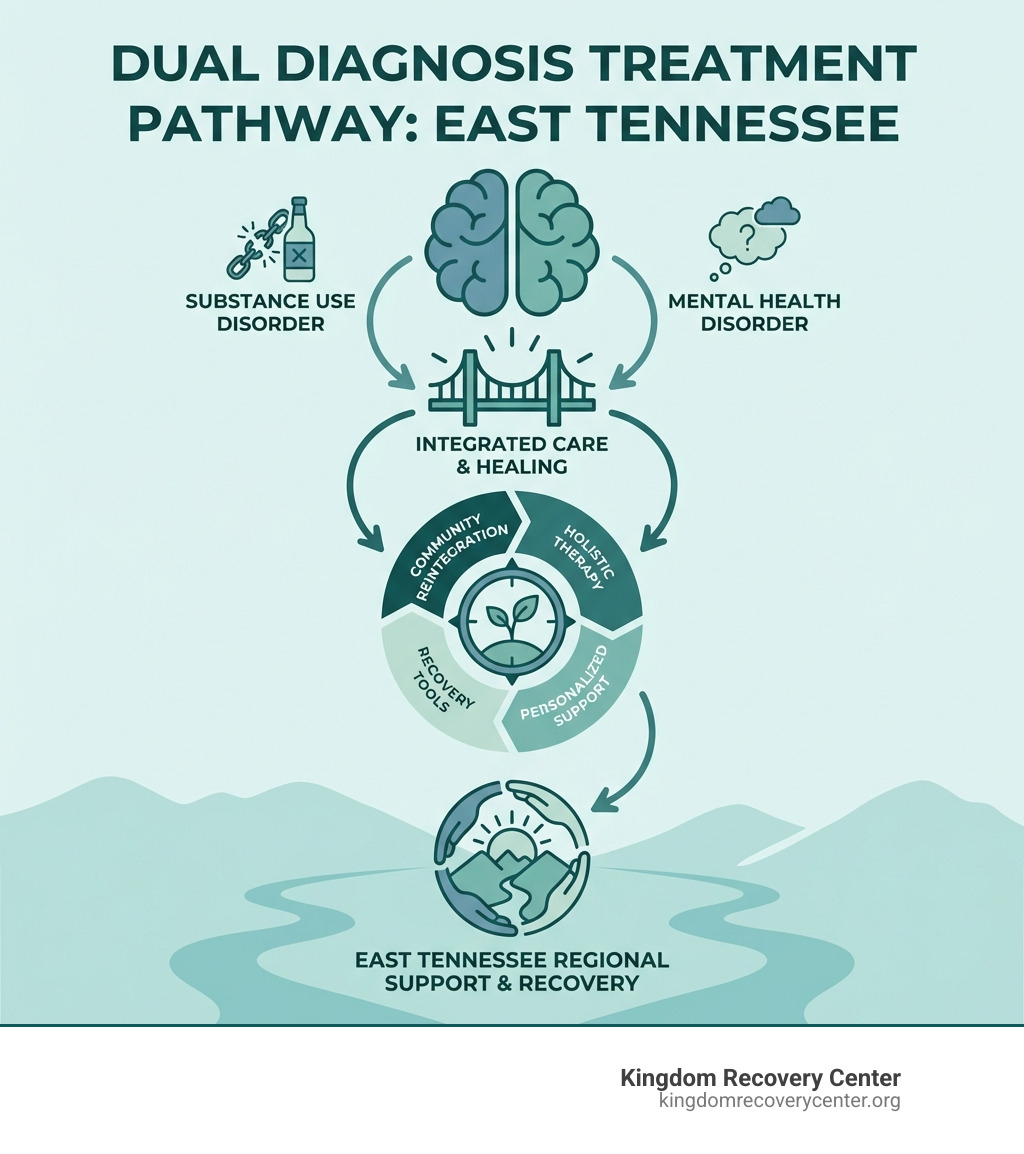
Dual diagnosis treatment center in East Tennessee options provide specialized care for individuals facing both substance use disorders and mental health conditions simultaneously. These centers offer integrated treatment approaches that address both conditions at the same time, rather than treating them separately.
Key Features of Dual Diagnosis Treatment Centers in East Tennessee:
- Integrated Care: Treatment plans that address both mental health and addiction together
- Evidence-Based Therapies: CBT, DBT, and trauma-focused interventions
- Multiple Levels of Care: Inpatient, Partial Hospitalization (PHP), and Intensive Outpatient (IOP) programs
- Medication Management: Professional oversight for both psychiatric and withdrawal symptoms
- Individualized Treatment Plans: Customized care based on comprehensive assessments
- Family Support Services: Education and counseling for loved ones
- Aftercare Planning: Resources and support for long-term recovery success
When you’re struggling with both addiction and a mental health condition like depression, anxiety, or PTSD, finding the right help can feel overwhelming. The reality is that an estimated half of those battling addiction also suffer from at least one mental health disorder. This combination, called dual diagnosis or co-occurring disorders, requires specialized treatment that addresses both issues at once.
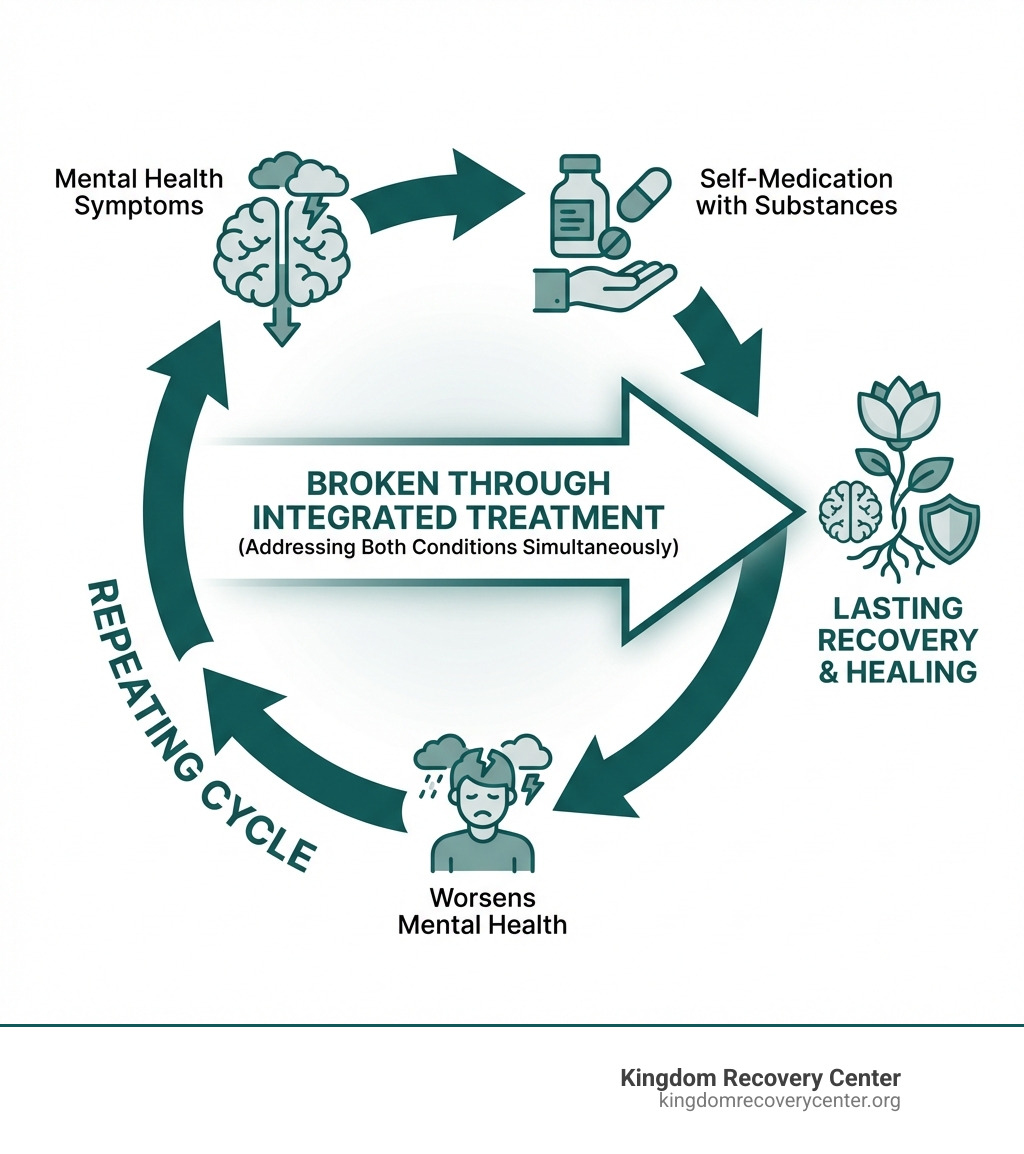
Traditional rehab programs often focus only on substance abuse. But when underlying mental health conditions go untreated, the cycle continues. You might use alcohol or drugs to cope with depression or anxiety, which then makes those conditions worse. Without addressing both problems together, lasting recovery becomes much harder to achieve.
The stakes are high. Those who do not treat these conditions at the same time are twice as likely to experience a relapse within six months of leaving treatment. That’s why integrated dual diagnosis treatment is so critical—it breaks the cycle by treating the whole person, not just the symptoms.
East Tennessee offers a unique setting for this healing journey. The serene Smoky Mountains provide a peaceful backdrop that supports recovery, while specialized treatment centers in the region combine evidence-based therapies with compassionate care. These programs understand that addiction and mental health disorders share common roots in genetics, trauma, and stress, and they address all these factors together.
At Kingdom Recovery Center, located in Morristown, TN, we specialize in dual diagnosis treatment, offering comprehensive care that addresses both addiction and mental health through evidence-based practices and individualized treatment plans. Our holistic approach to Dual diagnosis treatment center in East Tennessee services empowers clients to achieve lasting recovery through integrated care. Whether you’re just beginning to seek help or you’ve tried treatment before, understanding your options is the first step toward a healthier future.
Understanding Dual Diagnosis: The Critical Link Between Mental Health and Addiction
The relationship between mental health disorders and substance use is often a complex dance, where one can trigger or worsen the other. We know that an estimated half of those battling addiction also suffer from at least one mental health disorder. This isn’t a coincidence; these conditions are deeply intertwined. For someone facing a dual diagnosis, it’s like trying to solve two puzzles at once, but the pieces of one puzzle are mixed into the other.
Integrated treatment is paramount because if we only treat the addiction, the untreated mental health condition can quickly lead back to substance use as a coping mechanism. Conversely, if we only address the mental health without tackling the substance use, the drugs or alcohol will continue to interfere with mental stability and healing. This is why those who do not treat these conditions at the same time are twice as likely to experience a relapse within six months of leaving treatment. Our goal is to help you solve this intricate connection and find a path to lasting recovery. You can learn more about this connection in our article on Unraveling the Mental Health and Addiction Relationship.
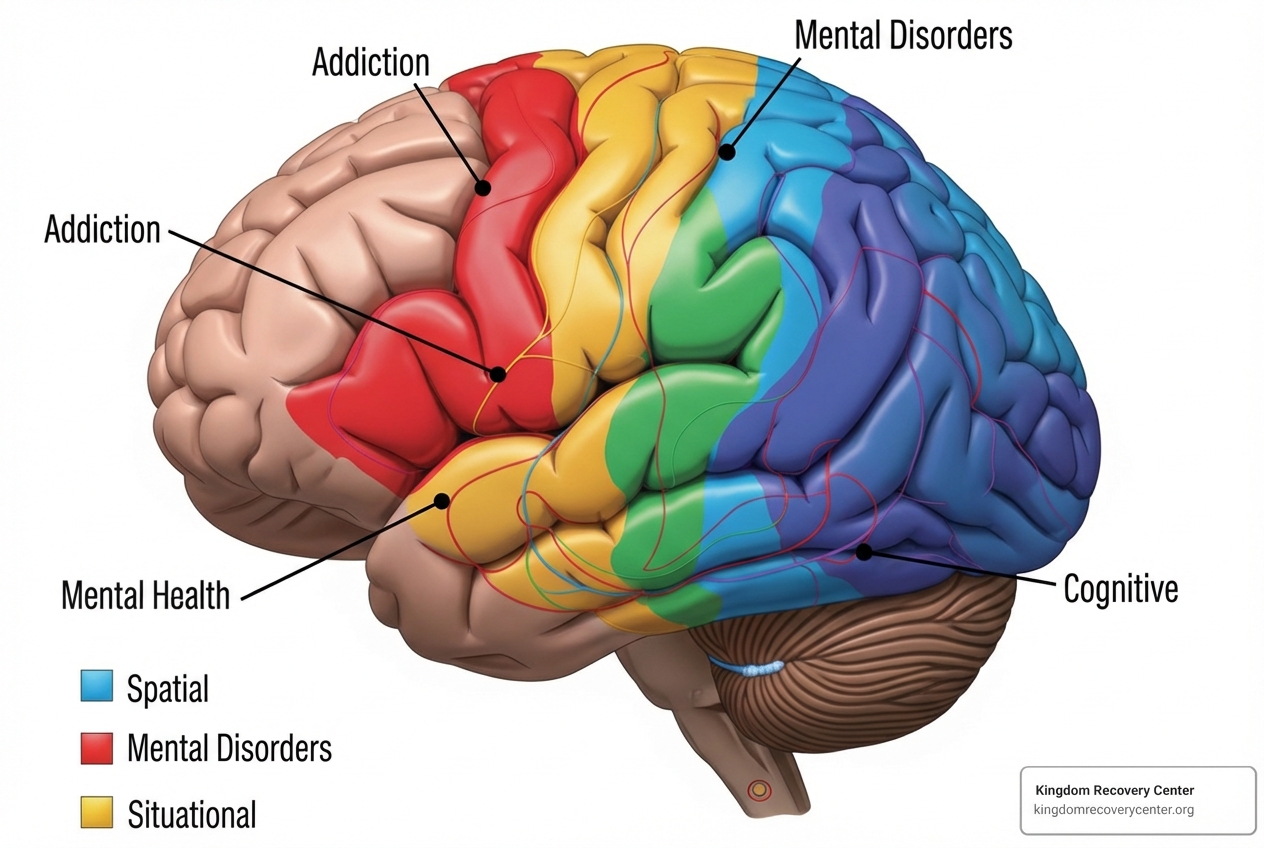
Common Causes and Signs of a Co-Occurring Disorder
It’s natural to wonder how someone ends up with both a mental health disorder and a substance use disorder. While there’s no single clear answer, research points to several common factors. We often see that genetics, stress, and trauma can contribute to both substance abuse and mental health conditions. For example, a genetic predisposition might make someone more vulnerable to anxiety, and that anxiety might then lead them to self-medicate with substances. This creates a challenging cycle.
Self-medication is a significant cause. Many individuals turn to drugs or alcohol to temporarily alleviate distressing mental health symptoms, such as anxiety, depression, or the aftermath of trauma. While it might offer fleeting relief, it ultimately exacerbates both conditions. As we explore in Exploring Mental Health & Addiction: Common Factors, the brain’s chemistry can be altered by both, creating a vicious cycle that’s hard to break without professional help.
Recognizing the signs of a co-occurring disorder is the first step toward healing. These signs can be subtle at first but often intensify over time. Here are some common indicators we look for:
- Social Withdrawal: Pulling away from friends, family, and activities once enjoyed.
- Extreme Mood Swings: Significant and rapid changes in mood, energy levels, or behavior.
- Using Substances to Cope: Relying on drugs or alcohol to manage stress, sadness, anxiety, or other difficult emotions.
- Difficulty with Daily Responsibilities: Struggling to maintain employment, academic performance, or household duties.
- Neglecting Health and Hygiene: A noticeable decline in personal care and attention to physical well-being.
- Delusions or Hallucinations: Experiencing these, especially when not under the influence of substances.
- Intense Feelings of Depression or Hopelessness: Persistent sadness, loss of interest, or thoughts of self-harm.
If you or a loved one recognize these signs, it’s a strong indicator that specialized dual diagnosis treatment might be needed.
Why Traditional Addiction Treatment Often Fails
You might be asking, “Why can’t I just go to a regular rehab?” This is a crucial question. Traditional addiction treatment, while valuable for many, often operates under a sequential model: treat the addiction first, then address any mental health issues. Or, sometimes, it attempts to treat only the addiction, assuming mental health will improve once substance use stops. This approach frequently falls short for individuals with a dual diagnosis.
Imagine trying to fix a leaky roof during a hurricane. If you only focus on the water coming in without addressing the storm raging overhead, your efforts will be temporary at best. Similarly, if we only treat the symptoms of addiction without addressing the underlying mental health conditions that fuel it, the chances of relapse remain exceptionally high. The mental health disorder can create triggers, cravings, and emotional distress that propel someone back to substance use.
This is why a unified, integrated approach is so vital. Instead of treating addiction and mental health as separate entities, a Dual diagnosis treatment center in East Tennessee simultaneously addresses both. This integrated treatment for co-occurring disorders is an evidence-based practice, meaning it’s been rigorously studied and proven to be the most effective method for long-term recovery. As we discuss in Dual Diagnosis Demystified: Finding Your Path to Integrated Recovery, this holistic strategy acknowledges that both conditions affect each other and must be treated in tandem for true healing to occur. The Substance Abuse and Mental Health Services Administration (SAMHSA) emphasizes this, providing guidance on Integrated treatment for co-occurring disorders evidence-based practices (EBP) KIT.
What to Look for in a Dual Diagnosis Treatment Center in East Tennessee
Choosing the right Dual diagnosis treatment center in East Tennessee is one of the most important decisions you’ll make on the path to recovery. It’s about finding a place where you feel safe, understood, and equipped with the tools for lasting change. When we consider what truly makes a center effective, several key factors come to mind.
First, look for accreditation from reputable organizations like The Joint Commission or CARF. These accreditations signify that the center meets rigorous standards for quality, safety, and patient care. This gives you peace of mind that you’re choosing a facility committed to excellence.
Next, examine the staff qualifications. A strong dual diagnosis program will have a multidisciplinary team of licensed professionals, including doctors, nurse practitioners, licensed clinical social workers (LCSW), licensed professional counselors (LPC), and peer recovery specialists. Their expertise ensures that both your mental health and substance use needs are addressed comprehensively.
Evidence-based practices are non-negotiable. These are therapies and interventions that have been scientifically proven to be effective. We’ll dig into specific examples shortly, but ensure the center you choose uses methods like Cognitive Behavioral Therapy (CBT), Dialectical Behavior Therapy (DBT), and Motivational Interviewing.
Finally, seek a center that champions individualized care plans and a continuum of care. Your journey is unique, and your treatment should reflect that. A good center will conduct a thorough assessment to create a personalized plan custom to your specific needs, goals, and co-occurring conditions. They should also offer various levels of care, allowing you to transition smoothly as you progress in your recovery. At Kingdom Recovery Center, our approach is deeply rooted in Client-Centered Treatment, ensuring your plan is as unique as you are.

Comprehensive Therapies and Services Offered
When you engage with a Dual diagnosis treatment center in East Tennessee, you’ll find a rich mix of therapies and services designed to heal both mind and body. Our approach at Kingdom Recovery Center, and what you should look for in any quality program, encompasses a wide range of proven modalities. You can find a general overview of many of these on our Therapies page.
Key therapeutic approaches include:
- Cognitive Behavioral Therapy (CBT): This therapy helps you identify and change negative thought patterns and behaviors that contribute to both your mental health symptoms and substance use. It’s a cornerstone of effective dual diagnosis treatment and we extensively use Cognitive Behavioral Therapy.
- Dialectical Behavioral Therapy (DBT): Particularly effective for individuals struggling with intense emotions, DBT teaches skills in mindfulness, emotional regulation, distress tolerance, and interpersonal effectiveness. We leverage Dialectical Behavioral Therapy to help clients develop healthier coping mechanisms.
- Individual Therapy: One-on-one sessions with a therapist provide a safe space to explore personal issues, trauma, and the root causes of your dual diagnosis. This personalized attention is crucial for deep healing.
- Group Therapy: Sharing experiences and strategies with peers who understand your struggles fosters connection, reduces isolation, and provides invaluable support and insight. Our Group Therapy sessions are a vital part of the recovery process.
- Medication Management: For many with a dual diagnosis, medication is a critical component. A psychiatric team can prescribe and manage medications to stabilize mental health symptoms, such as depression, anxiety, or bipolar disorder, and sometimes to assist with withdrawal or cravings.
- Holistic Therapies: These complement traditional treatments by addressing the whole person. Examples in East Tennessee centers include art therapy, music therapy, yoga, meditation, and even equine therapy, which uses interactions with horses to build trust and self-awareness.
- Family Involvement: Addiction and mental health affect the entire family. Many programs offer family therapy and education to help loved ones understand the dual diagnosis, improve communication, and create a supportive home environment for long-term recovery.
These comprehensive services ensure that every aspect of your dual diagnosis is addressed, paving the way for sustainable healing.
Levels of Care for Effective Dual Diagnosis Treatment
Effective dual diagnosis treatment isn’t a one-size-fits-all solution. Instead, it’s often delivered through a continuum of care, allowing us to meet you where you are and provide the appropriate level of support as you progress. This tiered approach ensures that treatment intensity matches your needs, from acute stabilization to more independent living.
Here’s a comparison of the common levels of care you’ll find at a Dual diagnosis treatment center in East Tennessee:
| Level of Care | Intensity & Structure | Time Commitment | Ideal Candidate | |
|---|---|---|---|---|
| Inpatient/Residential | Highest level of care, 24/7 supervision, structured environment, medical monitoring, daily therapy. | Typically 7-30+ days (can be longer based on individual need and progress). | Individuals in acute crisis, needing medical detox, or those with severe mental health symptoms and substance use disorders who require around-the-clock support and a safe, structured environment away from triggers. | |
| Partial Hospitalization (PHP) | Step-down from inpatient or more intensive than IOP. Daily structured therapy for several hours a day, but clients return home/to sober living at night. | Typically 5-7 days a week, 6-8 hours per day. | Those who no longer require 24/7 supervision but need significant clinical support. Ideal for individuals stepping down from inpatient care or those needing intensive therapy while maintaining some independence. Our Partial Hospitalization program offers this vital bridge. | |
| Intensive Outpatient (IOP) | More flexible than PHP, offering structured therapy while allowing clients to live at home, work, or attend school. Focus on relapse prevention and coping skills. | Typically 3-5 days a week, 3 hours per day. | Individuals who have achieved some stability but still require consistent therapeutic support. Suitable for those transitioning from higher levels of care or as a primary treatment for less severe cases. Our Intensive Outpatient Program provides structured support with flexibility. | |
| Outpatient Program (OP) | Least intensive, weekly therapy sessions, focus on maintaining recovery and integrating skills into daily life. | Typically 1-2 days a week, 1-2 hours per session. | For individuals who have a strong support system, stable living situation, and are ready to manage their recovery with less direct clinical oversight. Often used as a long-term aftercare option. |
Understanding the differences between these levels is key to choosing the right path for your healing process. Our article, IOP vs. PHP: Which Care Level Supports Your Healing Process?, offers a deeper dive into these options. We believe in finding the perfect fit for your unique situation, guiding you through this continuum of care to ensure the most effective and sustainable recovery journey.
The Unique Benefits of Seeking Treatment in East Tennessee
East Tennessee isn’t just a location; it’s an integral part of the healing process for many seeking dual diagnosis treatment. The region offers a unique combination of natural beauty and a supportive community that can significantly improve the recovery journey.
The serene environment of the Smoky Mountains provides a peaceful backdrop that is inherently therapeutic. Imagine engaging in therapy sessions with the backdrop of rolling hills or finding solace during a nature walk. This connection to nature facilitates a sense of calm and perspective that can be hard to achieve in busy urban settings. Many centers in the region leverage this, offering nature walks, fishing, animal-assisted therapies, yoga, and meditation to promote holistic healing. This nature-based healing reduces stress and allows individuals to focus on their wellness without the distractions and pressures of everyday life.
East Tennessee also boasts a strong recovery community. This means access to numerous support groups, alumni networks, and local resources that can provide ongoing encouragement long after formal treatment concludes. Our article, Mountain High Recovery: Discover East Tennessee’s Best Addiction Treatment Centers, highlights how this region fosters an environment conducive to recovery. The overall atmosphere helps individuals achieve reduced stress and a greater focus on wellness, which are critical for managing both mental health and substance use disorders.
How to Choose the Right Dual Diagnosis Treatment Center in East Tennessee
Selecting the ideal Dual diagnosis treatment center in East Tennessee requires careful consideration. It’s a significant decision, and we want to empower you with the knowledge to make the best choice for yourself or your loved one.
Here are key steps and questions to guide your selection:
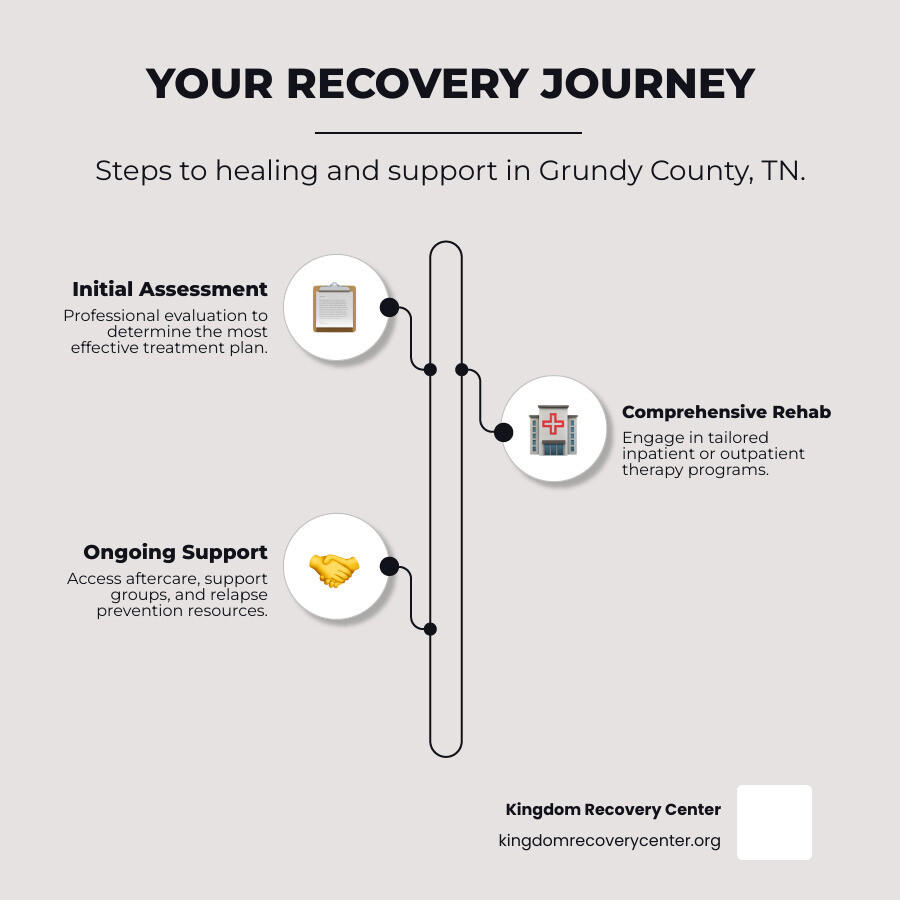
- Start with an Assessment: The first step should always be a comprehensive evaluation with a qualified professional. This assessment will help determine the appropriate level of care and identify the specific mental health and substance use disorders that need to be addressed.
- Ask the Right Questions: When researching centers, don’t hesitate to ask direct questions. Inquire about:
- Credentials and Accreditation: Is the center licensed and accredited by reputable bodies like The Joint Commission?
- Staff Qualifications: What are the credentials and experience of the therapists, doctors, and support staff? Do they specialize in dual diagnosis? A quality center will have a team that may include licensed professionals such as LCSWs, LPCs, MSWs, and doctors.
- Treatment Approaches: Do they use evidence-based therapies like CBT, DBT, and trauma-informed care? How do they integrate mental health and substance use treatment?
- Success Rates and Patient Reviews: While specific success rates can be hard to quantify, centers should be transparent about their program outcomes and be able to share patient testimonials (with consent). Online reviews can also offer valuable insights.
- Individualized Care: How do they tailor treatment plans to individual needs? Is there a focus on client-centered care?
- Aftercare Planning: What support is provided for long-term recovery after the program ends?
- Specialized Programs: Do they offer specialized tracks for veterans, specific age groups (adolescents, adults, seniors), or particular mental health conditions? Some centers, for instance, have specialized veteran programs.
- Consider the Continuum of Care: Does the center offer different levels of care (inpatient, PHP, IOP) to support you through various stages of recovery? This ensures a smooth transition as your needs change.
- Visit (if possible) or take a virtual tour: Getting a feel for the environment can be incredibly helpful. Is it a place where you or your loved one would feel comfortable and safe?
We are proud to be among the Best Mental Health Providers East Tennessee Kingdom Recovery Center and to offer comprehensive Drug Rehab East Tennessee services. Our team is always available to answer these questions and more, ensuring you feel confident in your choice.
Navigating the Admissions and Insurance Process
The thought of starting treatment can be daunting, and the admissions process might seem like another hurdle. Our goal at Kingdom Recovery Center is to make this as seamless and stress-free as possible.
Typically, the process begins with an initial phone call. This is a confidential conversation where you can share your concerns, ask questions, and learn more about our programs. We understand that this first step can be difficult, and our admissions team is here to listen with empathy and provide clear, concise information.
Following this, a confidential assessment will be conducted. This in-depth evaluation helps us understand your unique situation, including the nature of your substance use disorder, any co-occurring mental health conditions, medical history, and personal goals. This information is crucial for developing a truly individualized treatment plan and determining the most appropriate level of care.
One of the most common concerns is how to cover the cost of treatment. This is where Insurance Verification comes in. Our team will work with you to verify your insurance benefits, explain what is covered, and help you understand any out-of-pocket expenses. We believe that financial barriers shouldn’t prevent anyone from receiving the care they need. We accept various insurance providers, and we’re committed to helping you steer this process. You can start by checking our Insurance Verification page or learning more about Using Insurance to Cover the Costs of Rehab.
What should someone expect on day one? Once your admission is confirmed, you’ll be welcomed into a supportive environment. Day one typically involves completing necessary paperwork, settling into your living space (if applicable), and meeting key members of your care team. It’s a day focused on orientation and ensuring you feel comfortable and ready to begin your healing journey. We prioritize making your transition as smooth and reassuring as possible.
Building a Foundation for Lasting Recovery
Completing a treatment program is a monumental achievement, but it’s just the beginning of a lifelong journey. At a leading Dual diagnosis treatment center in East Tennessee like Kingdom Recovery Center, we understand that true recovery is built on a strong foundation of ongoing support.
Aftercare planning is a critical component of our programs. Before you complete your treatment, we work closely with you to develop a personalized aftercare plan. This plan includes strategies for maintaining sobriety, managing mental health symptoms, and navigating life’s challenges without resorting to old coping mechanisms.
Key elements of aftercare often include:
- Relapse Prevention Strategies: Learning to identify triggers, develop healthy coping skills, and implement proactive measures to prevent relapse.
- Sober Living Support: For some, transitioning to a sober living environment after intensive treatment provides a structured, supportive bridge back to independent living.
- Alumni Programs: Staying connected with a community of peers who understand your journey is invaluable. Many centers, including ours, offer alumni programs that provide ongoing support, events, and resources. These programs may use modern tools like dedicated apps to help alumni stay connected.
- Community Resources: We help connect you with local resources in East Tennessee, including ongoing therapy, support groups (like AA, NA, SMART Recovery), vocational training, and housing assistance. Our Local Resources page can be a great starting point.
The long-term recovery prospects for individuals who receive integrated dual diagnosis treatment are significantly improved. When both conditions are treated concurrently and comprehensively, individuals gain the tools, insight, and support needed to manage their lives effectively. As the Substance Abuse and Mental Health Services Administration (SAMHSA) highlights, according to the 2022 National Survey on Drug Use and Health, recovery is possible with the right support.
At Kingdom Recovery Center, we are dedicated to helping you develop coping skills for life. This means not just abstaining from substances, but also learning to regulate emotions, build healthy relationships, manage stress, and find purpose and joy in your everyday existence. We are with you every step of the way, fostering resilience and empowering you to live a fulfilling life in recovery.
Take the First Step Towards Integrated Healing Today
If you or a loved one is struggling with a dual diagnosis, you are not alone, and help is available. The journey to integrated healing begins with a single, courageous step. A Dual diagnosis treatment center in East Tennessee offers the specialized, compassionate care needed to address both mental health and substance use disorders simultaneously.
By choosing an integrated treatment program, you gain the key benefits of:
- Comprehensive Healing: Addressing the root causes of both conditions, not just the symptoms.
- Reduced Relapse Risk: Learning sustainable coping mechanisms that support long-term sobriety.
- Personalized Support: Receiving a treatment plan custom to your unique needs and goals.
- A Supportive Community: Connecting with peers and professionals who understand and champion your recovery.
- Hope for a Brighter Future: Refinding your strength, resilience, and the joy of a life in recovery.
We understand that reaching out can be difficult, but it’s the most powerful step you can take towards reclaiming your life. Our team at Kingdom Recovery Center is here to provide guidance, answer your questions, and support you on this transformative path.
Don’t let dual diagnosis define your future. Contact us today to learn more about how we can help you find hope and lasting healing. Visit our Contact Us page or explore our dedicated Dual Diagnosis Treatment Program to take the first step towards a healthier, more fulfilling life. Your recovery journey starts now.