Understanding Addiction and the Path Forward in Grundy County
Drug Rehab Grundy County, TN offers hope and healing for individuals struggling with substance use disorders. If you or a loved one needs help, here’s what you need to know:
Quick Guide to Drug Rehab in Grundy County, TN:
- Crisis Help Available 24/7: Tennessee Statewide Crisis Line at 1-855-CRISIS-1 (1-855-274-7471) or SAMHSA National Helpline at 1-800-662-4357
- Treatment Options: Medically supervised detox, residential/inpatient care, Partial Hospitalization Programs (PHP), Intensive Outpatient Programs (IOP), and standard outpatient services
- Local Resources: Grundy Recovery Alliance Community Endeavor (GRACE) and other community programs in the region
- Payment Options: Most insurance plans accepted, TennCare (Medicaid), sliding scale fees, and state-funded programs for those without insurance
- Faith-Based Programs: Christian recovery options available through local organizations and nearby facilities
The addiction crisis in Grundy County is real and urgent. In just the past month, the county has reported eight overdoses, with four of them fatal. That means half of recent overdoses have ended in death. These aren’t just statistics—they represent families torn apart, children left without parents, and a community in pain.
But here’s the important truth: recovery is possible. Treatment works. And you don’t have to face this alone.
Many people struggling with addiction also face mental health challenges like depression, anxiety, or trauma. In fact, research shows that 1 in 4 adults with a mental illness also has a substance abuse disorder. Some studies suggest this number could be as high as 50%. This is called a dual diagnosis or co-occurring disorder, and it requires specialized treatment that addresses both conditions at the same time.
At Kingdom Recovery Center, we specialize in compassionate, evidence-based addiction recovery and mental health services for individuals across East Tennessee, including those seeking Drug Rehab Grundy County, TN. Our holistic, client-centered approach provides personalized treatment plans that empower lasting recovery and help rebuild lives.
Understanding the Addiction Crisis in Grundy County
The opioid crisis continues to cast a long shadow over communities nationwide, and Grundy County, TN, is no exception. The stark reality of eight overdoses in a single month, with half of them resulting in fatalities, underscores the urgent need for accessible and effective drug rehab Grundy County, TN services. These aren’t just numbers; they are neighbors, friends, and family members whose lives have been tragically cut short or irrevocably altered.
This crisis isn’t solely about drug use; it’s deeply intertwined with mental health. We know that addiction often co-occurs with mental health disorders. As our research indicates, 1 in 4 adults with a mental illness also struggles with a substance use disorder, and some studies even suggest this figure could be as high as 50%. This intricate connection means that effective treatment for addiction must also address underlying mental health issues. When both conditions are present, it’s known as a dual diagnosis, and we firmly believe that integrated treatment is essential for lasting recovery. To understand more about how we approach these complex cases, you can find more info about dual diagnosis treatment.
If you would like a broader, neutral overview of how mental health conditions and substance use disorders interact, the article on co-occurring disorders provides helpful background information.
In response to these challenges, local initiatives like the Grundy Safe Communities Coalition are vital. They play a crucial role in raising awareness, distributing life-saving resources like Narcan, and fostering a community-wide effort to combat the opioid crisis. Their work, alongside the efforts of dedicated volunteers and organizations, helps build a network of support that is essential for individuals and families facing addiction.
Navigating Your Path to Recovery: Types of Drug Rehab in Grundy County, TN
When considering drug rehab Grundy County, TN, it’s important to understand the diverse range of treatment options and levels of care available. Recovery is rarely a one-size-fits-all journey; it requires a personalized approach custom to an individual’s unique needs, circumstances, and the severity of their addiction. At Kingdom Recovery Center, we champion client-centered care, focusing on evidence-based therapies and individualized treatment plans to empower sustainable change. The importance of professional treatment cannot be overstated; it provides the structure, expertise, and support necessary to steer the complex road to sobriety. Find the importance of professional treatment.

Recognizing the Need for Help: Signs of Addiction
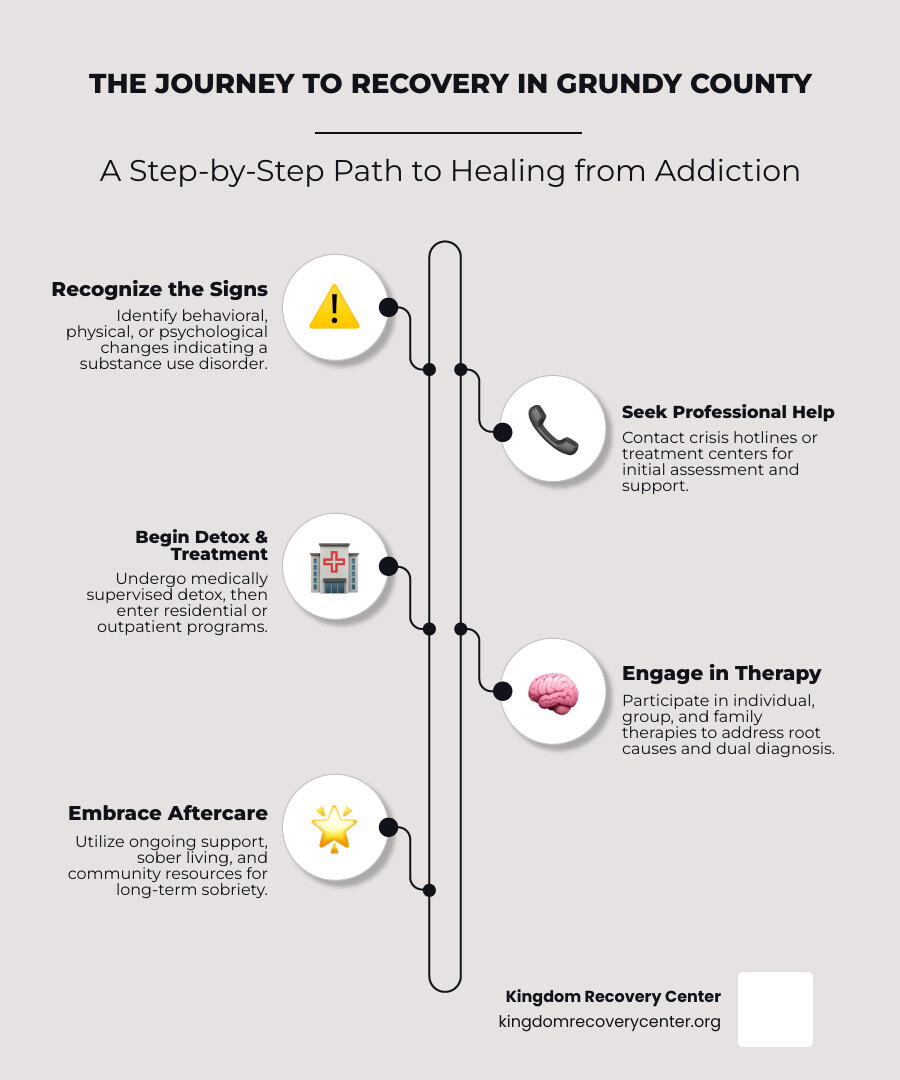
Often, the first and most challenging step is recognizing that help is needed. Addiction can be cunning, often masking its presence and convincing individuals that they are in control. However, there are common signs that might prompt someone to seek help for drug rehab Grundy County, TN:
- Behavioral Changes: This might include increased secrecy, lying, sudden changes in friends or activities, neglecting hobbies or responsibilities, or engaging in risky behaviors to obtain substances.
- Physical Symptoms: Noticeable weight changes, poor hygiene, dilated or constricted pupils, frequent nosebleeds, track marks, or unexplained injuries.
- Psychological Signs: Mood swings, increased irritability, paranoia, anxiety, depression, or a general lack of motivation.
- Neglecting Responsibilities: Failing to meet obligations at work, school, or home, leading to job loss, academic decline, or family conflict.
- Relationship Problems: Frequent arguments with loved ones, withdrawal from social circles, or strained family dynamics due to substance use.
If you observe these signs in yourself or a loved one, it’s a clear indication that it might be time to reach out for professional help. Learning the signs of drug addiction can be the crucial first step toward recovery.
The First Step: Medically Supervised Detox
For many individuals, the journey to recovery begins with medically supervised detox. This critical phase focuses on safely and comfortably ridding the body of addictive substances. Withdrawal symptoms can range from uncomfortable to life-threatening, depending on the substance and the individual’s physical health. That’s why medical monitoring is paramount.
During detox, a team of medical professionals provides 24/7 care, managing withdrawal symptoms with medications and ensuring the individual’s safety. Whether it’s alcohol, opioids like fentanyl, or benzodiazepines, each substance has a unique withdrawal timeline and set of challenges. Medically supervised detox not only makes the process bearable but also prepares the individual mentally and physically for the next steps in their rehab journey. To understand more about what to expect during this crucial phase, you can explore what to expect during detox.
Comprehensive Levels of Care for Lasting Sobriety
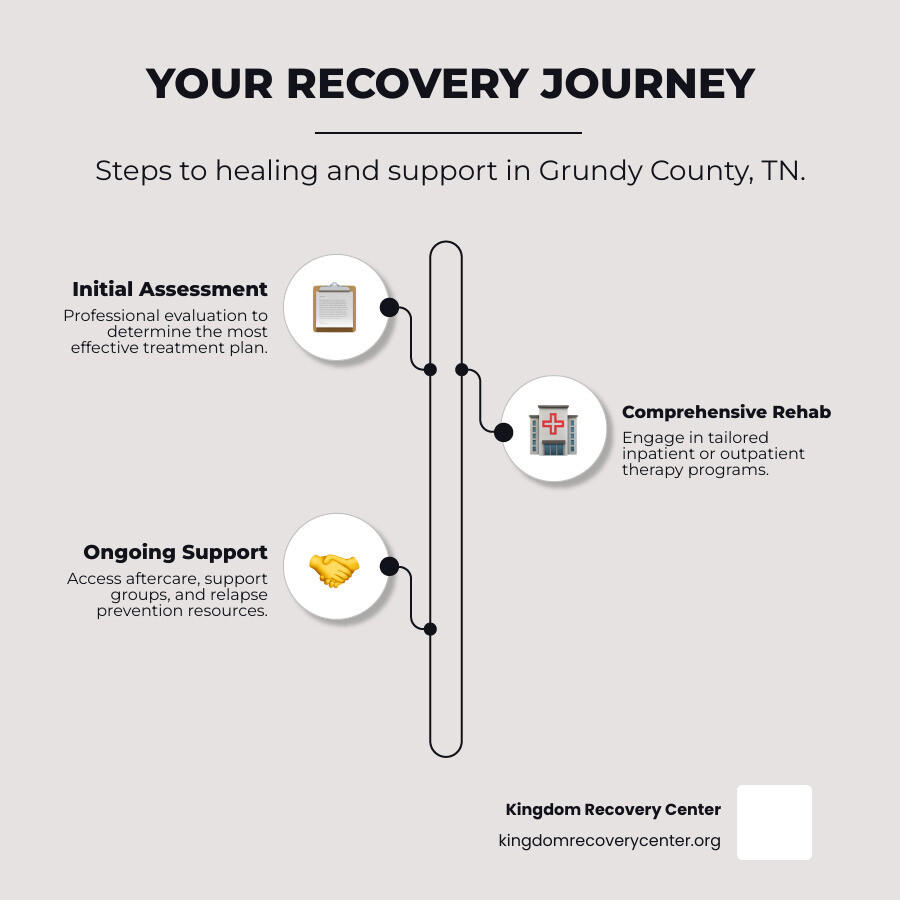
After detox, individuals transition into structured treatment programs designed to address the psychological and behavioral aspects of addiction. These programs vary in intensity and structure, ensuring a continuum of care that supports long-term sobriety.
| Level of Care | Description |
|---|---|
| Residential/Inpatient Care | Provides 24/7 medical and therapeutic support in a structured, live-in environment. This is ideal for individuals needing intensive care and a safe space away from triggers. |
| Partial Hospitalization Program (PHP) | A step-down from inpatient care, offering intensive, structured day treatment for several hours a day, five days a week, while the individual returns home or to a sober living environment in the evenings. |
| Intensive Outpatient Program (IOP) | Offers a flexible yet structured approach with several hours of therapy per week, allowing individuals to maintain work, school, or family commitments while receiving robust support. |
| Standard Outpatient Services | The least intensive level, typically involving weekly individual or group therapy sessions to support ongoing recovery and address challenges as they arise. |
The Journey Doesn’t End with Rehab: Aftercare and Family Support
Completing an initial rehab program, whether it’s residential, PHP, or IOP, is a monumental achievement. However, we know that true recovery is a lifelong journey, not a destination. The transition from a structured treatment environment back into daily life can be challenging, which is why aftercare and family support are absolutely vital for maintaining long-term sobriety and preventing relapse. This phase is about building a robust support system, healing relationships, and developing the resilience needed to steer life’s inevitable ups and downs without returning to substance use.
The Crucial Role of Aftercare and Relapse Prevention
Aftercare programs are designed to provide ongoing support and accountability as individuals integrate back into their communities. These services can include a variety of options:
- Ongoing Support Groups: Participation in 12-Step fellowships like Alcoholics Anonymous (AA) and Narcotics Anonymous (NA) provides a powerful sense of community, shared experience, and sponsorship. These groups offer a safe space for individuals to share their struggles and triumphs, reinforcing their commitment to sobriety.
- Sober Living Homes: For some, a temporary stay in a sober living environment offers a crucial bridge between intensive treatment and full independence. These homes provide a structured, drug-free living space with peer support and accountability, helping individuals practice recovery skills in a real-world setting.
- Alumni Programs: Many treatment centers, including Kingdom Recovery Center, offer alumni programs that connect former clients, fostering a supportive network that understands the unique challenges of post-rehab life. These programs can include regular meetings, social events, and opportunities to mentor newcomers.
- Developing Coping Skills: Aftercare often focuses on strengthening the coping mechanisms learned during primary treatment. This includes stress management techniques, healthy communication skills, and strategies for identifying and avoiding triggers.
- Individual and Group Therapy: Continuing therapy sessions, even on a less intensive basis, can help individuals process new challenges, address unresolved issues, and reinforce positive behavioral patterns.
A well-thought-out relapse prevention plan is a cornerstone of aftercare. It equips individuals with proactive strategies to recognize warning signs and respond effectively to cravings or high-risk situations. Empower your recovery by understanding how to create a relapse prevention plan.
How Families Can Support a Loved One’s Recovery
Addiction is a family disease, impacting everyone involved. Therefore, family support is not just beneficial, but often essential for a loved one’s successful, long-term recovery. However, this support must be healthy and constructive. Here’s how families in Grundy County can best support a loved one:
- Setting Boundaries: This is perhaps one of the most challenging but crucial aspects. Establishing clear, consistent boundaries protects both the family and the individual in recovery, preventing enabling behaviors and fostering personal responsibility.
- Avoiding Enabling: While natural to want to help, enabling can inadvertently perpetuate the addiction. Learning the difference between helping and enabling is vital.
- Family Therapy: Engaging in family therapy can heal old wounds, improve communication, and help family members understand the dynamics of addiction. It provides a safe space for everyone to express their feelings and learn new ways of interacting.
- Communication Skills: Addiction often erodes healthy communication. Families can learn effective ways to express concerns, listen actively, and support their loved one without judgment.
- Self-Care for Families: Supporting a loved one in recovery can be emotionally draining. Family members need to prioritize their own well-being through support groups (like Al-Anon or Nar-Anon), therapy, and healthy coping mechanisms. You cannot pour from an empty cup.
At Kingdom Recovery Center, we understand the profound impact addiction has on families and offer guidance and resources to help mend these crucial relationships. We provide guidance for loved ones to ensure that the entire family unit can heal and thrive.
Frequently Asked Questions about Drug Rehab in Grundy County, TN
What is a dual diagnosis and how is it treated?
A dual diagnosis, or co-occurring disorder, is when someone experiences a mental health disorder and a substance use disorder simultaneously. Effective treatment addresses both conditions at the same time through integrated care, which may include therapy, medication, and support groups. Learn more about integrated recovery.
How long does a typical rehab program last?
The duration of rehab varies based on individual needs. Programs can range from short-term (30 days) to long-term (60, 90 days, or more). The appropriate length is determined by factors like the severity of the addiction, the substance used, and the presence of co-occurring disorders.
Are there free or low-cost rehab options available?
Yes, there are several options. The Tennessee Behavioral Health Safety Net provides services for uninsured or underinsured residents. Many non-profits and faith-based organizations offer free or sliding-scale programs, and state-funded facilities accept TennCare (Medicaid).
Conclusion
The journey to recovery from addiction, especially when facing the challenges prevalent in Grundy County, TN, can seem daunting. However, we want you to know that hope and healing are not just possibilities – they are realities for countless individuals who have walked this path. Taking the first step, no matter how small, is the most crucial action you can take towards reclaiming your life.
A robust network of support is available in and near Grundy County, from dedicated local coalitions and faith-based initiatives to comprehensive professional treatment centers. We believe in the power of community, the effectiveness of evidence-based care, and the resilience of the human spirit.
At Kingdom Recovery Center, we are committed to providing client-centered care, specializing in individualized addiction and mental health treatment across East Tennessee, including for those seeking Drug Rehab Grundy County, TN. Our team is here to walk alongside you, offering the expertise, compassion, and support you deserve. Don’t let another day pass in the shadow of addiction. Begin your journey to recovery in East Tennessee today.