
Why Finding the Right East Tennessee Alcohol Rehab Matters
East Tennessee alcohol rehab programs offer a path to recovery for individuals struggling with alcohol addiction. The challenge is significant, with Tennessee’s alcohol-related deaths having risen 98% in the past decade. These aren’t just statistics; they represent families torn apart and lives cut short.
But there is hope. Recovery centers across East Tennessee—from the Smoky Mountains to cities like Knoxville and Chattanooga—offer evidence-based treatment designed to help you or your loved one break free from alcohol’s grip. The right program can make all the difference.
This guide will help you understand your options, from medical detox to long-term aftercare, so you can make an informed decision about East Tennessee alcohol rehab treatment.
At Kingdom Recovery Center in Morristown, TN, we specialize in compassionate, evidence-based treatment for alcohol addiction and co-occurring mental health disorders. Our team has helped countless individuals across East Tennessee transform their lives through personalized East Tennessee alcohol rehab programs that address each person’s unique needs.
Understanding the Need for Alcohol Rehab in East Tennessee
Alcohol Use Disorder (AUD), often called alcoholism, is a chronic disease that impairs a person’s ability to control their drinking, even when facing negative consequences. It is not a moral failing but a medical condition requiring professional treatment and support.
The scale of the problem in Tennessee is alarming. As mentioned, alcohol-related deaths have risen a staggering 98% in the past decade. This isn’t just a number; it represents countless lives cut short and families devastated. Understanding the science behind addiction helps us approach treatment with compassion. The brain can recover from the damage caused by addiction, but it requires time and dedicated effort, as we explore in the science of addiction.
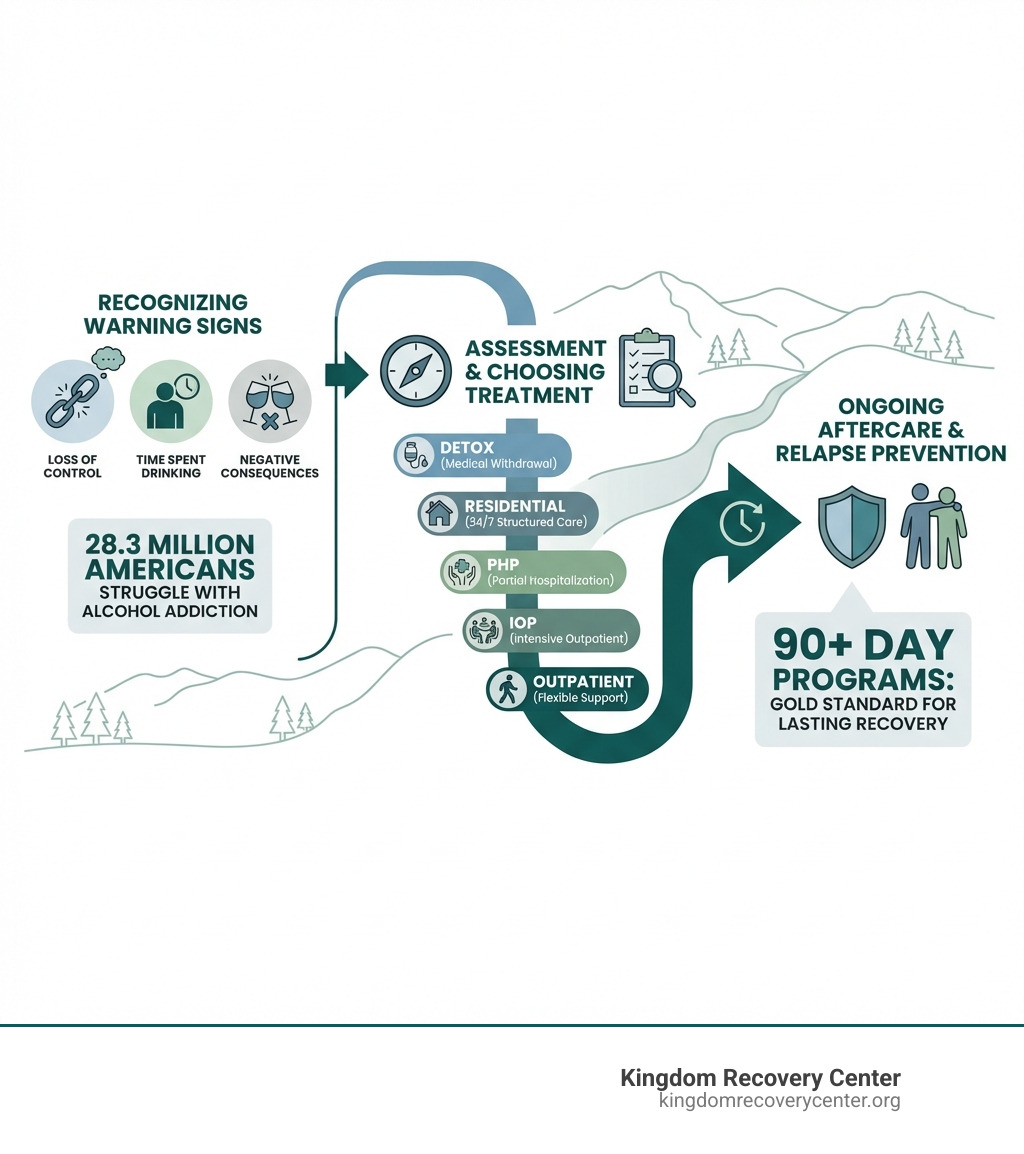
Nationally, the statistics are just as concerning: in the past year, 28.3 million people age 12 or older struggled with alcohol addiction. This widespread issue underscores the urgent need for accessible and effective East Tennessee alcohol rehab options.

Signs and Symptoms of Alcohol Addiction
Recognizing the signs of alcohol addiction is the first step toward getting help. If you or a loved one exhibit several of these indicators, it may be time to consider professional support.
Behavioral Signs:
- Trying to cut down on drinking but being unable to.
- Drinking more or for longer than intended.
- Spending a lot of time drinking or recovering from its effects.
- Experiencing strong cravings for alcohol.
- Neglecting responsibilities at work, school, or home.
- Continuing to drink despite negative consequences.
Physical Symptoms:
- Developing a higher tolerance for alcohol.
- Experiencing withdrawal symptoms like tremors, nausea, or anxiety when not drinking.
Psychological Indicators:
- Constant thoughts about drinking.
- Mood swings, irritability, or increased depression linked to alcohol use.
If these signs are interfering with daily life, it’s a clear signal that professional help is needed. For more information, you can learn more on the signs of drug addiction.
Common Causes and Risk Factors
Alcohol addiction often results from a combination of factors:
- Genetic Predisposition: A family history of addiction can increase risk.
- Environmental Factors: Cultural norms, peer pressure, and easy access to alcohol can play a role.
- Psychological Triggers: Many use alcohol to cope with stress, trauma, anxiety, or depression. Our research shows that adults with a mental illness are more likely to binge-drink than those without. This highlights the importance of addressing both mental health and substance use. We explore this further in exploring the link between mental health and addiction.
Long-Term Effects of Untreated Alcoholism
The consequences of untreated alcohol addiction are severe and can impact every aspect of life.
- Physical Health: Chronic alcohol abuse can lead to liver disease, heart problems, pancreatitis, cancer, and brain damage.
- Mental Health: It often worsens conditions like depression and anxiety and can increase the risk of suicide.
- Social and Financial Ruin: Addiction can lead to job loss, financial instability, and legal issues.
- Strained Relationships: The behaviors associated with addiction often damage relationships with family and friends, leading to isolation.
Timely and effective treatment can mitigate many of these long-term consequences. We focus on healing the whole person, which you can learn more about in What We Treat: Alcohol Abuse.
A Guide to East Tennessee Alcohol Rehab Programs
When considering East Tennessee alcohol rehab, it’s important to understand the different levels of care available. Treatment isn’t one-size-fits-all; it requires an individualized approach custom to your specific needs. At Kingdom Recovery Center, we emphasize client-centered care, and it’s crucial to assess when choosing a recovery center to ensure it aligns with your unique path.
Here’s a comparison of the key features of various program types:
| Program Type | Intensity | Housing | Duration | Best For – | –
| Medical Detoxification | Highest (medical supervision) | In-facility | Typically 7-10 days | Individuals needing medically supervised withdrawal from alcohol or other substances. |
| Residential (Inpatient) | High (24/7 care) | In-facility | 30, 60, 90+ days | Severe addiction, unstable home environment, co-occurring disorders, history of relapse. |
| Partial Hospitalization (PHP) | High (structured day treatment) | At home or sober living | Several weeks to months | Step down from inpatient, or for those needing intensive care but with stable home support. |
| Intensive Outpatient (IOP) | Moderate (structured group/individual therapy) | At home or sober living | Several weeks to months | Transition from higher levels of care, or for those needing significant support while maintaining responsibilities. |
| Standard Outpatient (OP) | Low (flexible appointments) | At home | Ongoing, as needed | Maintaining sobriety, early recovery with strong support, after completing higher levels of care. |
Medical Detoxification
Medical detoxification is the first and most critical step in recovery. It involves safely managing withdrawal symptoms under medical supervision. Quitting substances like alcohol abruptly can be dangerous, leading to severe complications. Our medical detox programs in East Tennessee ensure your safety and comfort with 24/7 care from licensed staff, laying a stable foundation for your recovery. You can learn more about what to expect in a medical detox program.
Residential (Inpatient) Programs
For those with severe or long-standing addiction, a residential or inpatient program offers the most comprehensive start to recovery. These programs provide 24/7 structured care in a therapeutic environment, removing you from daily triggers.
The benefits of longer-term treatment, such as programs lasting 90 days or more, are well-documented. The National Institute of Drug Abuse (NIDA) calls 90-day programs the “gold standard” for treating substance misuse, as they significantly improve long-term sobriety outcomes. This extended time allows the brain to heal and for new, healthy habits to form.
Residential programs are ideal for individuals facing:
- Severe or long-standing addictions.
- A history of relapse.
- Co-occurring mental health disorders.
- An unstable or unsupportive home environment.
In East Tennessee, we believe in the transformative power of these immersive experiences. You can explore the importance of rehab programs for lasting recovery on our site.
Outpatient Program Options: PHP, IOP, and OP
Outpatient care offers flexibility while maintaining structured support, making it a great option for those transitioning from inpatient care or those who don’t require 24/7 supervision.
- Partial Hospitalization Programs (PHP): Often called “day treatment,” PHP offers intensive daily therapy for several hours a day, five days a week. Clients return home or to a sober living environment in the evenings. Learn more in our guide to understanding Mental Health PHP in Tennessee.
- Intensive Outpatient Programs (IOP): IOP provides structured treatment for 9-12 hours per week, allowing clients to maintain work, school, or family commitments. Research shows that IOP can be as effective as inpatient treatment for many individuals.
- Standard Outpatient (OP): This is the most flexible level of care, with less frequent therapy sessions. It’s ideal for ongoing support in early recovery or as a step-down from a higher level of care.
Our team can help you decide between these options. We offer guidance on choosing between IOP and PHP to ensure you receive the most appropriate care.
Core Components of Effective Addiction Treatment
Effective East Tennessee alcohol rehab isn’t just about stopping drinking; it’s about healing the underlying issues, developing coping skills, and building a foundation for a fulfilling, sober life. This requires a comprehensive approach, integrating evidence-based therapies with holistic practices.

Evidence-Based Therapies
At Kingdom Recovery Center, we rely on therapies backed by scientific research to ensure the most effective outcomes. These approaches help individuals understand their addiction, change harmful behaviors, and develop healthy coping mechanisms.
- Cognitive Behavioral Therapy (CBT): CBT helps clients identify and change negative thought patterns and behaviors related to alcohol use, teaching healthier responses to triggers. You can explore the role of CBT in recovery.
- Dialectical Behavior Therapy (DBT): DBT is highly effective in addiction treatment, teaching skills in mindfulness, distress tolerance, and emotional regulation to help clients manage difficult emotions without alcohol. Learn how DBT supports personal growth.
- Trauma Therapy: Many individuals struggling with addiction have experienced trauma. Trauma-informed care provides a safe, supportive environment to process these events without re-traumatization.
- Motivational Interviewing (MI): MI helps individuals resolve ambivalence about treatment and recovery by strengthening their motivation and commitment to change.
Treating Co-Occurring Disorders (Dual Diagnosis)
Addiction rarely occurs in a vacuum. In fact, an estimated 21.5 million adults in the US have a co-occurring disorder, meaning they struggle with both a mental health condition (like anxiety or depression) and a substance use disorder.
This is why integrated treatment, or dual diagnosis, is so vital. Treating one condition without addressing the other is often ineffective. At Kingdom Recovery Center, we specialize in dual diagnosis programs, ensuring that both the alcohol addiction and any co-occurring mental health issues are treated simultaneously. We explore this connection further in Mental Health Disorders and Substance Abuse.
Family Support and Therapy
Addiction is often called a “family disease” because its effects ripple through the lives of loved ones. Effective East Tennessee alcohol rehab programs recognize the critical role of family support and therapy.
Family therapy sessions and workshops are designed to:
- Rebuild Trust: Therapy provides a safe space for families to express their feelings and begin rebuilding broken bonds.
- Improve Communication: Learning healthy communication strategies helps families set boundaries and support their loved one without enabling.
- Heal Together: The entire family unit needs support to process the emotional toll of addiction.
We firmly believe in how loved ones can support recovery and recognize that embracing community is essential for lasting sobriety. Our programs include resources and guidance for families, because when you heal, your whole family can heal. Find more about embracing community in the journey of addiction recovery.
Finding and Affording Your Path to Recovery
Navigating East Tennessee alcohol rehab can feel daunting, but finding and affording the right program is achievable. We’re here to help simplify the process.
When selecting a rehab center, look for these key features:
- Accreditation: Look for facilities accredited by reputable organizations like The Joint Commission. This signifies a commitment to high standards of safety and quality of care.
- Qualified Staff: Ensure the clinical and medical teams are experienced, licensed, and compassionate.
- Personalized Treatment Plans: The program should be custom to your individual needs.
- Supportive Environment: A serene and healing setting can significantly aid the recovery process.
- Holistic Options: Programs that treat the whole person—mind, body, and spirit—offer a more comprehensive experience.
The Cost of Rehab and Insurance Coverage
One of the biggest concerns about East Tennessee alcohol rehab is the cost. While the average cost for treatment in Tennessee can be significant, there are many ways to make it affordable. The price varies based on the program type, duration, and amenities.
Many facilities work with insurance providers to cover a large portion of treatment costs. At Kingdom Recovery Center, we believe in making recovery accessible and can help you understand using insurance to cover rehab costs. We accept many insurance plans, including TennCare plans like UnitedHealthcare, Amerigroup, and BlueCare, as well as other major providers like BCBS TN, AETNA, Optum, and Multiplan. We offer a free insurance verification to help you understand your benefits.
State-Funded and Alternative Payment Options
If private insurance isn’t an option, there are still avenues for help. Tennessee offers state-funded resources for those who qualify.
- TennCare: Tennessee’s Medicaid program, TennCare, can cover addiction treatment for eligible individuals. Eligibility often depends on factors like income, a primary diagnosis of substance use, and meeting federal poverty guidelines. You can find out more about applying for TennCare.
- Sliding Scale Fees: Some centers adjust the cost of treatment based on your income.
- Payment Plans: Many facilities offer payment plans to make the cost more manageable.
- Grants and Scholarships: Non-profit organizations and state programs may offer financial assistance for treatment.
Don’t let financial concerns stop you from seeking help. A confidential conversation with an admissions specialist can help you explore all available options.
Finding a Confidential East Tennessee Alcohol Rehab Program
Confidentiality is paramount when seeking help for alcohol addiction. You deserve a safe space to explore your options without judgment.
- Confidential Hotlines: The Tennessee REDLINE (800-889-9789) is a free and confidential resource for treatment referrals throughout the state.
- Online Directories: Reputable online directories can help you find East Tennessee alcohol rehab facilities.
- Admissions Specialists: The most direct way to find a confidential program is to speak with an admissions specialist at a treatment center. At Kingdom Recovery Center, we offer confidential consultations to help you take that first step.
Life After Rehab: Aftercare and Relapse Prevention
Completing an East Tennessee alcohol rehab program is a major achievement, but it’s the first step in a lifelong journey. Lasting sobriety requires ongoing effort and a strong aftercare plan to steer life’s challenges.
Building a Sober Support Network
Leaving the structured environment of rehab can be challenging. Building a strong sober support network is essential for navigating daily life without alcohol.
- Sober Living Homes: These residences provide a supportive, substance-free environment for those transitioning from inpatient treatment, offering structure and accountability.
- Alumni Programs: Many rehab centers, including Kingdom Recovery Center, offer alumni programs that connect former clients for shared experience and encouragement.
- The Importance of Community: Surrounding yourself with positive, sober influences is crucial for providing empathy, guidance, and a sense of belonging.
Local Support Groups and Resources
Peer support groups are a cornerstone of long-term recovery, offering invaluable wisdom from those who understand your struggles.
- Alcoholics Anonymous (AA): AA is a fellowship of people who come together to solve their common problem of alcoholism. Meetings are available throughout Tennessee. You can find meetings via resources like this one.
- Narcotics Anonymous (NA): Similar to AA, NA is a fellowship for individuals for whom drugs have become a major problem, offering recovery through a 12-step model. Find meetings through resources such as this list.
These groups offer a sense of belonging and a roadmap for maintaining sobriety through shared experience and mutual support.
Relapse Prevention Strategies
Relapse can be a part of the recovery process, but it doesn’t have to define your journey. Developing strong relapse prevention strategies is key to managing triggers and maintaining long-term sobriety.
- Identify Triggers: Understand the situations, emotions, or people that tempt you to drink so you can anticipate and manage high-risk scenarios.
- Develop Coping Skills: Practice the healthy coping mechanisms learned in rehab, such as mindfulness, exercise, or journaling, to manage stress and cravings.
- Continue Therapy: Ongoing therapy provides a space to process challenges and refine coping strategies.
- Use Post-Treatment Support: Programs that track mood, cravings, and commitment to sobriety can help provide timely interventions and prevent relapse.
We dig deeper into key insights on relapse prevention to empower you with the tools for lasting recovery.
Frequently Asked Questions about East Tennessee Alcohol Rehab
Navigating East Tennessee alcohol rehab can bring up many questions. Here are straightforward answers to some of the most common inquiries.
How long does alcohol rehab typically last?
The duration of rehab varies based on individual needs and the program type.
- Detox: Typically lasts 7-10 days to manage withdrawal symptoms safely.
- Residential Programs: Can range from 30 to 90 days or more. Longer programs (90+ days) are often considered the “gold standard” for better long-term outcomes.
- Outpatient Programs (PHP, IOP, OP): Can last from several weeks to several months, with decreasing intensity as you progress in recovery.
The right program length provides enough time to heal, build skills, and establish a strong foundation for sobriety.
What happens during the admissions process?
The admissions process is designed to be as simple and supportive as possible. It generally includes:
- Confidential Call: A private conversation with an admissions advisor to discuss your situation and ask questions.
- Insurance Verification: Our team will help you understand your insurance benefits and any potential costs.
- Clinical Assessment: A professional will conduct a thorough assessment of your substance use history, mental health, and overall situation to determine the best level of care and create a personalized treatment plan.
We strive to make this process easy, recognizing the courage it takes to seek help.
What kind of amenities should I look for in a rehab center?
While quality care is the priority, the right environment can significantly aid in your recovery. Look for centers that offer:
- Comfortable Accommodations: A clean, safe, and restful living space.
- Nutritious Meals: Healthy food is vital for physical and mental healing.
- Recreational Activities: Opportunities for fitness, hobbies, and relaxation help reduce stress.
- A Healing Environment: A peaceful setting, like those found in East Tennessee, can promote focus and introspection.
The right amenities create a nurturing atmosphere, allowing you to focus completely on your recovery.
Your Journey to Sobriety Starts Today
The path to recovery from alcohol addiction may seem challenging, but hope and healing are within reach. In East Tennessee, a network of compassionate and effective East Tennessee alcohol rehab programs stands ready to support you or your loved one.
Recovery is possible with the right guidance, personalized care, and a strong support system. The most crucial step is simply reaching out. We understand the courage it takes to ask for help, and we honor that bravery.
At Kingdom Recovery Center, we are dedicated to providing client-centered, evidence-based addiction and mental health treatment. Our programs are designed to empower lasting change, addressing not just the addiction but the whole person. Whether you’re in Morristown, Knoxville, Johnson City, or anywhere in East Tennessee, we are here for you.
Begin your recovery journey in Chattanooga today or contact us to find out how we can help you take the first, most important step toward a healthier, sober future.