
Why Outpatient Addiction Therapy in Tennessee Matters for Your Recovery Journey
Outpatient Addiction Therapy in Tennessee offers a proven path to recovery that allows you to heal while maintaining your daily responsibilities. If you’re seeking treatment, here’s what you need to know:
Quick Overview of Outpatient Options in Tennessee:
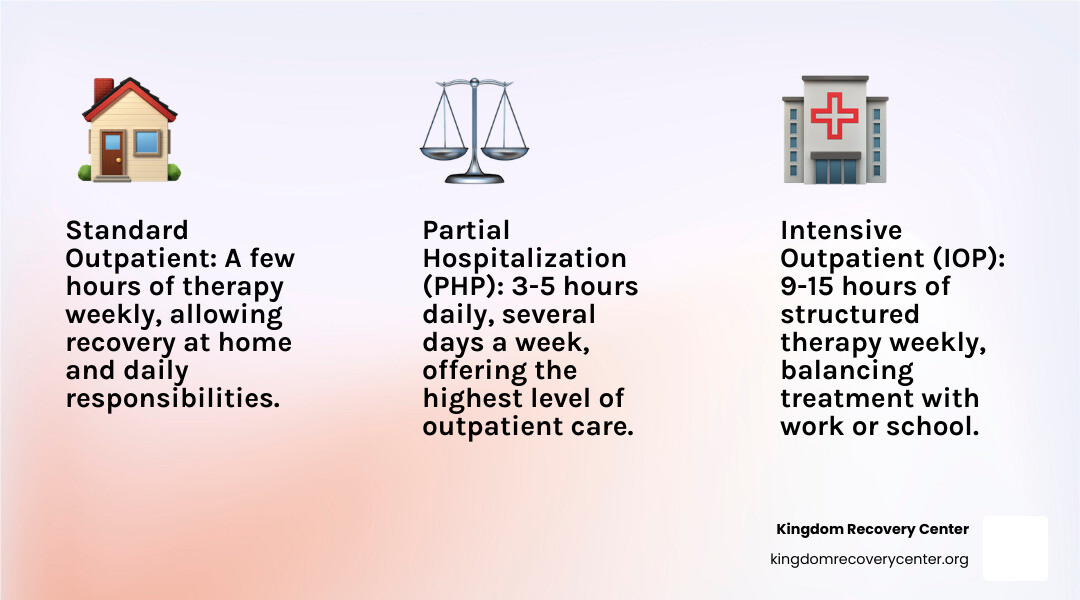
- Standard Outpatient: A few hours per week of therapy while living at home
- Intensive Outpatient Program (IOP): 9-15 hours per week of structured therapy
- Partial Hospitalization Program (PHP): 3-5 hours daily, several days per week
- All levels: Include individual therapy, group counseling, and evidence-based treatments like CBT and DBT
- Telehealth available: Virtual treatment options for select programs across Tennessee
- State support: Tennessee REDLINE (800-889-9789) provides free referrals
The decision to seek help is never easy. Whether you’re struggling with alcohol, opioids, or other substances—and especially if you’re also dealing with anxiety, depression, or trauma—outpatient treatment provides the flexibility to recover without putting your life on hold. You can continue working, caring for your family, and living at home while receiving professional support.
Tennessee’s outpatient programs are regulated by the Tennessee Department of Mental Health and Substance Abuse Services (TDMHSAS), ensuring quality care. With an average treatment cost of $56,600 for comprehensive substance abuse care, many facilities accept insurance, TennCare, and offer state-funded options for those meeting eligibility guidelines.
The statistics are encouraging: Nearly 8 in 10 people successfully complete outpatient programs, and more than half report a better quality of life six months after treatment. Recovery is possible, and you don’t have to do it alone.
At Kingdom Recovery Center in Morristown, TN, we specialize in compassionate, evidence-based Outpatient Addiction Therapy in Tennessee, offering personalized treatment plans that address both addiction and co-occurring mental health conditions. Our holistic approach empowers individuals to build lasting recovery while maintaining their daily commitments.
Understanding the Landscape of Outpatient Addiction Therapy in Tennessee
Navigating addiction treatment can feel overwhelming, but understanding the regulatory framework, costs, and types of conditions addressed in Tennessee can help clarify your path. We are committed to providing clear, comprehensive information so you can make an informed decision for yourself or a loved one.
Regulation in Tennessee
In Tennessee, outpatient addiction treatment centers operate under the oversight of the Tennessee Department of Mental Health and Substance Abuse Services (TDMHSAS). This state agency sets the standards and guidelines that ensure quality care for individuals seeking help. Facilities providing substance use services must adhere to these regulations, which cover everything from staffing qualifications to treatment protocols.
Accreditation from independent bodies like CARF (Commission on Accreditation of Rehabilitation Facilities) and The Joint Commission further demonstrates a center’s commitment to high standards of care. These accreditations are voluntary but highly respected, indicating that a facility has met rigorous quality benchmarks. When we talk about finding a reputable center, looking for these accreditations is a great place to start.
TDMHSAS also plays a crucial role in managing state funding for substance use treatment services. Eligibility for state-funded programs often prioritizes Tennesseans with the greatest needs and least ability to pay. This includes individuals with a primary diagnosis of alcohol or drug use, who are indigent, not eligible for TennCare or other insurance, have exhausted their insurance benefits, and meet certain federal poverty guidelines. More details on state-funded adult substance abuse treatment can be found on the Adult Substance Abuse Treatment information page.
Treatment Costs
The cost of substance abuse treatment is a significant concern for many. While it can vary widely based on the intensity and duration of care, industry data suggests the average cost for a person in Tennessee who seeks substance abuse treatment is around $56,600. This figure often encompasses comprehensive care, which may include detox, residential, and various outpatient services.
However, Outpatient Addiction Therapy in Tennessee is generally more cost-effective than inpatient treatment because it doesn’t include the expenses of 24/7 accommodation. Many facilities work with various insurance providers, including TennCare, to make treatment accessible. We understand that ability to pay should not be a barrier to getting treatment, and many centers offer discounted self-pay rates or can help you explore state-funded options if you meet the eligibility criteria mentioned above. It’s always best to contact a treatment center directly to discuss specific costs and payment options.
Substances Treated
Outpatient Addiction Therapy in Tennessee is equipped to address a wide range of substance use disorders. Our programs, and those of other reputable centers in East Tennessee, are designed to help individuals struggling with:
- Alcohol Addiction: One of the most common substance use disorders, often requiring comprehensive behavioral therapies.
- Opioid Use Disorder: Including addiction to prescription pain relievers, heroin, and fentanyl, often utilizing Medication-Assisted Treatment (MAT) in conjunction with therapy.
- Methamphetamine Use: Requiring targeted behavioral interventions to address the stimulant’s impact.
- Prescription Drug Abuse: Addiction to benzodiazepines, stimulants, and other prescribed medications.
The specific treatment plan will always be custom to the individual’s needs, considering the substance of abuse, its severity, and any co-occurring conditions.
Dual Diagnosis
It’s a common misconception that addiction occurs in isolation. In reality, approximately 50% of people with substance use disorders have a co-occurring mental health condition. This is known as a dual diagnosis or co-occurring disorder. Common mental health conditions that often accompany substance use disorders include anxiety, depression, bipolar disorder, obsessive-compulsive disorder (OCD), trauma, and PTSD.
Addressing both the substance use disorder and the mental health condition simultaneously is crucial for effective, long-term recovery. Integrated treatment ensures that underlying issues contributing to addiction are identified and treated, preventing a cycle of relapse. At Kingdom Recovery Center, we specialize in individualized care and dual diagnosis programs, empowering lasting change. Our Outpatient Mental Health services are designed to provide comprehensive support for these complex needs.
Comparing Levels of Outpatient Care: PHP vs. IOP
When considering Outpatient Addiction Therapy in Tennessee, it’s helpful to understand the different levels of care available. The primary options you’ll encounter are Partial Hospitalization Programs (PHP) and Intensive Outpatient Programs (IOP). These programs offer varying degrees of intensity and structure, designed to meet diverse needs.
| Feature | Partial Hospitalization Program (PHP) | Intensive Outpatient Program (IOP) |
|---|---|---|
| Hours per Week | Typically 20+ hours (3-5 hours daily, 3-5 days per week) | 9-15 hours per week |
| Typical Duration | 3-5 weeks, or longer depending on need | Several weeks to a few months (average 84-134 days in TN) |
| Ideal Candidate | Stepping down from inpatient; needs significant structure but not 24/7 care | Needs structured treatment but can maintain work/school; strong home support system |
| Level of Care | Highest level of outpatient care; intensive support | Step-down from PHP or initial treatment for less severe addiction |
Partial Hospitalization Programs (PHP)
Partial Hospitalization Programs (PHPs), sometimes referred to as “day treatment,” represent the most intensive form of Outpatient Addiction Therapy in Tennessee. In a PHP, individuals attend therapy for several hours each day, typically three to five days a week, before returning home in the evenings. This level of care provides a structured environment and comprehensive therapeutic services, similar to inpatient treatment, but without the overnight stay.
PHPs are often recommended for individuals who:
- Are transitioning from an inpatient or residential program and need a strong step-down to maintain their progress.
- Require a high level of support and structure, but do not need 24/7 medical supervision or live in a stable, supportive home environment.
- Are struggling with significant substance use disorders or co-occurring mental health conditions that demand intensive intervention.
A typical PHP schedule might involve individual therapy, group therapy, educational sessions on addiction and coping skills, and sometimes family therapy. This intensive approach helps clients stabilize, develop crucial recovery skills, and address underlying issues in a safe and supportive setting. To learn more about this path to recovery, see our page on PHP and IOP Programs: A Path to Recovery.
Intensive Outpatient Programs (IOP)
Intensive Outpatient Programs (IOPs) offer a flexible yet structured approach to Outpatient Addiction Therapy in Tennessee. These programs typically involve 9-15 hours of therapy per week, spread across several days. IOPs are designed for individuals who need consistent support and therapeutic intervention but can manage their daily responsibilities, such as work, school, or family commitments, while living at home.
IOPs are a great option for those who:
- Are stepping down from a PHP or residential program.
- Have a milder addiction or are in the early stages of recovery.
- Possess a stable home environment and a strong support system.
- Need to learn coping mechanisms, relapse prevention strategies, and life skills to steer sobriety in their everyday lives.
Our IOPs, and those across East Tennessee, focus heavily on group and individual therapy, often incorporating evidence-based practices like Cognitive Behavioral Therapy (CBT) and Dialectical Behavior Therapy (DBT). This allows participants to engage in meaningful therapeutic work while applying newly learned skills in real-time. For a deeper dive into how IOP compares to PHP, check out IOP vs PHP: Which Care Level Supports Your Healing Process?.
Making the Right Choice for You
Deciding between PHP, IOP, or standard outpatient care requires careful consideration of your individual needs, the severity of your addiction, and your personal circumstances. A thorough clinical assessment is the first step. This assessment, often guided by the ASAM (American Society of Addiction Medicine) criteria, helps determine the most clinically appropriate level of care.
Factors influencing this decision include:
- Severity of Addiction: How long and how heavily have you been using? Are there withdrawal risks?
- Co-occurring Mental Health Conditions: Do you have a dual diagnosis that requires integrated care?
- Stability of Home Environment: Do you have a safe, supportive living situation free from triggers?
- Physical Health: Are there any medical complications that require monitoring?
- Support System: Do you have family or friends who can support your recovery journey?
While PHP provides a higher level of structure, IOP offers greater flexibility. Both are effective, but the “right” choice depends on your medical necessity and life situation. We believe in empowering you to make the best decision for your recovery journey. For more insights into making this critical choice, please read Choosing Between IOP and PHP: Key Considerations.
Top 10 Therapeutic Modalities in Tennessee Outpatient Programs

Effective Outpatient Addiction Therapy in Tennessee relies on a diverse toolkit of therapeutic modalities designed to address the complex nature of addiction and promote lasting recovery. At Kingdom Recovery Center, we integrate many of these evidence-based approaches to provide comprehensive, client-centered care.
Foundational Talk Therapies
These therapies form the bedrock of most outpatient programs, helping individuals understand their addiction and develop healthier coping mechanisms.
-
Cognitive-Behavioral Therapy (CBT): This widely used therapy helps individuals identify and challenge negative thought patterns and beliefs that contribute to substance use. By learning to reframe these thoughts and develop healthier coping skills, clients can change their behaviors and avoid relapse. CBT is highly effective for a range of substance use disorders and co-occurring mental health conditions.
-
Dialectical Behavior Therapy (DBT): Often an extension of CBT, DBT focuses on emotional regulation, distress tolerance, mindfulness, and interpersonal effectiveness. It’s particularly beneficial for individuals who struggle with intense emotions, self-harm, or chronic impulsivity, helping them manage difficult feelings without resorting to substance use.
-
Motivational Improvement Therapy (MET): MET is designed to help individuals resolve ambivalence about changing their substance use and increase their motivation for recovery. Rather than confronting clients, MET uses a supportive, non-judgmental approach to explore their reasons for change and build confidence in their ability to succeed.
Specialized and Supportive Approaches in Outpatient Addiction Therapy in Tennessee
Beyond foundational talk therapies, many outpatient programs incorporate specialized approaches to address specific aspects of addiction and recovery.
-
Medication-Assisted Treatment (MAT) as available within Kingdom Recovery Center’s scope: MAT combines FDA-approved medications with counseling and behavioral therapies. For opioid use disorder, medications like buprenorphine, methadone (available through specialized Opioid Treatment Programs – OTPs), and naltrexone can significantly reduce cravings, manage withdrawal symptoms, and prevent relapse. While we offer comprehensive behavioral therapy, we also understand the critical role MAT plays and can provide referrals or integrate it into treatment plans where appropriate and within our scope. You can find more Details on Tennessee’s Opioid Treatment Programs through the state’s resources.
-
Family Therapy: Addiction impacts the entire family system. Family therapy involves loved ones in the treatment process, helping to heal relationships, improve communication patterns, and educate family members about addiction. A supportive family environment is a powerful asset in long-term recovery.
-
Group Therapy: This is a cornerstone of outpatient treatment. Group sessions provide a safe space for individuals to share experiences, receive peer support, reduce feelings of isolation, and practice new social skills. Facilitated by a therapist, group therapy fosters a sense of community and mutual understanding, which is vital for recovery.
-
Trauma-Informed Care: Recognizing that many individuals with substance use disorders have experienced trauma, this approach emphasizes creating a safe, trustworthy, and collaborative environment. Trauma-informed care helps individuals process past trauma in a way that doesn’t re-traumatize them, addressing the underlying pain that may fuel addiction.
Holistic and Continuing Care Options for Outpatient Addiction Therapy in Tennessee
For a truly comprehensive and lasting recovery, outpatient programs often extend beyond traditional therapy to include holistic practices and robust aftercare planning.
-
Experiential Therapies (as offered by Kingdom Recovery Center): These therapies involve engaging in activities rather than just talking. Examples can include art therapy, yoga, or other creative and physical outlets. Experiential therapies help individuals express emotions, build self-esteem, and find new coping mechanisms in a non-verbal way, fostering healing through action and self-findy.
-
12-Step Facilitation: Many Outpatient Addiction Therapy in Tennessee programs incorporate the principles of 12-Step programs like Alcoholics Anonymous (AA) and Narcotics Anonymous (NA). This involves attending meetings, working with a sponsor, and engaging in the steps to build a strong, sober support network and a framework for spiritual growth and self-reflection.
-
Continuing Care (Aftercare): Recovery is a lifelong journey, not a destination. Effective outpatient programs emphasize comprehensive relapse prevention planning and offer ongoing support through alumni groups, follow-up counseling, and connections to community resources. This ensures individuals have the tools and support needed to maintain sobriety long after their initial treatment concludes. At Kingdom Recovery Center, we believe in building a solid foundation for Comprehensive Addiction Treatment that extends into lifelong wellness.
The Modern Face of Treatment: Telehealth and Finding the Right Fit
The landscape of Outpatient Addiction Therapy in Tennessee is continually evolving, with telehealth emerging as a powerful tool for accessibility and convenience. Finding the right treatment center is a crucial step on the path to recovery.

The Role of Telehealth
Telehealth has revolutionized access to addiction treatment, especially in a geographically diverse state like Tennessee. Virtual options for Intensive Outpatient Programs (IOPs) and Partial Hospitalization Programs (PHPs) mean that individuals can receive high-quality care from the comfort and privacy of their own homes.
The benefits of telehealth include:
- Increased Accessibility: For those in rural areas of East Tennessee, or those with transportation challenges, telehealth removes significant barriers to treatment.
- Convenience: It allows individuals to fit therapy sessions into busy schedules, reducing time spent commuting and making it easier to balance work, family, and treatment.
- Continuity of Care: Telehealth can ensure consistent access to support, even during unforeseen circumstances or when travel is difficult.
While not every program offers full virtual options, many centers, including ours, have integrated telehealth services to provide flexible and effective care. This modern approach ensures that you can engage with your recovery journey wherever you are in Tennessee.
Finding a Reputable Center
Identifying a reputable Outpatient Addiction Therapy in Tennessee that fits your unique needs is paramount. With hundreds of treatment centers across the state, knowing where to start can be daunting. Here are some reliable resources and tips:
- Tennessee REDLINE: For free and confidential referrals to treatment services, call or text the Tennessee REDLINE at 800-889-9789. This is a vital state resource for connecting individuals with appropriate care.
- SAMHSA Treatment Locator: The Substance Abuse and Mental Health Services Administration (SAMHSA) offers a national helpline (800-662-4357) and an online treatment facility search tool to help you locate examined and rated rehabilitation programs.
- Verifying Accreditation: As mentioned earlier, look for centers accredited by CARF or The Joint Commission. These accreditations signify a commitment to quality and safety standards.
- Ask Key Questions: When contacting potential providers, don’t hesitate to ask about their:
- Program structure and typical treatment plan
- Staff credentials and experience
- Treatment philosophy and modalities used (e.g., CBT, DBT, MAT)
- Approach to dual diagnosis if applicable
- Cost, insurance acceptance, and payment options
Your journey to finding the right care can be simplified with the right guidance. For more assistance, explore Your Guide to Finding the Right Mental Health Treatment in Tennessee.
Measuring Success
While success in recovery is highly individual, statistics offer encouraging insights into the effectiveness of outpatient treatment. Industry data indicates that nearly 8 in 10 people are successful after completing an outpatient program. Furthermore, more than half of individuals who complete an inpatient program report a better quality of life six months later, and outpatient care often builds on this foundation.
Success in Outpatient Addiction Therapy in Tennessee is often measured by:
- Sustained Sobriety: The primary goal, indicating a reduction or cessation of substance use.
- Improved Quality of Life: Including better physical and mental health, stronger relationships, and increased overall well-being.
- Improved Functioning: The ability to manage daily responsibilities, maintain employment, and engage positively in the community.
- Relapse Prevention: Developing and utilizing effective coping strategies to prevent returning to substance use.
Outpatient programs provide a practical advantage by allowing individuals to apply learned skills in real-world settings, which can contribute to more lasting change. For a deeper understanding of how outpatient compares to inpatient care and which might be best for you, consider reading Outpatient vs. Inpatient Rehab: Which is Best for You?.
Frequently Asked Questions about Outpatient Addiction Therapy
We understand you likely have many questions as you consider Outpatient Addiction Therapy in Tennessee. Here, we address some of the most common inquiries to help you feel more informed and confident in your choices.
How long does outpatient rehab typically last in Tennessee?
The duration of Outpatient Addiction Therapy in Tennessee varies significantly based on individual needs, the severity of the addiction, and the presence of co-occurring conditions. There’s no one-size-fits-all answer, as treatment plans are highly personalized.
However, industry reports provide some general insights:
- Intensive Outpatient Programs (IOPs) often involve 12 to 15 hours of treatment per week.
- Partial Hospitalization Programs (PHPs) might last three to five weeks, with patients attending therapy for several hours each day, at least three days a week.
- For IOPs, a 2019 SAMHSA report indicated that Tennessee patients spent an average of 84 days in intensive outpatient rehab.
- SAMHSA’s Treatment Episode Data Set (TEDS) report suggests that patients often complete Tennessee outpatient rehabs in approximately 134 days.
Factors that influence the length of treatment include:
- Addiction History: Longer or more severe addictions may require more extended care.
- Co-occurring Health Complications: Dual diagnosis can necessitate a longer treatment period to address both conditions effectively.
- Support System: A strong, supportive home environment can positively impact treatment duration.
- Patient Progress: Treatment continues as long as clinically necessary, adapting to your progress and evolving needs.
The goal is to equip you with the skills and support for sustainable recovery, however long that process takes.
Can I keep my job while attending outpatient therapy?
Yes, absolutely! This is one of the primary and most significant benefits of choosing Outpatient Addiction Therapy in Tennessee. Unlike residential or inpatient programs, outpatient treatment is specifically designed to allow you to continue living at home and maintain your daily responsibilities.
Our programs, and many others across East Tennessee, offer flexible scheduling with morning, afternoon, and evening options. This means you can:
- Continue Working: Maintain your employment, financial stability, and professional identity.
- Attend School: Keep up with your education and pursue academic goals.
- Care for Your Family: Remain present for your children and other family members, fulfilling your responsibilities.
This flexibility allows for a smoother integration of recovery into your everyday life, providing opportunities to apply newly learned coping skills and strategies in real-world situations. It’s a key reason why many individuals choose intensive outpatient programs. To learn more about how IOPs can support your life, visit Intensive Outpatient Programs: A Path to Mental Health Recovery.
What if I have a mental health condition along with addiction?
If you’re dealing with a mental health condition alongside a substance use disorder, you’re not alone. As we’ve discussed, this is known as a dual diagnosis, and it’s quite common. The good news is that Outpatient Addiction Therapy in Tennessee is increasingly equipped to provide integrated care for these complex needs.
At Kingdom Recovery Center, we specialize in treating co-occurring disorders. Our approach involves:
- Integrated Treatment Plans: Instead of treating addiction and mental health conditions separately, we develop a comprehensive plan that addresses both simultaneously. This ensures that underlying issues contributing to your substance use, such as anxiety, depression, trauma, or bipolar disorder, are identified and treated.
- Specialized Staff: Our clinical staff are trained to provide psychological assessments and use evidence-based practices specifically custom for individuals with dual diagnoses.
- Holistic Approach: We believe in treating the whole person, not just the symptoms. This means incorporating therapies that support both mental well-being and sustained sobriety.
Seeking dual diagnosis treatment is crucial because addressing both conditions together leads to significantly better outcomes and reduces the risk of relapse. It’s about finding lasting healing and stability. To understand more about the range of conditions we treat, please visit our What We Treat page.
Take the Next Step Towards Recovery in East Tennessee
We hope this detailed exploration of Outpatient Addiction Therapy in Tennessee has provided clarity and encouragement. The benefits are clear: flexibility to maintain your daily life, greater affordability compared to inpatient options, and the proven effectiveness of evidence-based treatments. Recovery is not just possible; it’s a journey that can lead to a more fulfilling and healthier life.
The first step is often the hardest, but it’s also the most courageous. Reaching out for help is a sign of strength, and you don’t have to steer this path alone.
At Kingdom Recovery Center, we are dedicated to providing client-centered, evidence-based care for addiction, mental health, and behavioral health. Specializing in individualized treatment and dual diagnosis programs, we are committed to empowering lasting change for individuals and families in East Tennessee, including Morristown, Knoxville, and Johnson City.
If you or a loved one is seeking a compassionate and effective path to sobriety, we invite you to connect with us. Contact Kingdom Recovery Center today to learn more about our outpatient addiction treatment center in East Tennessee. We are here to support you every step of the way.