
Finding Hope and Healing in the Volunteer State
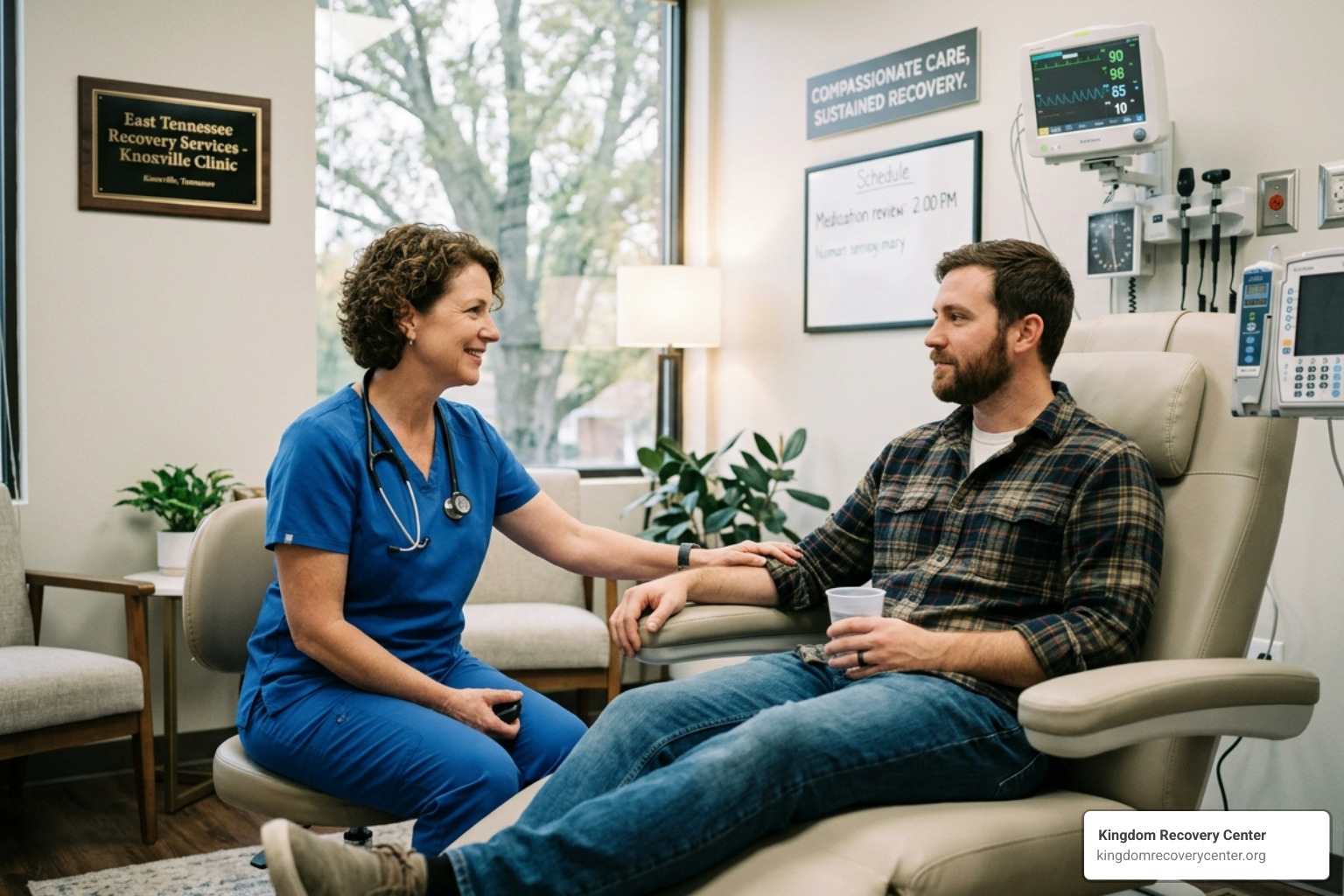
Top Inpatient Drug Rehab in Tennessee Covered by Insurance connects individuals struggling with addiction to high-quality treatment centers that accept major insurance plans, making recovery accessible and affordable. If you’re searching for care right now, here are the key factors that define top-rated facilities:
Quick Answer: What Makes a Top Tennessee Inpatient Rehab?
- Insurance Accepted: Most major providers including Blue Cross Blue Shield, Aetna, UnitedHealthcare, TennCare (Medicaid), and Medicare
- Accreditation: Joint Commission (JCAHO), CARF International, or state licensure
- Evidence-Based Treatment: Individual/group therapy, CBT, DBT, Medication-Assisted Treatment (MAT)
- Dual Diagnosis Care: Integrated treatment for co-occurring mental health conditions
- High Client Ratings: 4+ stars from previous patients
- Locations: Nashville, Knoxville, Chattanooga, and throughout Middle and East Tennessee
The path to recovery can feel overwhelming, especially when financial concerns create additional stress. The good news? Thanks to the Affordable Care Act and the Mental Health Parity Act, insurance coverage for addiction treatment is now a guaranteed benefit, not a luxury. In Tennessee, where over 30,000 overdoses occurred in 2022 alone, accessible treatment has never been more critical.
Finding the right facility means understanding your coverage, knowing what quality care looks like, and identifying centers that combine compassionate support with proven treatment methods. Whether you’re seeking help for yourself or a loved one, Tennessee offers numerous accredited inpatient programs designed to guide you from crisis to lasting recovery.
At Kingdom Recovery Center in Morristown, TN, we specialize in providing Top Inpatient Drug Rehab in Tennessee Covered by Insurance, combining evidence-based addiction treatment with dual diagnosis mental health care in a supportive, holistic environment. Our experienced team works with most major insurance providers to make recovery accessible when you need it most.
The Reality of Substance Use in Tennessee: When to Seek Help
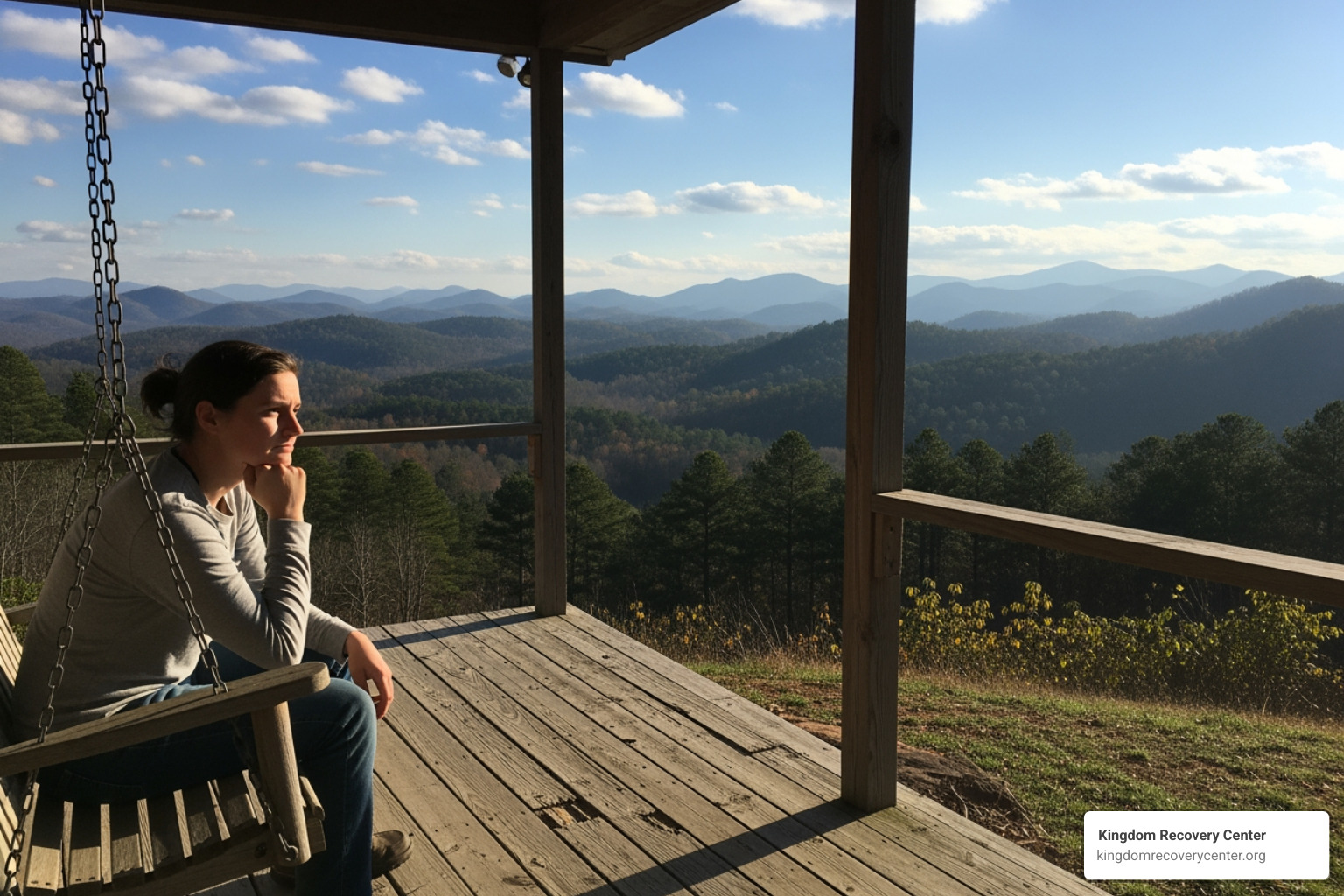
The Volunteer State, with its beautiful landscapes and vibrant communities, is unfortunately not immune to the challenges of substance abuse. In 2022, Tennessee saw a staggering 30,037 overdoses, highlighting the urgent need for effective treatment. Our state reported 3,826 drug overdose deaths, 6,473 non-fatal inpatient hospital stays, and 19,738 outpatient hospital visits due to overdoses. This underscores the profound impact addiction has on individuals, families, and our healthcare system.
The opioid crisis continues to be a significant concern, with 10,080 patients receiving treatment for opioid use disorder in 2022. Alcohol use disorder also affects many, with 6,966 individuals in rehab for alcohol addiction, and marijuana addiction treatment saw 7,328 patients. The economic toll is immense, with substance abuse costing Tennessee over $2 billion annually, largely due to lost income. This stark reality emphasizes why finding a Top Inpatient Drug Rehab in Tennessee Covered by Insurance is not just beneficial, but often life-saving.
Recognizing the Signs You Need Inpatient Care
It can be difficult to admit when a problem has become too big to handle alone. However, recognizing the signs that you or a loved one might need inpatient care is the crucial first step toward recovery. These signs often indicate a severe substance use disorder that requires a structured, immersive environment to overcome. Look for:
- Loss of control: Inability to limit substance use, despite intentions to do so.
- Neglecting responsibilities: Failing to meet obligations at work, school, or home due to substance use.
- Failed attempts to quit: Repeated unsuccessful efforts to stop or reduce substance use.
- Increased tolerance: Needing more of the substance to achieve the desired effect.
- Withdrawal symptoms: Experiencing physical or psychological distress when not using the substance.
- Continued use despite negative consequences: Persisting in substance use even when it causes problems in relationships, health, or finances.
If these resonate with you, it’s time to explore professional help. Our guide on Signs of Drug Addiction offers more detailed insights.
Common Conditions Treated in Tennessee Rehabs
At Kingdom Recovery Center and other top inpatient facilities in Tennessee, we treat a wide range of substance use disorders (SUDs) and co-occurring mental health conditions. Our comprehensive approach ensures that all aspects of a person’s well-being are addressed, leading to more sustainable recovery.
Common SUDs we treat include:
- Alcohol Use Disorder: One of the most prevalent addictions in the U.S.
- Opioid Addiction: Including prescription painkillers and illicit opioids.
- Fentanyl Addiction: A particularly dangerous and potent opioid requiring specialized care.
- Methamphetamine Addiction: A highly addictive stimulant with severe health consequences.
- Benzodiazepine Addiction: Often requiring medically supervised detox due to severe withdrawal symptoms.
- Other addictions to substances like cocaine, heroin, and prescription drugs.
You can learn more about the specific addictions we treat on our What We Treat: Addictions page.
Beyond substance use, recognize the strong link between addiction and mental health. A significant portion of individuals struggling with SUDs also experience co-occurring mental health disorders, often referred to as a Dual Diagnosis. In fact, research indicates that approximately 50% of people with substance use disorders have dual diagnoses. These common mental health conditions include:
- Anxiety Disorders: Including generalized anxiety, panic disorder, and social anxiety.
- Depression: Ranging from mild to severe depressive episodes.
- PTSD (Post-Traumatic Stress Disorder): Often a root cause or exacerbating factor for substance use.
Integrated treatment for these co-occurring conditions is essential for lasting recovery. At Kingdom Recovery Center, our expertise in What We Treat: Dual Diagnosis ensures that both conditions are treated simultaneously, preventing one from triggering a relapse in the other.
Navigating Costs & Insurance for Tennessee Rehab
The cost of inpatient drug rehab in Tennessee can be a significant concern for many. While the average cost for a person seeking substance abuse treatment in Tennessee is projected at $56,600, this figure is an average and can vary widely. Several factors influence the overall cost:
- Program Length: Shorter programs (e.g., 30 days) are generally less expensive than longer ones (e.g., 60 or 90 days).
- Location: Facilities in urban areas or with more secluded, expansive campuses might have higher costs.
- Amenities: Luxury rehabs offering private rooms, gourmet meals, and extensive holistic therapies will naturally be more expensive than standard facilities.
- Level of Care: Medical detox, which often precedes inpatient rehab, adds to the overall cost, as does specialized treatment for complex co-occurring disorders.
How Insurance Makes Treatment Affordable
Fortunately, navigating the cost of rehab has become much more manageable thanks to federal mandates. The Affordable Care Act (ACA) requires all long-term health insurance plans to cover 10 essential health benefits, which explicitly include mental health and substance use disorder treatment.
Furthermore, the Mental Health Parity and Addiction Equity Act (MHPAEA) dictates that insurance plans must cover mental health and substance abuse treatment at the same level as medical and surgical benefits. This means your insurance company can’t impose higher deductibles, copays, coinsurance, or stricter out-of-pocket maximums for addiction treatment than for other medical conditions.
While these acts ensure coverage, understanding your specific policy’s details—such as your deductible (the amount you pay before insurance starts covering costs), copay (a fixed amount you pay for a service), coinsurance (a percentage of the cost you pay), and out-of-pocket maximum (the most you’ll pay in a year)—is crucial. These will determine your personal financial responsibility.
Types of Insurance Plans That Cover Rehab
Most major insurance plans are likely to cover at least a portion of inpatient drug rehab in Tennessee. These commonly include:
- Private Insurance Plans: Such as PPOs (Preferred Provider Organizations) and HMOs (Health Maintenance Organizations) from companies like Blue Cross Blue Shield, Aetna, Cigna, and UnitedHealthcare.
- Marketplace Plans: Health insurance plans purchased through the federal or state exchanges, which are ACA-compliant.
- Employer-Sponsored Plans: Health insurance provided by your employer.
- TennCare (Tennessee Medicaid): Tennessee’s Medicaid program provides coverage for eligible low-income individuals and families, including substance abuse treatment.
- Medicare: Federal health insurance for individuals aged 65 or older, and certain younger people with disabilities, which also covers addiction treatment.
At Kingdom Recovery Center, we work with many of these insurance providers to ensure our life-changing treatment is accessible.
The Process for Using Insurance for Rehab
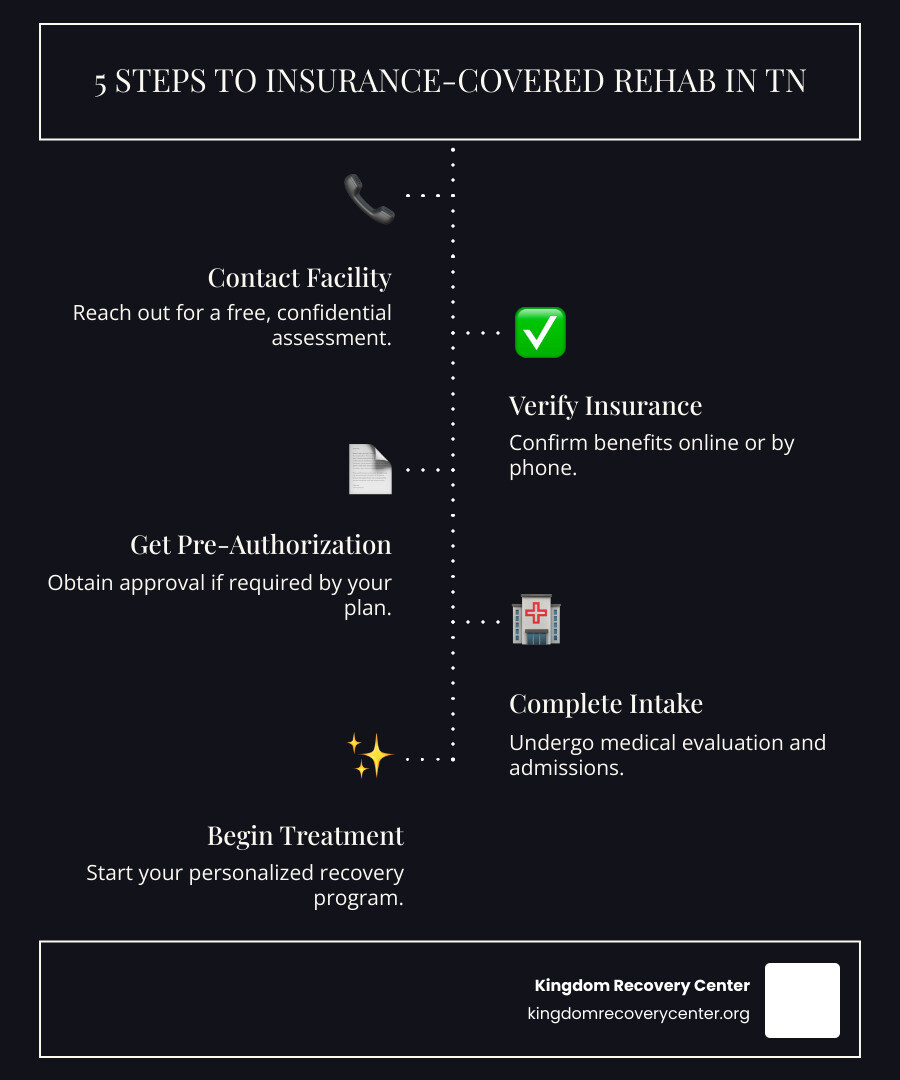
Using your insurance to pay for inpatient drug rehab in Tennessee typically involves a few key steps:
- Pre-authorization: Many insurance plans require pre-authorization or pre-certification before admission to an inpatient program. This involves the rehab center submitting information to your insurer to demonstrate medical necessity for the recommended level of care.
- Medical Necessity: Your insurance company will review your clinical assessment to determine if inpatient treatment is medically necessary for your condition. This assessment typically evaluates the severity of your addiction, any co-occurring mental health issues, and your risk of withdrawal complications.
- In-network vs. Out-of-network: Choosing an in-network provider, like Kingdom Recovery Center, generally results in lower out-of-pocket costs because the facility has a contract with your insurance company. Out-of-network providers may still be covered, but at a higher cost to you.
We understand this process can seem daunting, which is why our dedicated team is here to help. For a more detailed guide, visit our page on Using Insurance to Cover the Costs of Rehab.
What to Expect from a Top Inpatient Drug Rehab in Tennessee Covered by Insurance
When seeking a Top Inpatient Drug Rehab in Tennessee Covered by Insurance, you should expect a comprehensive and supportive environment designed for healing and lasting recovery. These facilities go beyond merely stopping substance use; they aim to equip individuals with the tools and insights needed for a fulfilling, sober life.

Levels of Care in an Inpatient Setting
Inpatient rehab encompasses several levels of care, custom to individual needs:
- Medical Detoxification: This is often the first step for individuals with physical dependence. During medical detox, you receive 24/7 medical supervision to safely manage withdrawal symptoms. Our medically assisted detox programs prioritize your safety and comfort, ensuring a smooth transition into the next phase of treatment. Learn more about Medically Assisted Detox: Ensuring a Smooth Transition.
- Residential Treatment: Following detox, residential treatment provides a structured, immersive environment where you live at the facility. This level of care offers 24/7 support, a safe space away from triggers, and a strong sense of peer community. It’s an ideal setting for focusing entirely on recovery without the distractions of daily life. To understand if inpatient or outpatient is right for you, explore Outpatient vs. Inpatient Rehab: Which is Best for You?.
Evidence-Based Treatment Services
Top inpatient rehabs in Tennessee, like Kingdom Recovery Center, prioritize evidence-based treatment services—therapies and interventions proven effective through scientific research. These form the backbone of a successful recovery program:
- Individual Therapy: One-on-one sessions with a therapist to explore personal issues, trauma, and underlying causes of addiction.
- Group Therapy: Facilitated sessions where individuals share experiences, gain support, and learn from peers in a safe, confidential setting.
- Family Therapy: Involving family members in the healing process to address relational dynamics and build a supportive home environment.
- Cognitive Behavioral Therapy (CBT): Helps individuals identify and change negative thought patterns and behaviors contributing to substance use.
- Dialectical Behavior Therapy (DBT): Focuses on emotional regulation, distress tolerance, interpersonal effectiveness, and mindfulness, particularly beneficial for those with co-occurring mental health conditions.
- Explore our various Therapies for more information.
- Medication-Assisted Treatment (MAT): Combines FDA-approved medications with counseling and behavioral therapies. MAT is highly effective for opioid and alcohol use disorders, reducing cravings and withdrawal symptoms. SAMHSA provides valuable information on MAT.
- Dual Diagnosis Treatment: Integrated care for co-occurring mental health and substance use disorders, ensuring both conditions are addressed simultaneously for comprehensive healing.
These approaches align with the principles of effective treatment established by the National Institute on Drug Abuse (NIDA), emphasizing individualized care and addressing the multi-faceted nature of addiction.
Amenities and a Healing Environment
Beyond clinical excellence, the environment of an inpatient rehab plays a significant role in fostering recovery. Top centers in Tennessee offer amenities designed to promote comfort, relaxation, and overall well-being:
- Comfortable Accommodations: Often semi-private or private rooms that feel more like a home than a hospital.
- Nutritious Meals: Chef-prepared, wholesome meals that support physical recovery and teach healthy eating habits.
- Fitness Facilities: Access to gyms, yoga studios, or outdoor spaces for physical activity, which is crucial for mental and physical health.
- Holistic Therapies: Including yoga, meditation, art therapy, music therapy, and mindfulness practices to support emotional and spiritual healing.
- Nature Access: Many Tennessee facilities leverage our state’s natural beauty, offering access to serene outdoor spaces for reflection and healing.
At Kingdom Recovery Center, we believe that a peaceful and supportive environment complements our clinical work. Our approach to Holistic Therapies for Addiction Treatment integrates mind, body, and spirit into the recovery journey.
How to Choose the Best Tennessee Inpatient Rehab for You
Choosing the right inpatient drug rehab is a deeply personal decision. It’s about finding a place that aligns with your needs, values, and insurance coverage. Here’s how to make an informed choice for a Top Inpatient Drug Rehab in Tennessee Covered by Insurance.
The Importance of Accreditation and Licensing
Accreditation is a critical indicator of quality and safety in addiction treatment. It signifies that a facility adheres to rigorous national standards for patient care, ethical practices, and facility operations. When evaluating options, always look for:
- Joint Commission (JCAHO) Accreditation: This is a nationally recognized symbol of quality and commitment to safe and effective care.
- CARF International Accreditation: Another esteemed accreditation body that reviews and certifies human services programs, including addiction treatment.
- State Licensure: Ensure the facility is properly licensed by the Tennessee Department of Mental Health and Substance Abuse Services. This confirms they meet state-specific operational and clinical standards.
Accreditation means that independent organizations have thoroughly vetted the rehab, giving you peace of mind that you or your loved one will receive high-quality care.
Steps to Finding a Top Inpatient Drug Rehab in Tennessee Covered by Insurance
Finding the perfect fit requires a bit of detective work, but it’s worth every effort:
- Assess Your Needs: What type of substance are you struggling with? Do you have co-occurring mental health conditions? What level of support do you need? This self-assessment will narrow down your options.
- Research Facilities: Look for centers that specialize in the types of addiction and mental health challenges you face. Consider their treatment philosophies and approaches.
- Read Reviews and Client Testimonials: While not the sole determinant, client feedback can offer valuable insights into the patient experience, staff compassion, and overall effectiveness. Many top centers in Tennessee boast high client ratings, reflecting their commitment to quality care.
- Ask About Staff Qualifications: Inquire about the credentials and experience of the medical and clinical team, including doctors, therapists, and support staff.
- Consider Location: While some prefer to travel away for treatment, others find comfort in staying closer to home, especially when family involvement is a key component of therapy. Kingdom Recovery Center serves individuals across East Tennessee, including Knoxville, Morristown, Johnson City, and Hamblen County.
Our guide, What to Assess When Choosing the Right Recovery Center, provides a comprehensive checklist to help you make this vital decision.
How to Verify Your Insurance Coverage
One of the most common problems to seeking treatment is uncertainty about insurance coverage. We make this process as straightforward as possible:
- Call Your Insurance Provider: Contact the customer service number on your insurance card. Ask specific questions about your benefits for inpatient substance abuse treatment, including deductibles, copays, coinsurance, and any pre-authorization requirements.
- Contact the Rehab’s Admissions Team: Our admissions specialists at Kingdom Recovery Center are experts at navigating insurance. We can directly contact your insurance provider on your behalf, verify your benefits, and explain your coverage in clear terms.
- Use an Online Verification Form: Many facilities, including ours, offer a secure online form where you can submit your insurance details for a quick and confidential benefits check. This is often the fastest way to get an estimate of your coverage. You can verify your insurance now through our website.
Don’t let financial concerns delay your journey to recovery. We are here to help you understand your options and maximize your insurance benefits.
Frequently Asked Questions about Tennessee Inpatient Rehab
It’s natural to have many questions when considering inpatient rehab. Here are some of the most common inquiries we receive:
How long is a typical inpatient rehab program in Tennessee?
The length of an inpatient rehab program can vary significantly, typically ranging from 30, 60, to 90 days or even longer. There isn’t a one-size-fits-all answer because the ideal duration is determined by individual needs, the severity of the addiction, the presence of co-occurring mental health conditions, and how an individual progresses through treatment. Clinical professionals will assess your situation and recommend the most appropriate level and length of care. Effective treatment is not about a fixed duration, but about achieving stability and equipping you with sustainable recovery tools. For insights into how long detox might take, which often precedes inpatient care, you can refer to How Long Does Detox Take? Insights on Substance Timelines.
Can I lose my job for going to rehab?
Concerns about employment are valid, but federal laws provide important protections. The Family and Medical Leave Act (FMLA) allows eligible employees to take up to 12 weeks of unpaid, job-protected leave for medical reasons, including substance abuse treatment, without fear of losing their job. The Americans with Disabilities Act (ADA) also protects individuals with substance use disorders who are actively seeking treatment, treating addiction as a disability. While these laws offer significant safeguards, it’s always advisable to understand your company’s specific policies and discuss your situation with HR confidentially, if you feel comfortable doing so. Your privacy is paramount, and confidentiality is a key aspect of these protections.
What happens after inpatient treatment?
Completing an inpatient program is a huge accomplishment, but it’s just the beginning of a lifelong journey. A Top Inpatient Drug Rehab in Tennessee Covered by Insurance will prioritize robust aftercare planning. This involves developing a personalized roadmap for continued support and growth, which may include:
- Step-down Care: Transitioning to less intensive levels of care, such as Intensive Outpatient Programs (IOP) or Partial Hospitalization Programs (PHP), where you attend therapy during the day but return home at night.
- Sober Living Homes: Structured living environments that provide a safe, drug-free space and support system as you reintegrate into daily life.
- Alumni Programs: Many rehab centers offer alumni networks that provide ongoing connection, support, and resources from peers who have completed treatment.
- Ongoing Therapy and Support Groups: Continuing individual therapy, attending group sessions, and participating in 12-step programs (like AA or NA) or alternative support groups are crucial for maintaining sobriety.
Effective aftercare significantly improves the chances of long-term recovery. Learn more about planning for life after treatment on our page, Insights on Life After Rehab: Ensuring Long Lasting Sobriety.
Take the First Step Towards Lasting Recovery
Finding a Top Inpatient Drug Rehab in Tennessee Covered by Insurance is more accessible than ever, and it represents a profound step towards reclaiming your life. We’ve explored the critical need for treatment in Tennessee, the financial support available through insurance, the comprehensive care you can expect, and how to choose the best facility for your unique journey.
At Kingdom Recovery Center, we are dedicated to providing client-centered, evidence-based addiction, mental health, and behavioral health treatment right here in East Tennessee, including Knoxville, Morristown, Johnson City, and Hamblen County. Our expertise in individualized care and dual diagnosis programs empowers lasting change, helping you heal mind, body, and spirit.
Recovery is not just possible; it’s within reach. Don’t let fear or uncertainty hold you back from the healing you deserve. Your story of healing is waiting to be written.
Start your journey at a top inpatient drug rehab in Tennessee today. Contact us for a confidential assessment, and let us help you steer the path to a healthier, happier future.