
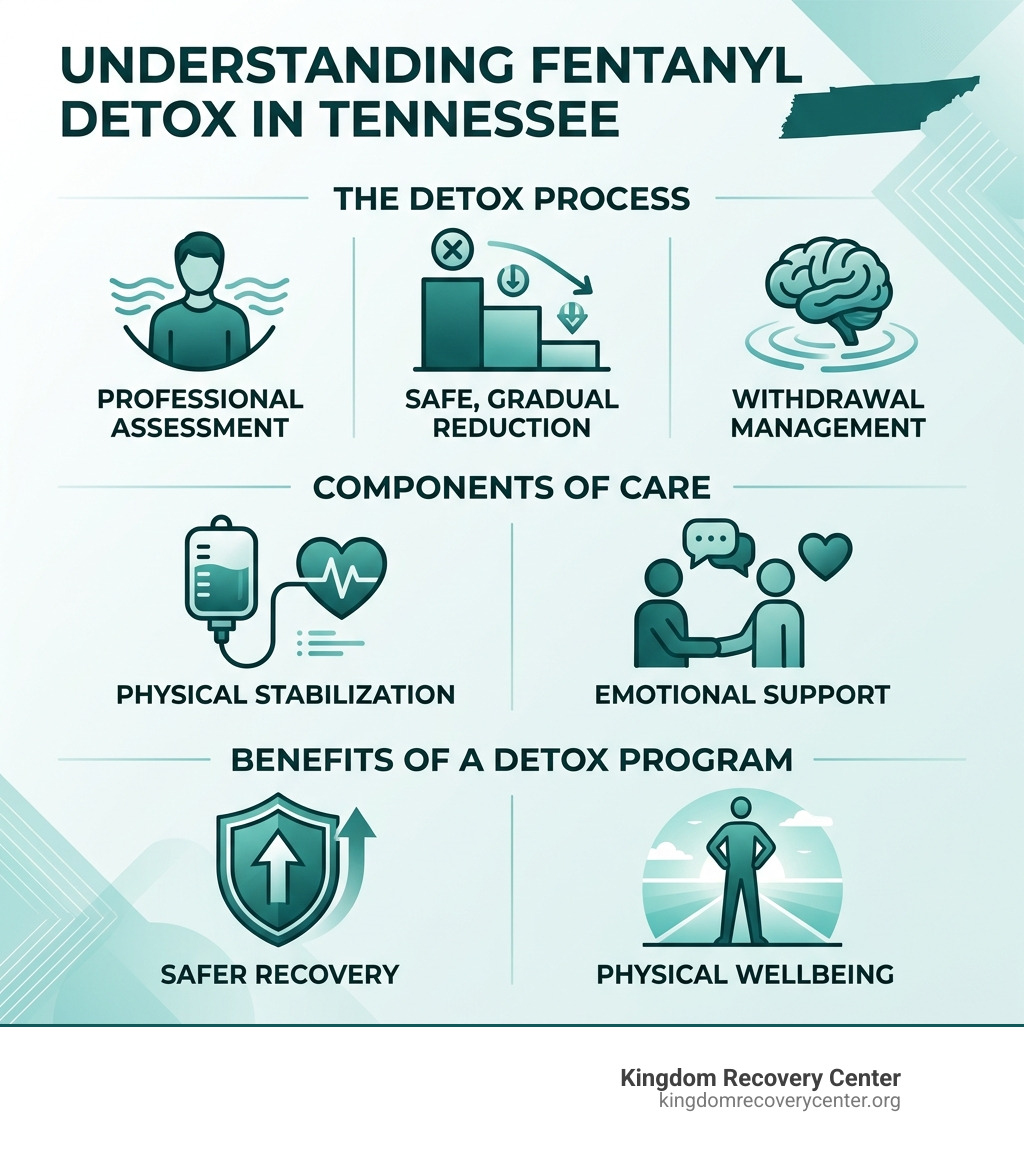
Why Fentanyl Detox in Tennessee Requires Professional Medical Support
Fentanyl detox Tennessee services provide medically supervised withdrawal management for individuals dependent on one of the nation’s most dangerous synthetic opioids. If you’re exploring detox options in Tennessee, here’s what you need to know:
Key Fentanyl Detox Options in Tennessee:
- Medically Supervised Inpatient Detox – 24/7 medical monitoring with medication-assisted treatment (7-10 days typical)
- Outpatient Detox Programs – Flexible scheduling for mild to moderate dependence
- Luxury Residential Detox Centers – Improved comfort with clinical care
- Medication-Assisted Treatment (MAT) – FDA-approved medications like buprenorphine and methadone to ease withdrawal
- Insurance Coverage – Most private insurance, Medicare, and Medicaid plans cover fentanyl detox in Tennessee
Critical Facts:
- Fentanyl is 50-100 times more potent than morphine
- Tennessee saw a 1,518% surge in fentanyl-related deaths from 2015 to 2021
- 80% of drug overdose deaths in Tennessee involve opioids
- Attempting to detox without medical supervision can be dangerous and often leads to relapse
The fentanyl crisis has devastated communities across Tennessee. In 2021 alone, opioid overdoses accounted for 3,038 deaths in the state, with fentanyl playing a role in over half of all fatal overdoses. This synthetic opioid’s extreme potency—up to 100 times stronger than morphine—makes withdrawal particularly challenging and potentially life-threatening without proper medical care.
Professional detox isn’t just about managing physical symptoms. It’s about creating a foundation for lasting recovery through evidence-based treatment, psychological support, and careful medical monitoring. Without this comprehensive approach, many people return to using simply to avoid the intense discomfort of withdrawal, perpetuating a dangerous cycle.
At Kingdom Recovery Center in Morristown, Tennessee, we specialize in compassionate, evidence-based fentanyl detox Tennessee services that prioritize both your immediate safety and long-term recovery goals. Our experienced team has helped countless individuals safely steer the detox process and transition into comprehensive addiction treatment programs.
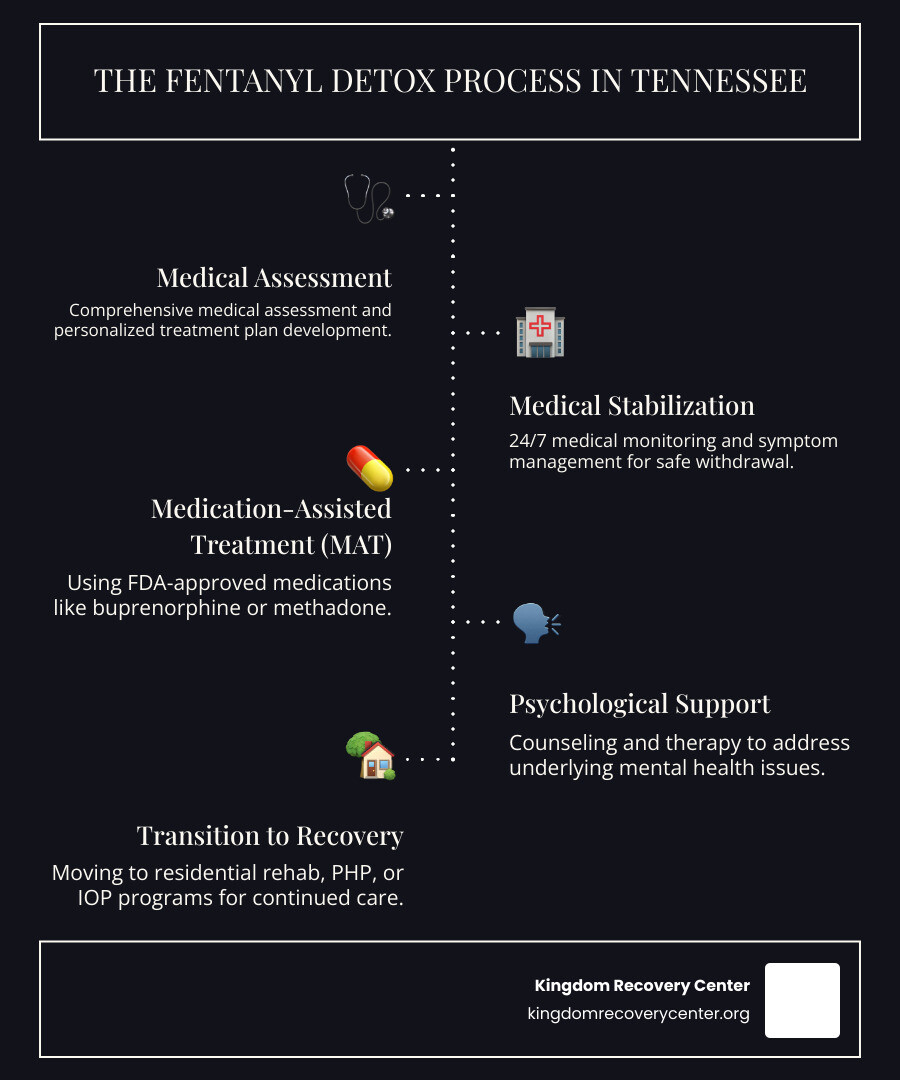
Understanding the Fentanyl Crisis in Tennessee
The fentanyl crisis is a stark reality across our nation, and Tennessee is no exception. This powerful synthetic opioid has changed the landscape of addiction and overdose, posing a significant public health challenge that demands urgent attention and effective intervention.
Fentanyl, originally developed in the late 1950s as an anesthetic and pain treatment, is a highly potent substance. It is 50 to 100 times more powerful than other opioids like morphine, making it incredibly dangerous, especially when encountered illicitly. This extreme potency means that even a tiny amount—as little as 2 mg, equivalent to a few grains of salt—can be lethal. The unpredictability of illegally produced fentanyl, often mixed with other substances and pressed into counterfeit pills, further lifts the risk of overdose.
When fentanyl is consumed, it binds to the brain’s opioid receptors, triggering a surge of dopamine that creates intense euphoria and pain relief. With repeated use, the brain adapts, leading to tolerance and physical dependence. This is the core of fentanyl addiction, where the body begins to rely on the drug to function normally. When use stops, severe withdrawal symptoms occur.
The statistics in Tennessee paint a grim picture of this crisis. According to state data, opioid overdoses accounted for 80% of all drug overdose deaths in Tennessee in 2021, totaling 3,038 fatalities. Even more alarming, fentanyl-related deaths in our state surged by a staggering 1,518% from 2015 to 2021. This rapid increase underscores why Forbes highlighted fentanyl as the nation’s most significant public health crisis in 2022.
Recognizing the signs of fentanyl addiction is crucial for individuals and their loved ones. These can include taking higher doses than prescribed, frequently seeking refills, neglecting responsibilities, experiencing intense cravings, and engaging in risky behaviors to obtain the drug. The extreme dangers associated with fentanyl, including its lethal dosage and role in over half of all fatal overdoses, highlight the urgent need for professional intervention.
At Kingdom Recovery Center, we understand the complexities of opioid addiction and the unique challenges presented by fentanyl. Our mission is to provide a safe, supportive, and effective path to recovery for individuals and families in East Tennessee, including Morristown, Knoxville, Johnson City, and Hamblen County, who are battling this devastating crisis.
The Critical Need for Professional Fentanyl Detox in Tennessee
Given fentanyl’s extreme potency and the severity of its withdrawal symptoms, attempting to quit “cold turkey” is not only incredibly difficult but also highly dangerous. This is why professional, medically supervised fentanyl detox Tennessee is not just recommended, but essential for safety and successful recovery.
When someone tries to stop using fentanyl without medical oversight, they face a torrent of severe physical and psychological withdrawal symptoms. These symptoms can be so intense that they lead to complications such as severe dehydration from vomiting and diarrhea, electrolyte imbalances, and even heart problems, which can be life-threatening. Beyond the immediate physical risks, the overwhelming discomfort and intense cravings significantly increase the likelihood of relapse. Tragically, a relapse after a period of abstinence can be even more dangerous, as a reduced tolerance to opioids can lead to a fatal overdose if the individual consumes their previous dosage.
The science behind medically assisted detox practices is clear: professional intervention provides a safe and controlled environment where healthcare professionals can monitor vital signs 24/7, manage withdrawal symptoms with appropriate medications, and prevent potential complications. This structured approach is designed to stabilize the individual both physically and psychologically, making the detox process as comfortable and safe as possible. Our compassionate team understands that while detoxing from fentanyl can be an intimidating step, professional oversight ensures safety and comfort, paving the way for lasting recovery.
For anyone considering treatment, understanding the vital aspects of selecting drug and alcohol detox in Tennessee is paramount. It involves looking for facilities with experienced medical staff, evidence-based care, and a commitment to personalized treatment plans.
What to Expect During Fentanyl Detox in Tennessee
When you or a loved one enters a medically supervised fentanyl detox Tennessee program at Kingdom Recovery Center, you can expect a comprehensive and supportive process designed for your safety and comfort.
The journey begins with a thorough, individualized assessment. Our medical team will conduct a detailed evaluation of your physical and mental health, your history of fentanyl use, and any co-occurring conditions. This initial assessment allows us to develop a personalized treatment plan custom to your unique needs. A physician consultation is a critical part of this process, ensuring that all medical factors are considered and addressed.
Throughout the detox process, you will receive 24/7 medical supervision. This constant monitoring allows our team to respond immediately to any withdrawal symptoms or complications that may arise. Medication administration plays a key role in managing discomfort and cravings, helping to ease the intensity of withdrawal. Our goal is to ensure your physical and psychological stabilization, providing a foundation for the next steps in your recovery journey.
For a deeper dive into what to expect, we encourage you to explore our guide on what to expect in a drug and alcohol detox program for everyone. We believe that entering fentanyl withdrawal treatment with a clear plan can make the process less daunting and more manageable.
Accessing Fentanyl Detox in Tennessee and Insurance Coverage
Accessing fentanyl detox Tennessee services shouldn’t be a financial barrier to recovery. We understand that concerns about cost and insurance coverage are common, and we are here to help steer these complexities.
The good news is that most private health insurance plans, as well as Medicare and Medicaid, typically cover fentanyl detox in Tennessee. This is because addiction treatment, including detox, is recognized as a medical necessity for treating opioid use disorder. However, the extent of coverage can vary significantly depending on your specific insurance provider and plan details. Factors like deductibles, co-pays, and out-of-pocket maximums will influence your final costs.
At Kingdom Recovery Center, we make it easy to understand your benefits. We offer a free, confidential insurance verification process. Our admissions team can help you steer your policy, clarify what services are covered, and explain any potential out-of-pocket expenses. We also have detailed information on using insurance to cover the costs of rehab and specific pages like does Ambetter cover addiction and mental health? to assist you. Our goal is to ensure you can access the care you need without unnecessary financial stress. For more general information on coverage for addiction treatment, please refer to our resources.
For those without insurance, or for services not fully covered, there are often private pay options and financial assistance programs available. While costs can vary (e.g., a 7-day inpatient detox might range from $4,000 to over $10,000 without insurance, and outpatient detox from $1,000 to $3,500), we work with individuals to explore all possible solutions.
The admissions process at Kingdom Recovery Center is designed to be as smooth and supportive as possible. It typically involves:
- Initial Evaluation: A confidential conversation to understand your needs and answer initial questions.
- Personalized Treatment Plan: Based on our medical assessment, we’ll outline a detox plan custom for you.
- Medical Clearance & Physician Consultation: Ensuring you are medically stable for detox and addressing any health concerns.
- Admission Paperwork & Orientation: Completing necessary forms and familiarizing you with our facility.
- Continuous Monitoring: Beginning your detox journey with constant medical oversight.
This structured approach, part of our medically assisted detox: ensuring a smooth transition philosophy, ensures that you are supported every step of the way, from your first call to the completion of detox. We believe that proper preparation can ease the transition into care and set the tone for successful recovery.
Withdrawal Symptoms and the Detox Timeline
Detoxing from fentanyl initiates a complex series of physiological and psychological changes as the body rids itself of the drug. Understanding these withdrawal symptoms and the typical timeline can help manage expectations and reinforce the need for professional care.
Fentanyl withdrawal symptoms are often severe and mirror those of other opioid withdrawals, but can be intensified by fentanyl’s potency. These symptoms are associated with acute opioid withdrawal and result from the effects of fentanyl on opioid receptors in the brain. Common symptoms include:
- Physical Symptoms:
- Muscle aches and bone pain
- Nausea, vomiting, and diarrhea
- Excessive sweating, chills, and goosebumps
- Runny nose and watery eyes
- Increased heart rate and blood pressure
- Restlessness and insomnia
- Abdominal cramping
- Psychological Symptoms:
- Intense cravings for fentanyl or other opioids
- Anxiety and agitation
- Depression and mood swings
- Irritability
- Difficulty concentrating
For a comprehensive overview of these symptoms and how they are managed, refer to our resources on understanding drug and alcohol detox: withdrawal symptoms explained.
The typical fentanyl withdrawal timeline generally follows these phases:
- Early Withdrawal (First 8-24 Hours): Symptoms usually begin within 8 to 24 hours after the last dose. This phase is characterized by milder symptoms like anxiety, restlessness, muscle aches, insomnia, and sweating.
- Peak Symptoms (Days 1-3 or 36-72 Hours): This is often the most uncomfortable phase, with symptoms reaching their highest intensity. Nausea, vomiting, diarrhea, severe body aches, intense cravings, and significant mood disturbances are common. This 72-hour window is critical for medical monitoring and symptom management.
- Easing Physical Symptoms (Days 4-7): Physical symptoms typically begin to subside, though fatigue, sleep disturbances, and persistent psychological symptoms like anxiety, depression, and cravings may continue.
- Resolution of Acute Symptoms (Week 2): Most acute physical symptoms have resolved, but individuals may still experience fatigue, mood swings, and sleep issues as the brain chemistry continues to rebalance.
- Post-Acute Withdrawal Syndrome (PAWS – Weeks to Months): Some individuals may experience lingering psychological symptoms known as Post-Acute Withdrawal Syndrome (PAWS). These can include prolonged anxiety, depression, difficulty concentrating, sleep disturbances, and intermittent cravings. While less intense than acute withdrawal, PAWS can persist for weeks or even months, highlighting the need for ongoing support.
The exact duration and intensity of withdrawal can vary based on factors such as the amount, frequency, and duration of fentanyl use, individual metabolism, overall health, and whether other substances were involved. Our article on how long does detox take? insights on substance timelines provides more detail on these variations. The journey of drug and alcohol detox during withdrawal is a challenging but necessary step towards healing.
Transitioning to Long-Term Recovery and Aftercare
Detoxification is a crucial first step, but it is just the beginning of a lifelong journey of healing. After completing fentanyl detox Tennessee, the next phase of recovery focuses on addressing the underlying causes of addiction and developing strategies for lasting sobriety. This transition to long-term recovery and aftercare is vital to prevent relapse and build a fulfilling, drug-free life.
At Kingdom Recovery Center, we emphasize a seamless transition from detox into comprehensive treatment programs. Studies show that residential treatment is effective in improving outcomes and maintaining lasting recovery. For many, this means entering a residential treatment program where they receive ongoing support to address the root causes of addiction, develop coping mechanisms, and build a foundation for long-term sobriety.
Beyond residential care, various levels of ongoing treatment are available, including:
- Partial Hospitalization Programs (PHP): Offering intensive therapeutic services during the day, allowing individuals to return home in the evenings.
- Intensive Outpatient Programs (IOP): Providing structured therapy and support several times a week, with more flexibility than PHP. Our guide on PHP and IOP programs: a path to recovery and intensive outpatient program explains these options further.
Our article, what to expect after detox: preparing for your recovery path, highlights the importance of this continuum of care. We also offer insights into transitioning from detox: preparing for your recovery path.
A significant aspect of comprehensive recovery is addressing dual diagnosis, where mental health conditions co-occur with substance use disorders. Many individuals struggling with fentanyl addiction also battle anxiety, depression, or trauma. Our integrated approach treats both conditions simultaneously, recognizing that holistic healing is essential for lasting recovery. Learn more about dual diagnosis demystified: finding your path to integrated recovery and co-occurring treatment programs Tennessee.
Relapse prevention strategies are woven into every stage of treatment. This includes individual and group therapy, where clients learn to identify triggers, develop healthy coping skills, and build a strong support network. We believe in empowering individuals with key insights on relapse prevention after treatment.
The importance of rehab programs in Tennessee for lasting recovery cannot be overstated. These programs provide the therapeutic environment and professional guidance needed to heal physically, mentally, and spiritually. We offer various therapies including Cognitive Behavioral Therapy (CBT), which helps individuals identify and change negative thought patterns, and group therapy, which fosters peer support. Our approach also incorporates holistic healing and holistic approaches to addiction recovery in Tennessee explained to nurture the mind, body, and spirit.
At Kingdom Recovery Center, serving East Tennessee, including areas like Morristown, Knoxville, Johnson City, and Hamblen County, we are committed to providing comprehensive drug rehab East Tennessee services. Our aim is to help you or your loved one not just get through detox, but to build a strong foundation for a future beyond addiction.
Frequently Asked Questions about Fentanyl Detox
How long does fentanyl detox typically last?
The duration of fentanyl detox Tennessee varies from person to person, but typically, the acute withdrawal phase lasts between 7 to 10 days. Symptoms usually begin within 8 to 24 hours after the last dose, peak around days 1-3 (or 36-72 hours), and then gradually subside.
However, several factors can influence this timeline, including:
- Severity of Dependence: The length of time fentanyl was used, the typical dosage, and the frequency of use.
- Overall Health: Pre-existing medical conditions can affect how the body processes withdrawal.
- Polysubstance Use: If other drugs were used alongside fentanyl.
- Medication Support: The use of medication-assisted treatment (MAT) can significantly ease symptoms and influence the timeline.
While the acute physical symptoms usually resolve within a week or two, psychological symptoms like anxiety, depression, and cravings can linger for weeks or even months, a phenomenon known as Post-Acute Withdrawal Syndrome (PAWS). Our guide on how long does detox take? insights on substance duration provides more detailed information. Medical stabilization is our priority during this critical period.
What medications are used during fentanyl detox?
Medications play a vital role in making fentanyl detox Tennessee safer and more comfortable. They help manage severe withdrawal symptoms and reduce intense cravings, significantly increasing the chances of successful completion. Common medications used include:
- Buprenorphine (Subutex, Suboxone): A partial opioid agonist that helps ease withdrawal symptoms and cravings without producing the same euphoric effects as fentanyl. It’s often used in a controlled tapering schedule.
- Methadone: A full opioid agonist that helps block cravings and alleviate withdrawal symptoms. It is typically administered in a highly regulated setting.
- Naltrexone: An opioid antagonist that blocks the effects of opioids. It is usually administered after detox is complete to prevent relapse by blocking the euphoric effects of any opioid use.
- Clonidine: A non-opioid medication that helps manage some of the uncomfortable physical symptoms of withdrawal, such as anxiety, muscle aches, sweating, and restlessness.
- Lofexidine: The first non-opioid medication approved by the FDA for the management of opioid withdrawal symptoms, helping to lessen their severity.
The choice of medication and the specific protocol are always determined by a medical professional based on the individual’s needs, health status, and severity of dependence. This is a core component of our medically assisted detox: ensuring a smooth transition approach.
Is fentanyl detox covered by insurance in Tennessee?
Yes, fentanyl detox Tennessee services are typically covered by most health insurance plans, including private insurance, Medicare, and Medicaid. This is due to federal mandates, such as the Affordable Care Act and the Mental Health Parity and Addiction Equity Act, which require most health plans to offer coverage for substance use disorder treatment, including detox, as a medical necessity.
However, the extent of coverage can vary widely depending on your specific policy, provider, and the type of program (inpatient vs. outpatient). You may be responsible for deductibles, co-pays, or a percentage of the costs once your deductible is met.
At Kingdom Recovery Center, we understand that navigating insurance can be confusing. We encourage you to contact us directly for a free and confidential insurance verification. Our knowledgeable admissions team can help you understand your benefits and explain any potential out-of-pocket expenses. We also provide resources on using insurance to cover the costs of rehab to help you plan your treatment journey. Don’t let concerns about cost prevent you from seeking the life-saving care you need.
Conclusion
The journey to overcome fentanyl addiction is challenging, but it is a journey you don’t have to face alone. Fentanyl detox Tennessee programs, particularly those that are medically supervised, provide the essential first step towards reclaiming your life. By offering a safe environment, expert medical care, and compassionate support, we can help individuals steer the intense challenges of withdrawal and build a foundation for lasting recovery.
At Kingdom Recovery Center, we are deeply committed to providing client-centered, evidence-based care for individuals struggling with addiction and co-occurring mental health issues in East Tennessee, including Morristown, Knoxville, Johnson City, and Hamblen County. Our individualized treatment plans, developed by a dedicated team of professionals, are designed to empower lasting change and guide you toward a healthier, substance-free future. We believe that with the right support, lasting sobriety is not just a hope, but an achievable reality.
If you or a loved one is ready to take the courageous step towards healing, we are here to help.