Why Alcohol Recovery in Tennessee Matters More Than Ever
alcohol recovery Tennessee is a critical need for thousands of residents across the state — and if you’re looking for the best programs available right now, here’s a quick answer:
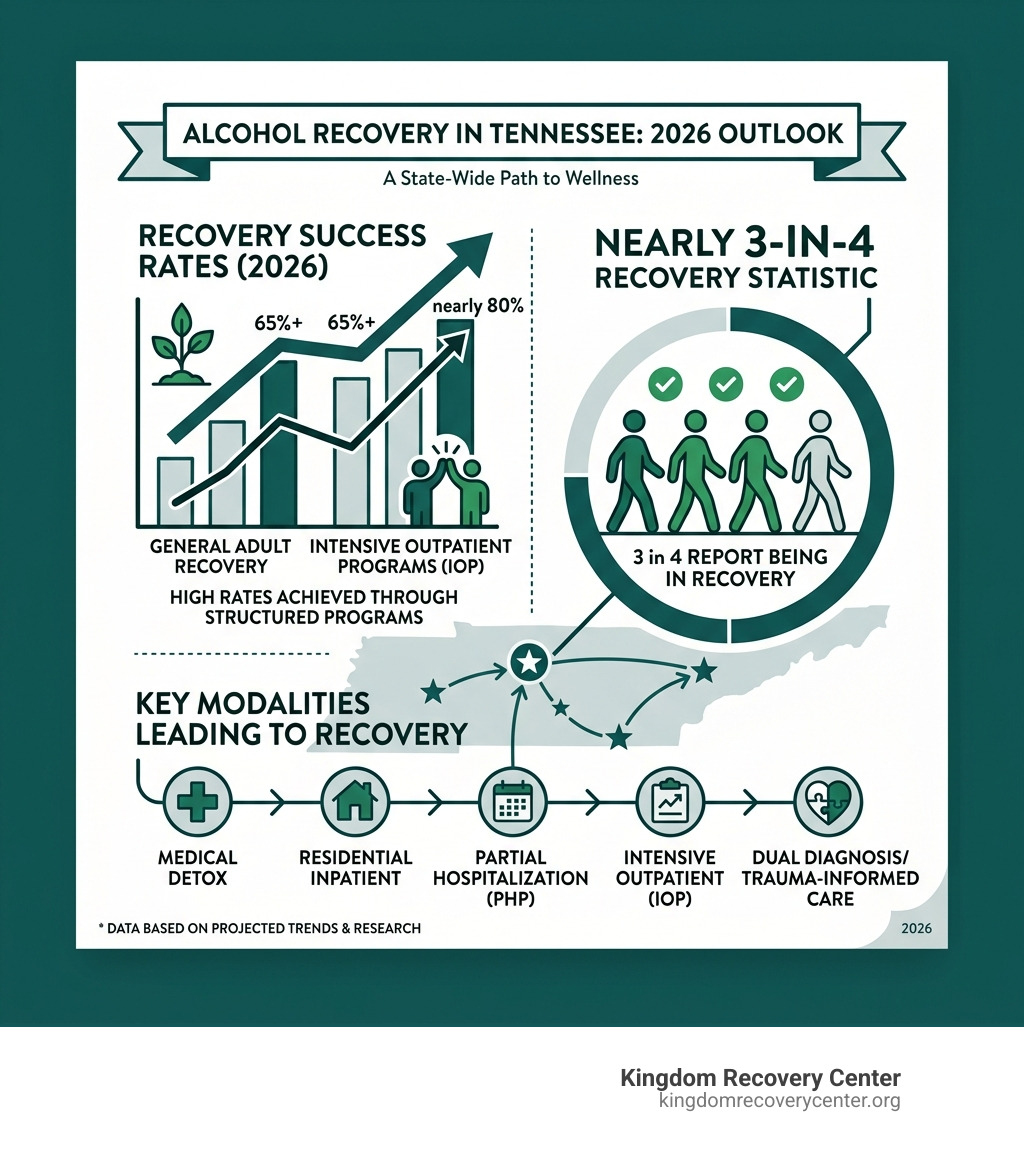
The 5 best modalities for alcohol recovery in Tennessee (2026):
- Medical Detoxification — Safe, supervised withdrawal management
- Residential Inpatient Treatment — 24/7 structured care on serene campuses
- Partial Hospitalization Programs (PHP) — High-intensity day treatment, typically 3-4 weeks
- Intensive Outpatient Programs (IOP) — Flexible care with strong success rates (nearly 8 in 10)
- Dual Diagnosis and Trauma-Informed Care — Treatment for addiction and co-occurring mental health conditions
Alcohol use disorder affects people from every corner of Tennessee — from Nashville to Knoxville, from Chattanooga to small rural communities in the mountains. The good news? Recovery is absolutely possible. Research shows that nearly 3 in 4 adults who have struggled with substance use or mental health issues report being in recovery after treatment.
But finding the right program — one that fits your life, your insurance, and your specific needs — can feel overwhelming when you’re already struggling.
That’s where having a clear, honest guide makes all the difference.
At Kingdom Recovery Center, based in Morristown, TN, we’ve helped countless individuals across East Tennessee rebuild their lives through compassionate, evidence-based addiction recovery and mental health treatment tailored to each person’s unique situation. Our experience with alcohol recovery Tennessee gives us a grounded perspective on what actually works — and we’re here to share it with you.
Discover more about alcohol recovery Tennessee:
- drug treatment in tennessee
- inpatient alcohol rehab Tennessee
- residential dual diagnosis treatment centers near knoxville tn
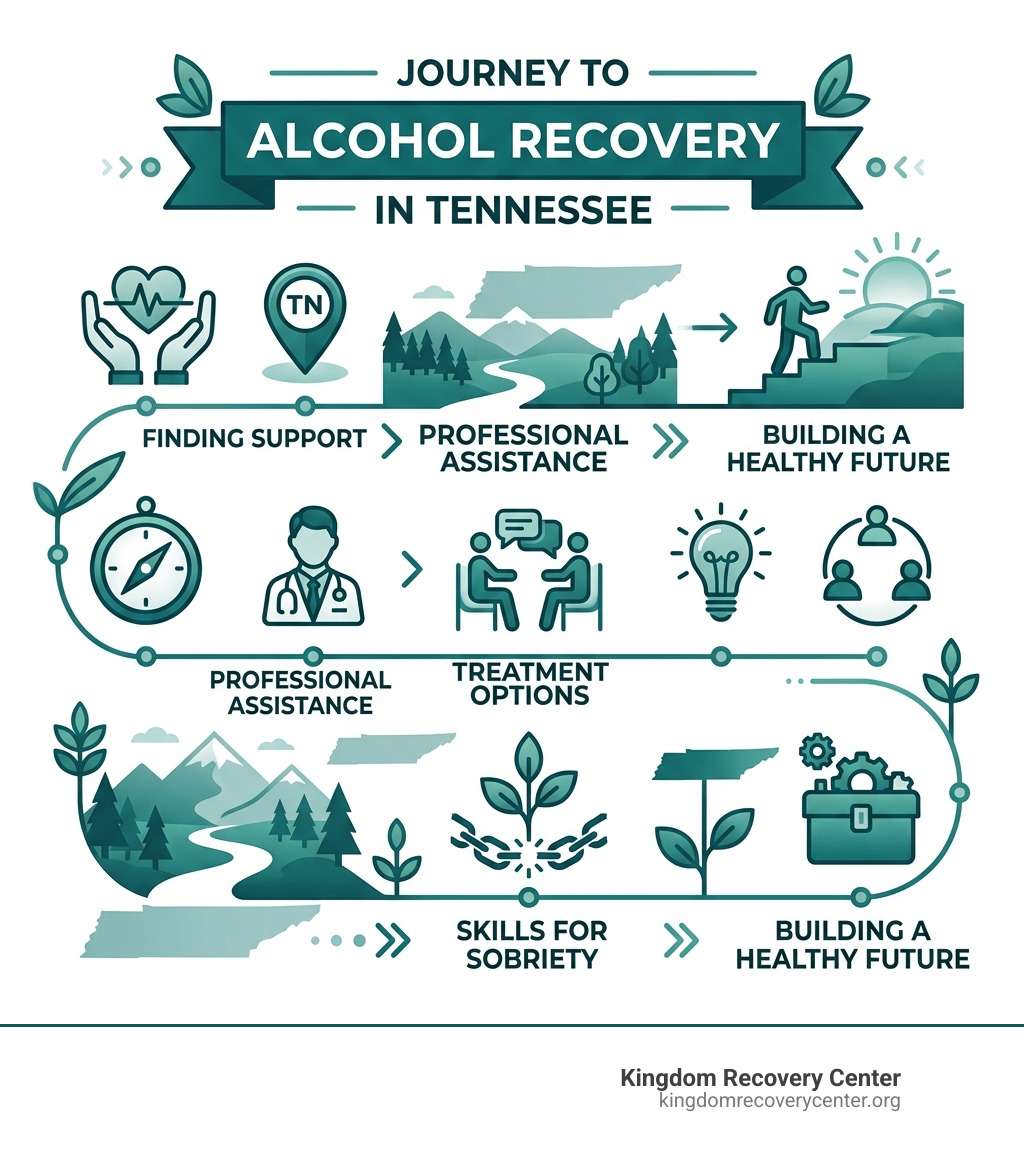
Navigating Alcohol Recovery Tennessee: A Comprehensive Guide
Identifying the need for help is often the hardest hurdle to clear. For many Tennessee residents, alcohol use can sneak up slowly. What starts as a way to unwind after a long shift in Hamblen County or a social weekend in Knoxville can gradually transform into a physical and emotional necessity.
Signs and Symptoms of Alcohol Addiction
Recognizing the signs of alcohol use disorder (AUD) is the first step toward alcohol recovery Tennessee. While every story is unique, common behavioral and physical signs include:
- Physical Dependency: Experiencing “the shakes,” sweating, or nausea when not drinking.
- Behavioral Changes: Neglecting responsibilities at work or home, or losing interest in hobbies that used to bring joy.
- Increased Tolerance: Needing more alcohol to achieve the same effect.
- Failed Attempts to Quit: Wanting to stop or cut back but finding it impossible to do so alone.
- Hiding Consumption: Drinking in secret or lying about how much one has consumed.
In Tennessee, local factors can make these signs harder to spot. In our rural communities, isolation can lead to “closet drinking,” where the lack of close-proximity neighbors makes it easier to hide a growing problem. Furthermore, social norms in some areas might normalize heavy drinking, making it difficult for an individual to realize their consumption has crossed the line into addiction.
The Challenge of Local Factors
Tennessee’s geography is beautiful, but it presents unique challenges for recovery. In East Tennessee, the distance to quality care can be a barrier. Additionally, the stigma surrounding mental health in some Southern communities can prevent people from speaking up. However, as of April 2026, the tide is turning. More residents are realizing that AUD is a medical condition, not a moral failing.
Scientific research consistently shows that alcohol use disorder is often intertwined with mental health. According to SAMHSA, treating the addiction without addressing the underlying mental health triggers is like trying to fix a leaky pipe by only mopping the floor.
If you are noticing these signs in yourself or a loved one, it is vital to understand what happens next. The transition from active use to sobriety involves a physical process that requires professional oversight. You can learn more about this by reading our guide on Understanding Drug And Alcohol Detox Withdrawal Symptoms Explained/.
The 5 Best Modalities for Alcohol Recovery in Tennessee
When searching for alcohol recovery Tennessee, you will find that the “best” program isn’t a one-size-fits-all solution. Instead, the most effective recovery journeys typically involve a combination of specific modalities. High-quality centers in our region, including our own facilities in Morristown and Knoxville, focus on evidence-based care and individualized plans.
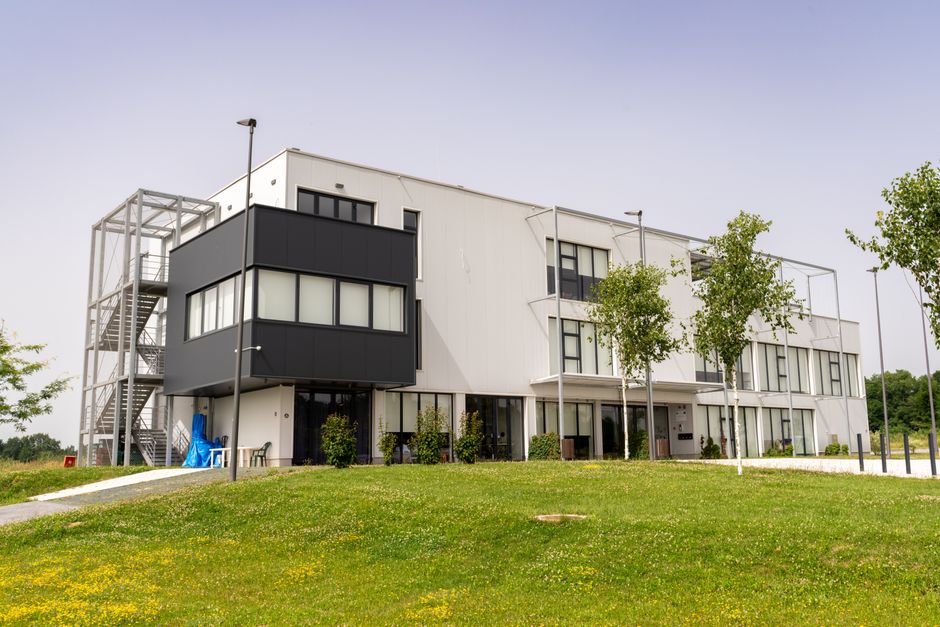
Accreditation is a key indicator of quality. When researching programs, look for the Joint Commission or CARF accreditation. These gold standards ensure that the facility meets rigorous safety and treatment benchmarks. For those in East Tennessee, finding a local partner who understands the community is invaluable. You can explore more about regional options in Your Guide To Alcohol And Drug Rehab In Knoxville Tn/.
Let’s break down the five most effective modalities currently used in Tennessee recovery.
1. Medical Detoxification and Stabilization
The first phase of alcohol recovery Tennessee is often the most daunting: detoxification. This is the process where the body clears itself of alcohol. Because alcohol is a central nervous system depressant, the brain overcompensates when it is suddenly removed, leading to withdrawal symptoms.
The Withdrawal Timeline
Medical supervision is non-negotiable for alcohol detox because withdrawal can be life-threatening. The typical timeline includes:
- 6–12 Hours: Early symptoms like anxiety, tremors, and insomnia begin.
- 12–48 Hours: Symptoms intensify; some may experience hallucinations or increased heart rate.
- 48–72 Hours: This is the peak risk period for seizures and Delirium Tremens (DTs), a severe form of withdrawal that requires immediate medical intervention.
- 3–5 Days: Physical symptoms usually begin to fade, though psychological cravings remain strong.
At a professional detox center, medical teams use FDA-approved medications to stabilize the patient, prevent seizures, and ensure the process is as comfortable as possible. For residents in our area, seeking Alcohol Detox Knoxville provides a safe foundation for the rest of the recovery journey.
2. Residential Inpatient Treatment
Once stabilized, many individuals move into a residential inpatient program. This is often what people visualize when they think of “rehab.” It involves living at a facility for a set period—typically 30, 60, or 90 days.
Why 90 Days?
While shorter stays can be helpful, current data from 2026 supports longer lengths of stay. The brain needs time to heal from the chemical changes caused by chronic alcohol use. A 90-day program allows the “fog” to lift and gives the individual time to practice new coping skills in a safe environment.
Residential care in Tennessee often takes advantage of our state’s natural beauty. Serene campuses in East Tennessee provide a peaceful backdrop for healing, away from the triggers of everyday life. This level of care offers 24/7 support and a highly structured schedule of therapy, group sessions, and wellness activities. To get a better sense of this environment, check out What To Expect In A Drug And Alcohol Detox Program For Everyone/.
3. Partial Hospitalization Programs (PHP)
A Partial Hospitalization Program, or PHP, serves as a vital bridge between residential care and the “real world.” In a PHP, individuals receive high-intensity clinical care during the day (often 5-6 hours a day, 5 days a week) but return home or to a sober living environment in the evening.
The Benefits of PHP
- Structured Days: Provides the intensity of inpatient care without the overnight stay.
- Clinical Focus: Targets the root causes of addiction through intensive individual and group therapy.
- Transition Care: Helps individuals test their sobriety in real-world scenarios while still having a strong support system to return to every morning.
This modality is particularly effective for those who have completed detox and residential treatment but aren’t quite ready for the full independence of outpatient care. For more details on how these programs function in our region, see Alcohol Treatment In Chattanooga Tn/.
4. Intensive Outpatient Programs (IOP)
Intensive Outpatient Programs (IOP) offer even more flexibility. This is an excellent option for individuals who need to maintain work or family commitments in Morristown or Knoxville while continuing their alcohol recovery Tennessee.
Success by the Numbers
The statistics for IOP are incredibly encouraging. Nearly 8 in 10 people who complete an outpatient program report long-term success. IOP typically involves 9-15 hours of therapy per week, spread across several days.
Key features of IOP include:
- Community Support: Building a network of peers who are also navigating early sobriety.
- Life Skills: Learning how to manage stress, social situations, and triggers without turning to alcohol.
- Flexibility: Many programs offer evening sessions to accommodate working professionals.
If you’re looking for flexible options that don’t require leaving your home or job, you might explore Alcohol Rehab Franklin Tn/ as a reference for how these structured programs are modeled across the state.
5. Dual Diagnosis and Trauma-Informed Care
Perhaps the most significant advancement in alcohol recovery Tennessee is the integration of dual diagnosis treatment. It is now understood that addiction rarely exists in a vacuum. Most people struggling with alcohol are also dealing with co-occurring mental health issues like anxiety, depression, or PTSD.
Treating the Whole Person
If you only treat the alcohol use but leave the underlying depression unaddressed, the risk of relapse is high. Dual diagnosis programs treat both conditions simultaneously. Trauma-informed care is also essential, especially for our veterans or those who have experienced significant life stressors. By addressing the “why” behind the drinking, we empower individuals to achieve lasting change.
For those seeking comprehensive resources on how these programs are integrated into the Tennessee healthcare landscape, Alcohol & Drug Rehabs in Morristown, Tennessee – Addictions provides excellent regional insights.
Specialized Care and Getting Started
Beyond the standard modalities, many Tennessee recovery centers offer specialized therapies that cater to the mind, body, and spirit. These holistic approaches aren’t just “extras”—they are often the very things that help a person reconnect with themselves.

Specialized Approaches to Alcohol Recovery Tennessee
Every journey is different, and specialized programs ensure that every individual feels seen and understood.
- Faith-Based Recovery: For many in East Tennessee, faith is a cornerstone of life. Faith-based programs integrate spiritual growth with clinical excellence. Embracing Faith Based Recovery To Heal Mind Body Spirit/ explores this connection deeply.
- Medication-Assisted Treatment (MAT): Using FDA-approved medications (like Naltrexone or Vivitrol) to reduce cravings and prevent relapse.
- Equine Therapy: Working with horses to build trust, emotional regulation, and confidence.
- Music and Art Therapy: Using creative expression to process emotions that are hard to put into words—a particularly popular option in our music-rich state.
- Veterans Programs: Specialized care for those who have served, focusing on the unique traumas and experiences of military life.
Comparing Levels of Care
To help you decide which path might be right for you, consider this comparison:
| Feature | Residential | PHP | IOP |
|---|---|---|---|
| Duration | 30–90 Days | 3–4 Weeks | 6–8 Weeks |
| Housing | On-site | Off-site/Sober Living | Home |
| Time Commitment | 24/7 | 25–30 hours/week | 9–15 hours/week |
| Best For | Severe addiction/Dual Diagnosis | Transitioning from Inpatient | Mild-Moderate addiction/Maintenance |
How to Start Your Alcohol Recovery Tennessee Journey
Taking the first step is often as simple as a phone call. Here is the typical process:
- Free Assessment: Speak with a compassionate professional who will help determine the right level of care for your needs.
- Insurance Verification: Most centers, including Kingdom Recovery Center, accept major providers like Blue Cross Blue Shield (BCBS), Cigna, and Aetna. Many also work with TennCare plans.
- Admission: Once a plan is in place, the center will guide you through what to bring and what to expect on your first day.
For more information on identifying the stages of use and how to begin, visit What We Treat/Addictions/Alcohol Abuse/.
Frequently Asked Questions about Alcohol Recovery
What are the early signs of alcohol withdrawal?
Early signs typically appear within 6 to 12 hours after the last drink. They include tremors (often called “the shakes”), anxiety, headaches, sweating, and nausea. Because these symptoms can escalate rapidly into dangerous seizures, it is vital to seek medical supervision rather than trying to quit “cold turkey” at home.
Does TennCare cover alcohol rehab in Tennessee?
Yes, TennCare generally covers addiction treatment services, including detox and outpatient programs. Many facilities across East Tennessee, from Morristown to Knoxville, are in-network with various TennCare plans. It is always best to have the facility perform a free insurance verification to confirm your specific coverage details.
Why is a 90-day program recommended for recovery?
Research shows that the longer an individual is engaged in a structured program, the better their chances for lifelong sobriety. It takes time for the brain’s chemistry to return to a baseline state. A 90-day stay provides enough time to break old habits, heal physically, and deeply instill new coping mechanisms that prevent relapse.
Conclusion
alcohol recovery Tennessee is not just about stopping a habit; it is about starting a new life. Whether you are in Morristown, Knoxville, or the surrounding East Tennessee area, the resources available in 2026 are more effective and accessible than ever before.
Remember the statistics: 3 in 4 people who seek help find themselves in successful recovery. You don’t have to be the exception; you can be the rule. Long-term sobriety is built on a foundation of safe detox, structured therapy, and a supportive community that understands your journey.
At Kingdom Recovery Center, we are committed to providing that foundation. From our individualized dual diagnosis programs to our compassionate staff who treat every client with the respect they deserve, we are here to help you write your next chapter. If you’re ready to take that first step toward health and happiness, we’re ready to walk with you.
Take the first step today by exploring your options for Alcohol Detox Knoxville and begin your journey toward the life you deserve.