
Finding Hope and Healing in Williamson County
Alcohol rehab franklin tn offers a range of treatment options to help you or your loved one overcome addiction and build a healthier future. Whether you need detox, inpatient care, or flexible outpatient programs, Franklin’s treatment centers provide evidence-based therapies in a supportive community setting.
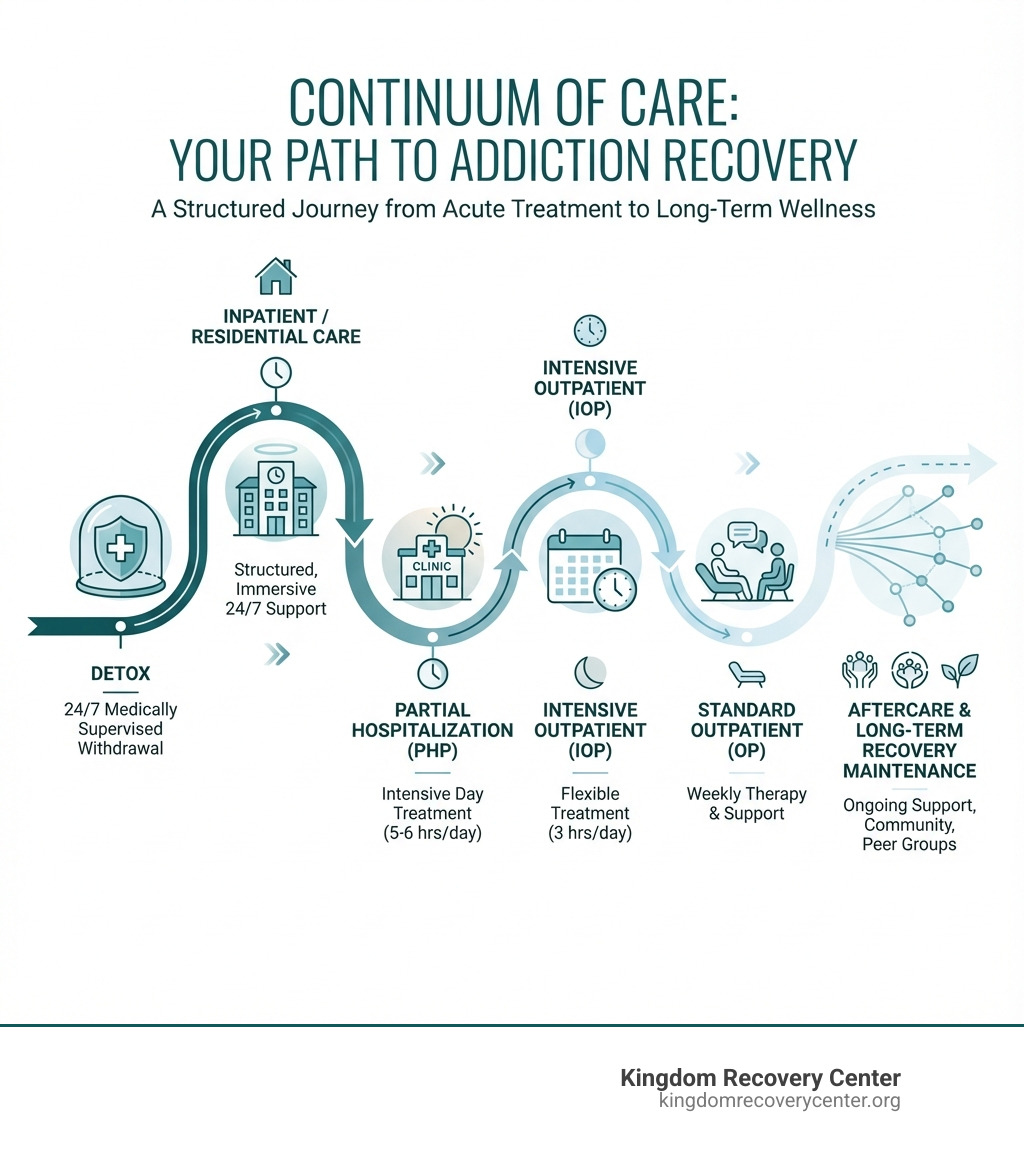
Quick Guide to Alcohol Rehab Options in Franklin, TN:
- Detox – Safe, medically supervised withdrawal management (24/7 care)
- Inpatient/Residential – Structured, immersive treatment with round-the-clock support
- Partial Hospitalization (PHP) – Intensive day treatment (typically 5-6 hours/day, 5-7 days/week)
- Intensive Outpatient (IOP) – Flexible treatment (typically 3 hours/day, 3-5 days/week)
- Standard Outpatient (OP) – Weekly therapy sessions while living at home
- Insurance Coverage – Most major insurance plans accepted, plus payment assistance options
The need for accessible, quality addiction treatment in Williamson County is real. In the Nashville-Davidson-Murfreesboro-Franklin area, 9.3 percent of people aged 12 or older (about 111,000 individuals) struggled with a substance use disorder in the past year. The county reported 41 overdose deaths in 2021, with fentanyl involved in 74% of all overdose deaths statewide in 2022.
But there’s good news. Franklin and surrounding Williamson County offer a growing network of recovery resources, from hospital-based programs to specialized outpatient centers. The community has responded with drug take-back programs, pharmacy-based naloxone distribution, and prevention coalitions focused on education and support.
Recovery is possible. Treatment works when it’s personalized to your unique needs, whether you’re dealing with alcohol dependence alone or alongside mental health challenges like anxiety or depression.
At Kingdom Recovery Center, we’ve helped countless Tennesseans find their path to lasting sobriety through compassionate, evidence-based care. Located in Morristown and serving the greater Tennessee area including Franklin, we understand the challenges of alcohol rehab franklin tn residents face and provide the comprehensive support needed for lasting recovery. Our 24/7 availability means help is always within reach.
The journey to recovery starts with understanding your options and taking that first brave step toward healing.
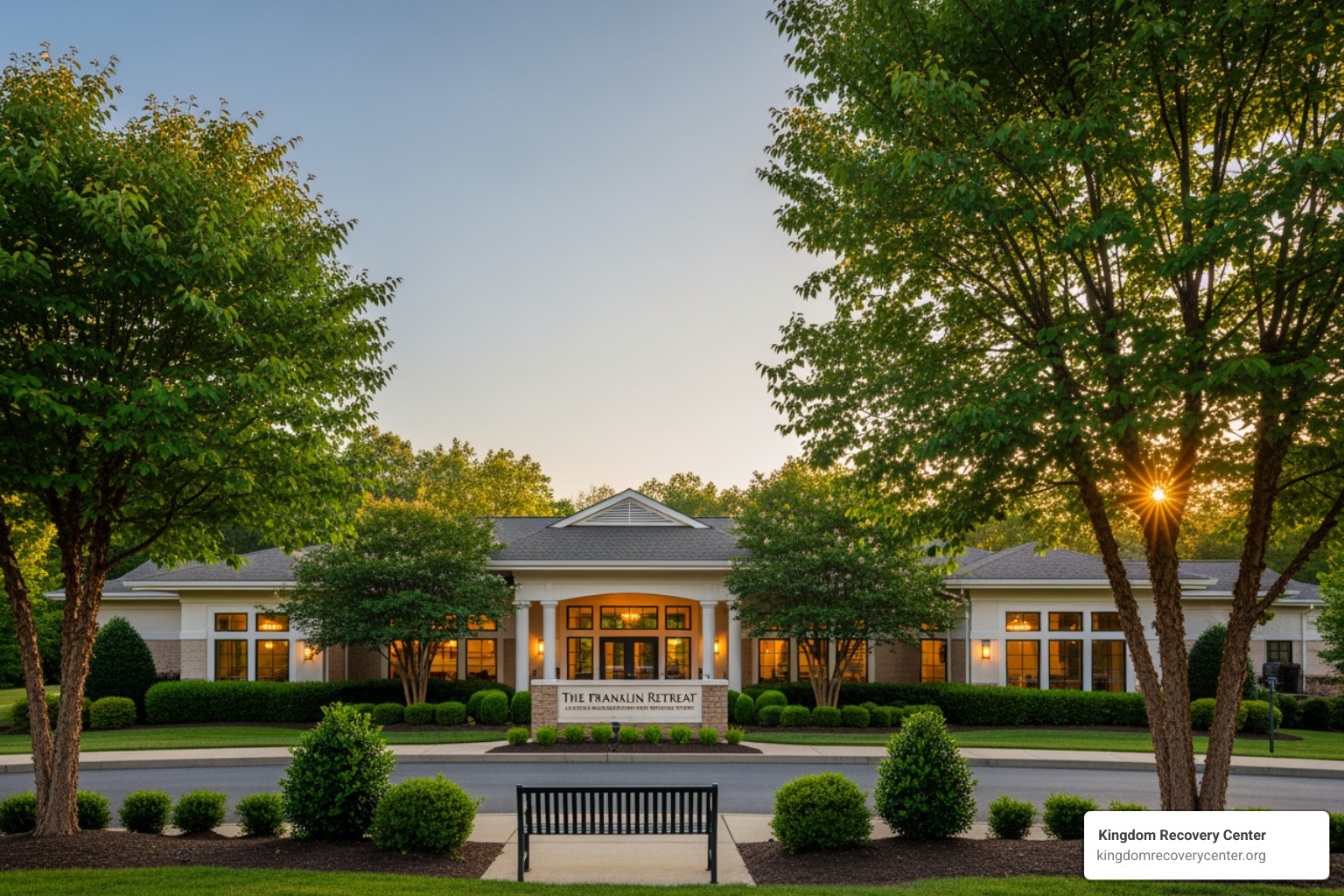
The Reality of Substance Use in Our Community
When we look at the beautiful and thriving community of Franklin, TN, it’s easy to overlook the quiet struggles many individuals and families face with substance use. Yet, the statistics paint a clear picture: addiction is a significant concern in Williamson County and the broader Nashville-Davidson-Murfreesboro-Franklin Metropolitan Statistical Area (MSA).
As highlighted in our introduction, a staggering 9.3 percent or 111,000 persons aged 12 or older in the Nashville-Davidson-Murfreesboro-Franklin MSA were classified as having a substance use disorder in the past year. This rate is higher than both the Tennessee and national averages for illicit drug use, indicating a pressing need for effective alcohol rehab Franklin TN services and other addiction treatments.
The opioid crisis, in particular, has left its mark on Williamson County. In 2021, law enforcement reported that around 97% of the heroin and around 75% of pills being seized in Williamson County were laced with fentanyl. This potent synthetic opioid significantly increases the risk of overdose. Consequently, there were 41 drug overdose deaths in Williamson County in 2021, a concerning 57% higher than in 2016. The fatal drug overdose rate in Williamson County was 17.1 per 100,000 residents in 2023, and statewide, fentanyl was involved in 74% of all overdose deaths in Tennessee in 2022. These numbers aren’t just statistics; they represent lives lost and families shattered.
Beyond fatal overdoses, the impact is also seen in non-fatal incidents. In 2020, there were 337 nonfatal overdose outpatient visits in Williamson County, and in 2023, the county recorded a non-fatal drug overdose rate of 138 per 100,000 residents for outpatient visits. The sheer volume of opioid prescriptions also points to the scale of the challenge, with 92,278 prescriptions for opioid painkillers filled in Williamson County during 2021.
These statistics underscore a critical truth: addiction is a community-wide issue that demands our attention and resources. The good news is that for every statistic showing a struggle, there’s a story of recovery waiting to be written. The need for accessible, compassionate, and evidence-based alcohol rehab Franklin TN options and other addiction services is paramount. We believe in the power of treatment to change these narratives and offer individuals a fresh start. For more information about the widespread impact and solutions, we encourage you to read about the importance of rehab programs in Tennessee for lasting recovery.
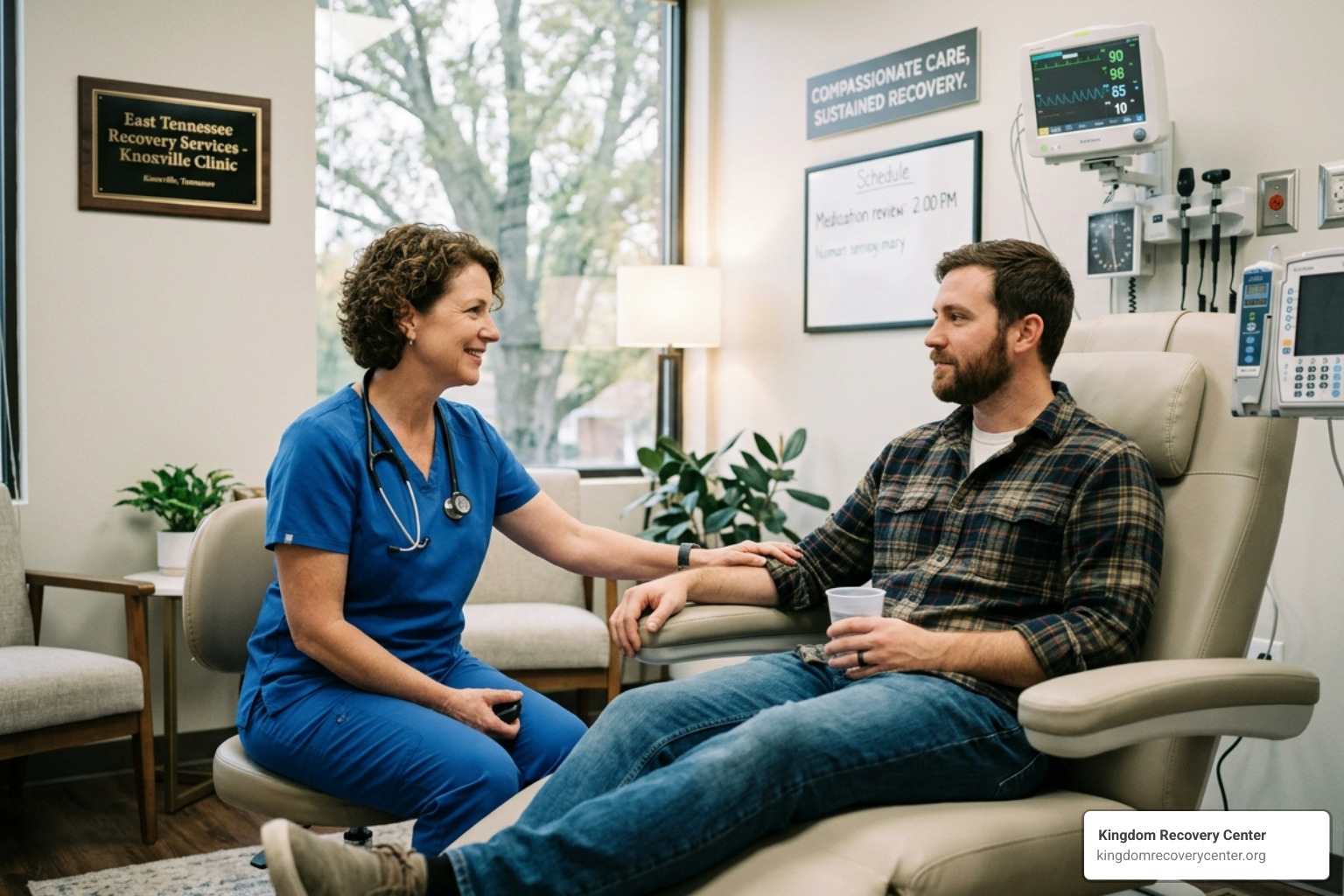
Recognizing the Need for Professional Help
Sometimes, the hardest part of the journey to recovery is admitting there’s a problem. Addiction can be cunning and baffling, often clouding judgment and making it difficult for individuals to see the impact of their substance use. However, recognizing the signs, both in ourselves and in our loved ones, is the crucial first step toward seeking professional help.
If you’re asking yourself, “Do I need help?” or “Does my loved one need help?”, it’s a good indication that it might be time to explore alcohol rehab Franklin TN options or other treatment services. We understand how challenging this can be, and we’re here to help you steer those difficult questions. For a deeper dive into recognizing the signs, our guide on understanding signs it’s time to seek help for substance use disorder offers valuable insights.

When Alcohol Use Becomes a Problem
Alcohol use disorder, or AUD, is the most common substance abuse diagnosis in America. What starts as social drinking can gradually escalate into a dependency that takes over an individual’s life. Here are some signs that alcohol use may have become a problem:
- Increased Tolerance: You find you need to drink more alcohol to feel the same effects you once did with smaller amounts.
- Withdrawal Symptoms: When you stop drinking, or cut back, you experience unpleasant physical or psychological symptoms like tremors, sweating, nausea, anxiety, or insomnia.
- Loss of Control: You often drink more than you intended, or for longer periods than you planned. You may try to cut down or stop drinking but are unsuccessful.
- Neglecting Responsibilities: Your alcohol use interferes with your ability to fulfill obligations at work, school, or home. This could mean frequent absences, poor performance, or failing to care for children.
- Continued Use Despite Negative Consequences: You keep drinking even when it causes problems in your relationships, leads to health issues, or results in legal trouble.
- Craving: You have strong urges or a need to drink alcohol.
- Spending a Lot of Time: You spend a great deal of time obtaining alcohol, using it, or recovering from its effects.
If these signs resonate with you or someone you care about, it’s a strong indicator that professional intervention, such as that offered at an alcohol rehab Franklin TN center, may be necessary. We offer extensive resources on alcohol abuse to help you understand this condition further.
The Link Between Mental Health and Addiction
It’s not uncommon for individuals struggling with addiction to also grapple with mental health conditions. This phenomenon, known as “dual diagnosis” or “co-occurring disorders,” means that a person experiences both a substance use disorder and a mental health disorder simultaneously. In fact, many people use alcohol or drugs as a form of self-medication to cope with untreated anxiety, depression, PTSD, or other mental health challenges.
The relationship between mental health and addiction is complex and often cyclical. Mental health issues can increase the risk of substance abuse, and substance abuse can, in turn, worsen mental health conditions or trigger new ones. Without addressing both issues concurrently, lasting recovery can be incredibly difficult.
At Kingdom Recovery Center, we firmly believe in treating the whole person. Our approach to alcohol rehab Franklin TN residents means we recognize and address co-occurring disorders through integrated treatment plans. We understand that true healing involves solveing the mental health and addiction relationship and providing comprehensive care for both. Our specialized programs for dual diagnosis ensure that individuals receive the custom support they need to achieve holistic recovery.
Exploring Alcohol Rehab in Franklin, TN: Program Types and Levels of Care
Finding the right alcohol rehab Franklin TN program can feel overwhelming given the variety of options available. However, understanding the different types and levels of care is key to choosing a treatment path that best suits your individual needs. We believe that treatment should be personalized, adapting to your progress and evolving requirements throughout your recovery journey. This “continuum of care” allows individuals to step up or step down in intensity as needed, providing consistent support every step of the way.
When considering your options, it’s helpful to assess what to look for when choosing a recovery center to ensure you find the best fit.
Medically Supervised Detox
For many individuals struggling with alcohol dependence, the first critical step in recovery is detoxification. Alcohol withdrawal can be dangerous and even life-threatening if not managed properly. This is where medically supervised detox comes in.
In a detox setting, individuals receive 24/7 medical monitoring to ensure their safety and comfort as their body rids itself of alcohol. Medical professionals administer medications to manage uncomfortable and potentially severe withdrawal symptoms, such as seizures, delirium tremens, and extreme anxiety. This safe environment allows for a smoother transition into the next phase of treatment.
We offer detailed information on understanding drug and alcohol detox: withdrawal symptoms explained and how medically assisted detox ensures a smooth transition. It’s the foundational step, preparing the mind and body for the deeper therapeutic work ahead at an alcohol rehab Franklin TN facility.
Inpatient and Residential Treatment
Once detox is complete, or if detox isn’t medically necessary, many individuals benefit from inpatient or residential treatment. These programs offer a highly structured and supportive environment away from the triggers and temptations of daily life.
In an inpatient setting, individuals live at the treatment facility, receiving 24-hour care and supervision. This immersive approach allows for intensive therapy, educational sessions, and the opportunity to build a strong foundation for sobriety within a peer community. The focus is entirely on healing, with a schedule packed with individual counseling, group therapy, and holistic activities designed to address the root causes of addiction and develop coping skills.
For those considering the immersive experience of residential care versus more flexible options, our article on outpatient vs. inpatient rehab: which is best for you? provides a comprehensive comparison to help guide your decision for alcohol rehab Franklin TN.
Outpatient Programs: PHP, IOP, and OP
For individuals who require flexibility to maintain work, school, or family commitments, outpatient programs offer a vital alternative to residential care. These programs allow clients to live at home while attending scheduled therapy sessions and groups at a treatment center. The intensity of outpatient care varies, typically categorized into three main types:
- Partial Hospitalization Programs (PHP): Often referred to as “day treatment,” PHP is the most intensive form of outpatient care. Clients attend sessions for several hours a day, typically five to seven days a week, receiving a level of care comparable to inpatient treatment but returning home at night. This option is ideal for those who need significant support but have a stable and supportive home environment. You can learn more about what to know about Partial Hospitalization Programs for treatment.
- Intensive Outpatient Programs (IOP): IOPs provide a step down in intensity from PHP, with clients typically attending sessions for a few hours a day, three to five days a week. This allows for more flexibility to integrate treatment with daily responsibilities while still receiving substantial therapeutic support. Our resources on intensive outpatient programs explained for mental health support dig deeper into this option.
- Standard Outpatient Programs (OP): This is the least intensive level of outpatient care, involving weekly therapy sessions and support groups. OP is often suitable for individuals with less severe substance use disorders or as a step-down from more intensive programs, providing ongoing support for long-term recovery.
Choosing between these options for alcohol rehab Franklin TN depends on your individual needs, the severity of your addiction, and your personal circumstances. To help you decide, we’ve broken down the differences in our article IOP vs. PHP: which care level supports your healing process?.
Navigating Your Path to Recovery in Franklin
Starting on the journey to recovery from alcohol addiction is a courageous step. Once you’ve recognized the need for help and have a general understanding of the types of programs available, the next phase involves navigating the practicalities of accessing care. This includes understanding the admissions process, exploring financial options, and knowing what to expect during treatment. It’s a structured path, designed to support you every step of the way, as highlighted in a systematized review of addiction recovery.
How to Choose the Best Alcohol Rehab in Franklin, TN for You
Finding the “best” alcohol rehab Franklin TN program isn’t about finding the most expensive or luxurious option; it’s about finding the right fit for your unique needs. Here are key factors we encourage you to consider:
- Accreditation and Licensing: Ensure the facility is licensed by the state of Tennessee and holds accreditations from recognized bodies like The Joint Commission or CARF. These indicate a commitment to quality and safety standards.
- Evidence-Based Therapies: Look for programs that use scientifically proven therapies such as Cognitive Behavioral Therapy (CBT), Dialectical Behavior Therapy (DBT), and Motivational Interviewing. These approaches are effective in addressing the underlying causes of addiction.
- Staff Qualifications: Inquire about the credentials and experience of the clinical team, including therapists, doctors, and support staff. A multidisciplinary team with expertise in addiction and mental health is ideal.
- Individualized Care Plans: No two recovery journeys are identical. The best programs offer personalized treatment plans custom to your specific history, challenges, and goals.
- Dual Diagnosis Capabilities: If you suspect or know you have a co-occurring mental health condition, choose a facility equipped to treat both addiction and mental health simultaneously. This integrated approach is crucial for lasting recovery.
At Kingdom Recovery Center, we emphasize these standards in all our Tennessee locations, ensuring that Franklin residents seeking alcohol rehab Franklin TN can trust in the quality of care we provide. Our guide on what to look for when choosing a recovery center offers more detailed advice.
Understanding the Cost of Alcohol Rehab in Franklin, TN
The cost of alcohol rehab Franklin TN can be a significant concern for many individuals and families. However, it’s important not to let financial worries deter you from seeking help. Several options exist to make treatment more accessible:
- Insurance Coverage: Thanks to the Mental Health Parity and Addiction Equity Act, most major health insurance plans are required to cover substance use disorder treatment, often covering 50-100% of rehab costs. We work with many insurance providers to help you maximize your benefits. We encourage you to use our resources on using insurance to cover the costs of rehab and to verify your insurance directly with us.
- Private Pay Options: For those without insurance, or who prefer not to use it, private pay is an option. Many centers offer flexible payment plans.
- Financing: Some treatment centers partner with third-party lenders to provide financing options, allowing you to pay for treatment in installments.
- Free and Low-Cost Resources: While comprehensive rehab programs typically incur costs, there are free and low-cost resources available, such as community support groups (AA, SMART Recovery) and state-funded programs. These options can be a crucial part of a broader recovery plan, especially for aftercare.
It’s a sobering fact that despite the clear need, many individuals don’t receive the treatment they need. In the U.S., among people aged 12 or older in 2023 who were classified as needing substance use treatment in the past year, only about 1 in 4 (23.6% or 12.8 million people) received substance use treatment. Our goal is to make quality care as accessible as possible.
A Typical Day in Treatment
While each alcohol rehab Franklin TN program is unique and custom to individual needs, a typical day in a structured treatment setting, particularly in inpatient or PHP, often follows a rhythm designed to promote healing and self-findy.
A day might begin with a healthy breakfast, followed by a morning meditation or mindfulness session to center the mind. The bulk of the day is usually dedicated to therapy:
- Individual Therapy: One-on-one sessions with a therapist provide a safe space to explore personal issues, trauma, and the root causes of addiction. Therapies like Cognitive Behavioral Therapy (CBT) and Dialectical Behavioral Therapy (DBT) are commonly used to help clients identify and change negative thought patterns and behaviors.
- Group Sessions: Group therapy is a cornerstone of addiction treatment, offering peer support, shared experiences, and the opportunity to practice new communication and coping skills in a supportive environment.
- Educational Workshops: These sessions provide valuable information about addiction as a disease, relapse prevention strategies, and healthy living skills.
- Holistic Activities: Many programs integrate holistic therapies such as yoga, art therapy, music therapy, or recreational activities to promote overall well-being and provide healthy outlets for stress and emotions.
After a nutritious lunch, afternoons might continue with more therapy, educational modules, or personal reflection time. Evenings often involve dinner, followed by support group meetings (like AA or NA), or quiet time for reflection, journaling, or connecting with peers. This structured yet nurturing environment helps individuals build new routines and habits essential for long-term sobriety.
Life After Rehab: Sustaining Sobriety in Williamson County
Completing an alcohol rehab Franklin TN program is a monumental achievement, but it’s just the beginning of a lifelong journey. Recovery isn’t a destination; it’s a continuous process of growth, learning, and adapting. The transition from a structured treatment environment back into daily life requires ongoing support and a solid aftercare plan. The impact of continuing care on recovery cannot be overstated, as research consistently shows that sustained engagement in supportive services significantly improves long-term outcomes. You can explore this further in the impact of continuing care on recovery from substance use disorder.
Aftercare and Relapse Prevention Planning
A comprehensive aftercare plan is crucial for maintaining sobriety and navigating the challenges that may arise post-rehab. At Kingdom Recovery Center, we work with clients to develop personalized strategies that include:
- Discharge Planning: This begins early in treatment, outlining the steps and resources needed for a successful transition.
- Sober Living Homes: For some, transitioning into a sober living environment provides a supportive, drug- and alcohol-free bridge between intensive treatment and full independence. These homes offer structure, accountability, and a community of peers committed to recovery.
- Alumni Programs: Many rehab centers offer alumni programs that provide ongoing connection, support, and opportunities to engage with others who have successfully steerd recovery.
- Ongoing Therapy: Continuing individual or group therapy after formal rehab can help reinforce coping skills, address new challenges, and provide ongoing emotional support.
- Support Groups: Participation in 12-Step programs like Alcoholics Anonymous (AA) or other peer-led groups such as SMART Recovery offers invaluable community, sponsorship, and a framework for maintaining sobriety. These groups are widely available in and around Franklin, TN.
Relapse prevention is an integral part of aftercare. It involves identifying triggers, developing coping mechanisms, and having a plan in place for challenging situations. Our insights on key insights on relapse prevention after treatment and our dedicated therapies for relapse prevention are designed to equip individuals with the tools they need to sustain long-term recovery.
How to Support a Loved One in Recovery
Supporting a loved one entering or returning from an alcohol rehab Franklin TN program is a journey that requires patience, understanding, and self-care. It’s a shift from enabling to empowering, and it’s not always easy. Here are some ways you can help:
- Engage in Family Therapy: Addiction affects the entire family system. Family counseling can help heal wounds, improve communication, and establish healthy boundaries. Our resources on family counseling approaches provide guidance on how to participate effectively.
- Set Healthy Boundaries: This is crucial for both your well-being and your loved one’s recovery. Boundaries define what you will and will not tolerate, and they protect you from enabling behaviors.
- Educate Yourself About Addiction: Understanding addiction as a disease, rather than a moral failing, can help you respond with empathy and support.
- Offer Encouragement and Patience: Recovery is a process, not an event. There will be good days and bad days. Your unwavering encouragement and patience can make a significant difference.
- Avoid Enabling Behaviors: While it’s natural to want to help, enabling can inadvertently hinder recovery. This includes shielding them from consequences, making excuses, or providing financial support that facilitates substance use.
- Take Care of Yourself: Supporting someone in recovery can be emotionally draining. Seek your own support, whether through Al-Anon, therapy, or trusted friends and family. You can’t pour from an empty cup.
Your role as a supportive loved one is invaluable. By understanding the process and taking care of your own needs, you become a powerful force for positive change in their journey.
Begin Your Journey to a Lasting Recovery
The path to recovery from alcohol addiction is a testament to resilience, hope, and the human spirit’s capacity for change. If you or a loved one in Franklin, TN, is struggling, please know that a fresh start is not just a dream, but an achievable reality. The vibrant community of Franklin, coupled with the compassionate and evidence-based care offered by facilities serving the area, stands ready to support you.
At Kingdom Recovery Center, we are dedicated to providing client-centered, evidence-based addiction and mental health treatment. Our individualized care and dual diagnosis programs empower lasting change, helping individuals build a fulfilling life free from the grip of addiction. We are proud to serve residents of Franklin and surrounding areas from our Tennessee locations, including Morristown, Knoxville, and Johnson City. We believe in the power of professional treatment to heal, restore, and transform lives.
Taking that first step might feel overwhelming, but you don’t have to do it alone. Reach out, ask questions, and explore the possibilities. Your journey to lasting recovery, a life filled with purpose and joy, begins now. For more insights into how professional help can make a difference, we invite you to explore the importance of rehab programs in Tennessee for lasting recovery.