Why Seeking Drug Rehab in Union County, TN Matters
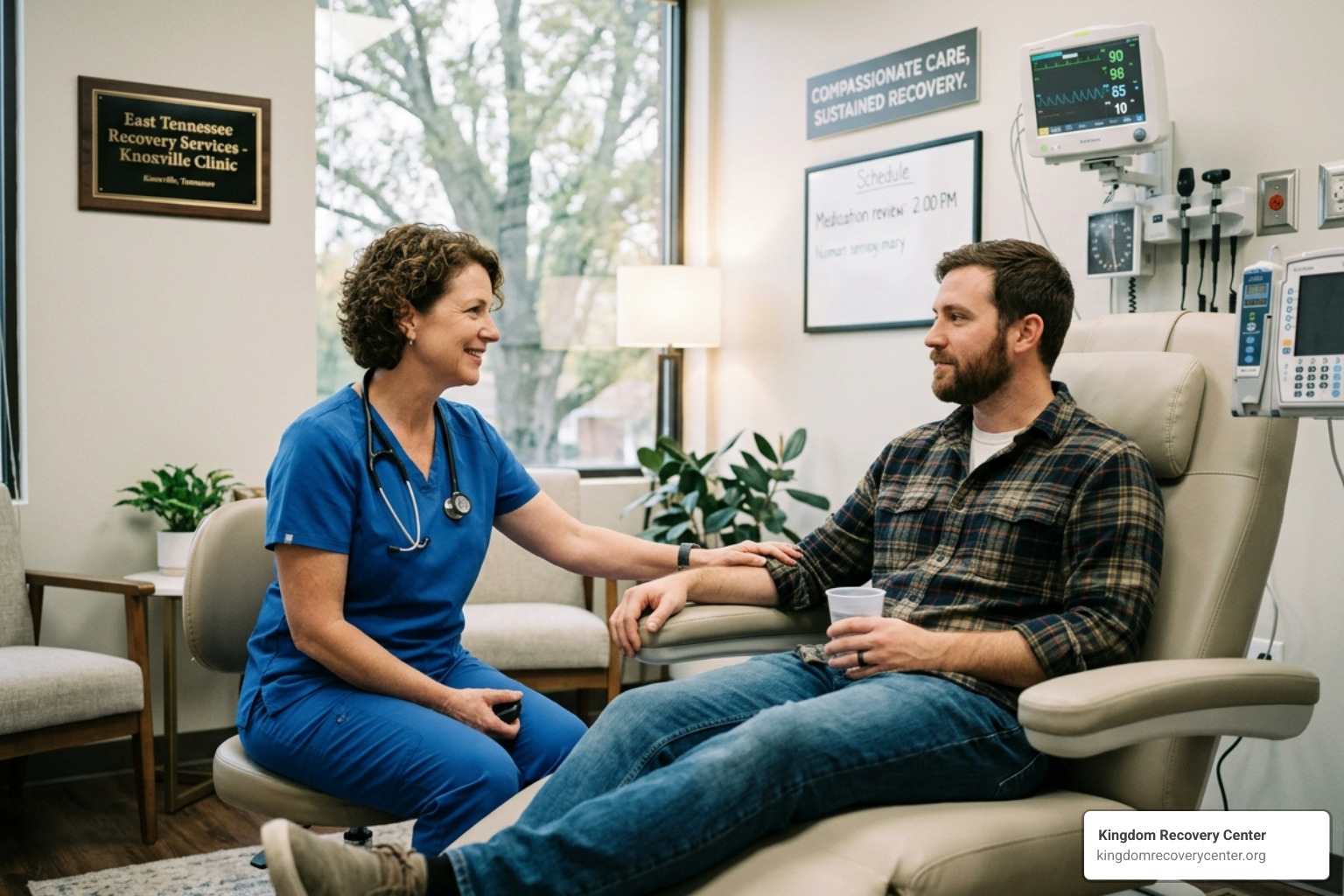
Drug rehab union county tn provides individuals struggling with addiction access to comprehensive treatment options designed to support lasting recovery. If you’re searching for help in this area, you’ll find a range of services from medical detox and residential care to flexible outpatient programs custom to your unique needs.
Quick Guide to Drug Rehab Options in Union County, TN:
- Medical Detox: Safely manage withdrawal symptoms under 24/7 medical supervision (typically 3-7 days)
- Residential Treatment: Intensive, structured care in a supportive environment (28+ days)
- Outpatient Programs: Flexible therapy sessions while maintaining daily responsibilities (weeks to months)
- Dual Diagnosis Care: Integrated treatment for co-occurring mental health and substance use disorders
- Payment Options: Private insurance, Medicaid (TennCare), Medicare, sliding scale fees, and financial aid
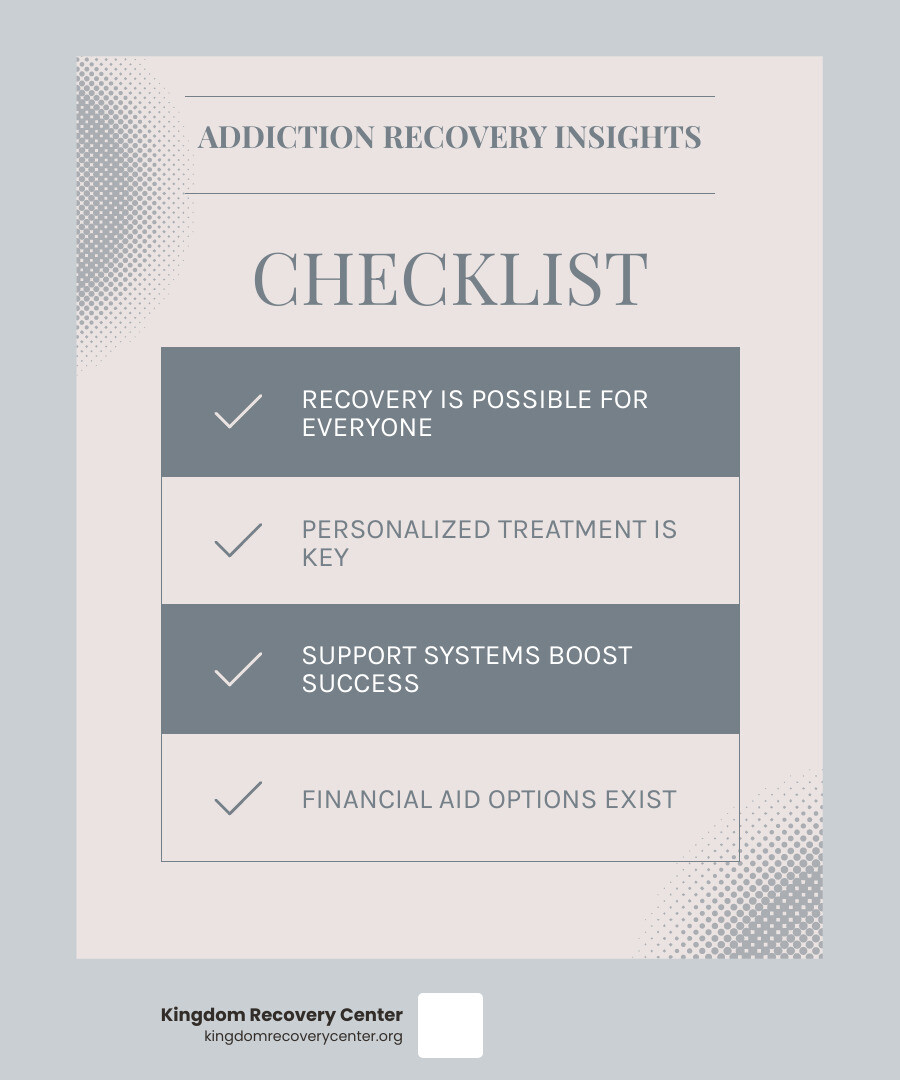
Choosing to find help for addiction is one of the most important steps you can take. Recovery is possible with the right support, and understanding your treatment options is the first critical step toward a healthier, substance-free life.
The best rehab is one that meets your needs. While Union City and the surrounding areas offer several facilities—including options for alcohol rehab, dual diagnosis treatment, and opioid addiction services—finding a program that addresses your specific circumstances, physical health, and mental stability is essential for success.
Many individuals and families throughout Tennessee face the challenges of substance use disorder. The good news is that evidence-based treatment works. Programs combining medical care, behavioral therapies like Cognitive Behavioral Therapy (CBT) and Dialectical Behavior Therapy (DBT), and ongoing support have helped countless people reclaim their lives.
At Kingdom Recovery Center, we specialize in providing compassionate, holistic drug rehab union county tn residents can trust, using evidence-based practices to empower individuals on their recovery journey. With locations accessible to Union County and throughout East Tennessee, we offer the comprehensive care and supportive environment where healing can thrive.
Recognizing the Need for Professional Help
It’s not always easy to admit that you or a loved one might need professional help for substance abuse. The signs can be subtle at first, often masked by denial—a common symptom of addiction itself, which profoundly affects the brain. However, recognizing these indicators is the crucial first step toward finding effective drug rehab union county tn resources.
Substance Use Disorder (SUD) is characterized by uncontrolled substance use despite harmful consequences. This isn’t a moral failing; it’s a complex medical condition that requires professional intervention. Here are some common signs and symptoms that might indicate it’s time to seek professional treatment:
- Physical Signs of Addiction: These can vary widely depending on the substance but often include changes in appearance such as sudden weight loss or gain, poor hygiene, dilated or constricted pupils, frequent nosebleeds, track marks on arms, or tremors. For alcohol addiction, physical effects can include damage to brain communication pathways, heart problems, liver issues, and a weakened immune system. Opioid and fentanyl risks, for example, are particularly high due to their potency, leading to severe withdrawal symptoms if use is stopped.
- Behavioral Changes: You might notice an increased secrecy, dishonesty about drug or alcohol use, neglecting responsibilities at work, school, or home, or engaging in risky behaviors while under the influence. Individuals might constantly worry about obtaining their next dose or find more pleasure in using than in activities they once enjoyed.
- Psychological Symptoms: Addiction often co-occurs with mental health issues. Signs can include increased anxiety, depression, irritability, mood swings, paranoia, or a general loss of interest in life. Someone might use substances to cope with stress, anxiety, or depression, creating a dangerous cycle.
- Hiding Substance Use: A person struggling with addiction often goes to great lengths to conceal their use, whether it’s hiding substances, lying about their whereabouts, or avoiding social situations where they can’t use. This can lead to isolation and further exacerbate the problem.
- Effects on Health: Beyond the immediate physical signs, long-term substance abuse can lead to severe health complications. Alcohol, for instance, can cause liver cirrhosis, pancreatitis, and various cancers. Drug use can lead to respiratory problems, cardiovascular issues, neurological damage, and increased risk of infectious diseases.
- Withdrawal Symptoms: One of the most telling signs is experiencing physical or psychological discomfort when not using the substance. This could manifest as nausea, sweating, shaking, intense cravings, anxiety, or seizures. The fear of these symptoms often drives continued use.
If you recognize these signs in yourself or a loved one, please know that help is available. At Kingdom Recovery Center, we understand the complexities of addiction and offer compassionate, evidence-based treatment for a wide range of substance use disorders. Our comprehensive programs are designed to address not just the addiction, but the underlying causes and co-occurring mental health conditions. We believe in empowering lasting change and guiding individuals toward a healthier, substance-free life. You can learn more about the specific addictions we treat and how we can help by visiting our page on What We Treat: Addictions.
Understanding the Different Levels of Addiction Care
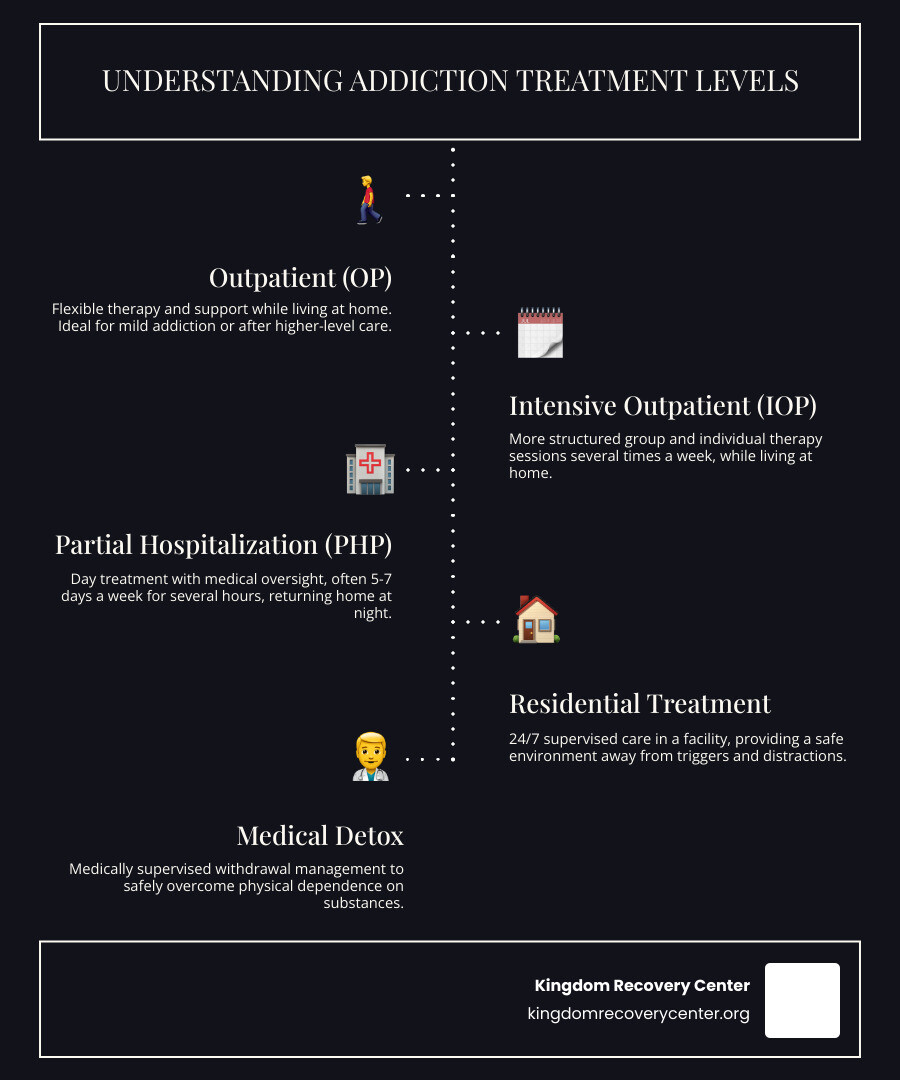
Addiction treatment is rarely a one-size-fits-all solution. Instead, it’s a journey with various stages and levels of care, each designed to meet an individual’s unique needs at different points in their recovery. Think of it like building a house – you start with a strong foundation, then move to framing, and finally, the finishing touches. The goal of drug rehab union county tn is to provide this comprehensive pathway to lasting sobriety.
Medical Detoxification
The very first step for many on their recovery journey is medical detoxification, often referred to simply as detox. This critical phase involves safely and comfortably purging addictive substances from the body under continuous medical supervision. Withdrawal symptoms can range from uncomfortable to life-threatening, making professional medical oversight not just helpful, but often essential.
During detox, a team of medical professionals monitors vital signs, manages withdrawal symptoms with appropriate medications, and ensures the individual’s safety and comfort 24/7. This initial period typically lasts between 3 to 7 days, depending on the substance used, the duration of addiction, and the individual’s overall health. It’s a challenging time, but our compassionate staff are there to provide unwavering support. Choosing a detox program that prioritizes safety and comfort sets the stage for successful long-term recovery. For more insights into this crucial first step, explore our guide on Important Considerations for Drug and Alcohol Detox in Tennessee.
Inpatient or Residential Treatment
Once detox is complete, or if detox isn’t medically necessary, many individuals transition to inpatient or residential treatment. This level of care provides a structured, immersive environment where individuals live at the facility for an extended period, typically 28 days or longer. It’s like pressing pause on the outside world to focus entirely on healing.
In a residential setting, individuals receive 24-hour support and engage in intensive therapy, including individual counseling, group therapy, and educational workshops. The structured routine helps to build healthy habits and coping mechanisms, while removing individuals from the triggers and temptations of their daily lives. It’s a safe space to explore the root causes of addiction, develop essential life skills, and build a strong foundation for sobriety, all while surrounded by a supportive community of peers and professionals. Our inpatient programs, such as those discussed in Knoxville Inpatient Drug Rehab, offer this immersive experience.
Outpatient Programs (OP & IOP)
For those who have completed a residential program, or for individuals with less severe addictions or strong home support systems, outpatient programs offer a flexible yet structured approach to recovery. These programs allow individuals to live at home, maintain their daily responsibilities—like work, school, or family commitments—while attending scheduled therapy sessions at a treatment center.
There are generally two main types:
- Intensive Outpatient Programs (IOP): These programs offer a higher level of structure than standard outpatient care, typically involving several hours of therapy multiple days a week. IOPs are excellent for individuals transitioning from inpatient care, providing a crucial step-down in intensity while allowing them to reintegrate into their daily lives with ongoing support. They often last 3 to 6 months.
- Standard Outpatient Programs (OP): OPs involve fewer hours of therapy per week, often just one or two sessions, and are suitable for individuals who have achieved a good level of stability in recovery or who need less intensive support. The length of outpatient treatment can vary significantly, from a few weeks to about three months or longer, depending on individual progress and stability.
The flexibility of outpatient programs is a huge benefit, allowing individuals to practice coping skills and relapse prevention strategies in real-world situations, all while receiving consistent professional guidance. To learn more about how these programs work, especially in a busy area, check out our Outpatient Rehab Chattanooga Complete Guide.
Finding the Right Drug Rehab in Union County, TN
Choosing the right drug rehab union county tn facility is a deeply personal and critical decision on the path to lasting recovery. It’s about finding a place that not only offers effective treatment but also resonates with your individual needs and circumstances. Just as we wouldn’t choose a one-size-fits-all approach to our favorite coffee, we certainly shouldn’t for something as vital as our well-being.
When you’re looking for a rehab center in the Union County area, it’s helpful to consider what makes a program truly effective and supportive.
Specialized Programs at a drug rehab union county tn
Effective treatment often means finding a program that understands and addresses your unique situation. Here are some specialized programs you should look for:
- Dual Diagnosis Treatment: It’s a common misconception that addiction occurs in isolation. In reality, about two-thirds of individuals struggling with addiction also have co-occurring mental health needs, and approximately 50% have dual diagnoses. This means they are battling both a substance use disorder and a mental health condition like depression, anxiety, PTSD, or bipolar disorder. Integrated dual diagnosis treatment simultaneously addresses both conditions, leading to significantly better outcomes. Our centers in Tennessee, including those accessible to Union County, prioritize this integrated approach. Learn more about how we help with co-occurring disorders in our Mental Health Treatment Tennessee Guide.
- Gender-Specific Rehab: Sometimes, men and women benefit from separate treatment environments that allow them to explore gender-specific issues, trauma, and societal pressures without the distractions or inhibitions that might arise in mixed-gender groups.
- Programs for Veterans: Veterans often face unique challenges, including PTSD and other service-related traumas, which can contribute to substance abuse. Specialized programs for veterans understand these complexities and offer custom support.
- Young Adult Programs: Addiction can manifest differently in young adults, who are still developing their brains and life skills. Programs designed for this age group focus on age-appropriate therapies, education, and peer support to help them build a foundation for a healthy future.
At Kingdom Recovery Center, we accept a holistic approach to addiction recovery, recognizing that true healing involves mind, body, and spirit. This includes incorporating various therapeutic modalities and considering all aspects of an individual’s well-being. You can dig deeper into these comprehensive strategies by reading about Holistic Approaches to Addiction Recovery in Tennessee Explained.
What to Expect from a drug rehab union county tn
Beyond specialized programs, there are fundamental elements that define a high-quality drug rehab union county tn experience:
- Accreditation (CARF, Joint Commission): Look for facilities that hold accreditations from reputable organizations like the Commission on Accreditation of Rehabilitation Facilities (CARF) or The Joint Commission. These accreditations signify that a center meets rigorous standards for quality of care, patient safety, and ethical practices. It’s like a stamp of approval that assures you the facility is doing things right.
- Evidence-Based Therapies: The most effective treatment programs use therapies backed by scientific research. These include:
- Cognitive Behavioral Therapy (CBT): Helps individuals identify and change negative thought patterns and behaviors that contribute to substance abuse.
- Dialectical Behavior Therapy (DBT): Focuses on emotional regulation, distress tolerance, interpersonal effectiveness, and mindfulness, particularly beneficial for those with co-occurring mental health conditions.
- Other effective approaches might include Rational Emotive Behavior Therapy (REBT), motivational interviewing, and trauma-informed care.
- Individualized Treatment Plans: No two paths to addiction are identical, and neither should be the recovery journey. A quality rehab will develop a personalized treatment plan based on your unique history, substance use patterns, mental health status, and personal goals. This plan should be flexible and adapt as you progress.
- Family Involvement: Addiction impacts the entire family system. Effective drug rehab union county tn programs often include family therapy or educational components to help loved ones understand addiction, heal relationships, and learn how to support recovery without enabling.
- Aftercare and Relapse Prevention: Recovery is a lifelong process, not just the duration of a treatment program. A strong rehab will provide robust aftercare planning, including connections to support groups, alumni programs, sober living arrangements, and ongoing therapy to prevent relapse. This continuum of care is vital for long-term success.
The importance of well-structured rehab programs cannot be overstated. They provide the necessary tools, support, and environment for lasting recovery. We encourage you to learn more about The Importance of Rehab Programs in Tennessee for Lasting Recovery.
Navigating Payment for Addiction Treatment
The cost of addiction treatment can be a significant concern for many, but it should never be a barrier to seeking help. Thankfully, there are numerous payment options available to make drug rehab union county tn accessible and affordable. It’s a common misconception that quality treatment is out of reach, but with a little research and guidance, you’ll find that recovery is often more accessible than you think.

Here’s a look at the various ways you can cover the cost of treatment:
- Private Health Insurance: The Affordable Care Act (ACA) mandates that most private health insurance plans cover mental health and substance use disorder services as essential health benefits. This means your private insurance plan likely covers at least a portion of your rehab costs. It’s always best to contact your insurance provider directly to understand your specific benefits, deductibles, co-pays, and any in-network requirements. Many treatment centers, including ours, can help you verify your benefits.
- Medicaid (TennCare): In Tennessee, Medicaid, known as TennCare, provides healthcare coverage for low-income individuals and families. TennCare often covers a range of addiction treatment services, including detox, inpatient, and outpatient care. Eligibility requirements vary, so it’s important to check if you qualify. This program is a lifeline for many seeking necessary care.
- Medicare Coverage: Medicare is a federal health insurance program primarily for individuals aged 65 or older, and younger people with certain disabilities. Medicare Part A (Hospital Insurance) and Part B (Medical Insurance) can cover various inpatient and outpatient addiction treatment services. Like private insurance, understanding your specific Medicare plan details is key.
- Self-Pay Options: For those without insurance or who prefer not to use it, self-pay is always an option. While it might seem daunting, many facilities work with individuals to create manageable payment plans.
- Sliding Scale Fees: Some treatment centers, particularly non-profit organizations or community health centers, offer a sliding scale payment system. This means the cost of treatment is adjusted based on your income and ability to pay, ensuring that financial constraints don’t prevent access to care.
- Financial Aid Programs and Grants: Various state and federal grants, as well as non-profit organizations, offer financial assistance for addiction treatment. These programs are often designed to help individuals who wouldn’t otherwise be able to afford care. It’s worth exploring these options, as they can significantly reduce out-of-pocket expenses. State business resources, which advocate for economic prosperity, often indirectly support the infrastructure that makes such aid possible, fostering a healthier workforce and community. While not directly offering rehab payment, organizations like those linked through State business resources contribute to the economic environment that allows for social programs and healthcare funding.
We believe that everyone deserves access to life-saving treatment. Our team at Kingdom Recovery Center is dedicated to helping you steer these payment options and find a solution that works for you, ensuring that financial concerns don’t stand in the way of your recovery.
How Family and Friends Can Support Recovery
Addiction is often called a family disease because it impacts everyone involved. When a loved one decides to seek drug rehab union county tn, the support of family and friends becomes an invaluable resource for their lasting recovery. Your role isn’t just passive; it’s active, compassionate, and incredibly powerful. Think of it as being a steady anchor in a storm.
Here’s how loved ones can play a positive and effective role in the recovery journey:
- Offering Support Without Enabling: This is a delicate balance. Support means showing love, encouragement, and belief in their ability to recover. Enabling, on the other hand, involves actions that shield the person from the natural consequences of their addiction, inadvertently allowing the substance abuse to continue. This might mean providing money, making excuses for their behavior, or bailing them out of difficult situations without requiring them to take responsibility. Learning the difference is crucial.
- Setting Healthy Boundaries: Boundaries are not about punishing; they are about protecting yourself and fostering accountability in your loved one. Clearly communicate what you will and will not tolerate, and stick to these boundaries. This demonstrates that you care about their well-being and your own, and that you expect them to take responsibility for their actions. It’s tough love, but often necessary love.
- Participating in Family Therapy: Many reputable drug rehab union county tn programs offer family therapy sessions. These sessions provide a safe space for open communication, addressing underlying family dynamics that may contribute to addiction, and rebuilding trust. It’s an opportunity for everyone to heal and learn healthier ways of interacting.
- Encouraging Professional Help: This extends beyond the initial push for rehab. It means supporting their ongoing engagement in therapy, support groups, and aftercare programs. Remind them of their progress and the importance of continued effort. Your encouragement can be a powerful motivator.
- Attending Support Groups: Just as there are support groups for individuals in recovery (like AA or NA), there are also groups for their loved ones (like Al-Anon or Nar-Anon). These groups offer a safe space to share experiences, gain insight, and receive support from others who understand what you’re going through. It helps you cope with the challenges and learn effective ways to support your loved one without losing yourself in the process.
Your support can make a profound difference, creating a nurturing environment where recovery can flourish. You don’t have to steer this alone either. For resources and guidance on how to support a loved one, please don’t hesitate to Contact us for family resources. We’re here to help the whole family heal.
Frequently Asked Questions about Addiction Treatment
When considering drug rehab union county tn, it’s natural to have many questions. We’re here to provide clarity and peace of mind, so you can make informed decisions about your recovery journey.
How long does rehab typically last?
The duration of rehab is highly individualized and depends on several factors, including the severity of the addiction, the type of substance used, co-occurring mental health conditions, and the individual’s progress. There’s no magic number, but we can offer some general guidelines:
- Detox: Medical detoxification typically lasts between 3 to 7 days. This phase focuses on safely managing withdrawal symptoms.
- Residential Programs: Inpatient or residential treatment often ranges from 28 days to 90 days or even longer. These programs provide an immersive, structured environment for intensive therapy and skill-building.
- Outpatient Programs (IOP/OP): Intensive Outpatient Programs (IOPs) usually last from 3 to 6 months, offering structured support while allowing individuals to live at home. Standard Outpatient Programs (OPs) can vary from a few weeks to several months, providing ongoing support and relapse prevention strategies as individuals reintegrate into daily life.
The goal is to provide the necessary time and support for foundational healing and to equip individuals with the tools for lifelong recovery.
Is dual diagnosis treatment available in the Union County area?
Absolutely! We understand that substance use disorders and mental health conditions frequently co-occur. In fact, many individuals seeking drug rehab union county tn are also battling underlying issues like depression, anxiety, trauma, or bipolar disorder. Integrated treatment for dual diagnosis is not just available, but it’s a critical component of effective care in the region.
At Kingdom Recovery Center, we specialize in dual diagnosis treatment. Our programs are designed to address both the addiction and any co-occurring mental health disorders simultaneously. This integrated approach leads to more comprehensive healing and significantly improves the chances of sustained recovery. We believe in treating the whole person, not just the symptoms. To dig deeper into our approach to mental health care, you can Learn more about mental health treatment.
What are the benefits of outpatient treatment?
Outpatient treatment programs offer a unique blend of flexibility and structured support, making them an excellent option for many individuals on their recovery journey. The benefits are numerous:
- Flexibility to Maintain Daily Life: One of the biggest advantages is the ability to continue living at home, going to work or school, and fulfilling family obligations while receiving treatment. This allows individuals to practice their recovery skills in real-world scenarios.
- Real-World Application of Skills: Outpatient care provides an immediate opportunity to apply coping mechanisms, relapse prevention strategies, and communication skills in their daily environment, reinforcing what they learn in therapy.
- Step-Down from Inpatient Care: For many, outpatient programs serve as an effective “step-down” from more intensive inpatient or residential treatment. It provides continued support and accountability as they transition back to independent living.
- Stronger Support System: Being able to stay connected with family and friends, and participate in community activities, can strengthen an individual’s support network, which is vital for long-term sobriety.
- Cost-Effectiveness: Generally, outpatient programs tend to be more cost-effective than inpatient options, making treatment more accessible for some individuals.
Whether as a primary treatment option or as a continuation of care, outpatient programs play a crucial role in empowering individuals to achieve lasting sobriety without completely disrupting their lives.
Conclusion
Taking the first step toward recovery is a courageous decision, a true testament to strength and hope. If you or a loved one is seeking help for addiction, rest assured that drug rehab union county tn offers a variety of resources and programs to support your journey to a healthier, substance-free life. From the initial, medically supervised detox to comprehensive residential care and flexible outpatient programs, a path to healing is available.
Understanding your options, recognizing the signs that professional help is needed, and knowing how to steer the treatment process—including payment and family support—are all critical components. We believe that with the right guidance, evidence-based therapies, and a compassionate support system, lasting sobriety is not just a dream, but an achievable reality.
At Kingdom Recovery Center, we pride ourselves on providing client-centered, evidence-based care designed to empower lasting change. Our team is dedicated to offering personalized treatment plans that address both addiction and co-occurring mental health disorders, helping you write the next, healthier chapter of your life. Don’t let addiction dictate your future. Reach out today and begin your journey to recovery. We’re here to walk with you every step of the way.