
Why Finding the Right Detox Center Matters in Chattanooga
Detox centers in chattanooga tn provide critical medical and therapeutic support for individuals beginning their recovery journey. The city offers a range of facilities providing services like medical detox, residential treatment, and dual diagnosis care. If you’re searching for immediate help, it’s important to know what resources are available.
Emergency Resources:
- Call 911 during an overdose (Tennessee’s Good Samaritan Law protects you)
- Tennessee REDLINE for text-based referrals and support
- Hamilton County Recovery Court for court-supervised recovery programs
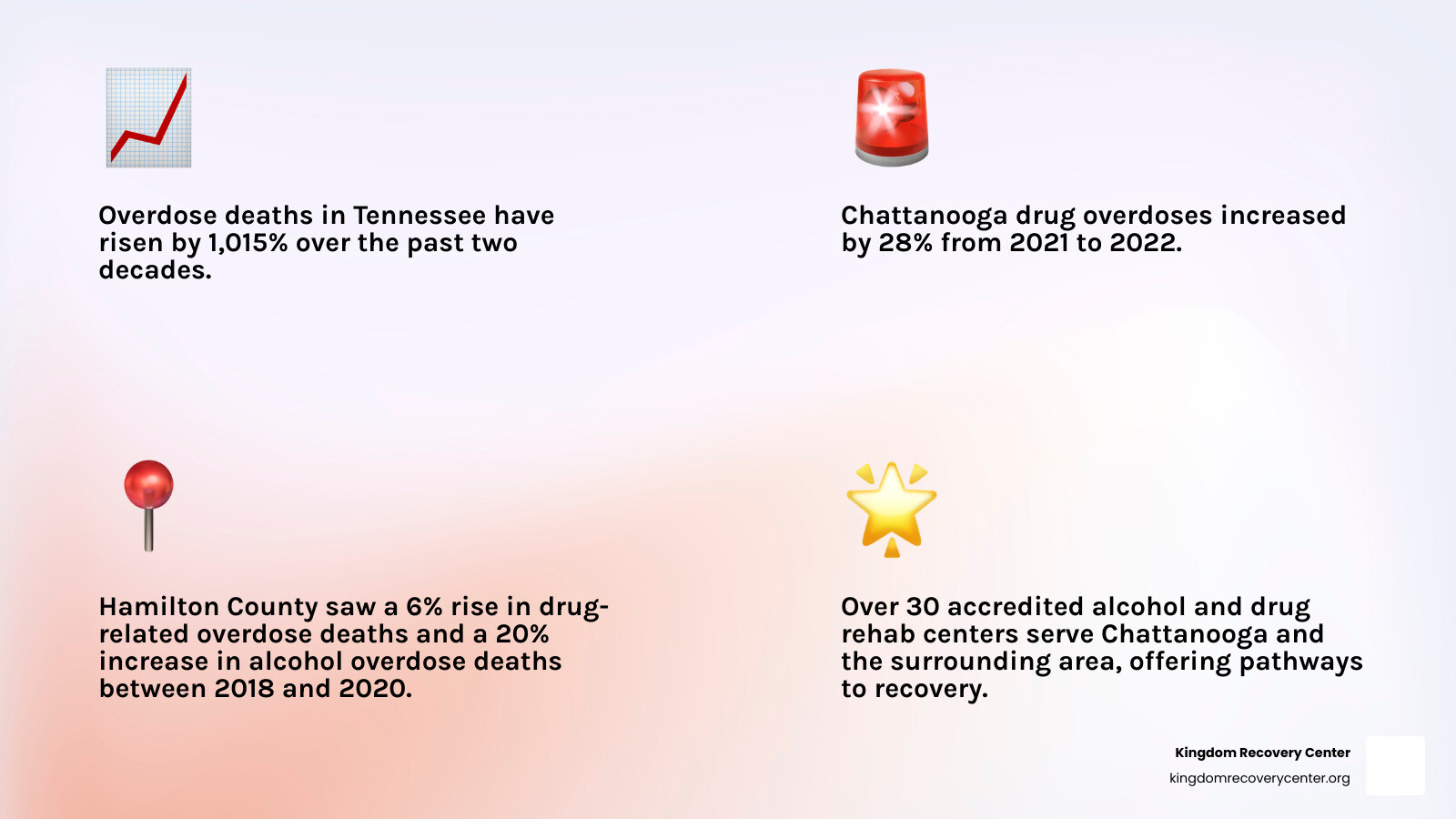
The statistics are sobering. Overdose deaths in Tennessee have risen by 1,015% over the past two decades. In Chattanooga specifically, drug overdoses increased by 28% from 2021 to 2022. Hamilton County saw a 6% rise in drug-related overdose deaths and a 20% increase in alcohol overdose deaths between 2018 and 2020.
But here’s what those numbers don’t show: hope and recovery are possible. Over 30 accredited alcohol and drug rehab centers serve Chattanooga and the surrounding area. Each one represents a pathway out of addiction and into a healthier, more fulfilling life.
The hardest part is often the first step—admitting you need help and finding the right place to get it. This guide will walk you through everything you need to know about finding detox centers in Chattanooga, from understanding your options to navigating costs and insurance.
At Kingdom Recovery Center, we understand what it takes to begin the journey to recovery, and we’re dedicated to helping individuals find detox centers in chattanooga tn that provide compassionate, evidence-based care. While we’re located in Morristown, TN, we’ve helped countless Tennesseans steer their treatment options and begin their path to lasting sobriety.
Understanding Your Detox Options
When you’re considering a detox center, one of the first things to understand is the different types of services available. Detoxification is the crucial first step in addiction recovery, aiming to safely remove substances from your body and manage withdrawal symptoms. It’s a challenging but necessary process, and having the right support makes all the difference.

Types of Detox Services in Chattanooga, TN
In Chattanooga and across Tennessee, you’ll find various approaches to detox, primarily centered around ensuring safety and comfort.
-
Inpatient Detox: This is the most common and often recommended type of detox, especially for severe dependencies. In an inpatient setting, you reside at the facility, receiving 24/7 medical supervision and support. This continuous care is vital for managing potentially dangerous withdrawal symptoms and ensuring your physical and psychological well-being. Our approach at Kingdom Recovery Center emphasizes a structured and supportive environment where individuals can focus entirely on their initial recovery.
-
Medically-Assisted Treatment (MAT): Often integrated into inpatient detox, MAT involves using prescribed medications to reduce cravings and alleviate withdrawal symptoms. For example, specific medications can help manage opioid withdrawal or reduce alcohol cravings. This approach significantly improves comfort and safety during detox. We believe in leveraging the best medical science has to offer to make the detox process as smooth as possible. You can learn more about how MAT ensures a smoother transition in our guide to medically assisted detox.
-
Holistic Approaches: While not a standalone detox method, many centers, including ours, incorporate holistic therapies alongside medical detox. These can include mindfulness, yoga, nutrition, and other wellness activities designed to support the mind, body, and spirit during recovery. We understand that addiction impacts every part of a person, and a holistic approach can provide comfort and build resilience. The science behind effective addiction treatment highlights the importance of comprehensive care, which you can explore further in our article on the science behind addiction treatment.
The Critical Difference: Medical Detox and Supportive Care
The distinction between medical detox and a purely “non-medical” approach is paramount, especially when dealing with severe substance dependencies.
Medical detox is characterized by round-the-clock medical monitoring by healthcare professionals. This means doctors and nurses are on-site to assess your condition, administer medications, and intervene if any complications arise. This level of care is non-negotiable for certain substances like alcohol and benzodiazepines, where withdrawal can be life-threatening. The National Center for Biotechnology Information highlights how 24/7 medical monitoring has been proven to improve detox completion and success rates.
Supportive care, on the other hand, focuses on providing a safe, comfortable environment with emotional support, but without the immediate medical intervention capabilities of a medical detox facility. While beneficial for less severe cases or as a follow-up to medical detox, it typically lacks the immediate medical oversight needed for dangerous withdrawal scenarios.
At Kingdom Recovery Center, we prioritize medical detox because your safety is our utmost concern. We ensure that our clients receive the highest level of care to manage withdrawal symptoms effectively and comfortably. Understanding the various withdrawal symptoms and how they’re managed is crucial, and we’ve detailed this in our guide to understanding withdrawal symptoms.
Here’s a quick comparison:
| Feature | Medical Detox | Supportive Care (Non-Medical) |
|---|---|---|
| Supervision | 24/7 medical staff (doctors, nurses) | Non-medical staff, emotional support |
| Medication Use | Yes, to manage withdrawal symptoms and cravings | No, or limited to over-the-counter comfort meds |
| Safety for Severe Withdrawal | High, critical for alcohol, benzodiazepines, opioids | Low, potentially dangerous for severe cases |
| Ideal Candidate | Severe dependency, risk of complicated withdrawal, co-occurring medical issues | Mild dependency, low risk of severe withdrawal, post-medical detox support |
Navigating Detox Centers in Chattanooga, TN: What to Look For
Choosing the right detox centers in chattanooga tn can feel overwhelming, but focusing on key indicators of quality and fit can simplify the process. We believe that an informed decision is the best decision for your recovery journey.

Hallmarks of a Reputable Detox Facility
When you’re evaluating options, look for these signs of excellence:
-
Accreditation and Licensing: A reputable center will hold accreditations from recognized bodies like the Joint Commission and be licensed by the State of Tennessee Department of Mental Health and Substance Abuse Services. These credentials indicate that the facility meets rigorous standards for patient care, safety, and ethical practices. It’s a stamp of approval that reassures you of quality.
-
Experienced Medical Team: The heart of any good detox center is its staff. Look for a multidisciplinary team that includes medical doctors, nurses, psychiatrists, therapists, and addiction specialists. Their combined expertise ensures comprehensive care for both your physical and mental health.
-
Individualized Care Plans: Addiction is deeply personal, and your recovery plan should be too. A top-tier detox center will conduct a thorough assessment to create a treatment plan custom to your specific needs, substance use history, co-occurring disorders, and personal goals. This client-centered approach is something we champion at Kingdom Recovery Center.
-
Dual Diagnosis Capabilities: Many individuals struggling with addiction also have co-occurring mental health disorders like anxiety, depression, or PTSD. A reputable center will be equipped to treat both conditions simultaneously, known as dual diagnosis treatment. This integrated approach leads to much better long-term outcomes.
-
Evidence-Based Therapies: The best facilities use therapies and methods backed by scientific research. These can include Cognitive Behavioral Therapy (CBT), Dialectical Behavior Therapy (DBT), individual therapy, and group therapy, among others.
We understand that assessing these factors can be a lot. That’s why we’ve put together a comprehensive guide on what to assess when choosing a recovery center to help you make an informed choice.
Finding the Right Fit for Your Needs
Beyond the general hallmarks of quality, finding a detox center that truly fits your needs is crucial for a successful recovery.
-
Client-Centered Treatment Approach: This means the facility puts you at the center of your care. Your voice, preferences, and journey are respected and integrated into your treatment plan. This fosters a sense of ownership and empowerment in your recovery. We firmly believe in client-centered treatment as the most effective path to lasting change.
-
Treatment for Co-Occurring Disorders: As mentioned, dual diagnosis is common. If you suspect or know you have a mental health condition alongside your addiction, ensure the center specializes in this integrated approach. Treating both simultaneously is key to preventing relapse and promoting holistic healing. Our programs are designed to address dual diagnosis comprehensively.
-
Specialized Programs: Some centers offer specialized programs for specific substances (e.g., alcohol, opioids, prescription drugs) or demographics. For instance, detox for benzodiazepines requires particular medical oversight due to severe withdrawal risks. Consider if a specialized program would better suit your needs.
-
Therapeutic Environment: The physical environment plays a significant role in healing. Look for a setting that feels safe, calming, and conducive to recovery. While we’re not in Chattanooga, our Morristown facility strives to create a peaceful and nurturing atmosphere.
This is your journey, and finding a place where you feel understood and supported is incredibly important.
The Detox Journey: Timeline, Symptoms, and Support
Starting on detox means stepping into a process with a clear beginning, middle, and end. Understanding the typical timeline, the support you’ll receive, and the symptoms you might experience can help explain the process and ease anxieties.
How Long Does Detox Typically Last?
The duration of detox isn’t a one-size-fits-all answer; it varies significantly based on several factors:
- Substance Type: Different substances have different withdrawal timelines. For example, alcohol and benzodiazepine withdrawal can manifest quickly and be intense but might resolve in about 5-7 days. Opioid withdrawal can last longer, sometimes up to two weeks, though acute symptoms are often most severe in the first few days.
- Level of Dependency: Someone with a long history of heavy substance use will likely experience a longer and more intense detox than someone with a shorter or less severe dependency.
- Individual Health: Your overall physical and mental health, metabolism, and any co-occurring medical conditions can also influence how quickly your body eliminates substances and adapts to their absence.
Generally, acute detox for most substances can last anywhere from 3 to 14 days, with many people completing the primary physical detox phase within 3 to 7 days. However, psychological symptoms and cravings can persist longer. We provide more detailed insights on detox duration to help you understand what to expect.
Medical and Therapeutic Support During Detox
At a quality detox center, you’re never alone in managing withdrawal. The support provided is comprehensive:
- 24/7 Medical Monitoring: As discussed, this is the cornerstone of safe detox. Medical professionals continually monitor your vital signs, administer medications, and ensure your comfort and safety.
- Medication Management: Medications are strategically used to alleviate withdrawal symptoms, reduce cravings, and prevent complications. This precise management is key to a more comfortable and successful detox.
- Individual and Group Therapy: While detox primarily addresses the physical aspects, therapeutic support begins early. Individual sessions allow you to process emotions and develop coping strategies, while group therapy offers peer support and a sense of community.
- CBT and DBT: Cognitive Behavioral Therapy (CBT) and Dialectical Behavior Therapy (DBT) are evidence-based approaches often introduced during detox to help you identify triggers, challenge negative thought patterns, and develop healthier emotional regulation skills.
- Holistic Therapies: Many centers incorporate activities like mindfulness, gentle exercise, or nutritional guidance to support overall well-being and prepare you for the next stages of recovery.
The role of therapy in addiction recovery is profound, extending far beyond the detox phase. We dig deeper into the role of therapy in recovery in our resources.
Common Withdrawal Symptoms a Center Can Manage
Withdrawal symptoms can range from uncomfortable to dangerous, depending on the substance. A good detox center is equipped to manage a wide array of these:
- Physical Symptoms:
- Nausea and vomiting
- Muscle aches and tremors
- Excessive sweating
- Headaches
- Fatigue
- Seizures (especially with alcohol and benzodiazepine withdrawal)
- Flu-like symptoms
- Psychological Symptoms:
- Anxiety and panic attacks
- Depression and irritability
- Insomnia or disturbed sleep
- Mood swings
- Intense cravings for the substance
- Hallucinations or delusions (in severe cases)
Managing cravings is a significant part of detox. Medications and therapeutic techniques are employed to help you steer these intense urges, which are a strong indicator of physical and psychological dependence. Recognizing the signs of drug addiction is often the first step towards seeking help for these challenging symptoms.
Logistics: Costs, Insurance, and Life After Detox
Beyond the clinical aspects, practical considerations like cost and insurance, as well as what comes next, are vital for anyone seeking help from detox centers in chattanooga tn. We aim to make this information as clear and accessible as possible.
Paying for Detox: Insurance and Other Options
The cost of detox and addiction treatment can be a concern, but many options exist to make it affordable.
-
Verifying Your Insurance: Most private health insurance plans, marketplace plans, Medicaid, and Medicare offer coverage for substance use disorder treatment, including detox. It’s crucial to verify your specific benefits. Major providers like Cigna, Aetna, and Blue Cross Blue Shield often cover a significant portion of treatment costs. We can help you steer this process; check out our guide on using insurance to cover the costs of rehab.
-
Private Pay Options: If insurance coverage is limited or unavailable, many centers offer private pay options, which might include payment plans or financing.
-
Job Protection Under FMLA: The Family and Medical Leave Act (FMLA) protects your job if you need to take time off for medical care, including addiction treatment. This federal law allows eligible employees to take up to twelve weeks of unpaid, job-protected leave. This can be a huge relief, allowing you to focus on your recovery without fear of losing your employment. Learn more about FMLA protections.
Finding Low-Cost or Free Detox Resources in Chattanooga, TN
Access to care shouldn’t be limited by financial constraints. While direct “free detox centers” might be rare, several avenues can lead to low-cost or state-supported options:
- State-Supported Programs: The State of Tennessee Department of Mental Health and Substance Abuse Services (TDMHSAS) funds various programs and offers grants for eligible Tennesseans. These can significantly reduce or even cover the cost of treatment.
- Community Resources and Non-Profit Organizations: Local organizations often provide referrals, support groups, and sometimes direct financial assistance or sliding-scale fees for treatment.
- FindTreatment.gov: This federal resource is an excellent starting point for locating government-supported treatment facilities and programs that may offer low-cost or free services based on income or other criteria. You can use their locator at FindTreatment.gov.
It’s worth exploring all these options, as help is often available even when it seems out of reach.
What Happens After Completing Detox?
Completing detox is a massive accomplishment, but it’s just the first step. True recovery is a continuous journey.
-
Transition to Next Level of Care: After detox, the next crucial phase is to transition into a structured treatment program that addresses the underlying causes of addiction and teaches coping mechanisms. This could be:
- Partial Hospitalization Programs (PHP): These offer intensive therapy and support during the day, allowing you to return home in the evenings. They provide a high level of care without full inpatient residency.
- Intensive Outpatient Programs (IOP): IOPs offer a flexible treatment schedule, allowing you to participate in therapy sessions several times a week while maintaining work, school, or family commitments.
- Residential Treatment: For some, a longer stay in a residential facility is recommended after detox to provide a safe, immersive environment for deeper therapeutic work.
-
Aftercare and Relapse Prevention: Long-term sobriety relies heavily on robust aftercare planning. This includes ongoing therapy, support groups (like AA or NA), sober living arrangements, and developing a strong relapse prevention plan. We emphasize the importance of this transition; our article on transitioning from detox to recovery offers valuable insights. You can also learn more about PHP and IOP programs as key steps in this continuum of care.
Frequently Asked Questions about Detox in Chattanooga
It’s natural to have many questions when considering detox. Here are some common ones we hear, specifically custom to the context of Tennessee.
Can I be forced to go to a detox center in Tennessee?
Generally, admission to a detox center is voluntary. However, Tennessee does have laws that allow for involuntary commitment under specific circumstances, often referred to as Casey’s Law (though the state’s specific name for it might vary, the principle is similar). This law allows family members or loved ones to petition the court for an individual to be ordered into treatment if they pose a danger to themselves or others due to substance use and are unwilling to seek help voluntarily. While it’s a difficult decision, it’s designed to provide life-saving intervention. Willingness on the part of the individual vastly improves treatment outcomes.
What should I pack for a stay at a detox center?
When preparing for a stay at detox centers in chattanooga tn, it’s best to pack light and practically. Here’s a general guide:
- Comfortable Clothing: Loose-fitting, comfortable clothes are ideal. Think pajamas, sweatpants, t-shirts, and comfortable shoes. Layering is often a good idea as temperatures can fluctuate.
- Personal Hygiene Items: Bring your essential toiletries (toothbrush, toothpaste, shampoo, soap, deodorant), but ensure they are alcohol-free. Many centers have restrictions on aerosols.
- List of Medications: Bring a list of any prescription medications you are currently taking, including dosages. The medical staff will review and manage these. Do not bring the medications themselves unless instructed, as they will be secured by staff.
- Important Documents: Bring your ID, insurance card, and any relevant contact information for family or emergency contacts.
- What to Leave at Home: Generally, leave valuables, electronics (phones, laptops, tablets), excessive cash, illicit substances, alcohol-based products, weapons, and revealing clothing at home. Each center will provide a specific list of prohibited items.
Is my job protected while I am in detox?
Yes, under certain conditions, your job can be protected while you are in detox and subsequent treatment. The Family and Medical Leave Act (FMLA) is a federal law that allows eligible employees to take up to 12 weeks of unpaid, job-protected leave per year for certain family and medical reasons, including treatment for a serious health condition like addiction.
To be eligible, you typically need to have worked for your employer for at least 12 months, for at least 1,250 hours over the past 12 months, and work at a location where the employer has 50 or more employees within 75 miles. It’s crucial to communicate with your employer’s HR department about your needs and follow their procedures for requesting FMLA leave. This protection ensures that you can focus on your recovery without the added stress of losing your job.
Your Path to a Healthier Future Starts Today
We understand that taking the first step towards recovery, especially when searching for detox centers in chattanooga tn, is often the most courageous and challenging part. The statistics on addiction in Tennessee and Hamilton County are stark, but they also underscore the urgent need for accessible and effective treatment.
The good news is that Chattanooga, and indeed all of Tennessee, offers a strong community of support and numerous resources dedicated to helping individuals overcome addiction. The right program provides a safe, structured environment where healing can begin, free from judgment and equipped with professional medical and therapeutic care.
At Kingdom Recovery Center, we are committed to empowering lasting change. We offer a full continuum of care, from detox to aftercare, all delivered with a client-centered and evidence-based approach. We believe in individualized care and specialized dual diagnosis programs because we know that true recovery addresses every facet of your well-being.
Your journey to a healthier, more fulfilling life is within reach. We encourage you to take that vital first step. To learn more about how our programs can support you in lasting recovery, explore the importance of rehab programs in Tennessee for lasting recovery.