When Alcohol Takes Over: What Tennessee Residents Need to Know About Inpatient Rehab
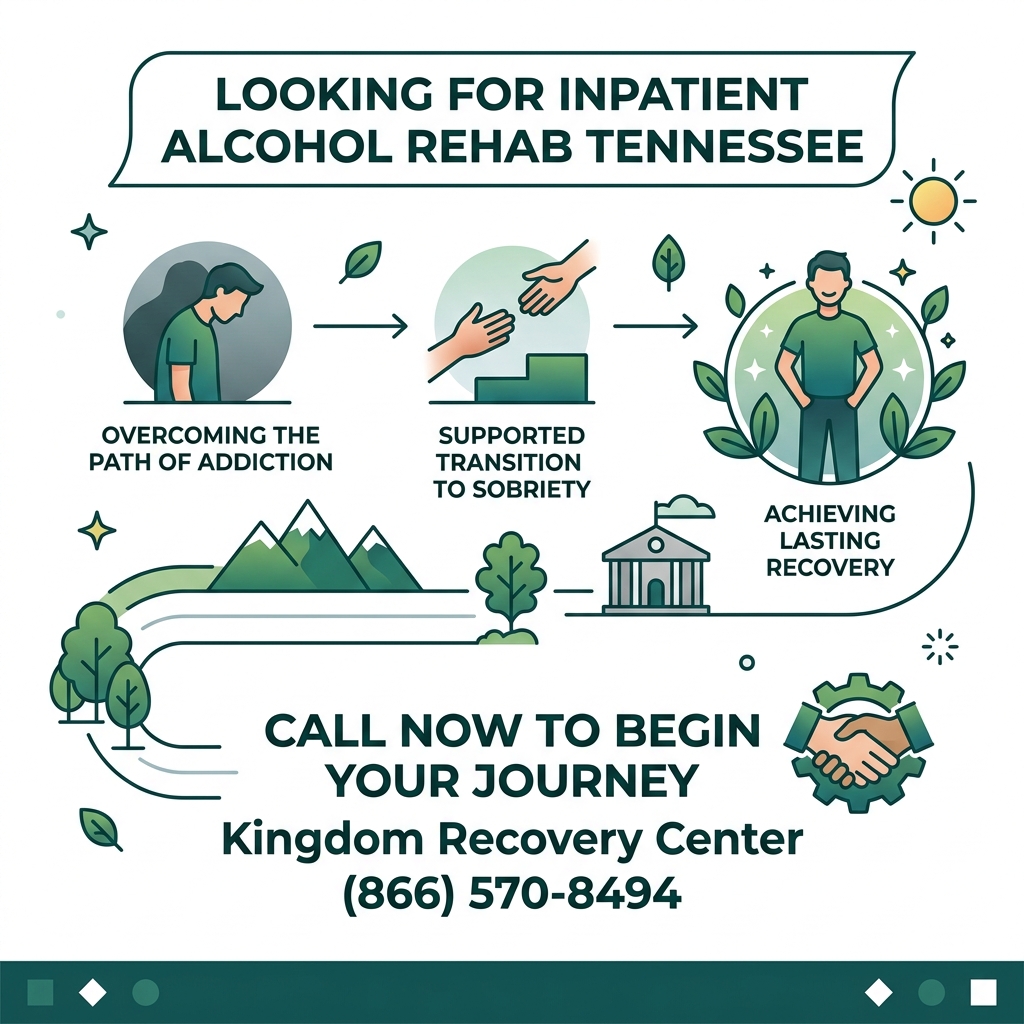
Inpatient alcohol rehab Tennessee is a structured, residential treatment program where you live at a facility full-time and receive round-the-clock medical and therapeutic support to overcome alcohol addiction.
Quick answer — here’s what inpatient alcohol rehab in Tennessee typically includes:
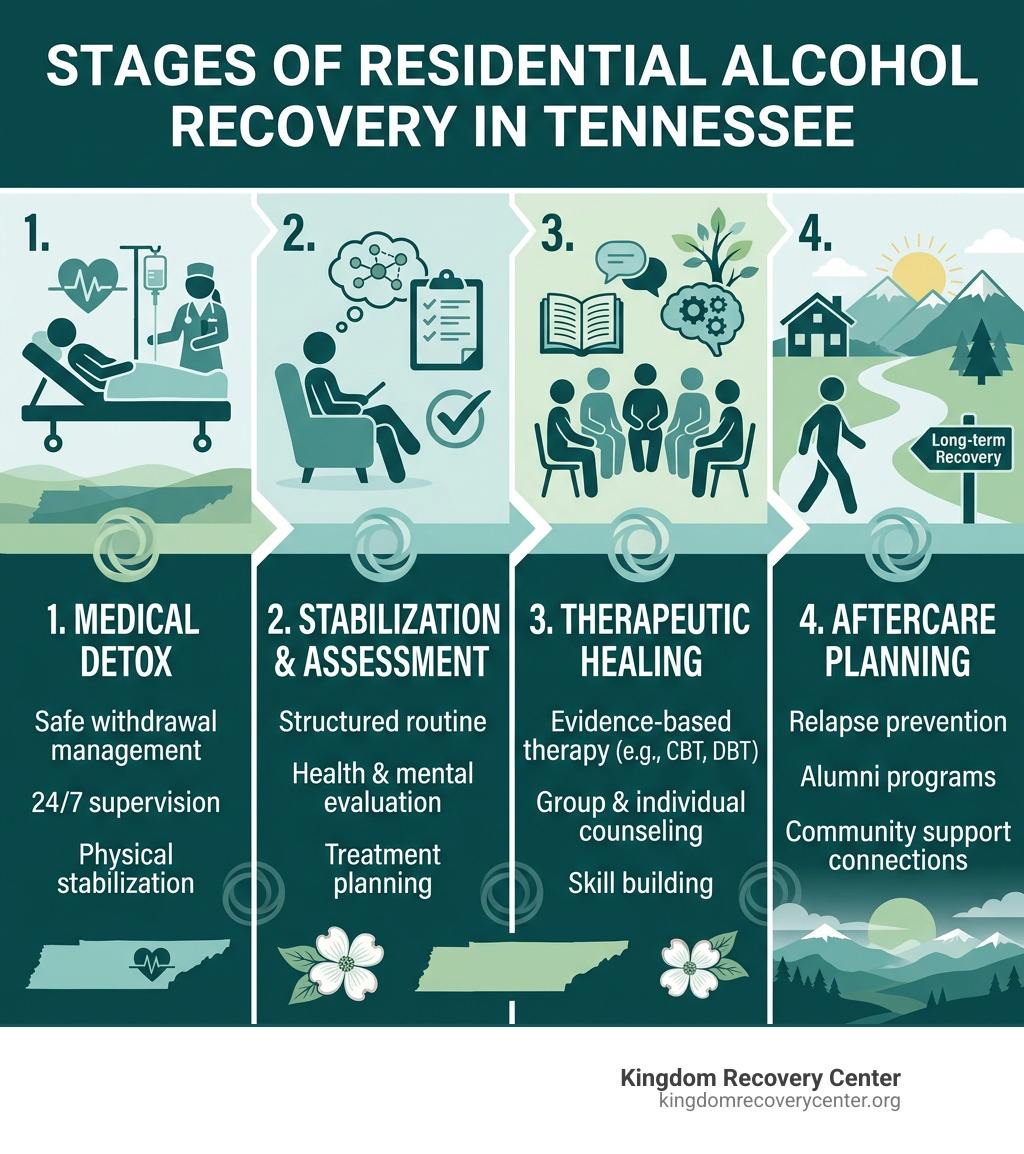
- Medical detox with 24/7 supervision to manage withdrawal safely
- Residential stay of 30, 60, or 90 days depending on your needs
- Evidence-based therapies like CBT, DBT, and trauma-informed care
- Dual diagnosis treatment for co-occurring mental health conditions
- Aftercare planning to support long-term sobriety after discharge
The scale of alcohol addiction in Tennessee is hard to ignore. Nearly 459,000 Tennesseans aged 18 and older meet the criteria for a substance use disorder. That’s roughly 1 in 20 residents living with alcohol addiction — and many of them are trying to find a way out.
Recovery is possible. But alcohol dependency is one of the most physically dangerous addictions to stop without help. Withdrawal can escalate quickly, and going it alone puts your life at risk.
The right inpatient program gives you the medical safety net, the therapeutic tools, and the structured environment to actually heal — not just stop drinking for a few days.
At Kingdom Recovery Center, located in Morristown, TN, we specialize in addiction recovery and mental health treatment, offering compassionate, evidence-based inpatient alcohol rehab Tennessee residents can access close to home. Our holistic, individualized approach guides clients from detox through aftercare, every step of the way.
Understanding Inpatient Alcohol Rehab in Tennessee
When you or a loved one decides to seek help, the terminology can feel like a maze. You’ll hear terms like “inpatient,” “residential,” and “outpatient” tossed around. In the context of inpatient alcohol rehab Tennessee offers, the primary goal is providing a safe, immersive environment where the outside world’s triggers are removed.
Inpatient treatment typically involves 24/7 medical supervision. This is crucial because alcohol is one of the few substances where withdrawal can actually be fatal. While some “inpatient” programs take place in a hospital-like setting for acute medical stabilization, many “residential” programs—like those we provide in East Tennessee—offer a more home-like environment. You still get the around-the-clock clinical support, but the setting is designed for long-term psychological and emotional healing rather than just clinical observation.
Choosing the right level of care is the first step toward success. If you are wondering about costs or coverage, you can explore more about Top TN Inpatient Drug Rehabs Covered by Insurance to see how your provider might assist with the journey.
| Care Level | Setting | Supervision | Best For |
|---|---|---|---|
| Inpatient | Hospital/Clinical | 24/7 Medical | Acute withdrawal, severe medical issues |
| Residential | Home-like Facility | 24/7 Clinical | Moderate to severe addiction, dual diagnosis |
| Outpatient | Home/Clinic | Scheduled Sessions | Mild addiction, step-down care after residential |
Signs You Need Inpatient Alcohol Rehab in Tennessee
How do you know if it’s time for a residential stay? For many, the “functioning alcoholic” myth keeps them from seeking help until a crisis occurs. However, certain physical and behavioral red flags indicate that a higher level of care is necessary.
One of the most telling signs is the presence of withdrawal symptoms. If you experience tremors (the “shakes”), nausea, or intense anxiety when you try to cut back, your body has become physically dependent. Other signs include:
- Failed Sobriety Attempts: If you’ve tried to quit on your own multiple times and found yourself returning to the bottle, the structure of a residential program is often the missing piece.
- High Tolerance: Needing significantly more alcohol to feel the same effects.
- Impaired Judgment: Making dangerous choices, such as drinking and driving or neglecting family responsibilities.
- Physical Health Declines: Early signs of liver damage, frequent blackouts, or digestive issues.
- Co-occurring Risks: Alcohol often worsens underlying risk factors, such as depression or PTSD.
At Kingdom Recovery Center, we understand the complexities of What We Treat – Alcohol Abuse and how it intertwines with your physical and mental well-being.
Specialized Inpatient Alcohol Rehab Tennessee Programs
Tennessee is unique in its approach to recovery, offering specialized tracks that cater to specific populations. We believe that treatment shouldn’t be one-size-fits-all. A veteran struggling with service-related trauma has different needs than a young adult who is just starting their professional life.
- Veterans Tracks: These programs focus on the intersection of military service, PTSD, and substance use.
- Young Adult Programs: Tailored for those aged 18–25, focusing on life skills and peer support.
- Professional Recovery: Designed for healthcare workers, pilots, or legal professionals who need to navigate licensing requirements while getting healthy.
- Gender-Specific Care: Many find that they can be more vulnerable and honest in environments separated by gender.
The importance of rehab programs in Tennessee for lasting recovery cannot be overstated. By choosing a local facility in Morristown or the Knoxville area, you remain close enough for family involvement while being far enough away from your daily stressors to find peace.
The Detox Process and Withdrawal Timeline
The journey usually begins with detox. This is the period where your body clears the alcohol from its system. Because alcohol withdrawal can trigger seizures or a dangerous condition called Delirium Tremens (DTs), we never recommend “cold turkey” detox at home.
The prognosis of alcohol withdrawal syndrome depends heavily on how quickly medical intervention begins. In a professional setting, we use medications to manage symptoms and prevent complications.
The Typical Timeline:
- 6–12 Hours: Early symptoms like anxiety, headaches, and tremors begin.
- 12–48 Hours: Symptoms may intensify; risk of hallucinations or seizures increases.
- 48–72 Hours: This is the peak window for severe symptoms like DTs, which involve confusion, rapid heart rate, and high blood pressure.
- 3–5 Days: Physical symptoms usually begin to fade, though psychological cravings remain.
During Alcohol Detox Knoxville and Morristown area residents receive, we place a heavy emphasis on nutritional support. Long-term alcohol use often leads to severe vitamin deficiencies. Supplementation with thiamine (Vitamin B1) is critical to prevent Wernicke-Korsakoff syndrome, a serious neurological disorder.
Evidence-Based Therapies and Dual Diagnosis Care
Once you are medically stable, the real work of “rehab” begins. This is where we move from healing the body to healing the mind. In our inpatient alcohol rehab Tennessee programs, we utilize a variety of evidence-based modalities.
- Cognitive Behavioral Therapy (CBT): This helps you identify the negative thought patterns that lead to drinking and replace them with healthy coping mechanisms.
- Dialectical Behavior Therapy (DBT): Excellent for emotional regulation and managing intense cravings.
- EMDR & Trauma-Informed Care: Many people use alcohol to “numb” past trauma. We address these root causes directly so the need for the substance diminishes.
- Medication-Assisted Treatment (MAT): In some cases, FDA-approved medications can be used to reduce cravings and prevent relapse.
- Family Therapy: Addiction is a family disease. We work to repair relationships and set healthy boundaries for when you return home.
A core component of our mission at Kingdom Recovery Center is dual diagnosis care. Statistics show that a large percentage of people with alcohol use disorder also struggle with a mental health condition like anxiety or bipolar disorder. If you only treat the drinking and ignore the depression, relapse is almost certain. Our Knoxville Inpatient Drug Rehab services ensure both are treated simultaneously.
Navigating Costs, Insurance, and Admissions
We know that one of the biggest hurdles to seeking help is the “how much will this cost?” question. The average cost for substance abuse treatment in Tennessee is cited at approximately $56,600, but that number is highly variable based on the length of stay and the level of luxury at the facility.
The good news? Most major insurance providers cover addiction treatment. Under the Affordable Care Act, substance use disorder services are considered essential health benefits. Furthermore, your job is often protected by the Family and Medical Leave Act (FMLA) or the Americans with Disabilities Act (ADA), meaning you can seek help without the fear of immediate termination.
If you are concerned about finances, we recommend looking into The Best Rehabs in Tennessee on a Budget. We strive to make our services accessible to our neighbors in East Tennessee.
The Admissions Process:
- Initial Call: A confidential conversation to discuss your needs.
- Assessment: A clinical and medical evaluation to determine the right level of care.
- Insurance Verification: Our team works with your provider to see what is covered.
- Intake & Orientation: You arrive at our Rehab Centers in Knoxville Tennessee area facilities, meet the team, and settle into your room.
Frequently Asked Questions about Tennessee Rehab
How long does inpatient alcohol rehab typically last?
Most programs offer a standard 30-day stay, which is excellent for stabilization and learning the basics of recovery. However, research suggests that longer stays—60 or 90 days—often lead to better long-term sobriety outcomes. The brain needs time to heal and rewire itself. Your length of stay will be individualized based on your progress and clinical needs. You can find more details in Your Guide to Alcohol and Drug Rehab in Knoxville TN.
Can I use my phone or laptop during treatment?
Policies vary, but most inpatient alcohol rehab Tennessee facilities limit tech use, especially during the first week. The goal isn’t to punish you; it’s to minimize distractions and “outside world” stress so you can focus entirely on your healing. Many programs have a “blackout” period followed by scheduled times where you can check in with family.
What happens after I complete residential treatment?
Finishing residential treatment is a massive achievement, but it’s just the beginning. We emphasize aftercare planning from day one. This might include transitioning to an Intensive Outpatient Program (IOP) or moving into a sober living home. We also provide alumni support and connections to local recovery communities. Whether you are looking for Alcohol Rehab Franklin TN options or staying in the East Tennessee area, having a relapse prevention plan is vital.
Conclusion
Alcohol addiction can make you feel isolated, but you are far from alone in Tennessee. At Kingdom Recovery Center, we believe that every person deserves a “recovery refuge”—a place where they are met with empathy rather than judgment.
Our facilities in Morristown and the surrounding East Tennessee area are designed to be that home for healing. Through evidence-based treatment, dual diagnosis support, and a commitment to individualized care, we empower you to reclaim your life from the grip of alcohol.
Recovery isn’t just about quitting a substance; it’s about starting a new way of living. If you’re ready to take that first step, we are here to walk the rest of the way with you.