Why Finding the Right Drug Rehab West Tennessee Matters
Drug rehab West Tennessee offers a range of treatment options for individuals struggling with substance use disorders, from medical detox and residential care to outpatient programs and aftercare support. Whether you’re in Jackson, Memphis, or surrounding areas, finding the right facility involves understanding treatment levels, verifying insurance coverage, evaluating staff qualifications, and ensuring comprehensive aftercare is available.
Quick Guide to Drug Rehab in West Tennessee:
- Medical Detox – Medically supervised withdrawal management (6-12 hours to several weeks)
- Residential/Inpatient – 24/7 care in a structured environment (30-90+ days)
- Partial Hospitalization (PHP) – Intensive daily treatment without overnight stays
- Intensive Outpatient (IOP) – Several hours of therapy multiple days per week
- Standard Outpatient – Flexible weekly sessions while maintaining daily responsibilities
- Aftercare – Ongoing support, sober living, and relapse prevention
The need for effective treatment in West Tennessee is urgent. Madison County alone recorded 31 drug overdose deaths in 2020, and approximately 73,000 patients received opioid prescriptions in 2021. Nearly 21% of residents reported binge alcohol use, while 4% reported pain reliever misuse. These aren’t just statistics—they represent neighbors, family members, and friends who need help.
Finding the right treatment center can feel overwhelming, especially when you’re already struggling with addiction. You might be wondering which program fits your needs, how to pay for treatment, or whether recovery is even possible. The good news? Recovery is absolutely possible, and West Tennessee has resources to support your journey.
At Kingdom Recovery Center in Morristown, TN, we’ve helped countless individuals steer their path to recovery through evidence-based Drug rehab West Tennessee programs that address both addiction and underlying mental health challenges. Our holistic, client-centered approach has transformed lives across Tennessee, and we understand what it takes to build lasting sobriety.
Tip 1: Understand the Different Drug Rehab West Tennessee Programs
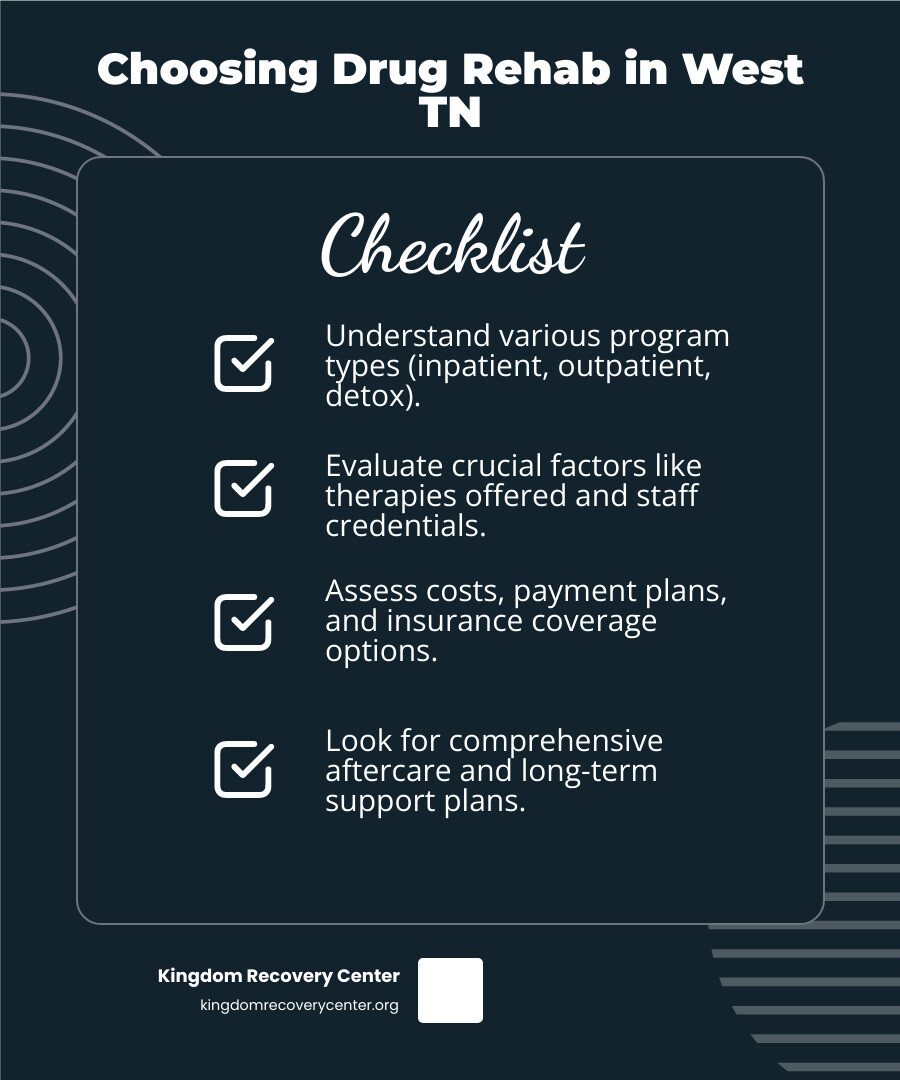
When seeking help for substance use disorder in West Tennessee, understanding the various types of programs available is the first crucial step. Addiction treatment is not a one-size-fits-all solution; it requires a custom approach based on an individual’s specific needs, the severity of their addiction, and their life circumstances. The continuum of care model, often guided by the American Society of Addiction Medicine (ASAM) criteria, provides a framework for matching individuals with the most appropriate level of support.
This continuum typically begins with medical detoxification and progresses through various intensities of residential and outpatient care. The goal is to provide enough support to achieve sobriety while also fostering the skills and resilience needed for long-term recovery.
The Critical First Step: Medical Detox
For many individuals, the journey to recovery begins with medical detox. This essential phase involves safely and comfortably managing withdrawal symptoms that occur when someone stops using drugs or alcohol. Withdrawal can be incredibly challenging, and for certain substances like alcohol, benzodiazepines, or opioids, it can even be life-threatening without proper medical supervision.
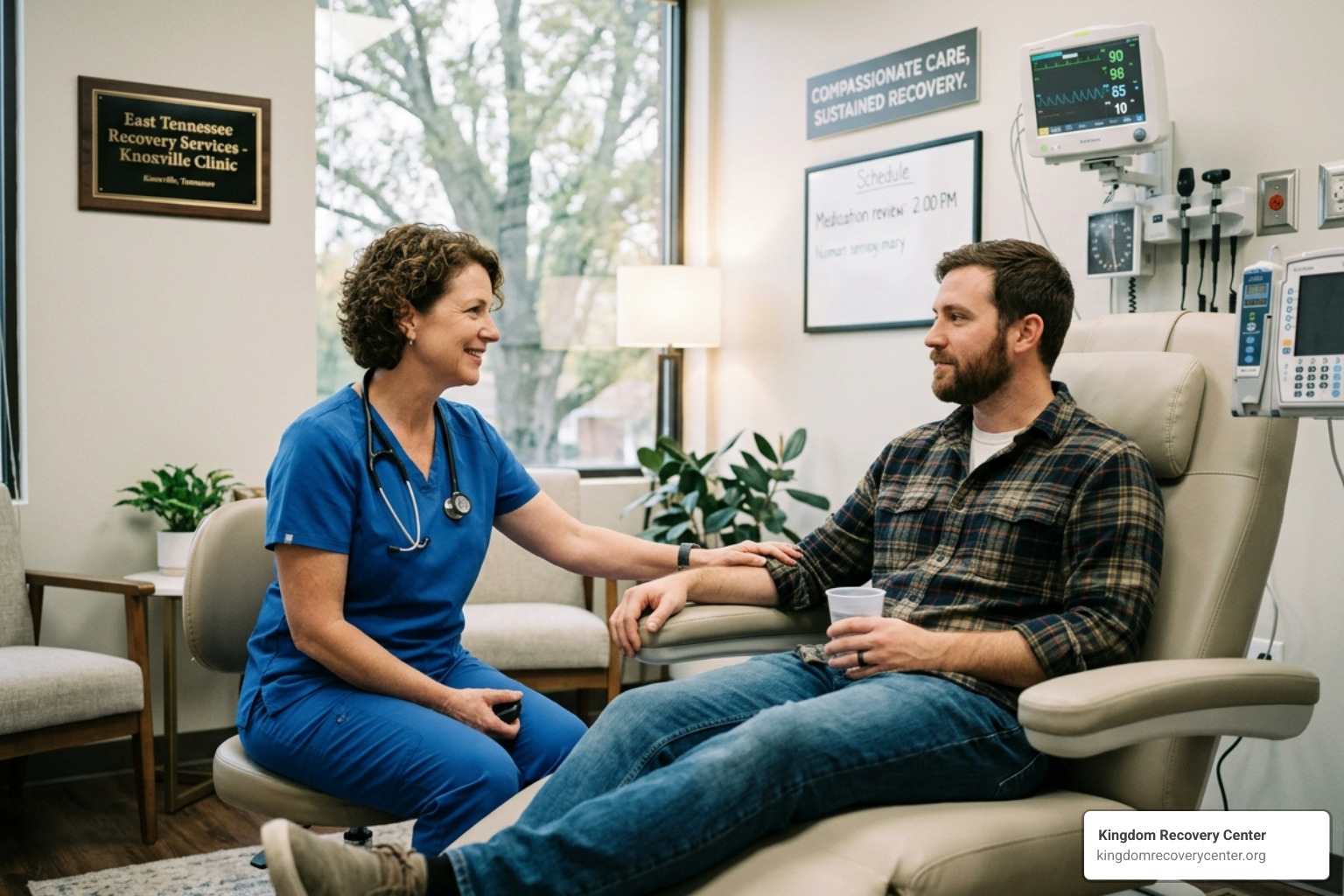
During medical detox, a team of dedicated medical professionals provides 24/7 monitoring and support. This constant oversight ensures that any severe withdrawal symptoms, such as seizures, hallucinations, or extreme discomfort, are managed effectively with medication and compassionate care. This medically assisted detox significantly reduces the risk of relapse during the vulnerable initial stages of sobriety. As the Substance Abuse and Mental Health Services Administration (SAMHSA) reports, around-the-clock supervision and support significantly improve detox program completion and success rates. Understanding the science behind medically assisted detox highlights how this critical first step lays a solid foundation for successful long-term treatment.

Choosing the Right Level of Care
After detox, or if detox is not required, the next step is to choose the right level of ongoing care. This decision depends on several factors, including the severity and duration of the addiction, the stability of an individual’s home environment, and their work or school commitments.
-
Inpatient Residential Treatment: This is the most intensive form of care, offering 24/7 support in a structured, therapeutic environment. Clients live at the facility, removed from the triggers and stresses of their daily lives, allowing them to focus entirely on their recovery. This setting is ideal for those with severe addictions, co-occurring mental health disorders, or unstable home environments.
-
Partial Hospitalization Programs (PHP): A PHP provides intensive treatment during the day, similar to inpatient care, but allows clients to return home in the evenings. This option offers a high level of support while gradually reintroducing individuals to their home environment. For those who need structured care but don’t require 24/7 supervision, PHP can be an excellent bridge between residential treatment and less intensive outpatient programs. You can learn more about Partial Hospitalization on our site.
-
Intensive Outpatient Programs (IOP): IOPs offer several hours of therapy and group sessions multiple days a week, providing significant support while allowing individuals to maintain their work, school, or family responsibilities. This level of care is suitable for those with a strong support system at home and a good grasp on managing triggers. Explore our Intensive Outpatient Program (IOP) for more details.
-
Standard Outpatient Care: This is the least intensive level of care, involving fewer hours of therapy per week. It’s often a step-down option for individuals who have completed higher levels of treatment and need ongoing support to reinforce their recovery skills.
The journey through these levels of care emphasizes personal responsibility, gradually empowering individuals to take control of their sobriety. Deciding between options like IOP and PHP involves key considerations regarding your specific situation and needs. Our team at Kingdom Recovery Center works closely with individuals and their families to determine the most effective path forward.
Tip 2: Evaluate Key Factors for Choosing a Center
Choosing a Drug rehab West Tennessee center is a significant decision that can profoundly impact the success of your recovery journey. It’s not just about finding a place that offers treatment; it’s about finding the right place that aligns with your values, addresses your unique needs, and provides a supportive environment for healing. Several critical factors come into play when making this choice.
First and foremost, look for proper accreditation and licensing. In Tennessee, facilities should be licensed by the State of Tennessee Department of Mental Health and Substance Abuse Services (TDMHSAS). This ensures they meet specific standards for safety, quality of care, and ethical practices. Accreditations from national bodies like The Joint Commission or CARF also signify a commitment to excellence.
Staff qualifications are equally important. You want to be sure that the medical and clinical teams are highly skilled, experienced, and compassionate. A strong treatment philosophy, such as a client-centered approach, means that your individual journey and goals will be prioritized. At Kingdom Recovery Center, we believe in client-centered treatment, tailoring our programs to each person’s unique path. Look for centers that use evidence-based practices—therapeutic interventions and strategies that have been scientifically proven to be effective in treating substance use disorders.

What to Look for in a Drug Rehab West Tennessee Center
When you’re researching potential facilities, asking the right questions can make all the difference. Here’s a list of key questions to guide your search:
- Is the facility licensed by the State of Tennessee and accredited by reputable national organizations?
- What is the staff-to-client ratio? A lower ratio often means more individualized attention.
- Does the center treat co-occurring mental health disorders, also known as dual diagnosis? Many individuals struggling with addiction also have underlying mental health conditions like anxiety, depression, or trauma. Effective treatment addresses both simultaneously. Our programs at Kingdom Recovery Center specialize in Dual Diagnosis treatment.
- Do they employ a trauma-informed care approach? This recognizes the pervasive impact of trauma and integrates this understanding into all aspects of treatment.
- What is the typical length of stay for their programs?
- What types of therapies do they offer?
- How do they involve family in the treatment process?
- What does their aftercare planning look like?
Common Therapies and Treatment Approaches
Modern Drug rehab West Tennessee centers, including our own, employ a variety of therapeutic approaches designed to equip individuals with the tools they need for lasting recovery. These often include:
- Cognitive Behavioral Therapy (CBT): This therapy helps individuals identify and change negative thought patterns and behaviors that contribute to substance use. It’s highly effective in developing coping mechanisms and problem-solving skills. Learn more about Cognitive Behavioral Therapy and its benefits.
- Dialectical Behavioral Therapy (DBT): Often used for individuals with co-occurring mental health conditions, DBT focuses on emotional regulation, distress tolerance, interpersonal effectiveness, and mindfulness. Our programs frequently incorporate Dialectical Behavioral Therapy to support comprehensive healing.
- Holistic Therapies: Many centers integrate holistic approaches that address the mind, body, and spirit. These can include yoga, meditation, art therapy, mindfulness practices, and nutritional guidance. We understand the importance of mental health and holistic healing in fostering overall well-being.
- Family Involvement: Addiction impacts the entire family system. Therapy that involves family members can help heal relationships, improve communication, and build a stronger support network for the individual in recovery.
Tip 3: Steer Costs, Payment, and Insurance
The cost of Drug rehab West Tennessee can vary significantly depending on the type of program, length of stay, and specific services offered. While it’s natural to be concerned about expenses, viewing treatment as an investment in your health and future can reframe the conversation. The long-term costs of untreated addiction—including health issues, legal problems, and lost productivity—often far outweigh the cost of rehabilitation.
How Insurance Coverage Works for Rehab
Fortunately, navigating the financial aspects of addiction treatment has become more accessible. The Mental Health Parity and Addiction Equity Act (MHPAEA) mandates that insurance companies must provide coverage for mental health and substance use disorder treatment at the same level as medical and surgical benefits. This means your insurance plan is likely to cover at least a portion of your rehab costs.
When considering treatment, it’s crucial to verify your benefits. We can help you understand your coverage for our programs in Tennessee. You’ll want to know if a facility is in-network or out-of-network with your provider, as this impacts your out-of-pocket expenses. Our team is experienced in using insurance to cover the costs of rehab and can assist with this process.
In Tennessee, state-specific insurance options also play a vital role:
- TennCare: Tennessee’s Medicaid program, TennCare, covers addiction treatment for eligible residents who meet income and resource limits. TennCare has expanded its coverage for opioid use disorder (OUD) services, potentially covering all FDA-approved medications, doctor visits, counseling, and support services with no deductible or out-of-pocket expense (exclusive of the Part B deductible). This is a significant resource for many Tennesseans.
- Medicare: For residents 65 and older, or those with certain disabilities, Medicare provides coverage for addiction treatment services.
Paying for Drug Rehab West Tennessee Without Insurance
Even without private insurance, there are still viable options for accessing Drug rehab West Tennessee services. The State of Tennessee is committed to providing treatment for its residents, especially those with the greatest needs and the least ability to pay.
- State-Funded Programs: The Tennessee Department of Mental Health and Substance Abuse Services (TDMHSAS) contracts with community-based organizations to provide a continuum of substance use treatment services. These programs are primarily intended for Tennesseans who are indigent, not eligible for TennCare or other insurance, or who have exhausted their existing benefits. Eligibility criteria often include meeting specific income guidelines, such as being at or below 138% of federal poverty guidelines. You can find more information about the state’s continuum of care treatment services.
- Sliding Scale Fees: Many facilities offer a sliding scale fee structure, where the cost of treatment is adjusted based on an individual’s income and financial situation. This makes treatment more affordable for those with limited financial resources.
- Private Financing Options: Some centers offer payment plans or connect individuals with healthcare financing companies that provide loans specifically for addiction treatment.
- Non-Profit Organizations: Organizations like the Jackson Area Council on Alcoholism and Drug Dependency (JACOA), licensed by TDMHSAS, provide residential rehabilitation treatment, often with funding that can assist those unable to pay full costs. Similarly, other non-profits in the state aim to make treatment accessible.
Finding the best rehabs in Tennessee on a budget is possible with careful research and understanding of available financial aid. Don’t let financial concerns prevent you from seeking life-saving treatment.
Tip 4: Look for Comprehensive Support and Aftercare
Recovery from addiction is not a destination; it’s a lifelong journey. While primary treatment programs are crucial for establishing initial sobriety, comprehensive support and aftercare are equally vital for maintaining it. The transition from a structured treatment environment back to daily life can be challenging, and having ongoing support significantly reduces the risk of relapse.
Effective aftercare programs focus on preventing relapse, building a strong sober community, and equipping individuals with the coping skills needed to steer life’s stressors without turning to substances.
The Importance of Aftercare and Relapse Prevention
Aftercare services are designed to provide continued support as individuals integrate back into their communities. These can include:
- Sober Living Resources: These provide a safe, structured, and substance-free environment for individuals transitioning out of residential treatment. They offer accountability and peer support, helping residents practice sober living skills.
- Alumni Programs: Many rehab centers offer alumni programs that provide a network of support, regular meetings, and social events for former clients. These programs foster a sense of community and connection, reminding individuals they are not alone in their recovery. You can find insights on life after rehab and the importance of ongoing support.
- Continued Therapy and Counseling: Regular individual or group therapy sessions can help individuals continue to process emotions, address underlying issues, and refine their coping strategies. Our programs emphasize relapse prevention strategies to empower lasting sobriety.
Finding Local Support Networks
Beyond formal aftercare programs, connecting with local support networks is a cornerstone of long-term recovery. These communities offer invaluable peer support, shared experiences, and a sense of belonging.
- Support Groups: Organizations like Alcoholics Anonymous (AA) and Narcotics Anonymous (NA) have meetings across West Tennessee and throughout the state. These 12-step programs provide a framework for recovery and a strong fellowship. You can often find a local meeting through their websites, such as
https://aawesttn.org/meetings/for West Tennessee. - SMART Recovery: This is an alternative to 12-step programs, focusing on self-empowerment and practical tools for recovery based on cognitive behavioral therapy.
- Faith-Based Support Groups: Many churches and faith organizations offer support groups that integrate spiritual principles with recovery. For many, embracing community in the journey of addiction recovery is a powerful component of healing.
The Tennessee Department of Mental Health and Substance Abuse Services (TDMHSAS) also provides resources and information for individuals seeking support, including helplines and online information through their social media channels like Facebook, YouTube, Instagram, and LinkedIn.
Tip 5: Know the Signs and How to Find Reputable Help
Recognizing that someone needs help with addiction, or acknowledging it in yourself, is often the hardest part of the recovery journey. Addiction is a complex disease that affects the brain and behavior, often leading to denial in the individual struggling. Understanding the signs and knowing how to find reputable help are crucial steps toward intervention and treatment.
Recognizing the Problem: Signs That Someone Needs Drug Rehab West Tennessee
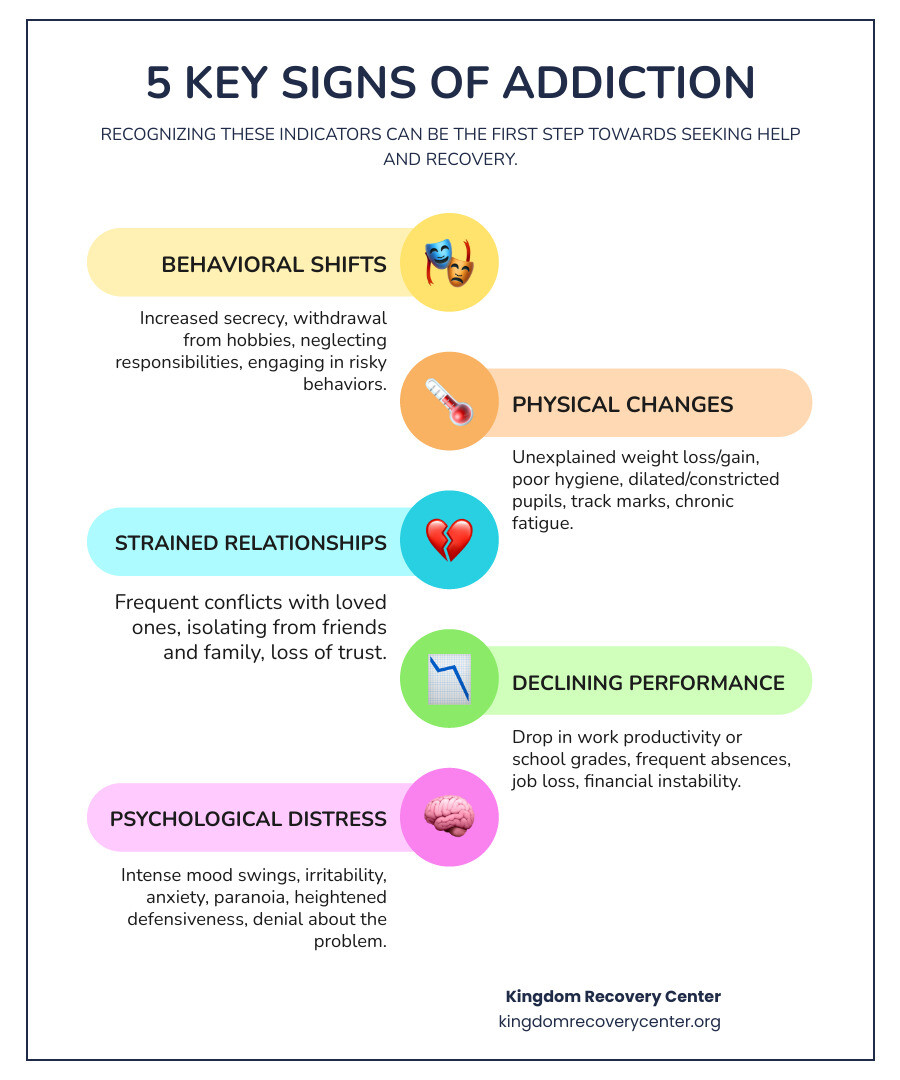
The signs of drug addiction can manifest in various ways, affecting a person’s physical health, behavior, and psychological well-being. These signs can vary depending on the substance used and the individual. Some common indicators include:
- Physical Signs: Changes in appearance (neglecting hygiene), dilated or constricted pupils, sudden weight loss or gain, frequent illness, track marks (for injectable drugs), or experiencing withdrawal symptoms like tremors, sweating, nausea, or seizures when not using.
- Behavioral Changes: Increased secrecy, sudden changes in friends or activities, neglecting responsibilities at work or school, financial problems, engaging in risky behaviors, legal troubles, or prioritizing drug use over everything else. We dig deeper into the signs of drug addiction on our website.
- Psychological Symptoms: Mood swings, increased irritability, anxiety, depression, paranoia, lack of motivation, or an inability to control drug use despite negative consequences. Denial is a pervasive psychological symptom, making it difficult for individuals to admit they have a problem.
If you observe these signs in a loved one, or if you recognize them in yourself, it’s a strong indicator that professional help is needed.
How to Find a Reputable Center
Once the need for help is identified, finding a reputable Drug rehab West Tennessee center becomes paramount. This requires careful research to ensure the facility provides effective, ethical, and compassionate care.
- Trusted Helplines: The SAMHSA National Helpline at 1-800-662-HELP (4357) is a confidential resource that can provide referrals to treatment facilities and support groups. The Tennessee REDLINE at 800-889-9789 also offers free and confidential referrals to treatment services across the state.
- Online Directories and Resources: Websites like
addictions.comcan provide listings of rehab centers. For instance, you can find information about Alcohol & Drug Rehabs in Morristown, Tennessee, one of our key locations. - Physician Referrals: Your primary care physician or a mental health professional can often provide trusted referrals to addiction treatment specialists and facilities.
- Checking Facility Credentials: Always verify that a facility is licensed by the state and accredited by national organizations. Don’t hesitate to ask about their treatment philosophies, staff qualifications, and success rates. Our guide on what to assess when choosing the right recovery center offers more detailed advice.
Understanding Success Rates and Outcomes
When considering Drug rehab West Tennessee, it’s natural to wonder about success rates. Defining “success” in addiction recovery can be complex. While complete abstinence is often a primary goal, success also encompasses an improved quality of life, reduced substance use, better physical and mental health, stable housing, employment, and improved relationships.
Research consistently shows that long-term engagement in treatment significantly improves outcomes. Individuals who remain in treatment for longer periods, participate in aftercare, and engage with support groups tend to have higher rates of sustained recovery. It’s important to look for centers that focus on holistic well-being and equip individuals with the tools for lifelong sobriety, rather than just short-term abstinence. Our approach emphasizes these long-term outcomes, focusing on insights on life after rehab, ensuring long-lasting sobriety.
Conclusion
Navigating the path to recovery from addiction in West Tennessee can seem daunting, but with the right information and support, a healthier, substance-free life is within reach. We’ve explored five effective tips to guide you: understanding the different types of programs, evaluating key factors for choosing a center, steering costs and payment options, looking for comprehensive support and aftercare, and knowing the signs and how to find reputable help.
The statistics for West Tennessee, like the overdose rates in Madison County and the prevalence of opioid prescriptions, highlight a pressing need, but they also underscore the availability of resources. Recovery is not just a dream; it’s a tangible reality for countless individuals who have walked this path.
At Kingdom Recovery Center, we are dedicated to providing client-centered, evidence-based addiction, mental health, and behavioral health treatment across Tennessee. Our individualized care and dual diagnosis programs empower lasting change, offering hope and healing to those seeking a new beginning. Don’t let fear or uncertainty hold you back.
Begin your journey with our comprehensive addiction treatment programs today. Help is here, and a better life is waiting.