Finding Hope and Healing in East Tennessee
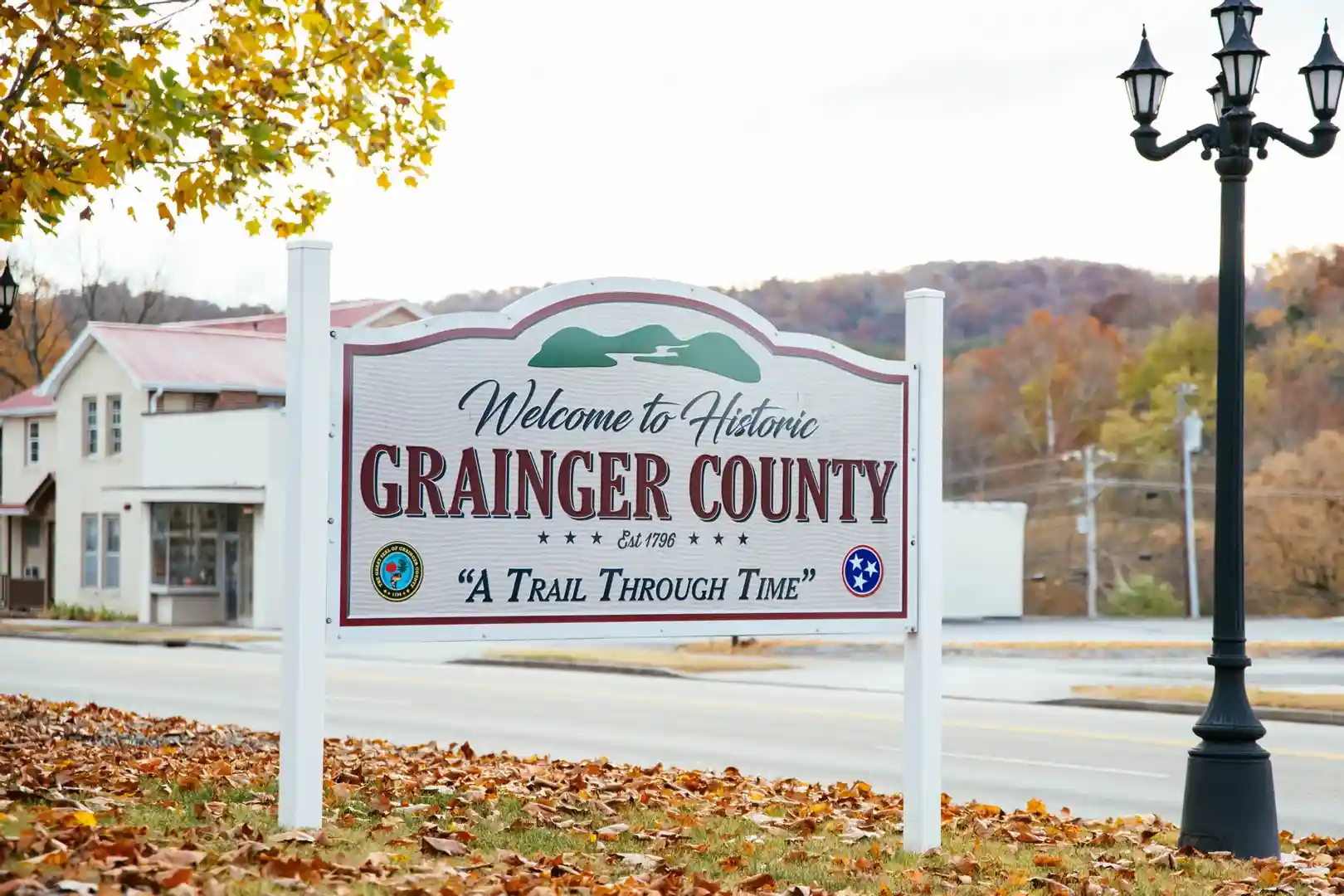
Drug rehab Grainger County TN options may feel limited in this rural part of East Tennessee, but help is closer than you think. Whether you’re seeking detox services, residential treatment, or outpatient care, understanding your choices is the first step toward recovery.
Quick Answer: Drug Rehab Options for Grainger County Residents
- McNabb Center Mobile Mental Health Clinic – Serves Grainger County with substance use treatment services
- Nearby Residential Centers – English Mountain Recovery (Sevier County), Mirror Lake Recovery Center (Middle Tennessee)
- Outpatient Programs – Grace Recovery Center locations in Johnson City, Kingsport, Nashville, and Brentwood
- Specialized Care – Dual diagnosis treatment, medication-assisted therapy (MAT), faith-based programs
- Cost Options – Most insurance accepted, state-funded resources, sliding scale fees available
Living in a rural community like Grainger County can make finding addiction treatment feel overwhelming. The nearest specialized facilities may be a drive away, but that distance shouldn’t stop you from getting help. Many centers offer transportation assistance, and some services like the McNabb Center’s Mobile Mental Health Clinic come directly to your community.
Addiction causes spiritual, emotional, and physical devastation, as one treatment center notes, but recovery is absolutely possible. The key is understanding what types of programs exist, what level of care you need, and how to access services that fit your situation and budget.
The good news? Tennessee has expanded its addiction treatment resources significantly. From medical detox programs that safely manage withdrawal symptoms to intensive outpatient programs that let you maintain work and family responsibilities, there’s a path forward that works for your life.
At Kingdom Recovery Center in Morristown, TN, we understand the unique challenges facing Grainger County residents seeking drug rehab Grainger County TN services, and we’ve helped countless East Tennessee individuals and families find lasting freedom from addiction through our compassionate, evidence-based treatment approach. This guide will walk you through everything you need to know about finding quality care close to home.
Understanding Addiction: Signs and Available Treatment Programs

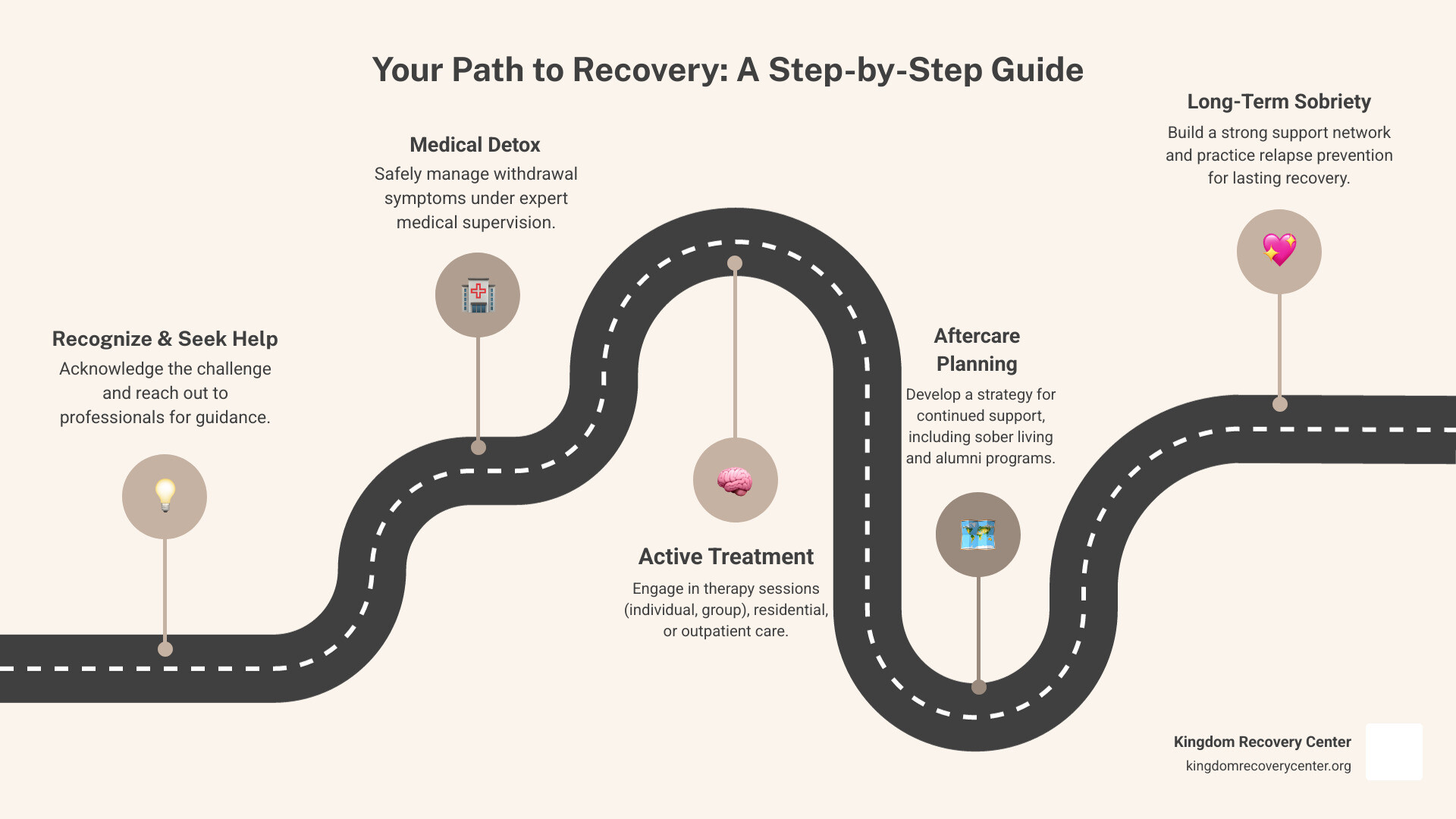
When addiction takes hold, it can feel like a lonely battle, not just for the individual struggling, but for their loved ones too. But you don’t have to face it alone. Recognizing the signs and understanding the different pathways to recovery are crucial first steps. We believe that everyone deserves a chance at a healthier, happier life, and that starts with knowing when it’s time to reach out.
Recognizing the Signs It’s Time for Help
Addiction often hides in plain sight, subtly changing a person’s life until the problem becomes undeniable. It’s not always about hitting rock bottom; sometimes, the signs are more gradual, like a slow erosion of a person’s well-being and relationships. We’ve seen how important it is to recognize these indicators early.
Here are some common signs that someone might need drug rehab Grainger County TN services:
- Physical signs: These can include sudden weight loss or gain, dilated or constricted pupils, poor hygiene, frequent nosebleeds, track marks, or unexplained injuries. They might also experience withdrawal symptoms like nausea, sweating, tremors, or seizures when not using the substance.
- Behavioral changes: A person struggling with addiction might become secretive, lie frequently, engage in risky behaviors, or have legal troubles. They may also lose interest in hobbies they once loved, neglect responsibilities at work or school, and experience changes in sleep patterns.
- Psychological symptoms: Mood swings, increased irritability, anxiety, paranoia, or depression are common. They might also show a lack of motivation, feelings of hopelessness, or an inability to control their substance use despite negative consequences.
- Strained relationships: Addiction often puts immense stress on relationships with family and friends. Arguments may become more frequent, trust erodes, and social isolation can increase.
- Neglecting responsibilities: Failing to meet obligations at work, school, or home is a significant red flag. This can include frequently missing work, failing classes, or neglecting childcare or household duties.
If you or a loved one are exhibiting these signs, it’s a clear indicator that professional help is needed. We offer resources like our guides on Signs of Drug Addiction and Signs Indicating It’s Time to Seek Help for Substance Use Disorder to help you understand these indicators more deeply.
Levels of Care for Addiction Treatment
Addiction treatment isn’t a one-size-fits-all solution. There’s a spectrum of care designed to meet individuals at different stages of their recovery journey and with varying needs. Understanding these levels can help you determine the best fit for yourself or your loved one seeking drug rehab Grainger County TN.
- Medical Detox: This is often the first crucial step in recovery, especially for those with severe physical dependence. During detox, substances are safely removed from the body under medical supervision. This process manages uncomfortable and potentially dangerous withdrawal symptoms, making it as safe and comfortable as possible. Our guide, What to Expect in a Drug and Alcohol Detox Program for Everyone, provides a comprehensive overview.
- Inpatient/Residential Programs: These programs provide 24/7 care in a structured, supportive environment away from daily triggers. Patients live at the facility for a period (often 30, 60, or 90 days, or even longer), engaging in intensive therapy, education, and support groups. While Kingdom Recovery Center specializes in outpatient care, we recognize the value of residential programs for those requiring a higher level of initial support. For residents of Grainger County, options for such immersive care can be found in nearby East Tennessee counties, offering a focused environment for healing.
- Partial Hospitalization Programs (PHP): PHP offers a high level of structured treatment without requiring overnight stays. Patients attend therapy sessions for several hours a day, typically five days a week, returning home or to a sober living environment in the evenings. This allows for intensive treatment while gradually re-integrating into daily life. Our center offers PHP, providing a robust level of care for those who need significant support but don’t require 24-hour supervision. You can learn more about this level of care in our guide, A Bridge to Recovery: Your Guide to Partial Hospitalization Programs.
- Intensive Outpatient Programs (IOP): IOPs provide a flexible treatment option, offering structured therapy for a few hours a day, several days a week. This allows individuals to continue with work, school, or family responsibilities while receiving vital support. IOP is an excellent step down from PHP or for those who need more support than standard outpatient care. We offer comprehensive IOP services, detailed in our Intensive Outpatient Program guide.
- Standard Outpatient Programs (OP): OP is the least intensive level of care, involving weekly therapy sessions. It’s suitable for individuals with less severe substance use disorders, those transitioning from higher levels of care, or as ongoing maintenance for long-term recovery. Our Treatment: Outpatient Program (OP) provides continued support to help individuals maintain sobriety and develop coping skills.
How to Choose the Right Drug Rehab in Grainger County TN

Choosing the right drug rehab Grainger County TN program is a profoundly personal decision, one that can significantly influence the success of your recovery journey. It’s not just about finding a facility; it’s about finding a place that resonates with your values, meets your specific needs, and provides the best possible environment for healing. We understand the weight of this decision and are here to help you make an informed choice.
What to Look for in a Drug Rehab Grainger County TN
When evaluating options for addiction treatment, especially in a rural area like Grainger County where choices might feel scarce, know what qualities indicate a reputable and effective program.
Here’s what we consider vital:
- Accreditation (CARF, Joint Commission): Accreditation from recognized bodies like CARF International demonstrates a program’s commitment to quality, transparency, and patient satisfaction. For instance, the McNabb Center, which serves Grainger County via its Mobile Mental Health Clinic, is CARF accredited. This assures you that the facility meets rigorous standards for care.
- Licensed and certified staff: Look for programs staffed by qualified professionals, including licensed therapists, counselors, medical doctors, and psychiatrists. Their expertise ensures you receive evidence-based care custom to your needs. We pride ourselves on our team of experienced and compassionate professionals.
- Evidence-based therapies: Effective treatment relies on proven methods. Look for centers that offer therapies like Cognitive Behavioral Therapy (CBT), Dialectical Behavioral Therapy (DBT), individual psychotherapy, and group therapy. These approaches help individuals understand the root causes of their addiction and develop healthy coping mechanisms. Our guide, Understanding the Role of Therapy in Addiction Recovery, digs deeper into these effective treatments.
- Low client-to-staff ratio: A lower ratio often means more personalized attention and individualized care, which can be critical for effective treatment. It ensures that staff can dedicate ample time to each client’s unique journey.
- Aftercare planning: Recovery doesn’t end when a program does. A good rehab will emphasize comprehensive aftercare planning to support long-term sobriety. This includes strategies for relapse prevention and continued support.
To further guide your decision, we encourage you to review our insights on What to Assess When Choosing the Right Recovery Center.
Finding Specialized Drug Rehab Grainger County TN Programs
Addiction is complex, and often, individuals face co-occurring mental health disorders or struggles with specific substances that require specialized care. The best drug rehab Grainger County TN approach acknowledges this complexity.
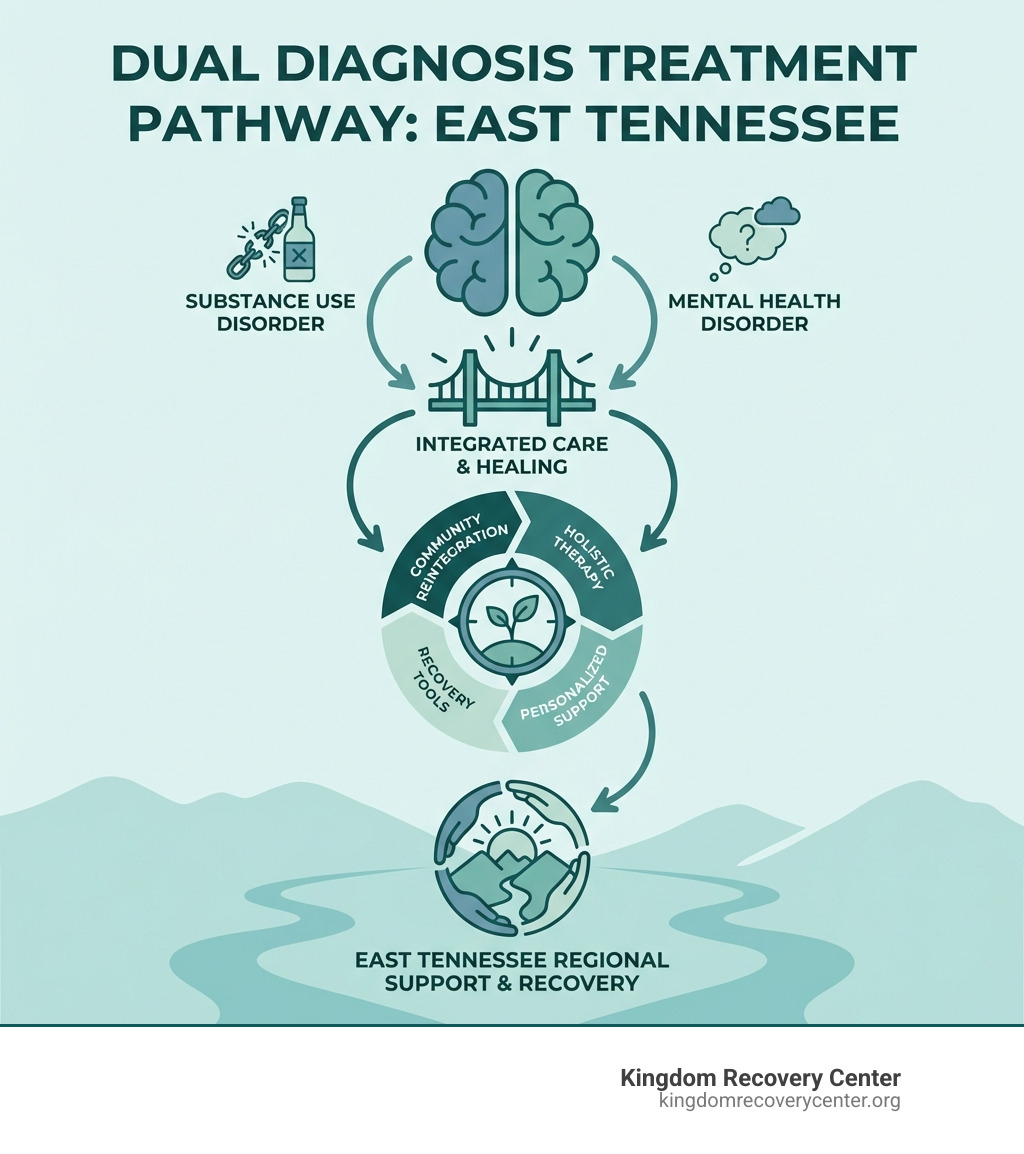
- Dual Diagnosis for co-occurring disorders: Many individuals battling addiction also struggle with mental health conditions like depression, anxiety, PTSD, or bipolar disorder. This is known as a dual diagnosis. Treating both conditions simultaneously is crucial for lasting recovery. The Tony Rice Center, for instance, specifically states its mission to improve the quality of life for people with co-occurring disorders in Tennessee. Our center specializes in dual diagnosis programs, understanding that an integrated approach leads to better outcomes. You can explore our dedicated page on What We Treat: Dual Diagnosis.
- Treatment for specific substances like opioids or alcohol: Different substances require different treatment protocols. For example, opioid addiction often benefits from Medication-Assisted Treatment (MAT) alongside therapy. We offer specialized programs for a range of substances, including opioids, alcohol, methamphetamine, and more, ensuring targeted and effective care.
- Gender-specific programs: Some individuals find greater comfort and openness in programs designed exclusively for men or women, where they can address issues unique to their gender without potential distractions. While not our primary focus, we understand the benefits some individuals find in such settings.
- Faith-based options: For many, spirituality plays a vital role in recovery. Faith-based programs integrate spiritual principles and practices into the treatment process. We offer Faith-Based Addiction Recovery Treatment for those who wish to incorporate their spiritual journey into their healing process.
Navigating the Cost of Addiction Treatment
Concerns about the cost of drug rehab Grainger County TN should never be a barrier to seeking help. We firmly believe that financial limitations should not prevent anyone from accessing life-saving addiction treatment. Understanding your options and advocating for your care can make a significant difference. The Mental Health Parity and Addiction Equity Act (MHPAEA) aims to ensure that insurance coverage for mental health and substance use disorder treatment is no more restrictive than for medical and surgical care.
Does Insurance Cover Rehab Services?
The short answer is usually yes! Most public and private health insurance plans in Tennessee provide coverage for substance abuse treatment. However, the extent of coverage can vary significantly depending on your specific insurance provider and plan.
- Verifying your benefits: This is the most crucial step. Our team can help you steer the complexities of insurance. We offer direct Insurance Verification to clarify what your plan covers. This includes checking if we are in-network or out-of-network with your provider.
- In-network vs. out-of-network: Choosing an in-network provider typically results in lower out-of-pocket costs. However, out-of-network benefits can still cover a substantial portion of treatment expenses.
- Types of plans (PPO, HMO): Different plan types, such as PPO, POS/EPO, and HMO, have varying structures for coverage, deductibles, co-pays, and out-of-pocket maximums. For example, we work with plans like Ambetter TN and can help you understand your specific benefits. Our guide, Using Insurance to Cover the Costs of Rehab, provides more detailed information on how to maximize your insurance benefits.
The cost of treatment is also influenced by the specific services provided and the duration of the program. Generally, inpatient care tends to be more expensive due to 24/7 care and accommodations, while outpatient options are typically more affordable.
Low-Cost and State-Funded Options
Even without comprehensive insurance, or if your insurance doesn’t cover everything, there are still avenues for affordable drug rehab Grainger County TN and surrounding areas.
- State-funded facilities: Tennessee offers state-funded addiction treatment options for eligible residents. These programs often have specific criteria, but they are designed to provide care to those who need it most, regardless of their ability to pay.
- Non-profit organizations: Organizations like the McNabb Center, a non-profit provider of mental health and substance use services, are often supported by donations and grants, allowing them to offer services at reduced costs or on a sliding scale. Their mobile clinic specifically reaches Grainger County, making care more accessible.
- Sliding scale fees: Many treatment centers, including some of our programs, offer a sliding scale fee structure. This means the cost of treatment is adjusted based on your income and financial situation, making it more affordable.
- Payment plans: Don’t hesitate to ask about payment plans. Many facilities are willing to work with you to establish a manageable payment schedule.
- Tennessee state resources: The Tennessee Department of Mental Health and Substance Abuse Services (TDMHSAS) and resources like the Tennessee Office of Criminal Justice Programs can connect you with state-funded programs and local resources. Our guide on The Best Rehabs in Tennessee on a Budget also offers valuable insights into finding affordable care.
Building a Future in Recovery: Aftercare and Relapse Prevention
Recovery is a marathon, not a sprint. While initial treatment for drug rehab Grainger County TN lays a critical foundation, the journey to lasting sobriety continues long after formal programs conclude. We’ve learned that sustained recovery hinges on robust aftercare and a proactive approach to relapse prevention. It’s about building a new life, not just stopping substance use.
The Role of Aftercare in Sustaining Sobriety
Aftercare is the bridge between intensive treatment and independent living. It provides ongoing support, helping individuals steer the challenges of everyday life without returning to old patterns. Think of it as continued mentorship for your newfound sobriety.
Key components of effective aftercare include:
- Sober living homes: These provide a structured, drug- and alcohol-free environment for individuals transitioning from residential treatment. They offer accountability and a supportive community as residents practice independent living skills.
- Alumni programs: Many treatment centers offer alumni programs that connect former clients, fostering a sense of community and ongoing peer support. These programs often host events, meetings, and provide a network of individuals who understand the unique challenges of recovery.
- Continued therapy sessions: Regular individual or group therapy sessions, even after completing a primary program, can help reinforce coping skills, address new challenges, and provide emotional support.
- Support groups (12-Step, SMART Recovery): Participation in peer-led support groups like Alcoholics Anonymous (AA), Narcotics Anonymous (NA), or SMART Recovery provides invaluable community, shared experience, and accountability. These groups are widely available across East Tennessee and beyond.
Our insights on Life After Rehab: Ensuring Long-Lasting Sobriety underscore the importance of these ongoing support systems.
Developing a Strong Relapse Prevention Plan
Relapse is a common part of the recovery journey for many, but it doesn’t have to be the end. A well-crafted relapse prevention plan equips individuals with the tools and strategies to recognize triggers, cope with cravings, and maintain their sobriety.
Essential elements of a relapse prevention plan include:
- Identifying triggers: Understanding what situations, people, places, or emotions might provoke a desire to use substances is fundamental. This self-awareness allows individuals to anticipate and avoid high-risk situations.
- Developing coping skills: Learning healthy ways to manage stress, cravings, and difficult emotions is crucial. This might include mindfulness, exercise, creative expression, or connecting with support systems.
- Building a support network: Surrounding yourself with positive, sober influences—family, friends, sponsors, therapists, and peers in recovery—creates a safety net. This network can provide encouragement and accountability during vulnerable moments.
- Stress management techniques: Stress is a major relapse trigger. Learning techniques like meditation, deep breathing, or engaging in relaxing hobbies can help manage stress effectively.
We dedicate significant attention to empowering our clients with strategies for Relapse Prevention and offer guidance on how to Empower Your Recovery: Relapse Prevention After Treatment.
Frequently Asked Questions about Addiction Treatment
We understand that you likely have many questions as you steer the path to recovery for yourself or a loved one in Grainger County. Here, we address some of the most common inquiries we receive.
How long does a typical drug rehab program last?
The duration of a drug rehab Grainger County TN program is highly individualized and depends on several factors, including the severity of the addiction, the presence of co-occurring mental health disorders, and the individual’s progress.
- Program duration varies: While some programs might be as short as 30 days, many extend to 60 or 90 days. For instance, residential programs often have these timelines. Outpatient programs, being more flexible, can last for several months or even longer, adapting to the individual’s ongoing needs.
- Longer stays correlate with better outcomes: Research and clinical experience consistently show that longer engagement in treatment often leads to better long-term sobriety rates. This allows more time to develop coping skills, address underlying issues, and solidify new, healthy habits. As one center highlights, “there is now plenty of data that supports longer lengths of stay in treatment and the longer someone is engaged in a program the better their chances are for a satisfying lifetime of sobriety.”
- Depends on individual needs: What works for one person might not work for another. A personalized treatment plan considers your unique circumstances and adjusts the program length accordingly.
- Level of care: The type of program also influences duration. Medical detox might be a few days to a week, while a Partial Hospitalization Program (PHP) could be several weeks, and an Intensive Outpatient Program (IOP) could span months.
Are there options for residents in rural parts of Grainger County?
Absolutely! While Grainger County is rural, several resources are available, and many programs in nearby East Tennessee counties are accessible. We are committed to ensuring that geographic location doesn’t prevent access to quality care.
- Mobile clinics: The McNabb Center provides services to Grainger County through its Mobile Mental Health Clinic. This is an invaluable resource that brings mental health and substance use treatment directly into the community.
- Telehealth services: Telehealth has revolutionized access to care, allowing individuals to participate in therapy sessions and medical consultations remotely from the comfort of their homes. This is particularly beneficial for those in rural areas.
- Outpatient programs in nearby counties: Our Kingdom Recovery Center locations in Morristown and Johnson City, along with other facilities in Hamblen County and Jefferson County, offer comprehensive outpatient programs (PHP, IOP, OP) that are within a reasonable driving distance for many Grainger County residents. We also have locations in Knoxville and serve the broader East Tennessee region. Check out our pages on Drug Rehab Jefferson County TN and Drug Rehab Hamblen County TN for more local information.
- Transportation assistance: Many treatment centers understand the challenges of transportation in rural areas and can assist with arrangements to ensure you can attend your scheduled treatment.
What is dual diagnosis and why is it important?
Dual diagnosis, also known as co-occurring disorders, refers to the presence of both a substance use disorder and a mental health disorder occurring at the same time. This is incredibly common, with statistics showing that many individuals struggling with addiction also have an underlying mental health condition.
- Treating addiction and mental health simultaneously: For decades, these conditions were often treated separately, leading to less effective outcomes. We now understand that they are often intertwined and can exacerbate each other. For example, someone might use substances to cope with anxiety or depression, creating a vicious cycle.
- Co-occurring disorders like depression or anxiety: Common co-occurring mental health conditions include depression, anxiety disorders, PTSD, bipolar disorder, and personality disorders. It’s crucial to identify and address these alongside the addiction. Our page on Mental Health Disorders and Substance Abuse offers more insights.
- Integrated treatment approach: An integrated treatment approach means that both the mental health disorder and the substance use disorder are treated concurrently, by the same team of professionals, using coordinated strategies. This holistic approach ensures that all aspects of a person’s well-being are addressed.
- Leads to better long-term recovery: Research consistently shows that individuals who receive integrated treatment for dual diagnosis have significantly better outcomes in terms of sustained sobriety and improved mental health. By addressing both issues, we remove a major barrier to lasting recovery and equip individuals with comprehensive coping mechanisms.
Take the First Step Towards a New Life
Navigating drug rehab Grainger County TN can seem daunting, but we hope this extensive guide has illuminated the path forward. Recovery is not just a possibility; it’s a journey many start on successfully every day. You are not alone, and help is available.
At Kingdom Recovery Center, we are dedicated to providing client-centered, evidence-based treatment for addiction, mental health, and behavioral health. Specializing in individualized care and dual diagnosis programs, we empower lasting change for individuals and families across East Tennessee.
If you or a loved one are ready to take that courageous first step, we are here to support you. Don’t let uncertainty or fear hold you back from the life you deserve.
- Contact us today for a confidential conversation.
- Explore our comprehensive addiction treatment programs to find the right fit for your unique needs.
Your journey to healing and hope starts now.