
Why Finding the Right Drug Rehab in East Tennessee Matters
Drug rehab East Tennessee offers a range of treatment options for individuals struggling with substance use disorders and co-occurring mental health challenges. Whether you need medical detox, inpatient residential care, or flexible outpatient programs, East Tennessee provides compassionate, evidence-based treatment in a healing environment.
Quick Overview: Top 5 Drug Rehab Types in East Tennessee
- Comprehensive Dual Diagnosis Centers – Integrated mental health and addiction treatment with CBT and DBT
- Holistic Retreats – Mind-body-spirit approach with experiential, equine, and creative arts therapies
- Evidence-Based Outpatient Programs – Flexible IOP and MAT options for those balancing work and family
- Gender-Specific and Veteran Programs – Specialized trauma-informed care for men, women, and veterans
- Community-Integrated Models – Client-centered care with case management and employment support
Addiction is a disease that affects every aspect of your life—physically, emotionally, and spiritually. The good news? Recovery is possible. East Tennessee’s serene Smoky Mountain setting offers a peaceful backdrop for healing, while its diverse treatment facilities provide specialized programs to meet your unique needs.
Finding the right rehab center can feel overwhelming. You might wonder about costs (averaging $56,600 for substance abuse treatment in Tennessee), insurance coverage, program lengths, or which therapies will work best for you. This guide breaks down your options clearly and simply, so you can make an informed decision about your recovery journey.
At Kingdom Recovery Center in Morristown, TN, we specialize in compassionate, evidence-based drug rehab East Tennessee residents trust, offering holistic treatment custom to each person’s unique recovery needs. Our experienced team uses proven approaches to help you reclaim your life from addiction.
Understanding Your Treatment Options in East Tennessee
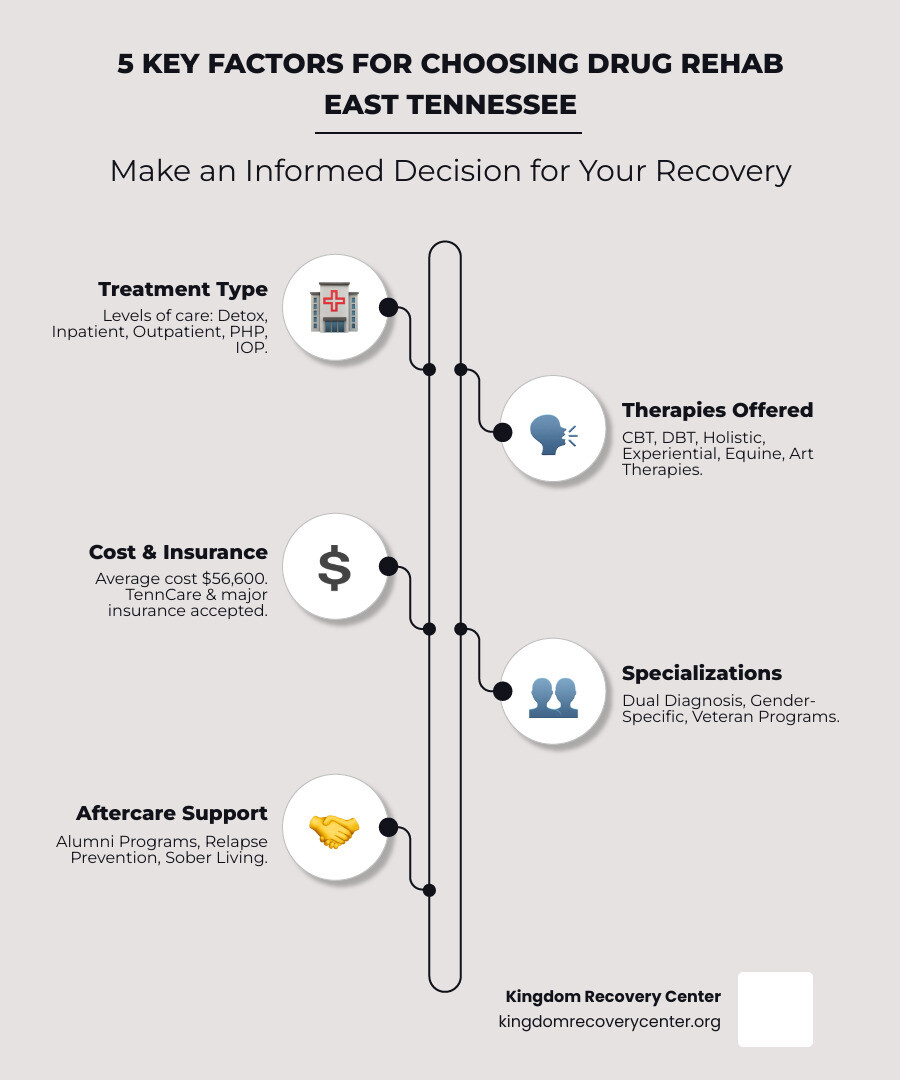
When considering drug rehab East Tennessee, it’s helpful to understand the different types of addiction treatment programs available. Each level of care is designed to meet varying needs, from intensive, round-the-clock support to more flexible options that allow you to maintain daily responsibilities.
The journey to recovery often begins with medical detox. This critical first step involves safely managing withdrawal symptoms under medical supervision. The role of medical detox in the recovery process in East Tennessee is to ensure your physical safety and comfort as your body rids itself of substances. It’s especially crucial for addictions to alcohol, benzodiazepines, and opioids, where withdrawal can be severe and even life-threatening without professional care. We understand that this can be a daunting prospect, but our goal is to make this transition as smooth and safe as possible. For more insights, explore Vital Aspects of Selecting Drug and Alcohol Detox in Tennessee.
After detox, individuals typically transition into one of several treatment programs:
-
Inpatient Residential Programs: These programs offer 24/7 care in a structured, supportive environment. You live at the facility, allowing you to fully immerse yourself in therapy and recovery without the distractions or triggers of your home environment. The benefits of inpatient treatment include constant medical supervision, a highly structured daily routine, and immediate access to support. This is often recommended for individuals with severe addictions, co-occurring mental health disorders, or those who have struggled with relapse in the past. Our team at Kingdom Recovery Center believes in providing a safe and comprehensive environment for deep healing.
-
Outpatient Programs (OP): These programs allow you to attend therapy sessions and receive support while living at home and continuing with work, school, or family commitments. Outpatient treatment offers more flexibility, making it a good option for those with less severe addictions, strong support systems at home, or as a step-down from inpatient care. The benefits of outpatient treatment include maintaining your daily life, practicing coping skills in real-world settings, and a lower cost compared to residential programs. To help you decide, we’ve provided information on Outpatient vs. Inpatient Rehab: Which Is Best For You?.
-
Partial Hospitalization Programs (PHP): PHPs offer a more intensive level of care than traditional outpatient programs but don’t require overnight stays. You attend treatment for several hours a day, multiple days a week, receiving a comprehensive range of therapies and support. This option is ideal for those who need significant structure and support but can safely return home each evening.
-
Intensive Outpatient Programs (IOP): IOPs provide a step down from PHP or a more intensive option than standard outpatient care. They typically involve fewer hours per week than PHP, focusing on group therapy, individual counseling, and skill-building. IOPs are great for individuals who need ongoing support and accountability as they transition back into their daily lives. For a deeper dive into these options, see PHP and IOP Programs: A Path to Recovery.
The average length of stay for addiction treatment programs in East Tennessee varies depending on the individual’s needs, the severity of the addiction, and the type of program. While some programs offer 30-day rehab, 60-day rehab, or 90-day rehab options, longer stays are often recommended for optimal outcomes. Studies indicate that programs lasting 90 days or more decrease the incidence of relapse and significantly improve overall sobriety outcomes. Our clinical professionals will work with you to determine the ideal length of stay, ensuring your treatment plan is custom to your unique journey.
Navigating the Costs and Insurance for Rehab
Understanding the financial aspects of drug rehab East Tennessee is a crucial step for many individuals and families. We know that concerns about cost can be a significant barrier to seeking help, but we want to assure you that there are many options available.
The average cost for a person in Tennessee who seeks substance abuse treatment is $56,600. This figure can seem daunting, but it’s important to break down what influences these costs. Factors that influence the cost of drug rehab include:
- Type of program: Inpatient residential programs are generally more expensive than outpatient options due to the 24/7 care, accommodation, and meals provided.
- Length of stay: Longer programs naturally incur higher costs, although many believe they offer a better return on investment in terms of long-term sobriety.
- Facility amenities: Luxury rehabs with extensive amenities (e.g., private rooms, gourmet meals, alternative therapies) will be more costly.
- Therapies and services: Specialized treatments, individual therapy, and comprehensive medical care can add to the overall expense.
- Location: Costs can vary slightly between urban and rural areas within East Tennessee.
Without insurance coverage, inpatient rehab in Tennessee costs approximately $628.89 per day, while outpatient rehab costs approximately $56.60 per day. However, these are general estimates, and actual costs will depend on the specific facility and program. Don’t let these numbers deter you; many facilities, including ours, are committed to making treatment accessible. For more information on managing costs, you can read The Best Rehabs in Tennessee on a Budget.
What insurance plans are commonly accepted by rehab centers in East Tennessee? We are proud to accept a variety of insurance plans to help make treatment affordable. Commonly accepted plans include:
- TennCare (which includes BlueCare, United Healthcare, and Amerigroup)
- Other major commercial insurance providers
We encourage you to contact us for a free insurance verification. Our team can help you understand your benefits and explore your options. Learning Using Insurance to Cover the Costs of Rehab can provide further clarity.
Beyond private insurance, the state of Tennessee also supports substance abuse treatment services, especially for those with the greatest needs and the least ability to pay. Tennessee state funding for substance use treatment services more than doubled from fiscal year 2018 to 2023, reflecting a strong commitment to addressing addiction.
What are the eligibility criteria for state-funded or subsidized treatment programs in Tennessee? These programs, often managed through the Tennessee Department of Mental Health and Substance Abuse Services (TDMHSAS), prioritize individuals who:
- Have a primary diagnosis of alcohol or drug use/abuse.
- Are indigent with no other financial means.
- Are not eligible for TennCare or other insurance.
- Have exhausted their TennCare or other insurance benefits for alcohol and drug abuse treatment (reached their maximum limit).
- Meet the one hundred thirty-eight percent (138%) federal poverty guidelines.
These state-funded options are vital resources, ensuring that financial limitations don’t completely prevent access to life-saving treatment. Our team can guide you through understanding these criteria and connecting you with appropriate resources.
A Comparison of the Best Drug Rehab East Tennessee Programs
Choosing the “best” drug rehab East Tennessee program isn’t about finding a single perfect facility, but rather finding the right fit for your unique needs. We believe in transparency and empowering you with information to make an informed decision. When evaluating different programs, we consider several key features and amenities:
- Accreditation and Licensing: Look for facilities with accreditations from reputable organizations (e.g., The Joint Commission, CARF). This indicates they meet high standards of care.
- Staff Qualifications: A strong clinical team with licensed therapists, medical doctors, and experienced support staff is crucial.
- Evidence-Based Therapies: Ensure the program uses scientifically proven treatment modalities. As experts in the field, we know that The Science of Addiction: Key Factors in Treatment Efficacy points to approaches like CBT, DBT, and MAT as highly effective.
- Individualized Treatment Plans: Effective recovery is never one-size-fits-all. A good program will tailor treatment to your specific addiction, co-occurring disorders, and personal circumstances.
- Aftercare Planning: A comprehensive plan for continued support after leaving the facility is essential for long-term sobriety.
Now, let’s explore five types of exemplary programs you might find in drug rehab East Tennessee, drawing on the best practices and offerings we’ve observed and implemented.

1. The Comprehensive Dual Diagnosis Center
Many individuals struggling with addiction also face co-occurring mental health disorders such as depression, anxiety, PTSD, or bipolar disorder. For these individuals, a comprehensive dual diagnosis center is paramount. These programs specialize in treating both conditions simultaneously, recognizing that they often intertwine and exacerbate each other. Our approach at Kingdom Recovery Center is to treat the whole person, understanding that addiction is often rooted in underlying mental health challenges.
Key features of these centers include:
- Integrated Mental Health Services: Therapy sessions and medication management specifically designed to address both addiction and mental health concerns. We understand that What We Treat: Dual Diagnosis is critical for lasting recovery.
- Cognitive Behavioral Therapy (CBT): A widely used, evidence-based therapy that helps individuals identify and change negative thought patterns and behaviors contributing to addiction and mental health issues. Explore more about Therapies: Cognitive Behavioral Therapy.
- Dialectical Behavioral Therapy (DBT): Often used for individuals with intense emotional dysregulation, DBT teaches skills in mindfulness, emotional regulation, distress tolerance, and interpersonal effectiveness.
- Trauma-Informed Care: Acknowledging the high prevalence of trauma among those with co-occurring disorders, these programs provide care that is sensitive to and addresses past traumatic experiences.
We recognize that Unraveling the Mental Health and Addiction Relationship is key to effective treatment, and our programs are designed to provide that integrated support.
2. The Holistic Retreat in the Smoky Mountains
East Tennessee’s natural beauty provides a perfect setting for holistic retreats that emphasize healing the mind, body, and spirit. These programs integrate traditional therapies with complementary approaches to promote overall well-being.
Characteristics of a holistic retreat include:
- Mind-Body-Spirit Approach: Beyond addressing the physical addiction, these centers focus on emotional, spiritual, and psychological healing. We incorporate these principles into our own philosophy, understanding that true recovery encompasses all aspects of life.
- Experiential Therapy: Engaging in activities like hiking, ropes courses, or outdoor adventures to help process emotions, build self-confidence, and develop new coping skills.
- Equine Therapy: Interacting with horses to build trust, communication skills, and self-awareness in a non-judgmental environment.
- Creative Arts Therapy: Using music, art, or drama as outlets for emotional expression and healing.
- Serene, Natural Environment: Leveraging the calming influence of the Smoky Mountains to reduce stress and foster introspection.
- 12-Step Philosophy: Many holistic programs integrate the principles of 12-Step programs, providing a spiritual framework for recovery.
Our commitment to Holistic Therapies for Addiction Treatment means we consider every dimension of your health.
3. The Evidence-Based Outpatient Specialist
For many individuals, the demands of work, family, or education make traditional inpatient rehab challenging. Evidence-based outpatient specialists offer the flexibility needed to receive effective treatment without disrupting your entire life. These programs are ideal for those with strong support systems and a stable living environment.
What to expect from these programs:
- Flexibility for Daily Life: Outpatient Programs (OP) and Intensive Outpatient Programs (IOP) allow you to attend therapy sessions during the day or evening, several times a week, while living at home. Our Treatment: Intensive Outpatient (IOP) is designed with this flexibility in mind.
- Medication-Assisted Treatment (MAT): The use of FDA-approved medications, in combination with counseling and behavioral therapies, to treat substance use disorders and prevent relapse. MAT is particularly effective for opioid and alcohol addiction.
- SMART Recovery: A self-management and recovery training approach that helps individuals gain control over addictive behaviors using a 4-point program focused on building motivation, coping with urges, managing thoughts/feelings/behaviors, and living a balanced life.
- Ideal for Work and Family Commitments: These programs are designed to help you integrate recovery into your daily routine, allowing you to maintain employment and family responsibilities.
4. The Gender-Specific and Veteran-Focused Program
Addiction affects everyone differently, and specialized programs cater to the unique needs and experiences of specific demographics. Gender-specific programs, for instance, create safe spaces where men or women can address issues like trauma, relationships, and self-esteem without the distractions or dynamics that might arise in mixed-gender groups.
Key aspects of these specialized programs include:
- Men’s Programs: Focus on issues commonly faced by men in recovery, such as societal pressures, emotional expression, and fatherhood.
- Women’s Programs: Address specific challenges like motherhood, domestic violence, body image, and relationship dynamics.
- Veterans Programs: Custom to the unique experiences of military personnel, often incorporating trauma-informed care for PTSD and co-occurring mental health issues common among veterans. We recognize the profound impact of service on mental health and addiction, and our client-centered approach ensures we can adapt our care for veterans.
- Trauma-Informed Care: A critical component, as trauma is often a root cause or contributing factor to addiction, especially among veterans and in gender-specific contexts. Our programs are designed to provide Trauma Therapy Within Addiction Treatment in a safe and supportive manner.
- Safe and Supportive Environments: Creating a sense of community and understanding where individuals feel comfortable sharing their experiences and vulnerabilities.
5. The Community-Integrated Recovery Model
The community-integrated recovery model emphasizes that recovery is a lifelong journey deeply connected to an individual’s social environment. These programs focus on helping you build a strong foundation for sobriety within your local community, fostering independence and sustainable change.
Hallmarks of this model include:
- Client-Centered Care: This approach puts you at the heart of your treatment plan, ensuring it aligns with your values, goals, and personal circumstances. As a Client-Centered Treatment provider, we tailor our services to empower your lasting change.
- Individualized Treatment Plans: No two paths to recovery are identical. These programs craft unique plans that evolve with your progress and changing needs.
- Case Management: Dedicated case managers help you steer various life areas, from housing and legal issues to healthcare and education, ensuring you have the resources needed for stable recovery.
- Community Support Integration: Connecting you with local resources, support groups (like AA/NA), and sober living options to build a robust network of support. We believe in Embracing Community in the Journey of Addiction Recovery.
- Employment Assistance: Providing job readiness training, resume building, and interview skills to help you secure stable employment, a critical factor in long-term recovery.
- Focus on Long-Term, Sustainable Sobriety: Moving beyond initial treatment to equip you with the tools and support necessary to thrive in recovery for years to come.
At Kingdom Recovery Center, we integrate many elements of these “best” practices into our comprehensive offerings. We believe in providing client-centered, evidence-based addiction, mental health, and behavioral health treatment that empowers lasting change for individuals in Morristown, Knoxville, Johnson City, and throughout East Tennessee.
Your Guide to Finding Help and Ensuring Lasting Recovery
Recognizing the Need for a Drug Rehab in East Tennessee
How can individuals determine if they or a loved one needs drug addiction treatment? It’s a question we hear often, and it’s a sign of courage to even ask it. Recognizing the signs is the first step toward healing. Look for a combination of these indicators:
- Behavioral Changes: Increased secrecy, sudden mood swings, neglecting responsibilities at work, school, or home, engaging in risky behaviors, or a loss of interest in hobbies once enjoyed.
- Physical Symptoms: Changes in appearance (unexplained weight loss or gain, poor hygiene), dilated or constricted pupils, frequent illness, or unexplained injuries.
- Social Withdrawal: Isolating from friends and family, changing social circles to associate with new people who use substances, or avoiding social events.
- Neglecting Responsibilities: Failing to meet obligations, missing deadlines, or experiencing financial difficulties due to substance use.
- Failed Attempts to Quit: Repeatedly trying to cut down or stop using substances but being unable to do so, despite negative consequences.
If you observe these signs in yourself or a loved one, it’s time to seek professional help. Our page on Signs of Drug Addiction offers more detailed guidance.
How to Find a Reputable Drug Rehab in East Tennessee
Finding a reputable drug rehab East Tennessee center is crucial for effective treatment. We want to empower you with the right questions to ask and criteria to consider:
- Licensing and Accreditation: Verify that the facility is licensed by the state of Tennessee and holds accreditations from national organizations. This ensures they meet professional standards.
- Staff Credentials: Inquire about the qualifications and experience of the medical and clinical staff (doctors, therapists, counselors). Are they licensed and certified in their respective fields?
- Treatment Philosophy: Understand the center’s approach to recovery. Do they use evidence-based therapies? Do they offer a holistic approach? Is it client-centered?
- Individualized Treatment: Will they create a personalized treatment plan for you or your loved one?
- Continuum of Care: Do they offer various levels of care (detox, inpatient, outpatient) and provide aftercare planning?
For more comprehensive guidance, refer to What to Assess When Choosing the Right Recovery Center. Don’t hesitate to ask detailed questions; a reputable center will be transparent and happy to provide answers.
Aftercare and Long-Term Support
Recovery doesn’t end when a treatment program concludes; it’s a lifelong journey. What support services are offered for aftercare and long-term recovery in East Tennessee? A comprehensive approach includes:
- Relapse Prevention Planning: Developing strategies and skills to identify triggers and cope with cravings. This is a core component of sustainable recovery, and we offer dedicated Therapies: Relapse Prevention to equip you for life outside treatment.
- Alumni Programs: Many centers offer alumni networks that provide ongoing connection, support, and events for graduates of their programs. This fosters a sense of community and accountability.
- Sober Living Homes: Transitional housing options that provide a structured, substance-free environment for individuals after inpatient treatment, helping them gradually reintegrate into society.
- Community Support Groups: Participation in 12-Step programs (like AA or NA), SMART Recovery, or other peer-led groups offers ongoing encouragement and shared experience. We firmly believe in Embracing Community in the Journey of Addiction Recovery.
Immediate Help and Referrals
If you or a loved one needs immediate help or referrals for addiction treatment in East Tennessee, resources are readily available:
- Tennessee REDLINE: For a free and confidential referral to treatment services, call or text 800-889-9789. This is an invaluable resource for connecting with the right support.
- TDMHSAS Helpline: If you have concerns about accessing services for yourself, a child, or a family member, you can contact the Tennessee Department of Mental Health and Substance Abuse Services (TDMHSAS) Helpline by phone at 800-560-5767 or by email at OCA.TDMHSAS@tn.gov.
- Local Resources: Our own Local Resources page can also guide you to essential services in East Tennessee.
Reaching out is a brave first step, and these resources are designed to make that step as accessible as possible.
Frequently Asked Questions about Drug Rehabs in East Tennessee
What is the average length of stay for addiction treatment?
The average length of stay for addiction treatment programs in East Tennessee varies significantly based on individual needs and the type of program. While 30-day rehab programs are common, many facilities also offer 60-day and 90-day options. For individuals with severe addictions, co-occurring mental health disorders, or a history of relapse, longer stays (90 days or more) are often recommended. New data supports that longer programs decrease the likelihood of relapse and significantly improve sobriety outcomes. An individualized assessment by clinical professionals will determine the most appropriate length of stay for you or your loved one.
Are there free or state-funded rehab programs in Tennessee?
Yes, there are state-funded and subsidized treatment programs available in Tennessee. The Tennessee Department of Mental Health and Substance Abuse Services (TDMHSAS) contracts with community-based organizations to provide a continuum of substance use treatment services, particularly for Tennesseans with the greatest needs and the least ability to pay. Eligibility criteria typically involve having a primary diagnosis of alcohol or drug use, being indigent, not being eligible for other insurance (or having exhausted benefits), and meeting specific federal poverty guidelines. The Tennessee REDLINE (800-889-9789) is an excellent resource for free and confidential referrals to these state-funded services.
What is medical detox and is it always necessary?
Medical detox, or medically-managed withdrawal, is a crucial first step in the recovery process for many individuals. It involves safely clearing the body of intoxicating substances under continuous medical supervision. During detox, medical professionals monitor vital signs and may administer medications to alleviate severe withdrawal symptoms, preventing potentially dangerous complications.
Is it always necessary? Not for every substance or every individual. However, medical detox is highly recommended, and often essential, for individuals withdrawing from substances like alcohol, benzodiazepines, and opioids, where withdrawal can be physically dangerous and uncomfortable. For other substances, it can still provide a safer and more comfortable start to recovery, minimizing the risk of early relapse. Our commitment to your safety means we prioritize a thorough assessment to determine if medical detox is a necessary and beneficial part of your treatment plan. You can learn more on our page about Important Considerations for Drug and Alcohol Detox in Tennessee.
Conclusion
Finding the right drug rehab East Tennessee program is a profoundly personal decision, and we understand that it can feel like a monumental task. But remember, recovery is a journey, and taking that first step is the most courageous act of all. East Tennessee offers a diverse landscape of treatment options, each designed to meet varying needs, from intensive residential care amidst the serene Smoky Mountains to flexible outpatient programs that fit your daily life.
Whether you’re seeking a comprehensive dual diagnosis center, a holistic retreat, an evidence-based outpatient specialist, a gender-specific or veteran-focused program, or a community-integrated recovery model, the resources and support are here. We believe in empowering you with choices and guiding you toward the path that best suits your unique circumstances.
At Kingdom Recovery Center, we are dedicated to providing client-centered, evidence-based care in Morristown, Knoxville, Johnson City, and throughout East Tennessee. Our goal is to help you not just survive addiction but to thrive in a life free from chemical dependency. We’re here to help you steer the complexities of treatment, understand costs, and connect you with the right support.
Don’t let fear or uncertainty hold you back from the life you deserve. Take the first step toward recovery today. We are ready to walk this journey with you.