
Drug Rehab Monroe County, TN: Top 10 Best
Your Path to Recovery in Monroe County
Drug Rehab Monroe County, TN offers a range of treatment options for individuals struggling with substance use disorders, from state-funded outpatient programs to residential care. While Monroe County itself has limited treatment centers, residents have access to quality addiction services through nearby providers in East Tennessee and local resources like the Monroe County Health Council and Tennessee’s REDLINE helpline.
Quick Guide to Drug Rehab Options in Monroe County:
- Local & Regional Services: Access a network of outpatient, residential, and detox programs in the East Tennessee area. Many providers accept Medicaid and private insurance.
- State-Funded Help: TDMHSAS contracts with community organizations to provide treatment for Tennesseans meeting 138% of federal poverty guidelines.
- Free Referrals: Call the Tennessee REDLINE at 800-889-9789 for confidential treatment referrals.
- Levels of Care Available: Medical detox, inpatient/residential, partial hospitalization (PHP), intensive outpatient (IOP), and aftercare support.
Finding the right treatment center means understanding what level of care you need, what your insurance covers, and which facilities specialize in your specific challenges. Whether you’re dealing with alcohol addiction, prescription drug abuse, or co-occurring mental health issues like anxiety or depression, effective treatment exists.
The Monroe County Health Council’s Access to Care Committee has compiled resources specifically for residents seeking substance misuse treatment and recovery support. These include local AA/NA meeting schedules, MAT programs, and behavioral health services designed to make care accessible for all Monroe County citizens.
At Kingdom Recovery Center, we specialize in comprehensive addiction recovery and mental health services throughout East Tennessee, including support for individuals from Monroe County seeking Drug Rehab Monroe County, TN and surrounding areas. Our holistic, evidence-based approach addresses both substance use disorders and co-occurring mental health challenges through personalized treatment plans that empower lasting recovery.
Recognizing the Need for Help: Common Signs of Addiction
Identifying addiction can be challenging, but recognizing the signs is the crucial first step toward seeking help for Drug Rehab Monroe County, TN. Addiction impacts physical, mental, and emotional well-being, often leading to negative consequences in all areas of life.

Common warning signs include:
- Physical Symptoms: Changes in appearance, weight fluctuations, unusual pupil size, frequent illness, track marks, or tremors.
- Behavioral Changes: Secretive behavior, lying, withdrawing from loved ones, neglecting responsibilities.
- Psychological Signs: Mood swings, irritability, anxiety, depression, lack of motivation, paranoia.
- Neglecting Responsibilities: Declining performance at work/school, unpaid bills, poor self-care.
- Relationship Strain: Increased arguments, broken trust, isolation from loved ones.
If you recognize these signs, professional support is often needed. Understanding these Signs of Drug Addiction can help you decide when to act. For deeper exploration, see Understanding Signs It’s Time to Seek Help for Substance Use Disorder. Seeking help is a sign of strength, not weakness.
Recognizing the Need for Help: Common Signs of Addiction
Identifying addiction can be challenging, both for the individual struggling and for their loved ones. However, recognizing the signs and symptoms is the crucial first step toward seeking help for Drug Rehab Monroe County, TN. Addiction is a complex disease that impacts an individual’s physical, mental, and emotional well-being, often leading to a cascade of negative consequences in their life.
We often see a range of indicators that suggest it’s time to seek professional help. These signs can manifest in various ways:
- Physical Symptoms: Look for changes in appearance like poor hygiene, sudden weight changes, or unusual pupil size. Unexplained bruises or tremors can also be indicators. Our resources on Signs of Fentanyl Addiction offer more specific information.
- Behavioral Changes: A person struggling with addiction may exhibit secretive behavior, lying, and withdrawing from social interactions. They might neglect responsibilities at work, school, or home, leading to job loss or academic failure.
- Psychological Signs: Addiction profoundly affects mental health. Individuals may experience severe mood swings, increased irritability, anxiety, or depression, along with a lack of motivation or paranoia.
- Neglecting Responsibilities: This is a hallmark sign. Work performance may decline, school grades can drop, and personal finances or self-care are often ignored.
- Relationship Strain: The changes associated with addiction inevitably strain relationships. Trust erodes due to deceit, and arguments may become frequent as the individual isolates themselves.
If you or someone you care about is exhibiting these signs, it’s a strong indicator that professional intervention is needed. Understanding these Signs of Drug Addiction is vital. For a deeper dive, read our guide on Understanding Signs It’s Time to Seek Help for Substance Use Disorder. Seeking help is a sign of strength, not weakness.
Recognizing the Need for Help: Common Signs of Addiction
Identifying addiction can be challenging, both for the individual struggling and for their loved ones. However, recognizing the signs and symptoms is the crucial first step toward seeking help for Drug Rehab Monroe County, TN. Addiction is a complex disease that impacts an individual’s physical, mental, and emotional well-being, often leading to a cascade of negative consequences in their life.
We often see a range of indicators that suggest it’s time to seek professional help. These signs can manifest in various ways:
- Physical Symptoms: These might include changes in appearance, such as poor hygiene, sudden weight loss or gain, dilated or constricted pupils, or frequent illness. Signs of drug use might also involve track marks, unexplained bruises, or tremors. The specific substance can also lead to distinct physical cues; for example, fentanyl addiction can present with extreme drowsiness or constricted pupils. Our resources on Signs of Fentanyl Addiction offer more detailed information.
- Behavioral Changes: A person struggling with addiction may exhibit secretive behavior, lying about their whereabouts or activities, and withdrawing from social interactions, especially with family and friends. They might neglect responsibilities at work, school, or home, leading to job loss, academic failure, or household disarray. Impulsivity, risk-taking, and engaging in illegal activities to obtain drugs are also common.
- Psychological Signs: Addiction profoundly affects mental health. Individuals may experience severe mood swings, increased irritability, anxiety, or depression. They might show a lack of motivation, paranoia, or hallucinations. A growing preoccupation with obtaining and using the substance often dominates their thoughts.
- Neglecting Responsibilities: This is a hallmark sign. Work performance may decline, leading to absenteeism or termination. School grades can drop significantly. Home duties, personal finances, and even basic self-care like eating or sleeping adequately can be ignored.
- Relationship Strain: The behavioral and psychological changes associated with addiction inevitably strain relationships. Trust erodes due to deceit, and loved ones often feel hurt, frustrated, or helpless. Arguments may become frequent, and the individual may isolate themselves further, pushing away those who care most.
If you or someone you care about is exhibiting these signs, it’s a strong indicator that professional intervention is needed. Understanding these Signs of Drug Addiction is vital. It’s about recognizing when it’s truly time to act and getting help. For a deeper dive into these indicators, we encourage you to read our guide on Understanding Signs It’s Time to Seek Help for Substance Use Disorder. Seeking help is a sign of strength, not weakness.
The Landscape of Drug Rehab in Monroe County, TN
When exploring Drug Rehab Monroe County, TN, residents can access a continuum of care through state-level initiatives and regional providers in East Tennessee, despite limited direct facilities within Monroe County.
At Kingdom Recovery Center, we focus on Comprehensive Addiction Treatment following established best practices. The Tennessee Department of Mental Health and Substance Abuse Services (TDMHSAS) supports this system by contracting with community organizations to provide treatment services using American Society of Addiction Medicine (ASAM) criteria.
The Monroe County Health Council’s Access to Care Committee brings together local agencies to promote equitable access to care, compiling information about shelters, rehabs, MAT programs, and behavioral health services.
Available Levels of Care
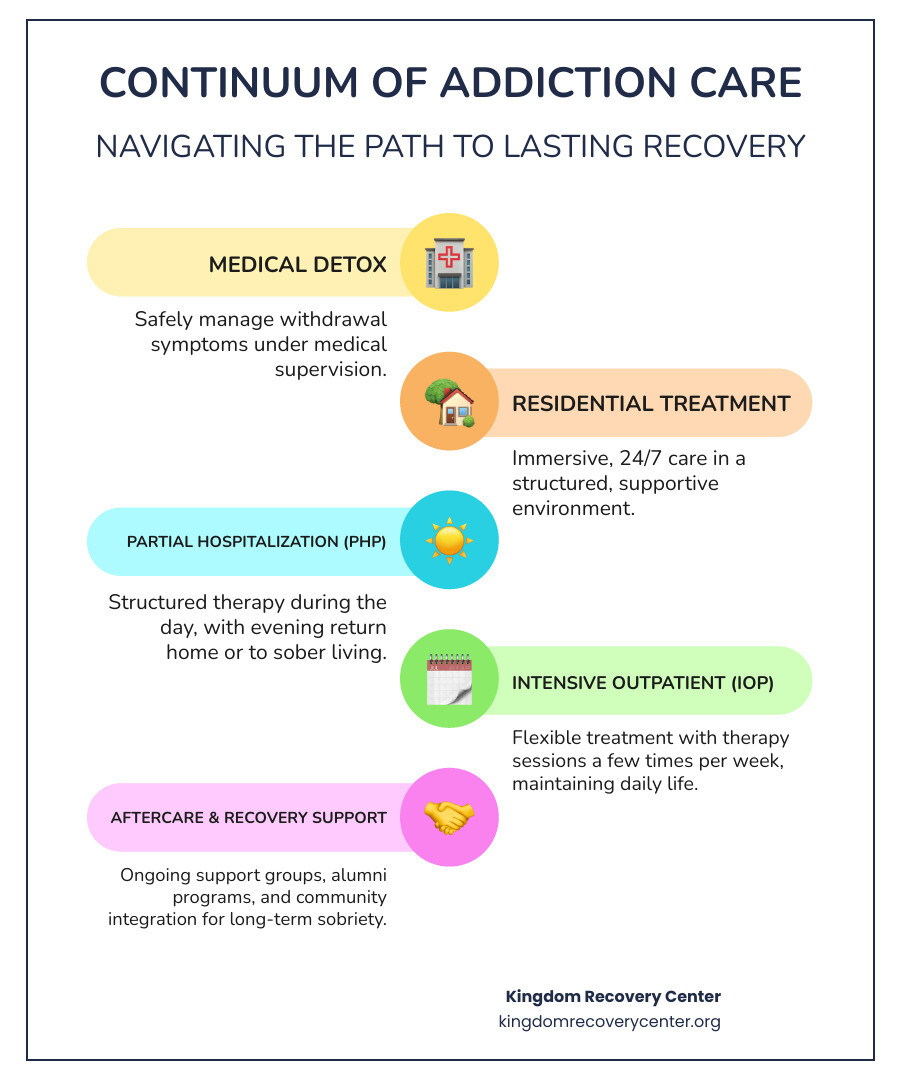
Common levels of care for Drug Rehab Monroe County, TN include:
- Medical Detox: Supervised withdrawal to manage symptoms safely. Learn more in Understanding Drug and Alcohol Detox: Withdrawal Symptoms Explained.
- Residential Treatment: 24/7 care in a live-in setting for severe addiction or co-occurring disorders.
- Partial Hospitalization (PHP): Intensive daytime treatment with ability to return home at night.
- Intensive Outpatient (IOP): Flexible option allowing work/school while in treatment. See our PHP and IOP Programs.
- Outpatient Services: Weekly therapy and support groups for maintaining sobriety.
Specialized Programs for Co-Occurring Disorders
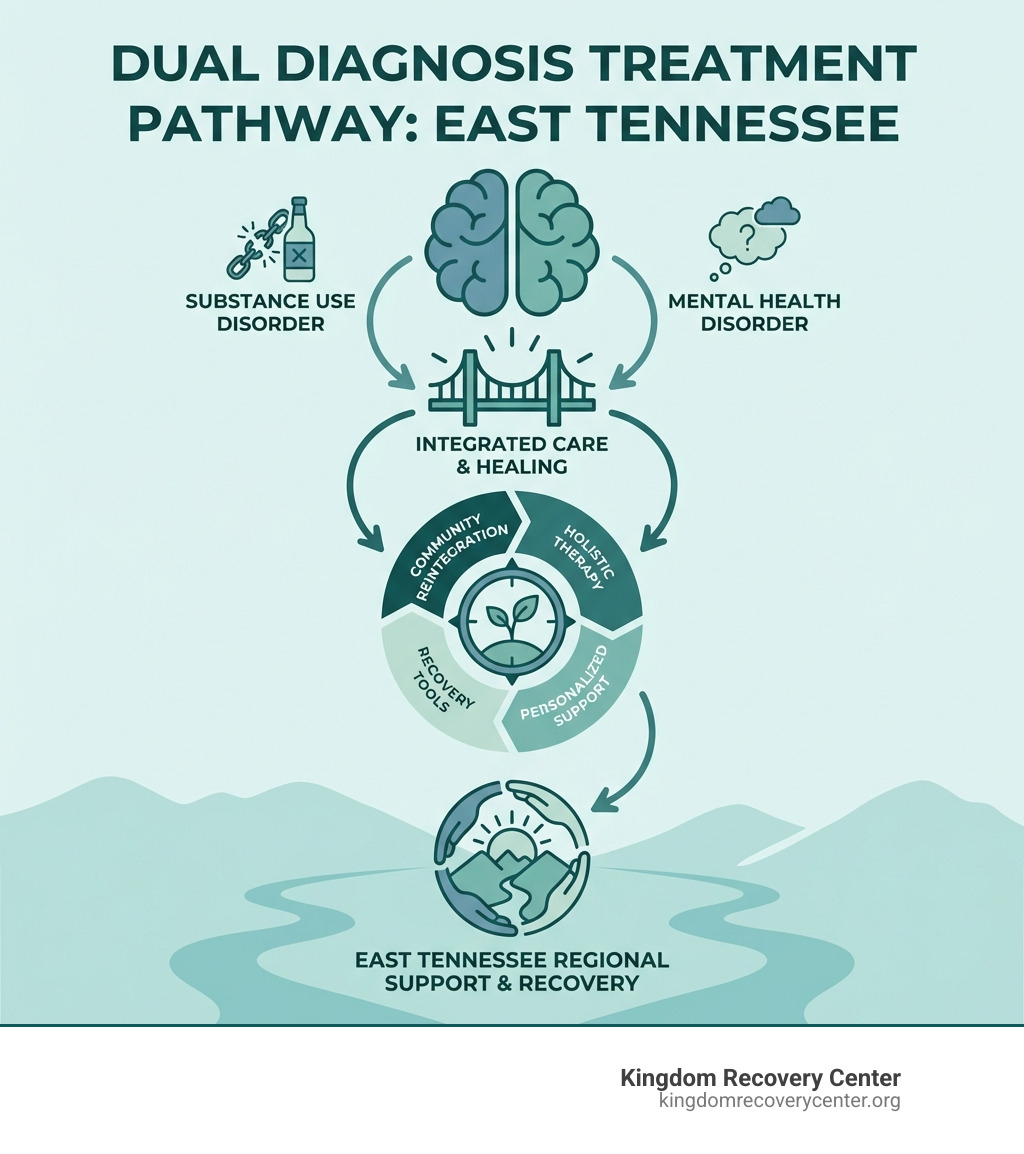
Many people with substance use disorders also have conditions like anxiety, depression, or PTSD. At Kingdom Recovery Center, our Dual Diagnosis programs use an integrated approach to address both simultaneously. Learn more about this connection in Mental Health Disorders and Substance Abuse.
Evidence-Based Therapeutic Approaches
Effective Drug Rehab Monroe County, TN relies on research-backed therapies:
- Cognitive Behavioral Therapy (CBT): Helps identify and change unhelpful thoughts and behaviors.
- Dialectical Behavior Therapy (DBT): Teaches mindfulness and emotion regulation skills.
- Individual & Group Therapy: Provides personal support and community accountability.
- Holistic Therapies: Address mind, body, and spirit. Explore our Holistic Approaches to Addiction Recovery in Tennessee Explained.
Understanding the Role of Therapy in Addiction Recovery helps you see how these approaches build a foundation for sobriety.
Recognizing the Need for Help: Common Signs of Addiction
Identifying addiction can be difficult, both for the person who is struggling and for those around them. Yet noticing the early warning signs is often the first step toward getting help from Drug Rehab Monroe County, TN and beginning the recovery process.
We often see several patterns that suggest it may be time to seek professional support:
- Physical Symptoms: Changes in appearance such as poor hygiene, sudden weight loss or gain, dilated or constricted pupils, frequent illness, or physical signs like track marks, unexplained bruises, or tremors. Certain substances can have specific cues; for example, fentanyl use may cause extreme drowsiness or pinpoint pupils. Our resources on Signs of Fentanyl Addiction provide more detail.
- Behavioral Changes: Increased secrecy, lying about activities, withdrawing from friends and family, and neglecting responsibilities at work, school, or home. Risky behavior and legal trouble related to substance use may also appear.
- Psychological Signs: Intense mood swings, irritability, anxiety, depression, lack of motivation, or paranoia. Thoughts can become increasingly focused on obtaining and using the substance.
- Neglecting Responsibilities: Declining performance at work or school, unpaid bills, and ignoring basic self-care such as sleep, nutrition, and personal hygiene.
- Relationship Strain: Frequent arguments, broken promises, and emotional distance can erode trust. Loved ones may feel confused or hurt as the person pulls away.
If you recognize these signs in yourself or someone close to you, it may be time to consider professional help. Learning more about the Signs of Drug Addiction can make it easier to understand what is happening. For a fuller discussion, read Understanding Signs It’s Time to Seek Help for Substance Use Disorder. Reaching out for support is a courageous and important step.
The Landscape of Drug Rehab in Monroe County, TN
When you begin looking for Drug Rehab Monroe County, TN, it is useful to understand how addiction treatment services are organized in this part of Tennessee. Direct rehab facilities within Monroe County may be limited, but residents can use a broader regional network of care supported by state programs and local organizations. This network is designed so that people can find help that matches their clinical needs and financial situation.
At Kingdom Recovery Center, our services are grounded in Comprehensive Addiction Treatment and current best practices. The Tennessee Department of Mental Health and Substance Abuse Services (TDMHSAS) helps shape this system by working with community-based organizations to provide a range of substance use treatment services. Many of these programs use the American Society of Addiction Medicine (ASAM) criteria to determine the appropriate level of care for each individual.
Across East Tennessee, regional non-profit providers and community mental health centers offer treatment options such as residential programs, detoxification, intensive outpatient services, and Medication Assisted Therapy (MAT). Together, these services create a continuum of care that supports people at different stages of recovery.
The Monroe County Health Council’s Access to Care Committee brings together representatives from local agencies who are focused on improving access to care. They collect and share information on shelters, rehabs, MAT programs, and behavioral health services so Monroe County residents can quickly locate relevant resources.
Available Levels of Care
Matching a person with the right level of care is one of the most important factors in effective treatment. Common levels of care you may encounter when researching Drug Rehab Monroe County, TN include:
- Medical Detox: Short-term, medically supervised withdrawal to manage physical symptoms safely before therapy begins. Learn more in Understanding Drug and Alcohol Detox: Withdrawal Symptoms Explained.
- Residential Treatment: Round-the-clock care in a structured, live-in setting, away from everyday triggers. This level is often recommended for severe addiction or for people with significant co-occurring conditions.
- Partial Hospitalization Program (PHP): Intensive treatment during the day while allowing individuals to return home or to a sober living environment at night.
- Intensive Outpatient Program (IOP): A step down from PHP, with fewer hours of treatment per week so people can maintain work, school, or family commitments. See our PHP and IOP Programs for details.
- Outpatient Services: Weekly or biweekly counseling and support groups that help people maintain recovery and continue building coping skills.
Specialized Programs for Co-Occurring Disorders
Substance use disorders frequently occur alongside mental health challenges such as depression, anxiety, or trauma-related disorders. Treating both conditions together—known as dual diagnosis care—can greatly improve outcomes. At Kingdom Recovery Center, our Dual Diagnosis programs address both mental health and substance use within one coordinated treatment plan. For more on how these issues intersect, see Mental Health Disorders and Substance Abuse.
Evidence-Based Therapeutic Approaches
Quality Drug Rehab Monroe County, TN programs draw on therapies backed by research, combined with supportive, person-centered care. At Kingdom Recovery Center, we incorporate:
- Cognitive Behavioral Therapy (CBT): To help individuals recognize and change patterns of thinking and behavior that support addiction.
- Dialectical Behavior Therapy (DBT): To build skills in emotion regulation, distress tolerance, and interpersonal effectiveness.
- Individual & Group Therapy: To provide personal guidance and opportunities to share experiences and learn from others in recovery.
- Holistic Therapies: To address physical, emotional, and spiritual well-being. Learn more in Holistic Approaches to Addiction Recovery in Tennessee Explained.
Our resource on the Role of Therapy in Addiction Recovery explains how these approaches support lasting change.
How to Find and Choose the Right Treatment Center
Finding the right Drug Rehab Monroe County, TN treatment center means identifying one that fits your specific needs and clinical situation.
Key factors to consider:
- Accreditation: Look for CARF International or Joint Commission accreditation.
- Staff Credentials: Verify licensed medical doctors, psychiatrists, therapists, and counselors.
- Individualized Care Plans: Ensure thorough assessment and personalized treatment planning.
- Treatment Philosophy: Some emphasize 12-step, evidence-based, or faith-based approaches. Kingdom Recovery Center combines clinical excellence with Christ-centered support.
- Specialized Programs: Confirm availability of dual diagnosis, trauma, or MAT services as needed.
For details, see What to Assess When Choosing the Right Recovery Center.
Local Resources for Finding Treatment
Several resources guide Monroe County residents to treatment:
- Monroe County Prevention & Wellness Coalition: Connects to FindTreatment.gov and local recovery meetings.
- Monroe County Health Council: Compiles substance misuse and mental health resources.
- Tennessee REDLINE (800-889-9789): Free 24/7 helpline for treatment referrals.
- TDMHSAS Helpline (800-560-5767): Information on state-funded programs.
Find local treatment options by contacting us directly. Learn about Kingdom Recovery Center’s community role.
Navigating Payment and Insurance
Multiple payment options make Drug Rehab Monroe County, TN accessible:
- Private Insurance: Many plans cover treatment. Use our Insurance Verification form. See Using Insurance to Cover the Costs of Rehab.
- Medicaid/Medicare: TennCare and Medicare help eligible individuals pay for treatment.
- Sliding Scale Fees: Non-profit programs adjust fees based on income.
- State-Funded Eligibility: TDMHSAS provides services for those at 138% of federal poverty guidelines.
Contact treatment centers directly to identify financial assistance options.
Life After Rehab: Building a Foundation for Lasting Sobriety
Completing Drug Rehab Monroe County, TN is a major milestone, but recovery continues long after formal treatment ends.
Key elements include:
- Aftercare Planning: Create a discharge plan including therapy, support groups, and relapse prevention strategies.
- Sober Living Environments: Structured, substance-free housing provides accountability during transition.
- Community Integration: Re-engage with work, school, volunteering, or hobbies to rebuild purpose.
Read Insights on Life After Rehab: Ensuring Long-Lasting Sobriety.
Long-Term Recovery Support
Ongoing support includes:
- Relapse Prevention: Learn to recognize triggers and manage cravings. See Relapse Prevention.
- Alumni Programs: Many centers maintain contact through meetings and events.
- Peer Support: People with lived recovery experience provide mentorship.
- AA/NA Meetings: Free twelve-step groups widely available. Read Embracing Community in the Journey of Addiction Recovery.
Support for Families
Addiction affects entire families. Support options include:
- Family Therapy: Improves communication and establishes healthy boundaries.
- Codependency Support: Helps families recognize enabling patterns.
- Al-Anon Groups: Confidential support for families of people with substance use disorders.
See How Loved Ones Can Support Recovery for practical tips.
Frequently Asked Questions about Drug Rehab in Monroe County, TN
How long does addiction treatment last?
Treatment length varies by individual needs:
- Detoxification: Few days to two weeks. See How Long Does Detox Take? Insights on Substance Timelines.
- Residential Programs: Typically 30-90 days.
- Outpatient Programs: Several weeks to months.
- Long-Term Care: Recovery is ongoing with continued therapy and support.
Are there free or low-cost rehab options available?
Affordable options include:
- State-Funded Programs: TDMHSAS provides services for those meeting income criteria.
- Medicaid Coverage: TennCare covers many treatment services.
- Sliding Scale Fees: Adjusted based on financial situation.
Explore The Best Rehabs in Tennessee on a Budget.
What is the first step to getting help?
- Self-Assessment: Consider whether substance use is causing problems.
- Talk to Someone: Share concerns with trusted individuals.
- Call a Helpline: Tennessee REDLINE at 800-889-9789 for 24/7 referrals.
- Contact Treatment: Reach out for assessment. Contact Us.
- Use Local Resources: Visit MonroePWC.org for local information.
Reaching out for help is a decisive step toward recovery.
Conclusion: Take the First Step on Your Recovery Journey Today
Finding effective Drug Rehab Monroe County, TN can feel overwhelming, but you are not without options. From recognizing the signs of addiction to understanding levels of care, payment pathways, and life after treatment, there is a network of support available to residents of Monroe County and the surrounding East Tennessee region.
Personalized care makes a meaningful difference. Approaches that address both substance use and any co-occurring mental health concerns—using evidence-based therapies, holistic supports, and strong aftercare—can help you build a stable, fulfilling life in recovery.
If you or a loved one is ready to explore treatment, consider reaching out today. You can contact state and local resources like the Tennessee REDLINE, connect with community organizations in Monroe County, or speak directly with a dedicated provider such as Kingdom Recovery Center.
We are committed to serving individuals from Monroe County and across East Tennessee. To learn more about how we can support your recovery, we invite you to Explore your treatment options in East Tennessee and take the next step toward a healthier future.