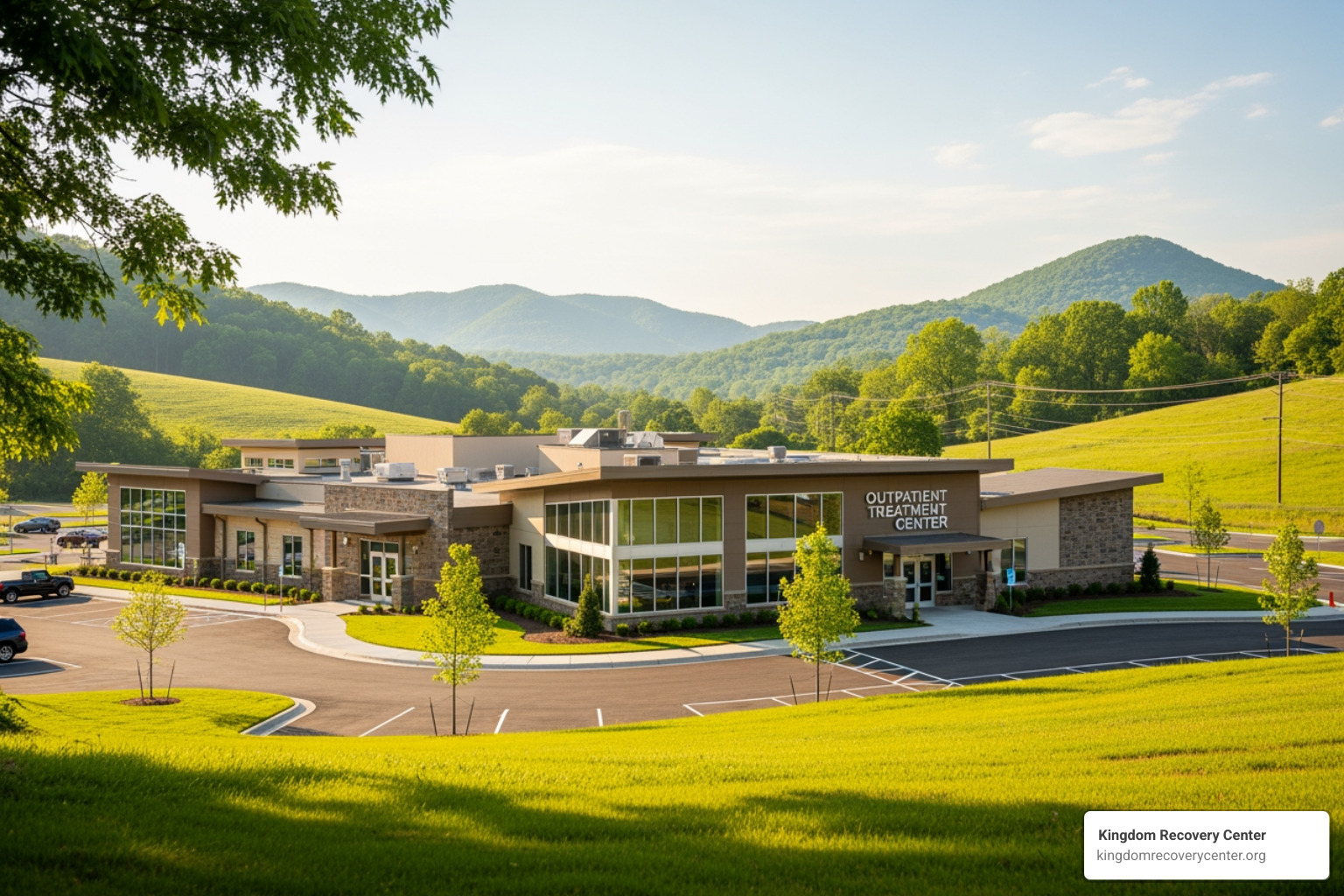

Why Finding Addiction Treatment in Chattanooga Matters
Addiction treatment Chattanooga offers a range of evidence-based programs designed to help you or your loved one reclaim a life of health and sobriety. If you’re searching for help right now, here are your primary options in the Chattanooga area:
Quick Guide to Chattanooga Addiction Treatment Options:
| Level of Care | Best For | Key Features |
|---|---|---|
| Inpatient/Residential | Severe addiction, need for 24/7 support | Medical detox, structured environment, dual diagnosis care |
| Partial Hospitalization (PHP) | Transition from inpatient, need intensive daily treatment | Day treatment, structured therapy, return home nightly |
| Intensive Outpatient (IOP) | Balancing recovery with work/school | Group & individual therapy, flexible schedule, relapse prevention |
| Outpatient/Aftercare | Ongoing support, stable recovery | Continued counseling, community support, long-term sobriety skills |
Addiction is not a moral failure—it’s a treatable disease. The research is clear: treatment works, and people recover. Whether you’re struggling with alcohol, opioids, cocaine, or other substances, Chattanooga offers a supportive environment with multiple pathways to recovery.
The Chattanooga area is home to numerous treatment centers offering personalized, compassionate care. From medical detox and residential programs to flexible outpatient services, you’ll find options that fit your specific needs and life circumstances. Many facilities accept major insurance providers including TennCare, Medicare, Blue Cross Blue Shield, Aetna, Cigna, and Humana, making treatment more accessible than ever.
What makes treatment effective? The most successful programs offer individualized care that addresses not just the addiction itself, but also any co-occurring mental health conditions like depression, anxiety, or trauma. Evidence-based therapies such as Cognitive Behavioral Therapy (CBT) and Dialectical Behavior Therapy (DBT) form the foundation of quality treatment, while holistic approaches like yoga, mindfulness, and adventure-based counseling support healing of the whole person.
The journey to recovery starts with a single step. That might be calling a treatment center for a confidential assessment, verifying your insurance coverage, or simply learning more about what options exist. No matter where you are in your journey—whether you’re seeking help for the first time or returning after a relapse—Chattanooga’s treatment community is ready to meet you with compassion and support.
At Kingdom Recovery Center, we’re committed to providing client-centered addiction treatment Chattanooga residents can trust, with flexible outpatient programs designed to help you maintain your daily responsibilities while building a strong foundation for lasting recovery. Our experienced team understands that recovery looks different for everyone, which is why we tailor our evidence-based treatment plans to your unique needs and circumstances.
Understanding Levels of Care: From Inpatient to Outpatient
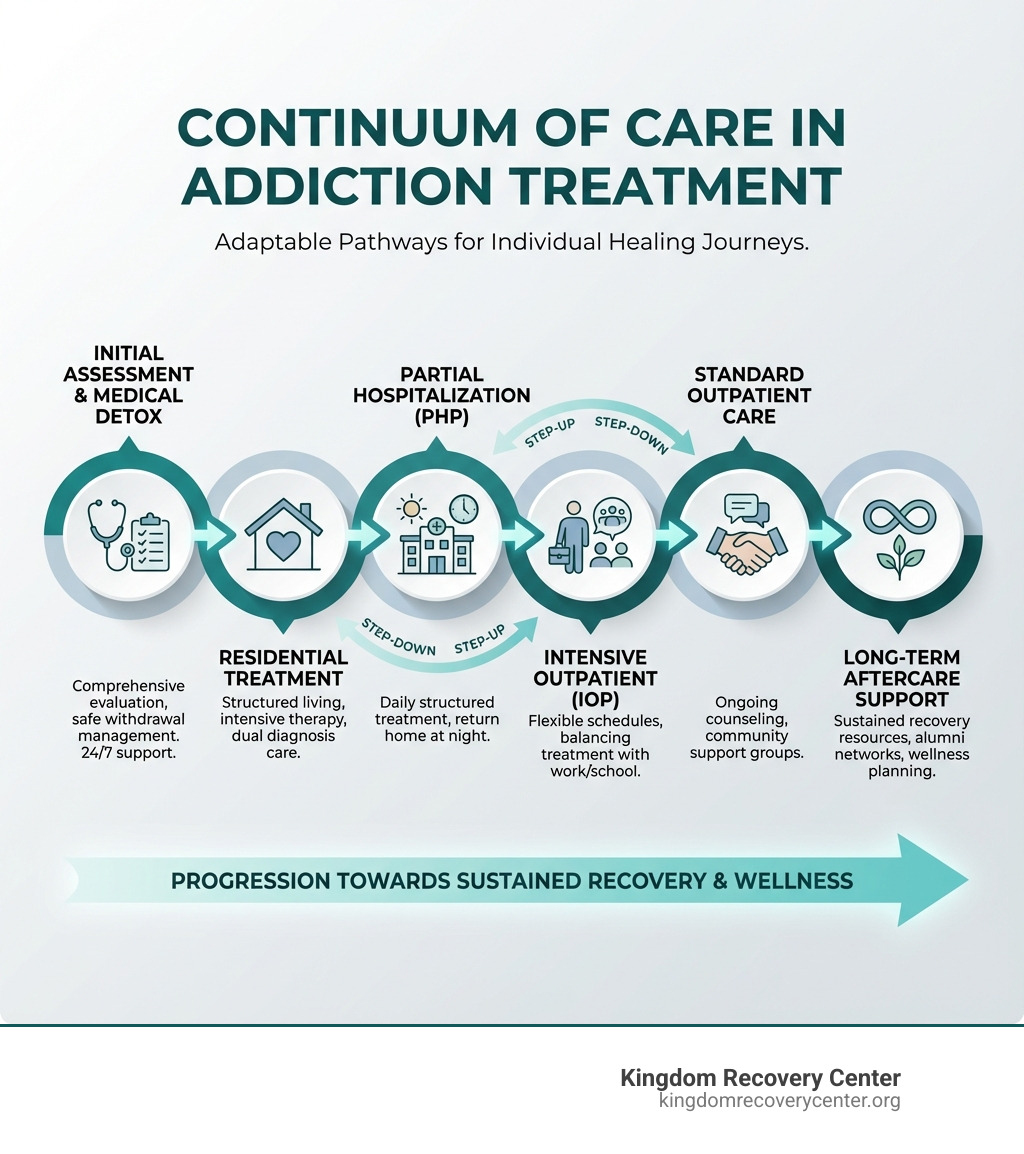
When exploring addiction treatment Chattanooga options, understand the different levels of care available. Each level is designed to meet varying needs, from intensive, round-the-clock support to more flexible programs that integrate with daily life. We believe in finding the right fit for your unique journey.

Inpatient and Residential Treatment
For individuals facing severe substance use disorder (SUD) or those who require a complete change of environment to focus on their recovery, inpatient and residential treatment programs offer a structured and supportive setting. These programs provide 24/7 medical supervision, which is crucial during the initial detoxification phase. Medical detox services are often the first step, ensuring safety and comfort as the body eliminates substances. Round-the-clock supervision has been proven to improve detox completion and success rates.
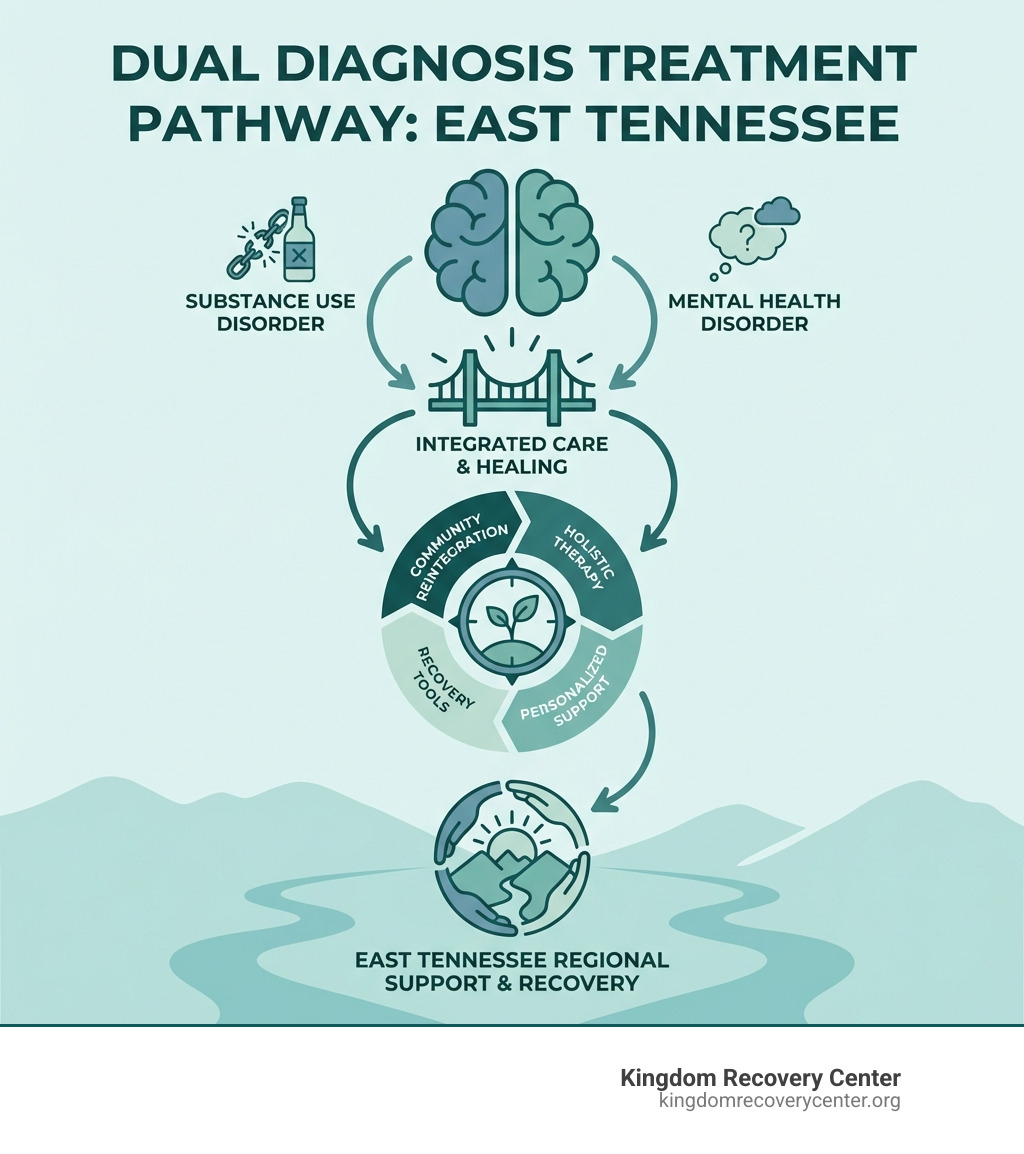
A key feature of these programs is their focus on addressing the underlying causes of addiction. Many individuals struggling with SUD also experience co-occurring mental health conditions, such as depression, anxiety, or bipolar disorder. Quality residential programs provide comprehensive dual diagnosis care, treating both the addiction and mental health issues simultaneously. This integrated approach is vital for long-term recovery, as neglecting one can often lead to the resurgence of the other. These environments are also ideal for those needing a break from external stressors and triggers, allowing them to fully immerse themselves in the healing process.
Note: For those seeking inpatient or residential care, Kingdom Recovery Center can help guide you to appropriate resources as part of a comprehensive recovery plan.
Partial Hospitalization Programs (PHP)
Partial Hospitalization Programs (PHP) serve as a bridge between inpatient care and less intensive outpatient options. Often referred to as “day treatment,” PHP offers a highly structured therapeutic environment for several hours a day, typically five days a week. While still intensive, participants return home or to a sober living environment in the evenings, allowing them to begin reintegrating into their daily lives with a strong support system.
PHP is an excellent option for individuals who have completed medical detox or residential treatment and need continued intensive support but no longer require 24/7 medical supervision. It’s also suitable for those who have a stable and supportive living situation at home but need more structure than a typical outpatient program. These programs focus on intensive, structured therapy, including individual counseling, group therapy, and educational workshops, to build coping skills and address behavioral patterns. You can find more info about our treatment programs and how they might transition into or from PHP.
Intensive Outpatient Programs (IOP) & Outpatient Rehab
Intensive Outpatient Programs (IOP) and traditional outpatient rehab offer the most flexibility, allowing individuals to maintain their work, school, or family commitments while receiving vital addiction treatment Chattanooga. These programs are designed for those who have a stable living environment, a strong support system, and are motivated to engage in recovery while continuing with their daily responsibilities.
IOPs typically involve several hours of therapy per week, spread over a few days. This schedule allows participants to apply newly learned coping strategies and relapse prevention skills in real-world settings. Sessions cover a wide range of topics, including individual and group therapy, where peer support fosters growth and shared understanding. Family dynamics are often explored, helping loved ones understand addiction and participate in the recovery process.
Our Intensive Outpatient Programs in Chattanooga are specifically designed to help you achieve long-term recovery while maintaining your regular lifestyle. This level of care is perfect for those transitioning from more intensive programs or for individuals who need a flexible alternative to full-time treatment. We offer a structured environment conducive to sustaining long-term recovery, ensuring you don’t have to put your life on hold. Learn more about our Outpatient Rehab Chattanooga options.
Core Therapies and Evidence-Based Approaches in Chattanooga
Effective addiction treatment Chattanooga relies on a foundation of proven therapeutic methods. We incorporate a variety of approaches to address the complex nature of addiction, ensuring our clients receive comprehensive and personalized care.

Key Therapeutic Modalities
At the heart of modern addiction treatment are several key therapeutic modalities. Cognitive Behavioral Therapy (CBT) helps individuals identify and change negative thought patterns and behaviors that contribute to substance use. Dialectical Behavior Therapy (DBT) focuses on emotional regulation, distress tolerance, interpersonal effectiveness, and mindfulness, providing practical skills for managing intense emotions and improving relationships.
Individual therapy offers a private, one-on-one setting for clients to explore personal issues, develop coping mechanisms, and set recovery goals with a trained therapist. Group counseling, on the other hand, provides a powerful sense of community and shared experience, allowing individuals to learn from peers, practice social skills, and receive support. Family therapy is also crucial, as addiction impacts the entire family system. These sessions help improve communication, heal relationships, and educate family members on how to support their loved one’s recovery.
Medication-Assisted Treatment (MAT) is an evidence-based approach that combines FDA-approved medications with counseling and behavioral therapies. MAT can significantly reduce cravings and withdrawal symptoms, making it easier for individuals to focus on their recovery journey.
The Importance of Evidence-Based and Trauma-Informed Care
We are strong believers in evidence-based treatment methods. These are therapeutic approaches that have been rigorously tested and shown to consistently deliver positive results in clinical research. What makes these methods so effective is their proven track record; they are not just theories but practices supported by scientific data. Careful diagnosis and accommodation of individual needs are equally important for achieving the best outcomes.
Furthermore, we recognize the profound impact of trauma on addiction. Clinical studies show that as much as 70% of those who attend addiction treatment are affected by past trauma. This high correlation necessitates a trauma-informed approach to care. This means creating a safe healing space where individuals feel secure enough to process past traumatic experiences without fear of judgment or re-traumatization. Understanding the link between trauma and substance use allows us to treat not just the symptoms of addiction, but its root causes, fostering deeper and more sustainable recovery.
Unique and Holistic Therapies
Beyond traditional therapies, many addiction treatment Chattanooga programs, including our own, integrate unique and holistic approaches to promote overall well-being. These therapies aim to heal the whole person—mind, body, and spirit.
For example, Adventure-Based Counseling uses outdoor activities and experiential learning to build self-esteem, teamwork, and problem-solving skills. Brain Mapping (EEG Biofeedback) can help individuals retrain their brains to function healthier, addressing addiction patterns at a neurological level. Practices like yoga and mindfulness cultivate inner peace, reduce stress, and improve self-awareness, which are invaluable tools in recovery. Music therapy offers an expressive outlet for emotions and can be a powerful catalyst for healing. Additionally, various wellness activities, such as art classes, volunteer opportunities, and fitness programs, contribute to a balanced and fulfilling life in sobriety. We believe spending time in nature, for instance, has scientifically proven health benefits that can open a person to positive changes.
Navigating Your Options for Addiction Treatment in Chattanooga
Finding the right addiction treatment Chattanooga can feel overwhelming, but we’re here to guide you through the process. Taking the first step is often the hardest, but with the right information and support, you can make an informed decision for your recovery journey.
Finding the Right Outpatient Addiction Treatment in Chattanooga
When seeking outpatient addiction treatment Chattanooga, it’s crucial to find a program that offers personalized assessments. Every individual’s journey with addiction is unique, and a one-size-fits-all approach simply doesn’t work. We provide individualized treatment plans that consider your specific needs, challenges, and goals.
A significant aspect of effective treatment is addressing co-occurring disorders. Many individuals struggling with substance use also battle mental health conditions like anxiety, depression, or even more complex issues. Our dual diagnosis programs are designed to treat both simultaneously, recognizing that integrated care leads to better long-term outcomes. You can explore what we treat to understand our comprehensive approach.
Modern treatment also includes telehealth options, making recovery more accessible for those who might face geographical or logistical barriers. This allows for virtual counseling and group sessions, ensuring continuity of care. Aftercare planning is another critical component; recovery doesn’t end when a program does. Effective aftercare strategies, including connections to sober living homes and ongoing support groups, help individuals maintain sobriety long-term.
Paying for Addiction Treatment in Chattanooga
Concerns about the cost of addiction treatment Chattanooga are common, but rest assured, there are many ways to make treatment affordable. We work with a wide range of insurance providers to ensure our programs are accessible.
Many facilities in the area, including ours, partner with a wide range of insurance providers, including:
- Aetna
- Blue Cross Blue Shield
- Cigna
- Humana
- TennCare
- Medicare
- And many other commercial plans
We encourage everyone to verify their insurance benefits. Our compassionate admissions coordinators are available to help you understand your coverage and answer any questions you may have. Simply reach out, and we can assist with this often-confusing process.
Beyond insurance, various state and local resources and financial assistance programs may be available for eligible Tennesseans to help reduce the overall cost of care. These kinds of resources can significantly lessen the financial burden of treatment and expand access to services for individuals and families across the Chattanooga area.
Community and Non-Profit Resources
Chattanooga is rich with community and non-profit resources dedicated to supporting individuals and families affected by addiction. These organizations often fill crucial gaps, providing services regardless of an individual’s ability to pay, focusing on prevention, education, and ongoing support.
One significant resource is the Hamilton County Recovery Court, an innovative, court-supervised program that helps individuals with substance use disorders turn their lives around. It focuses on addressing the underlying causes of addiction and developing skills for long-term sobriety, offering a chance for participants to dismiss or reduce charges upon completion.
The Tennessee REDLINE, a statewide service, provides referrals and information via text message for individuals struggling with substance use disorder and their families. This offers a comfortable, anonymous alternative for those hesitant to make phone calls. Many local coalitions also implement comprehensive prevention and intervention strategies to reduce substance misuse at the community level, raising awareness and providing education for healthier decisions. These community efforts, alongside the direct support of treatment centers, create a robust network for recovery in the Chattanooga area.
Frequently Asked Questions about Local Treatment
What is the difference between an Intensive Outpatient Program (IOP) and a Partial Hospitalization Program (PHP)?
The main difference lies in the intensity and time commitment. A Partial Hospitalization Program (PHP) offers a more structured, daily program, often for several hours a day, five days a week, much like a full-time job. It provides a high level of clinical care without requiring an overnight stay. PHP is ideal for those transitioning from inpatient care or who need intensive daily treatment but have a stable home environment.
An Intensive Outpatient Program (IOP), on the other hand, is less time-intensive. It typically involves a few hours of therapy, several days a week (e.g., three days a week for three hours each session). This allows for greater flexibility, enabling individuals to balance their recovery commitments with work, school, or family responsibilities. Both PHP and IOP provide group and individual therapy, but PHP offers a higher number of therapeutic hours per week.
How are co-occurring disorders like anxiety or depression treated alongside addiction?
Co-occurring disorders, also known as dual diagnoses, are treated through an integrated approach. This means that mental health conditions like anxiety or depression are not treated in isolation but are addressed simultaneously with the substance use disorder. Effective addiction treatment Chattanooga programs use integrated treatment plans that combine therapies like Cognitive Behavioral Therapy (CBT), Dialectical Behavior Therapy (DBT), and individual counseling to help clients manage symptoms of both conditions. Medication management is also often a component, with non-controlled medications like SSRIs prescribed when appropriate to stabilize mood and reduce anxiety. The goal is to treat the whole person, understanding that mental health and substance use are deeply intertwined and must be addressed together for lasting recovery.
What is Medication-Assisted Treatment (MAT)?
Medication-Assisted Treatment (MAT) is a scientifically proven, evidence-based approach to treating substance use disorders, particularly opioid and alcohol addiction. It combines FDA-approved medications (such as Suboxone, Subutex, or Vivitrol) with counseling and behavioral therapies. The medications help to normalize brain chemistry, block the euphoric effects of opioids, reduce cravings, and alleviate withdrawal symptoms, making it significantly easier for individuals to engage in and benefit from therapy. MAT is not simply substituting one drug for another; it is a comprehensive treatment strategy that supports individuals in sustaining recovery, improving their overall health, and enhancing their ability to function in daily life. The duration of MAT varies for each person, and treatment plans are always individualized and developed in consultation with medical providers.
Conclusion: Begin Your Journey to a Healthier Life
The journey to recovery from addiction is a profound one, and we hope this guide has illuminated the comprehensive landscape of addiction treatment Chattanooga has to offer. From the intensive support of residential programs and the structured environment of Partial Hospitalization Programs, to the flexible and life-integrated care of Intensive Outpatient Programs, a pathway exists for everyone. We’ve explored the power of evidence-based therapies like CBT and DBT, the critical role of trauma-informed care, and the enriching potential of holistic approaches.
Addiction is a treatable disease, and recovery is not just possible—it’s happening every day in Chattanooga. Taking that first step, whether it’s reaching out for an assessment, verifying insurance, or simply seeking more information, is the most courageous action you can take. The community of support, from dedicated treatment centers to vital non-profit resources, is here to meet you with compassion and expertise.
At Kingdom Recovery Center, we are deeply committed to providing client-centered, evidence-based addiction treatment Chattanooga residents can trust. Our mission is to empower lasting change through individualized care and dual diagnosis programs, helping you reclaim your life. We believe in your ability to heal and thrive.
If you’re ready to explore your options or simply have more questions, please don’t hesitate to reach out. Your healthier, more fulfilling life awaits. Contact us to learn more about outpatient rehab in Chattanooga