Why Inpatient Drug Treatment Tennessee Matters for Your Recovery Journey
Inpatient drug treatment Tennessee offers 24/7 care in a structured, residential setting where you can focus entirely on recovery without daily distractions. Here’s what you need to know:
Quick Overview:
- Two main types: Hospital-based inpatient (for severe addiction with medical complications) and residential rehab (round-the-clock care in a home-like environment)
- Average stay: 89 days in Tennessee facilities (SAMHSA 2019 data)
- Services included: Medical detox, individual therapy, group counseling, family therapy, recreational activities, and aftercare planning
- Insurance coverage: Most private insurance plans cover treatment; TennCare and state-funded options available for those who qualify
- Contact: Tennessee REDLINE at 800-889-9789 for free, confidential referrals
If you’re struggling with addiction, you’re not alone. Over 20,000 Tennesseans receive substance abuse treatment and recovery support each year through state services. The decision to seek help is difficult, but inpatient care provides the safe, supportive environment you need to address both the physical and mental aspects of addiction.
Many people try to quit on their own, only to find that willpower isn’t enough. Addiction affects your brain chemistry, relationships, work, and overall health. Without professional help, withdrawal symptoms can be dangerous, and triggers in your daily environment make relapse more likely. That’s why removing yourself from those triggers and entering a structured program gives you the best chance at lasting sobriety.
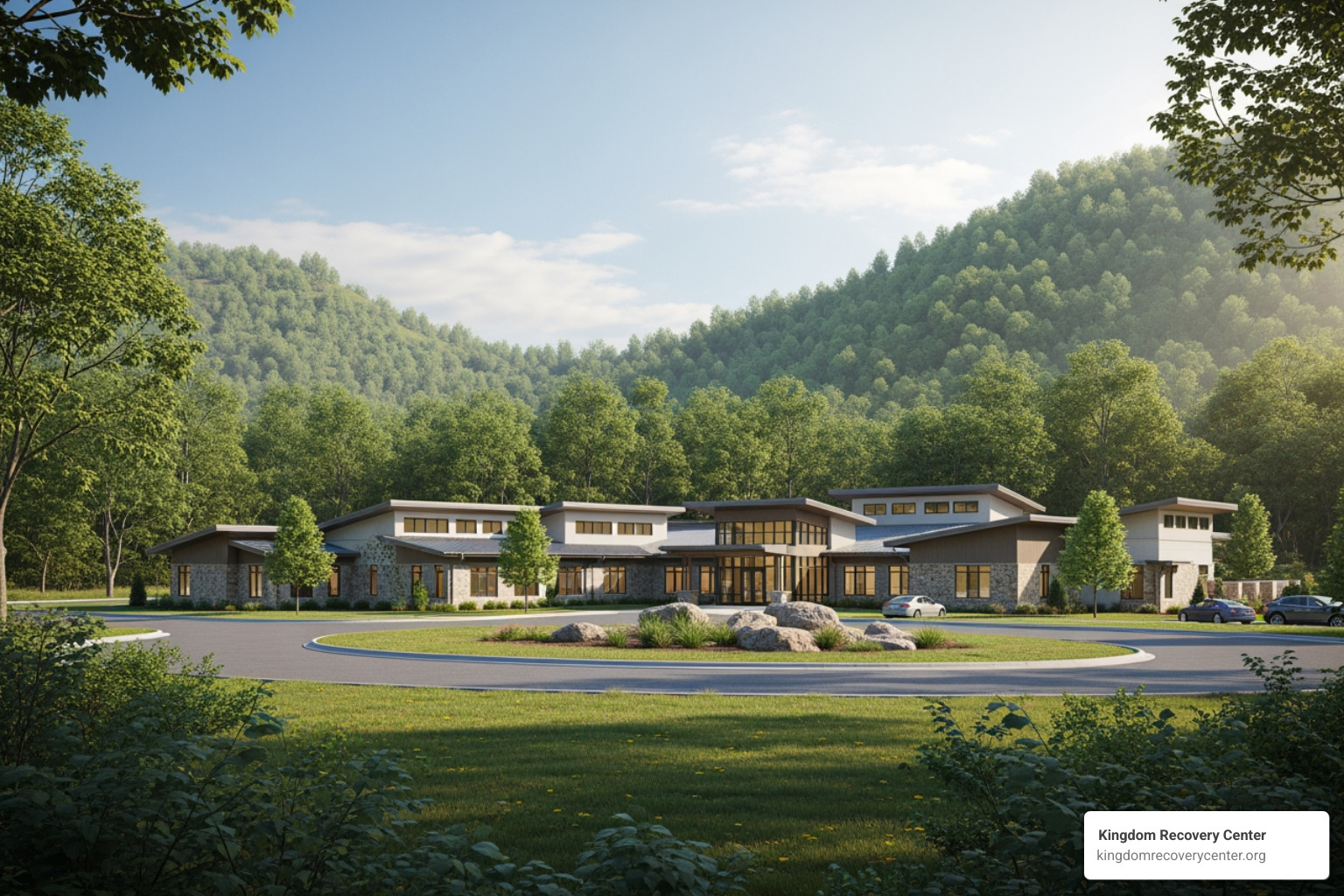
At Kingdom Recovery Center in Morristown, TN, we specialize in Inpatient drug treatment Tennessee through evidence-based practices and personalized care plans that address addiction and co-occurring mental health conditions. Our holistic approach combines medical supervision, therapeutic interventions, and compassionate support to help you rebuild your life from the ground up.
Comprehensive Guide to Inpatient Drug Treatment Tennessee
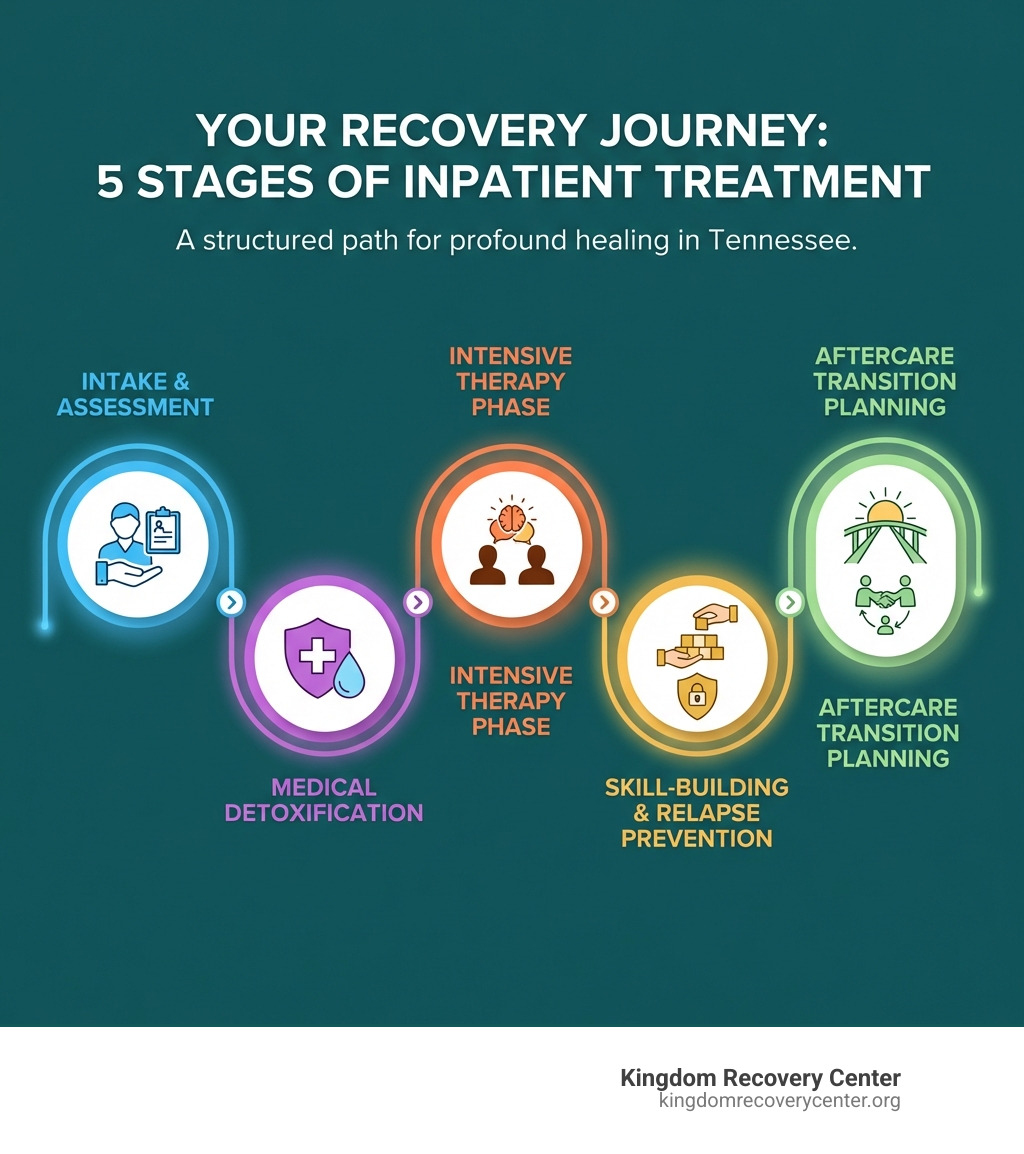
When searching for effective addiction recovery, understanding your options is the first step. In Tennessee, inpatient drug treatment Tennessee offers a live-in service designed for residents managing substance abuse disorders. This immersive approach provides the 24/7 care and structured environment crucial for profound healing.
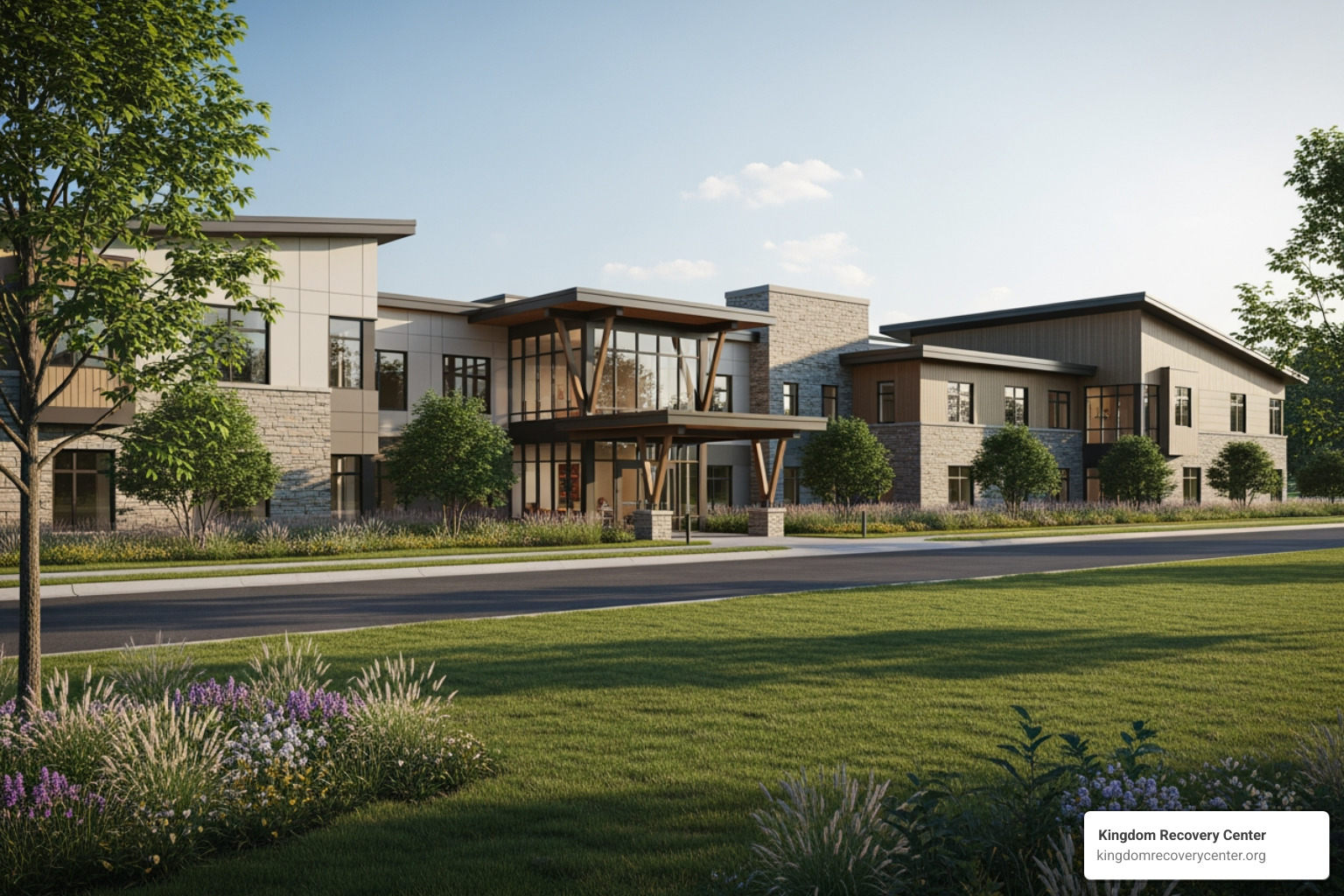
We recognize that each recovery journey is unique, which is why Tennessee offers various inpatient facilities. These centers provide round-the-clock clinical supervision, ensuring safety and support at every turn. Whether you’re considering options in Knoxville, Johnson City, or throughout East Tennessee, finding the right fit is paramount. When you’re ready to explore what’s available, remember to What to Assess When Choosing the Right Recovery Center. For immediate, confidential referrals to addiction treatment services across the state, you can always call or text the Tennessee REDLINE at 800-889-9789.
Hospital-Based vs. Residential Inpatient Drug Treatment Tennessee
In Tennessee, inpatient rehab centers generally fall into two categories: hospital inpatient and residential rehab. The distinction lies primarily in the level of medical intensity and environment.
Hospital Inpatient Rehab: This type of facility is designed for individuals with severe addiction problems or those facing co-occurring health concerns that necessitate intensive medical care. It provides an acute care setting where patients receive 24-hour, medically-directed observation, evaluation, monitoring, and withdrawal management. Our state’s Department of Mental Health and Substance Abuse Services (TDMHSAS) oversees facilities that offer this critical service, ensuring medical stabilization is a priority. For specific details on this intensive level of care, you can explore Medically Managed Inpatient Detox.
Residential Rehab: While also providing round-the-clock addiction treatment, residential rehabs offer a more homely, less clinical environment. These facilities focus on creating a supportive community where individuals can live, learn, and heal away from the triggers of their daily lives. They are staffed by qualified personnel, often including a doctor, to ensure comprehensive care. Approximately 25% of Tennessee’s treatment facilities provide residential services outside of a hospital setting, offering long-term support in a comforting atmosphere.
Choosing between these two depends on the severity of the addiction, the presence of co-occurring medical conditions, and individual preferences for treatment environment.
Why Choose Inpatient Drug Treatment Tennessee for Long-Term Sobriety
Opting for inpatient drug treatment Tennessee provides a distinct advantage in the journey toward lasting sobriety. The core benefit is the creation of a completely drug-free environment. This crucial separation from external temptations and negative influences allows individuals to focus solely on their healing.
Here’s why inpatient care is often the best choice for a solid foundation in recovery:
- Round-the-Clock Care and Expert Support: Inpatient facilities offer 24/7 access to medical and clinical professionals. This continuous support ensures immediate intervention for withdrawal symptoms, mental health crises, or any challenges that arise.
- Holistic Healing: Beyond addressing the substance use itself, inpatient programs provide expert help for both physical and mental health. They often incorporate therapies that teach skills to mend relationships and even develop practical skills for career or personal goals, preparing you for a fulfilling life post-treatment.
- Time for Deeper Work: Our experience shows that longer lengths of stay in treatment correlate with better chances of sustained sobriety. The 2019 SAMHSA report indicated that Tennessee patients spend about 89 days in inpatient rehabs on average. This extended period allows for deeper exploration of underlying issues, trauma, and the development of robust coping mechanisms. It also gives the brain the necessary time to begin recovering from addiction-related damage.
- Structured Environment: The structured routine of an inpatient setting helps individuals build healthy habits, regulate their daily lives, and gain a sense of normalcy without the chaos that addiction often brings.
The commitment to an inpatient program is an investment in your future, offering a comprehensive path to recovery. We believe in providing the tools and environment for lasting change, empowering you to accept a life free from addiction. Learn more about how these programs foster long-term recovery in our state by visiting The Importance of Rehab Programs in Tennessee for Lasting Recovery.
Treatment Modalities and Dual Diagnosis Care
Effective inpatient drug treatment Tennessee involves a blend of therapeutic modalities designed to address every aspect of addiction. At Kingdom Recovery Center, we employ a variety of evidence-based practices to ensure comprehensive healing.
Our programs typically integrate:
- Cognitive Behavioral Therapy (CBT): A cornerstone of addiction treatment, CBT helps individuals identify and challenge negative thought patterns and behaviors that contribute to drug use. We work with you to develop healthier coping strategies.
- Individual Counseling: One-on-one sessions with a therapist provide a safe space to explore personal issues, trauma, and specific challenges related to your addiction.
- Group Therapy: Sharing experiences with peers in a supportive group setting fosters a sense of community, reduces isolation, and provides diverse perspectives on recovery.
- Family Therapy: Addiction impacts the entire family system. Our family therapy sessions help mend broken relationships, improve communication, and establish healthy boundaries, which are vital for long-term recovery.
- 12-Step Immersion: Many Tennessee facilities, including ours, incorporate the principles of 12-Step programs like Alcoholics Anonymous (AA) and Narcotics Anonymous (NA). These programs offer a spiritual framework and a strong peer support network.
- Recreational Therapy: We believe in healing the whole person. Recreational activities such as meditation, yoga, sports, or creative hobbies improve physical and emotional well-being, helping you refind joy and healthy outlets.
For a deeper dive into the specific therapeutic approaches we use, please see our page on Comprehensive Addiction Treatment.
To help you understand the differences between inpatient and outpatient options, here’s a quick comparison:
| Feature | Inpatient Rehab | Outpatient Rehab |
|---|---|---|
| Environment | Live-in, 24/7 structured, drug-free environment | Live at home, attend sessions part-time |
| Intensity | Highly intensive, round-the-clock care and support | Less intensive, flexible schedule for daily obligations |
| Medical Care | On-site medical supervision, especially for detox | Limited or no on-site medical supervision |
| Cost | Generally higher due to accommodation and services | Generally lower |
| Flexibility | Minimal flexibility, full commitment required | High flexibility, allows work/school/family commitments |
| Ideal For | Severe addictions, co-occurring disorders, relapse risk | Milder addictions, step-down care, strong home support |
Addressing Co-occurring Disorders in Tennessee
It’s a common misconception that addiction exists in isolation. In reality, approximately 50% of people with substance use disorders also have co-occurring mental health conditions, also known as dual diagnoses. This means that issues like anxiety, depression, trauma, PTSD, bipolar disorder, or ADHD can fuel addiction, and vice versa.
At Kingdom Recovery Center, we understand this intricate connection. Our individualized care and dual diagnosis programs are specifically designed to treat both the addiction and any underlying mental health disorders simultaneously. This integrated approach is critical because addressing only one aspect often leads to a higher risk of relapse. We offer trauma-informed care, recognizing that past experiences often play a significant role in substance use. By treating the whole person – mind, body, and spirit – we empower lasting change. For more scientific insights into this vital area, refer to Scientific research on dual diagnosis.
Understanding who benefits most from professional guidance in this complex landscape is key. Find more at Who Benefits from Professional Treatment During Rehab?.
Typical Daily Schedule in a Tennessee Facility
A structured daily routine is a cornerstone of effective inpatient drug treatment Tennessee. It provides stability, predictability, and a framework for healing. While schedules can vary slightly between facilities, a typical day at a Tennessee inpatient rehab center might look something like this:
- Morning (e.g., 7:00 AM – 12:00 PM): Your day often begins with a wholesome breakfast, followed by quiet reflection time or morning meditation. The core of the morning typically includes your first therapy sessions, which could be an individual counseling session to discuss personal progress and challenges, or a group session focusing on topics like coping skills, relapse prevention, or processing emotions.
- Afternoon (e.g., 12:00 PM – 5:00 PM): After a nutritious lunch, the afternoon usually involves more therapeutic activities. This might include another round of group therapy, educational workshops on addiction science, or experiential therapies like art therapy or mindfulness exercises. Some facilities, like those in rural Tennessee, might incorporate outdoor activities or working with animals as part of their program, blending clinical care with the natural rhythm of life.
- Free Hours/Recreational Time: Integrated into the day are periods for personal time. This is an opportunity for recreation, journaling, reading, or connecting with peers in a healthy way. Many facilities offer amenities like fitness centers or outdoor spaces to encourage physical activity and relaxation.
- Evening (e.g., 5:00 PM – 9:00 PM): Evenings often include dinner, followed by less vigorous group activities, such as 12-step meetings, peer support groups, or lectures from guest speakers. This time is often about reinforcing the day’s lessons and building community bonds.
- Lights Out: A consistent bedtime helps regulate sleep patterns, which are often disrupted by addiction and are vital for brain recovery.
This structured approach allows you to fully engage in treatment, learn new behaviors, and develop a healthy routine, all within a supportive and supervised environment. To understand the deeper science behind why such a structured approach is effective, explore The Science of Addiction: Key Factors in Treatment Efficacy.
Costs, Insurance, and Financial Planning
The financial aspect of inpatient drug treatment Tennessee is often a significant concern for individuals and families. We understand that navigating costs and insurance can feel overwhelming, but we’re here to help you understand the options available.
Utilizing FMLA and Job Protection
One common worry when considering inpatient rehab is the impact on employment. The good news is that the Family and Medical Leave Act (FMLA) provides crucial protections. If you are eligible, FMLA allows you to request up to 12 weeks of unpaid leave for medical reasons, including seeking treatment for a substance abuse disorder. Your job, and often your health benefits, are protected during this period. Many employers are supportive of employees seeking help and may even offer Employee Assistance Programs (EAPs). We can assist with the necessary paperwork and ensure discretion, allowing you to focus on your recovery without undue stress about job security. Understanding whether inpatient or outpatient rehab is best for you, considering work, is a key discussion point, which you can read more about at Outpatient vs Inpatient Rehab: Which is Best for You?.
Factors Influencing Inpatient Rehab Pricing
The cost of inpatient drug treatment Tennessee is not one-size-fits-all; it varies widely based on several factors:
- Treatment Duration: Shorter programs (e.g., 30 days) are less expensive than longer ones (e.g., 60 or 90 days, or even extended care programs). The average stay in Tennessee is about 89 days, and longer stays often lead to better outcomes.
- Facility Location: Rehab centers in metropolitan areas or highly desirable locations (like some serene settings in East Tennessee) may have higher costs compared to those in more rural areas. However, Tennessee is noted as the 16th least-expensive state in the U.S. for residential drug rehab, which is a promising statistic for those seeking affordable care.
- Amenities and Services: Luxury amenities such as private rooms, gourmet dining, spa services, or exclusive recreational activities will increase the overall cost. Standard facilities provide comfortable, clean environments without these premium add-ons.
- Specialized Tracks: Programs offering specialized treatment for specific populations (e.g., healthcare professionals, veterans, young adults) or for specific co-occurring disorders may have different pricing structures due to the highly custom care provided.
Without insurance, a 30-day residential program in Tennessee can range from $10,000 to $30,000. With health insurance assistance, this could be significantly reduced, often falling between $1,000 and $10,000, depending on your plan’s coverage, deductibles, and out-of-pocket maximums. We are committed to helping you find the best options that fit your budget, and you can explore more about this at The Best Rehabs in Tennessee on a Budget.
Frequently Asked Questions
How long does inpatient rehab typically last in Tennessee?
The length of stay in inpatient drug treatment Tennessee is highly individualized, custom to each person’s unique needs and circumstances. While the 2019 SAMHSA report indicated that Tennessee patients spend about 89 days in inpatient rehabs on average, this is just an average. Factors influencing the duration include:
- Type and Severity of Addiction: Different substances and the extent of their use can require varying detoxification periods and therapeutic interventions.
- Presence of Co-occurring Conditions: If you’re managing mental health disorders alongside addiction, a longer stay might be recommended to ensure comprehensive, integrated treatment.
- Individual Progress: Your response to therapy, engagement in the program, and development of coping skills all play a role.
Residential rehab programs often start at 28 days, with many facilities offering 30, 60, or 90-day programs, and some even providing extended care for several months. Our experience shows that longer involvement in a comprehensive program often leads to more profound personal growth and better long-term recovery outcomes.
Can patients have visitors during inpatient rehab in Tennessee?
Yes, patients can generally have visitors during inpatient drug treatment Tennessee, but it’s crucial to understand and respect each facility’s specific visitation policies. These policies are designed to support the patient’s recovery process and maintain a therapeutic environment.
Typically, you can expect:
- Scheduled Visits: Visits are usually scheduled in advance and may be limited in duration (e.g., 1-3 hours weekly).
- No Visits During Detox: During the initial detoxification period, visits might not be permitted to allow the patient to focus on stabilization without distractions.
- Approved Visitors: Facilities often require a list of approved visitors, and family members may need to participate in family therapy sessions as part of the treatment plan.
- Identification: Visitors will likely need to present valid identification upon arrival.
We encourage family involvement as it plays a vital role in recovery, helping to mend relationships and build a strong support system for when you return home. Always check with your chosen facility regarding their specific visitation guidelines before making plans.
What are the signs that someone needs inpatient addiction treatment?
Recognizing the signs that someone needs inpatient drug treatment Tennessee can be life-saving. It often comes down to the inability to control substance use, despite negative consequences, and a need for a highly structured environment to break the cycle. Here are key indicators:
- Failed Attempts to Quit Independently: If you or a loved one has tried to stop using on their own multiple times without success, it’s a strong sign that professional help is needed. Addiction is a disease, and willpower alone is rarely enough.
- Significant Withdrawal Symptoms: Experiencing severe physical or psychological withdrawal symptoms when not using a substance (e.g., shaking, sweating, nausea, intense anxiety, seizures) indicates a physical dependence that requires medically supervised detox.
- Substance Use Dominates Life: When an individual constantly worries about where and when they’ll get their next dose, neglects responsibilities (work, school, family), or finds less pleasure in activities they once enjoyed, addiction has taken over.
- Safety Concerns: If the environment at home is unstable, or there’s a high risk of overdose, self-harm, or harm to others, an inpatient setting provides necessary safety and supervision.
- Co-occurring Mental Health Issues: Struggling with mental health disorders like severe depression or anxiety alongside substance use often requires integrated, dual diagnosis treatment best provided in an inpatient setting.
- Legal or Financial Problems: Mounting legal troubles or significant financial distress directly related to substance use can be a clear indicator that the addiction is out of control and requires immediate, intensive intervention.
- Relapse After Outpatient Treatment: If outpatient or less intensive treatments haven’t been sufficient, the 24/7 immersive environment of inpatient care may be necessary for a breakthrough.
If these signs resonate with your situation or that of a loved one, it’s time to seek help. Denial and fear can be powerful barriers, but earlier intervention leads to better outcomes.
Conclusion
Choosing inpatient drug treatment Tennessee is a courageous and life-altering decision, offering a safe, structured, and supportive environment essential for overcoming addiction. From comprehensive medical detox to a diverse range of therapeutic modalities, these programs are designed to address the intricate physical and psychological aspects of substance use disorders. We’ve explored the differences between hospital-based and residential care, the profound benefits of a drug-free setting for long-term sobriety, and the critical importance of dual diagnosis treatment for co-occurring mental health conditions.
Understanding the daily rhythms of rehab, navigating costs and insurance, and utilizing resources like FMLA are all part of empowering you to take this vital step. Our state, with its network of dedicated facilities, offers a promising path to recovery for thousands each year.
At Kingdom Recovery Center in Morristown, TN, we are committed to providing client-centered, evidence-based addiction, mental health, and behavioral health treatment. Our specialization in individualized care and dual diagnosis programs empowers lasting change, helping you to heal, grow, and build a fulfilling life free from the grip of addiction. We are here to partner with you on this journey, offering the compassionate support and expert guidance you deserve. Take the first step towards a brighter future with us. Kingdom Recovery Center: Your Partner in the Journey to Sobriety.