Understanding the Struggle with Addiction in Scott County, Tennessee

Drug Rehab Scott County, TN offers hope for individuals and families facing substance use challenges. If you’re searching for treatment options, here’s what you need to know:
- Available Treatment Types: Detox, inpatient residential, outpatient programs, Intensive Outpatient Programs (IOP), dual diagnosis care, and aftercare support
- Key Local Providers: Comprehensive outpatient services are available locally in Scott County, while a wider range of inpatient care options can be found in nearby Knoxville and surrounding areas
- Payment Options: Most centers accept Medicare, Medicaid, private insurance, military insurance (TRICARE), sliding fee scales, and offer payment assistance
- Telehealth Availability: Tennessee has 230 facilities offering telehealth services for opioid use and 210 for other substance-related issues
- Local Statistics: 15.7% of Scott County residents engaged in binge drinking in 2022, and there were 15.1 drug poisoning deaths per 100,000 people in 2025
Scott County faces real challenges with addiction. Binge drinking affects nearly one in six residents, and drug poisoning deaths continue to impact families across the community. The struggle is made harder because only one in ten Tennesseans who need substance use disorder care actually receive it, often due to limited providers, long travel distances, stigma, and financial barriers.
But there is hope. Treatment centers throughout the region now offer evidence-based programs designed to address not just addiction, but the underlying mental health conditions that often accompany it—like anxiety, depression, and trauma. Whether you need medically supervised detox, intensive inpatient care, or flexible outpatient services that allow you to maintain work and family commitments, options exist to match your unique situation.
Recovery is not a one-size-fits-all journey. Some people benefit from 24/7 residential support, while others thrive in outpatient programs that provide structure without requiring them to leave home. Many facilities now offer dual diagnosis treatment for those struggling with both addiction and mental health disorders, recognizing that healing requires addressing the whole person.
At Kingdom Recovery Center in Morristown, TN, we specialize in compassionate, evidence-based treatment for addiction and mental health challenges, including comprehensive Drug Rehab Scott County, TN residents can access through our network. Our holistic approach creates personalized treatment plans that empower individuals on their recovery journey, from detoxification through long-term aftercare.
Understanding the Need for Addiction Treatment in Scott County

The journey to recovery often begins with recognizing the need for help. In Scott County, TN, the statistics paint a clear picture of the challenges many residents face. In 2022, a concerning 15.7% of Scott County residents engaged in binge drinking. This figure, while stark, highlights a prevalent issue. Even more sobering is the projection of 15.1 drug poisoning deaths per 100,000 population in Scott County in 2025. These numbers are more than just statistics; they represent lives, families, and communities deeply affected by substance use.
The reality is that addiction doesn’t just impact the individual; it casts a wide net, affecting families, friends, and the broader community. Only one in ten Tennesseans who need Substance Use Disorder (SUD) care actually receive it, a gap largely attributed to limited providers, long travel distances, stigma, and financial barriers. This underscores the critical importance of accessible and comprehensive Drug Rehab Scott County, TN services.
So, how do you know if you or a loved one might need addiction treatment? The signs can vary, but generally fall into behavioral, physical, and psychological categories. We’ve compiled a comprehensive guide on Signs Indicating It’s Time to Seek Help for Substance Use Disorder, but here are some common indicators:
Behavioral Changes:
- Secretiveness or dishonesty: Hiding substance use, lying about activities.
- Neglecting responsibilities: Failing at work, school, or home duties.
- Changes in social circles: Spending time with new friends who use substances, avoiding old friends.
- Legal or financial problems: Arrests related to substance use, unexplained debt.
- Loss of interest: No longer enjoying hobbies or activities once loved.
Physical Signs:
- Changes in appearance: Neglecting hygiene, sudden weight loss or gain.
- Dilated or constricted pupils: Red eyes, glassy stare.
- Unusual smells: Persistent odor of alcohol or drugs.
- Withdrawal symptoms: Tremors, sweating, nausea, insomnia when not using.
- Track marks or bruising: Especially on arms or other visible areas.
Psychological Symptoms:
- Mood swings: Irritability, anxiety, depression, sudden emotional outbursts.
- Paranoia or delusions: Feeling suspicious or having false beliefs.
- Difficulty concentrating: Memory problems, impaired judgment.
- Increased anxiety or depression: Using substances to cope with mental health issues.
Recognizing these signs is the first, often difficult, step towards healing. The impact on families is profound, ranging from emotional distress and financial strain to broken trust and strained relationships. But remember, addiction is a treatable disease, and seeking help is a sign of immense strength.
Navigating Drug Rehab Scott County, TN: Levels of Care and Programs
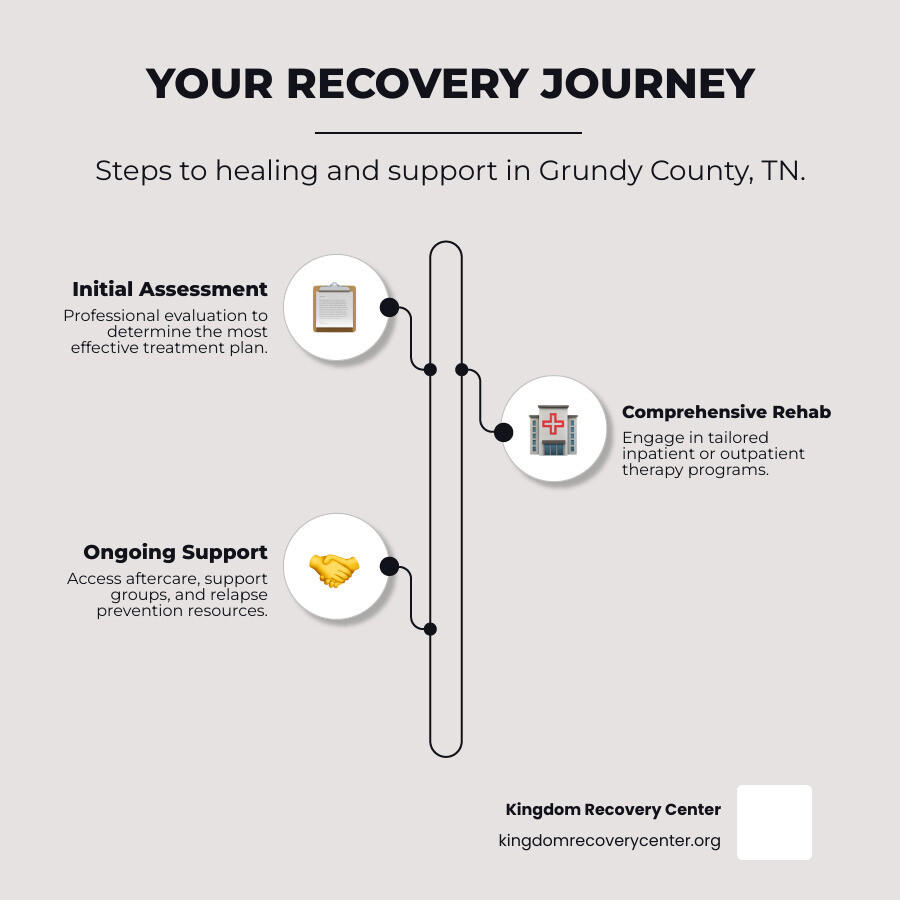
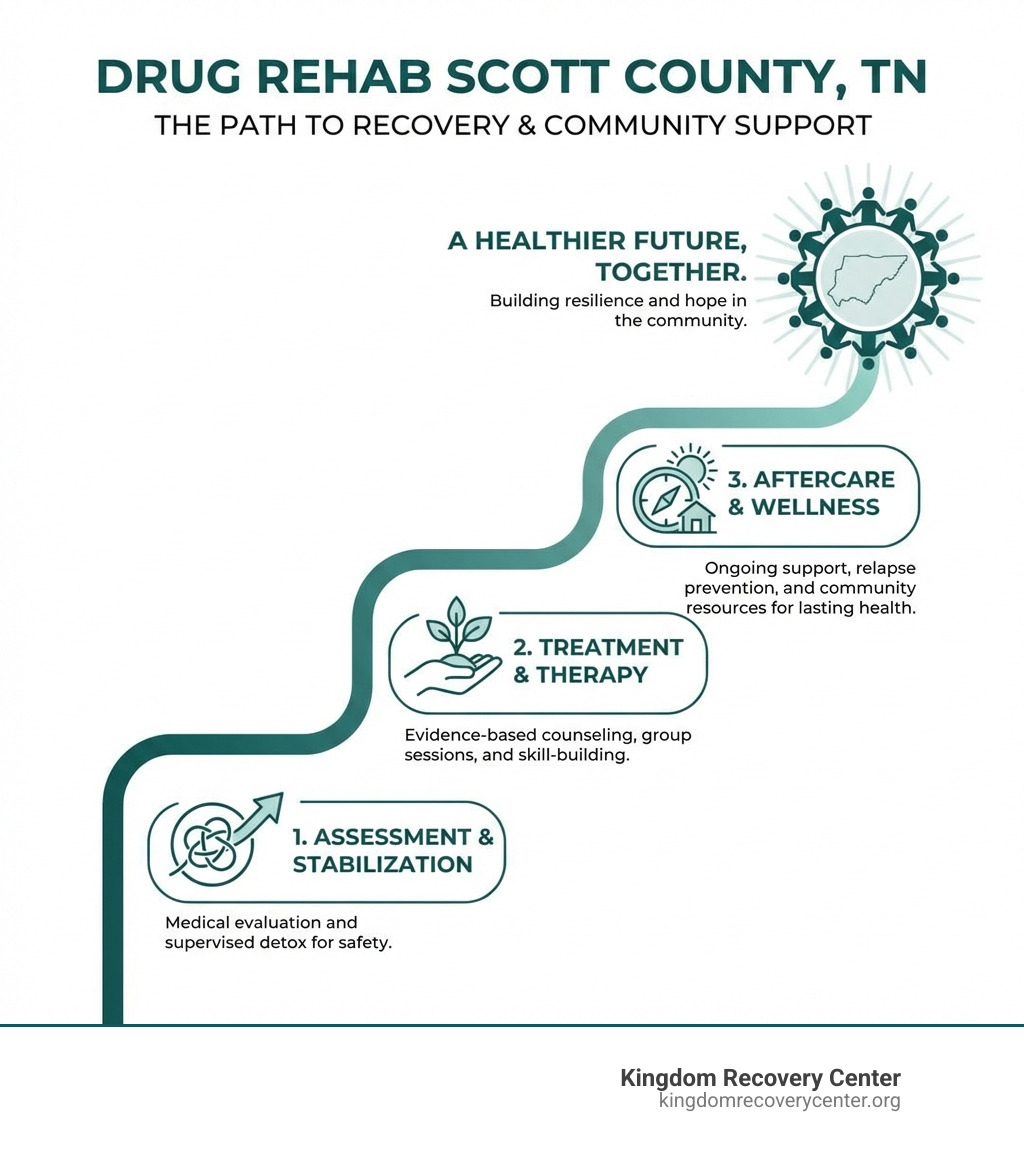
When considering Drug Rehab Scott County, TN, it’s important to understand that treatment is not a one-size-fits-all solution. A continuum of care exists, designed to meet individuals at their unique stage of addiction and recovery. Our goal at Kingdom Recovery Center is to match each person with the most suitable level of care, ensuring they receive the support they need for lasting recovery. We believe in The Importance of Rehab Programs in Tennessee for Lasting Recovery, which is why we offer a range of services from initial detox to ongoing aftercare.
Medical Detoxification
The very first step for many individuals seeking addiction treatment is detoxification. This process involves safely removing substances from the body and managing the often uncomfortable and sometimes dangerous withdrawal symptoms. Medically supervised detox is crucial for safety and comfort, especially for substances like alcohol or benzodiazepines, where withdrawal can be life-threatening. Our approach to Medically Assisted Detox: Ensuring a Smooth Transition prioritizes patient well-being, utilizing medications to ease withdrawal and 24/7 medical monitoring to address any complications. It’s the essential first step that prepares the body and mind for the therapeutic work ahead.
Inpatient and Outpatient Programs
Once detox is complete, or if detox isn’t medically necessary, individuals transition into structured treatment programs. These broadly fall into inpatient (residential) and outpatient categories, each offering distinct benefits.
| Feature | Inpatient Rehab | Outpatient Rehab |
|---|---|---|
| Structure | Highly structured, 24/7 supervision | Flexible, allows for daily responsibilities |
| Intensity | High, immersive therapy | Moderate to low, scheduled sessions |
| Duration | Typically 30-90 days, sometimes longer | Varies; weeks to months, ongoing support |
| Ideal Candidate | Severe addiction, unstable home environment, co-occurring disorders, previous relapses | Mild to moderate addiction, stable home life, work/school commitments, step-down care |
Inpatient residential care offers a safe, substance-free environment with 24/7 support and medical supervision. It’s an intensive, immersive experience where individuals can fully focus on their recovery, free from external triggers and daily stressors. This structured environment is particularly beneficial for those with severe addictions, co-occurring mental health disorders, or those who have struggled with sobriety in their home environment.
Outpatient programs, on the other hand, provide flexibility, allowing individuals to maintain their daily routines, work, school, or family commitments while receiving treatment. This can be an excellent option for those with less severe addictions, a strong support system at home, or as a step-down from inpatient care. Our goal is always to help you choose the best path, and you can learn more about making this decision in our guide on Outpatient Rehab vs. Inpatient Rehab: Which is Best for You?.
Intensive Outpatient (IOP) and Step-Down Care
Intensive Outpatient Programs (IOPs) are a vital component of the continuum of care, serving as a bridge between the intensity of inpatient treatment and the flexibility of standard outpatient services. An IOP typically involves several hours of group and individual therapy each week, often meeting three to five days. This schedule allows individuals to live at home, attend work or school, and practice their recovery skills in real-world settings while still receiving significant clinical support.
IOPs are an excellent “step-down” option for those transitioning from residential care, providing continued structure and accountability. They can also be a primary treatment option for individuals who require more support than traditional outpatient services but do not need 24/7 supervision. For those in Scott County, TN, an IOP offers a robust treatment experience that balances recovery goals with daily life. Understanding the nuances of these programs is key, and we dig deeper into Choosing Between IOP and Other Levels of Care: Key Considerations.
Specialized Treatment and Therapies for Lasting Sobriety

At Kingdom Recovery Center, we understand that every individual’s journey to recovery is unique. That’s why we emphasize individualized care, tailoring treatment plans to address the specific needs, experiences, and challenges of each person. This client-centered approach is built upon a foundation of evidence-based therapies, which are proven to be effective in treating substance use disorders and co-occurring mental health conditions. You can explore our diverse range of Therapies designed to support lasting sobriety.
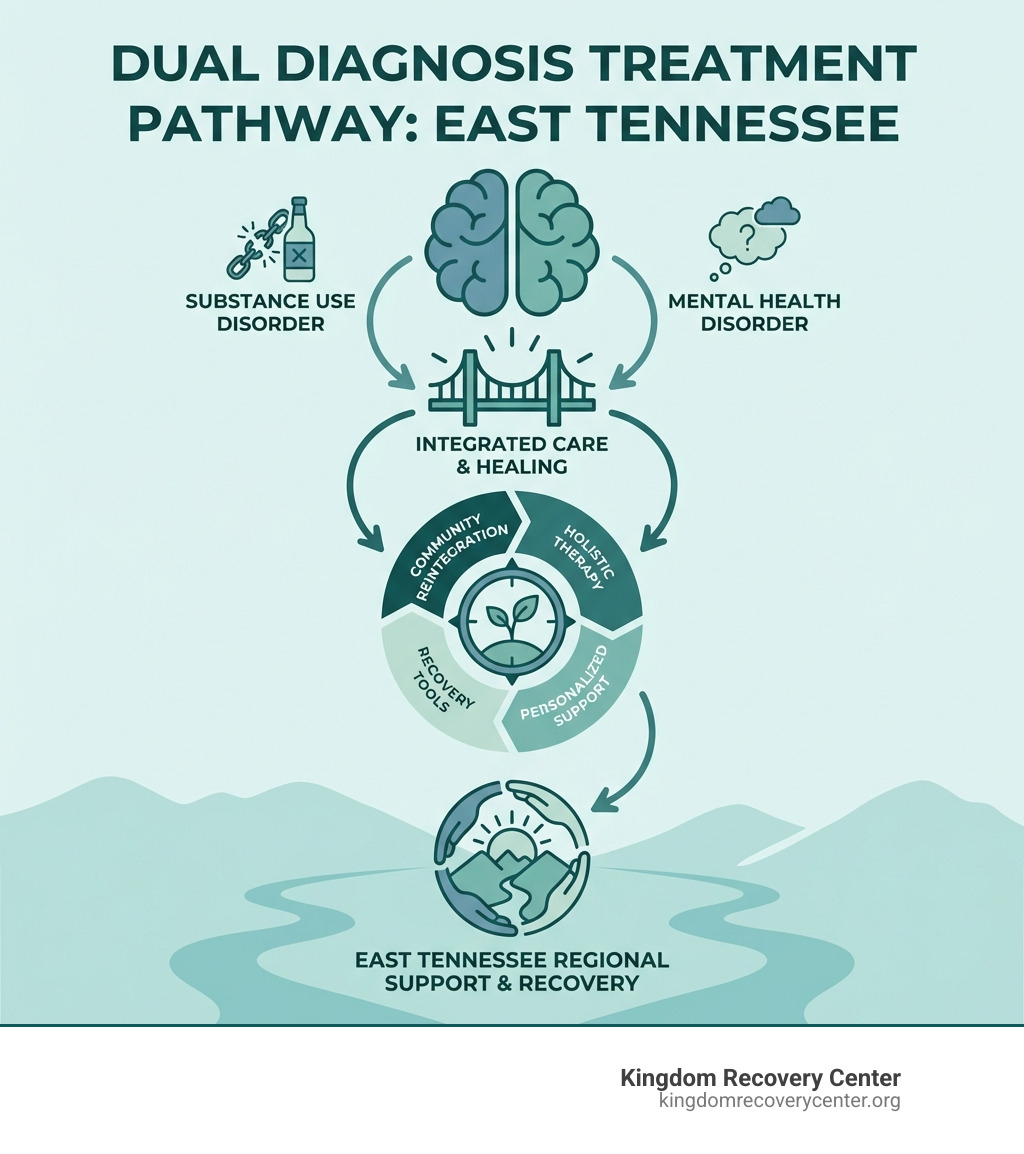
Treating Co-Occurring Disorders: Dual Diagnosis
It’s a common misconception that addiction exists in isolation. In reality, there’s a significant link between mental health and addiction. Over half of people who suffer from a mental illness or substance abuse problem will experience the other at some point in their lives. Often, individuals turn to substances to self-medicate underlying mental health conditions like anxiety, depression, or trauma. Conversely, substance use can exacerbate existing mental health symptoms or even induce new ones.
This complex interplay necessitates an integrated treatment approach, known as dual diagnosis care. Addressing both the substance use disorder and any co-occurring mental health conditions simultaneously is critical for long-term recovery. Our specialized Dual Diagnosis programs provide comprehensive care that tackles both issues concurrently, recognizing that true healing means treating the whole person. We invite you to read more about Unraveling the Mental Health and Addiction Relationship to understand this vital connection.
Core Therapeutic Modalities
Our treatment programs incorporate a variety of core therapeutic modalities, each chosen for its effectiveness in fostering recovery:
- Cognitive Behavioral Therapy (CBT): This widely used therapy helps individuals identify and change negative thought patterns and behaviors that contribute to substance use. By learning to challenge unhelpful thoughts and develop healthier coping mechanisms, clients can reduce their risk of relapse. Explore more about Cognitive Behavioral Therapy.
- Dialectical Behavioral Therapy (DBT): Often used for individuals with intense emotional dysregulation, DBT focuses on teaching skills in four key areas: mindfulness, distress tolerance, emotion regulation, and interpersonal effectiveness. It helps clients manage difficult emotions and reduce self-destructive behaviors.
- Individual Psychotherapy: One-on-one sessions with a therapist provide a private and confidential space to explore personal issues, past traumas, and underlying psychological factors contributing to addiction. This personalized attention is crucial for deep healing and self-findy.
- Group Therapy: Sharing experiences and insights with peers in a supportive environment is incredibly powerful. Group Therapy fosters a sense of community, reduces feelings of isolation, and allows individuals to practice new communication and coping skills.
- Family Counseling: Addiction affects the entire family system. Family counseling aims to heal relationships, improve communication, and educate family members on how to best support their loved one’s recovery while also addressing their own needs.
These therapies, combined with medication-assisted treatment (MAT) when appropriate, form the backbone of effective Drug Rehab Scott County, TN programs.
Accessing and Paying for Treatment in Scott County
One of the most significant problems to seeking addiction treatment is often the perceived financial burden. We understand that navigating payment options can be daunting, but it’s crucial to remember that treatment is an investment in a healthier future, and resources are available to make it accessible. Our goal is to remove financial barriers, ensuring that everyone who needs help can receive it. We’ve dedicated resources to guide you through Using Insurance to Cover the Costs of Rehab.
Insurance and Payment Options
Most reputable Drug Rehab Scott County, TN centers, including Kingdom Recovery Center, accept a wide range of payment options to ease the financial strain:
- Private Insurance: Many private health insurance providers cover the cost of substance use disorder and addiction treatment. Coverage can vary significantly based on your specific plan and the type of services required. It’s always best to verify your benefits directly with the treatment center or your insurance provider. We offer Insurance Verification services to help you understand your coverage.
- Medicaid/Medicare: These government-funded programs can cover a substantial portion of addiction treatment costs for eligible individuals.
- Military Insurance (TRICARE): For active-duty service members, veterans, and their families, TRICARE often provides comprehensive coverage for substance abuse treatment.
- Sliding Scale Fees: Many facilities offer a sliding fee scale, where treatment costs are adjusted based on an individual’s income and ability to pay.
- Payment Assistance & Federal/Government Funding: Some centers receive federal or government funding, allowing them to offer reduced costs or financial aid to those who qualify.
Finding Affordable Drug Rehab in Scott County, TN
Beyond insurance, several avenues exist for finding affordable or even free addiction treatment resources in Scott County and across Tennessee.
- State-Supported Programs: Tennessee receives federal funding through the Substance Abuse Prevention and Treatment Block Grant to provide prevention, treatment, and recovery services. These programs often cater to individuals earning up to 138% of the Federal Poverty Level.
- Tennessee REDLINE: This is a crucial resource. The TennesseeREDLINE (800-889-9789) is a 24/7 phone and text hotline for substance misuse treatment referrals. It’s free, confidential, and connects individuals and families with trained representatives who can help find suitable treatment options.
- TN Together: An online resource, TN Together provides information on addiction, treatment, and harm reduction, including a comprehensive listing of treatment services by county. Their FindHelpNow link allows individuals to search for programs based on location, treatment need, and ability to pay.
- Tennessee 211: For a wide variety of social services, including medical services, mental health, and substance use treatment, residents can call Tennessee 211.
Telehealth has also significantly increased access to substance abuse care, expanding reach by up to 48% in the region. Tennessee has 230 facilities offering telehealth services for opioid use and another 210 for additional substance-related issues, making it easier for residents in rural areas to connect with qualified clinicians.
Building a Foundation for Lifelong Recovery
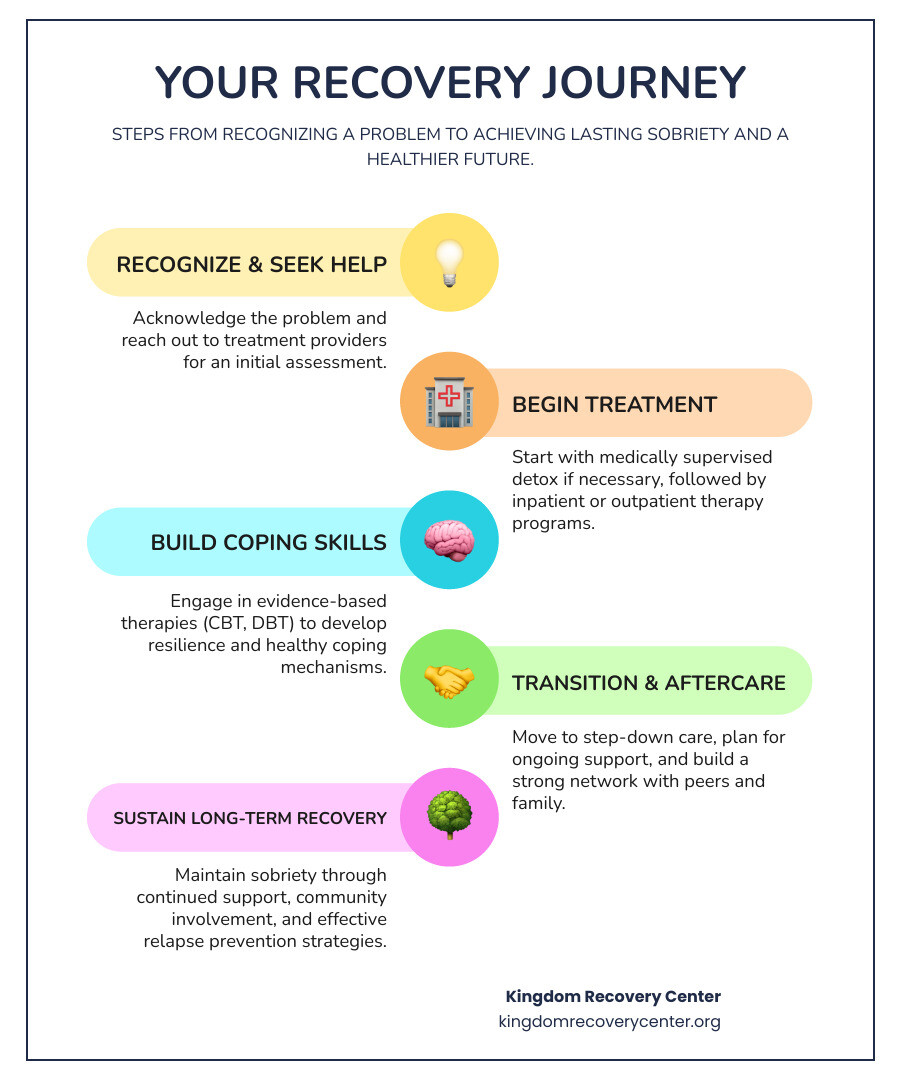
Completing a treatment program is a monumental achievement, but it’s just the beginning of a lifelong journey. Building a strong foundation for sustained sobriety requires ongoing effort and support. This is where aftercare planning and community involvement become paramount. Our focus extends beyond initial treatment to equip individuals with the tools for Relapse Prevention and lasting well-being.
Aftercare and Ongoing Support
Effective aftercare significantly reduces the risk of relapse and helps individuals integrate back into daily life with confidence. Key components of ongoing support include:
- Sober Living Homes: These structured, substance-free residences provide a supportive transitional environment for individuals post-rehab, fostering independence while maintaining accountability.
- Peer Support Specialists: Individuals with lived experience in recovery can offer invaluable guidance, mentorship, and encouragement, demonstrating that long-term sobriety is achievable.
- Alumni Programs: Many treatment centers, including Kingdom Recovery Center, offer alumni programs that create a supportive network among former clients, providing continued connection and resources.
- Support Groups: Programs like Alcoholics Anonymous (AA), Narcotics Anonymous (NA), SMART Recovery, and Dual Recovery Anonymous (DRA) offer community-based support, shared experiences, and a structured path to maintaining sobriety. These groups are widely available across Tennessee.
- Ongoing Therapy and Counseling: Continuing individual or group therapy sessions can help address new challenges, reinforce coping skills, and provide consistent emotional support.
The Role of Family and Community in Drug Rehab for Scott County, TN
The involvement of family and the broader community is a cornerstone of successful long-term recovery. Addiction is often referred to as a “family disease” because its effects ripple through every relationship.
- Family Therapy and Educational Programs: Engaging in family therapy sessions can help heal damaged relationships, improve communication patterns, and educate family members about addiction as a disease. This understanding fosters a more supportive home environment.
- Building a Strong Support Network: Beyond immediate family, connecting with a supportive community—be it through faith-based organizations, local recovery groups, or community events—provides a crucial safety net.
- Community Resources: Local organizations like the Oneida Schools Family Resource Center offer a range of services from food banks to parenting classes, which can indirectly support families in recovery by addressing basic needs and strengthening family units. Connecting with these and other local support systems can provide a crucial safety net.
- Harm Reduction Services: For those not yet ready for treatment or as a complementary approach, Tennessee provides harm reduction resources. This includes free naloxone (Narcan) kits from Tennessee Harm Reduction and Regional Overdose Prevention Specialists (ROPS), as well as syringe services programs (SSPs) for sterile supplies and referrals, which are vital for reducing risks and connecting individuals to care.
By embracing these aftercare strategies and leveraging the power of family and community, individuals in Drug Rehab Scott County, TN can build a robust foundation for a healthier, sober future.
Your Journey to a Healthier Future Starts Today
We understand that taking the first step towards recovery can feel overwhelming, but we want you to know that recovery is not only possible, it’s a journey filled with hope and healing. The challenges of substance use in Scott County, TN, are real, but so are the solutions and the compassionate support available.
At Kingdom Recovery Center, we are dedicated to providing client-centered, evidence-based addiction, mental health, and behavioral health treatment. Our individualized care and dual diagnosis programs are designed to empower lasting change, helping you or your loved one achieve sustainable sobriety and mental wellness. We believe in treating the whole person, addressing not just the addiction but also any underlying mental health conditions that contribute to it.
Your journey to a healthier future begins with a single step. Don’t let stigma or fear prevent you from reaching out. Whether you’re seeking information for yourself or a loved one, resources are available, and compassionate professionals are ready to guide you.
If you’re ready to explore your options for Drug Rehab Scott County, TN, or simply want to learn more about how we can support you, we invite you to connect with us.
Find out more about our addiction treatment programs and let us be your partner in the journey to sobriety.