
Fentanyl has earned a grim reputation in recent years as one of the most dangerous drugs fueling the addiction crisis in the United States. As a synthetic opioid, fentanyl is up to 50–100 times more potent than morphine, making it incredibly addictive and hazardous. According to the CDC, over 70,000 deaths involving synthetic opioids like fentanyl occurred in 2021, with fentanyl surpassing all other drugs as the leading cause of overdose deaths in America.
If your loved one is struggling with fentanyl addiction, recognizing the signs of fentanyl addiction early can make a significant difference in helping them find recovery. At Kingdom Recovery Center, we specialize in compassionate and evidence-based addiction treatment to support families and individuals battling substance use disorders. In this blog, we’ll examine the signs of fentanyl addiction and offer guidance on how to help your loved one take the first steps toward recovery.
What is Fentanyl, and Why is it So Dangerous?
Fentanyl is a prescription opioid primarily used for severe pain management, such as after surgery or during cancer treatment. However, illicitly manufactured fentanyl has flooded the drug market in recent years, widely available as powder, pills, or mixed with other substances like heroin. The problem? Even trace amounts of fentanyl can cause a fatal overdose.
Fentanyl works by binding to opioid receptors in the brain, producing powerful effects like pain relief, euphoria, and relaxation. Because of its potency, users quickly develop a tolerance, requiring higher doses to achieve the same effects. This cycle increases the risk of addiction, overdose, and death.
Recognizing the Signs of Fentanyl Addiction
Understanding the signs of fentanyl addiction isn’t always easy, particularly when a loved one goes to great lengths to hide their struggle. However, looking out for key physical, behavioral, and psychological symptoms can help identify whether someone needs intervention.
Physical Symptoms
Fentanyl affects almost every part of the body, causing physical signs that may be noticeable if your loved one is misusing the drug. Common physical symptoms include:
- Drowsiness or extreme lethargy
- Pinpoint pupils
- Shallow or slowed breathing
- Nausea or vomiting
- Slurred speech
- Frequent itching or scratching
- Unexplained weight loss
When fentanyl use progresses into addiction, the side effects become more severe, often resulting in respiratory depression, coma, or overdose.
Behavioral Changes
Addiction impacts more than the body—it influences behavior and daily habits. If your loved one is misusing fentanyl, they may begin to exhibit drastic changes in their behavior, such as:
- Suddenly withdrawing from social situations or family interactions
- Inability to concentrate on work, school, or personal responsibilities
- Engaging in risky behaviors like driving while impaired
- Doctor shopping or forging prescriptions to obtain fentanyl
- Disregarding personal hygiene or appearance
Behavioral changes are often one of the first indicators of fentanyl addiction, as the drug starts to replace meaningful relationships and priorities.
Psychological Symptoms
Addiction takes a toll on mental well-being. Individuals dependent on fentanyl may experience the following psychological symptoms:
- Intense cravings for the drug
- Anxiety or panic attacks
- Mood swings or irritability
- Depression or apathy toward once-enjoyable activities
- Paranoia or confusion
While fentanyl may initially produce a euphoric high, these psychological symptoms are amplified during withdrawal, which often triggers a vicious cycle of repeated use.
Why Fentanyl Addiction Requires Immediate Help
Fentanyl is unforgiving when it comes to overdose risk. Illicit fentanyl is frequently mixed with other drugs, like cocaine or counterfeit pills, without the user’s knowledge. Even individuals who use street drugs recreationally face the danger of unknowingly ingesting fentanyl. According to the DEA, just 2 milligrams of fentanyl—a size smaller than a grain of rice—is enough to cause a fatal overdose.
Because fentanyl addiction escalates quickly, delaying treatment can lead to devastating consequences, including death. Immediate help and intervention are essential to ensure your loved one gets the medical and emotional support they need to break free from addiction.
How to Help a Loved One Find Recovery
Helping someone struggling with fentanyl addiction can be emotionally challenging, but your support plays an essential role in guiding them toward recovery. Here are steps you can take:
1. Learn About Fentanyl Addiction
Understanding fentanyl’s addictive nature and risks equips you to better communicate with your loved one and offer informed guidance. Explore reputable resources and read recovery stories to gain deeper insight into their experience.
2. Express Concern Without Judgment
Approach your loved one in a calm, nonjudgmental manner. Avoid blaming or shaming them, as this may cause them to shut down. Instead, express your concern and love, emphasizing that you want to see them healthy and safe.
3. Offer Professional Help
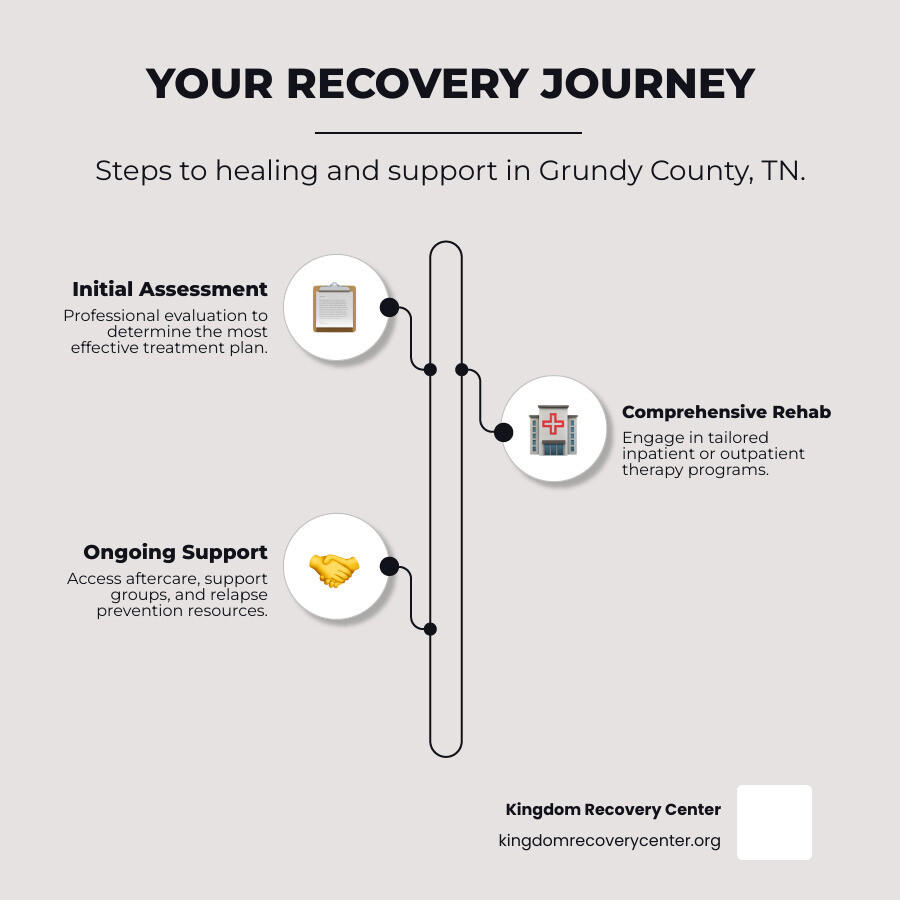
Most individuals battling fentanyl addiction need professional treatment to recover safely and effectively. Provide information about evidence-based programs like detox, inpatient rehab, and outpatient services such as an Intensive Outpatient Program (IOP). Make the process easier by researching treatment centers in advance.
4. Support Their Journey
Recovery is an ongoing process, so offer emotional and practical support as they transition to sobriety. Attend counseling sessions together, encourage positive lifestyle changes, and celebrate milestones in their recovery journey.
Why Kingdom Recovery Center is the Ideal Choice for Fentanyl Addiction Treatment
At Kingdom Recovery Center, we are committed to helping individuals and families reclaim their lives from the grips of addiction. Located in Morristown, TN, our drug and alcohol rehab program offers expert care, flexibility, and personalized treatment plans for those navigating fentanyl addiction recovery. Here’s why you should consider us:
- Evidence-Based Treatment: We focus on therapies proven to aid recovery, such as Cognitive Behavioral Therapy (CBT) and group counseling.
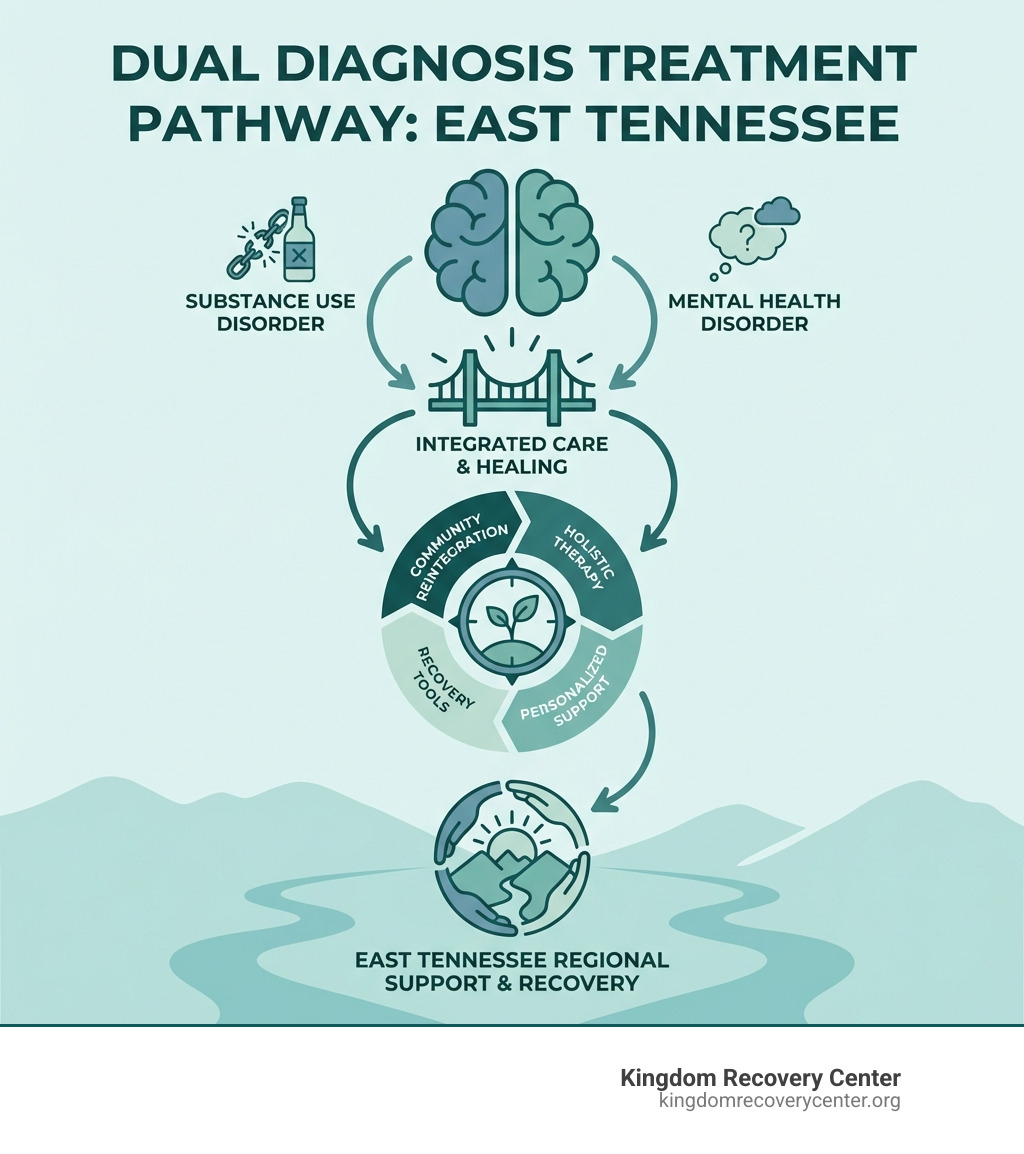
- Dual Diagnosis Care: Our team specializes in treating co-occurring mental health and addiction disorders simultaneously to address the root causes of substance use.
- Customized Support: No two journeys are the same. We personalize our care plans to meet the specific needs and goals of every client.
- Flexible Programs: As part of our IOP, clients can continue their recovery while maintaining work, school, or personal responsibilities.
Take the First Step Toward Recovery Today
Recognizing the signs of fentanyl addiction is the first step in helping your loved one heal, but finding compassionate, professional treatment is what truly makes recovery possible. At Kingdom Recovery Center, our alcohol and drug rehab in Morristown, TN, is equipped to provide the support your loved one needs to overcome fentanyl addiction and reclaim their life.
Contact Kingdom Recovery Center today to learn more about our treatment options, verify your insurance, and take the first step toward recovery. Help is one call or click away—we’re here to walk alongside your loved one as they move toward a healthier, sober future. Together, we can make recovery a reality.