
Why Knoxville Residents Struggling with Addiction Need Accessible, Effective Treatment
Knoxville TN rehab centers offer a range of evidence-based treatment options for individuals struggling with substance use disorders and co-occurring mental health conditions. If you or a loved one needs help, here’s what you need to know:
Top Treatment Options in Knoxville:
- Medical Detox – Medically supervised withdrawal management with 24/7 care
- Inpatient/Residential Treatment – Structured, round-the-clock support on campus
- Partial Hospitalization Program (PHP) – Intensive daily treatment with flexibility
- Intensive Outpatient Program (IOP) – Therapy and support while living at home
- Dual Diagnosis Programs – Treatment for addiction and mental health disorders
- Aftercare and Sober Living – Long-term recovery support and transitional housing
Payment Options Available:
- Most major insurance providers (Anthem, Cigna, United Healthcare, etc.)
- TennCare/Medicaid
- Sliding scale fees and payment plans
- State-funded treatment services
The need for quality addiction treatment in Knoxville has never been more urgent. In 2021, Knox County reported 533 drug overdose deaths—a 29% increase from the previous year. The majority of these deaths involved synthetic opioids like fentanyl, and 76% involved polypharmacy (multiple substances). The crisis affects all demographics, but males aged 35-44 face the highest risk.
Yet there is real hope. According to SAMHSA, 72.2% of adults who perceived they had a substance use problem consider themselves to be in recovery or to have recovered. With approximately 20,279 individuals in the Knoxville region using state-funded treatment services, recovery is not just possible—it’s happening every day.
At Kingdom Recovery Center in nearby Morristown, TN, we specialize in providing compassionate, evidence-based Knoxville TN rehab services for addiction and mental health, helping clients throughout East Tennessee reclaim their lives through personalized treatment plans. Our holistic approach addresses the whole person—mind, body, and spirit—from detoxification through aftercare.
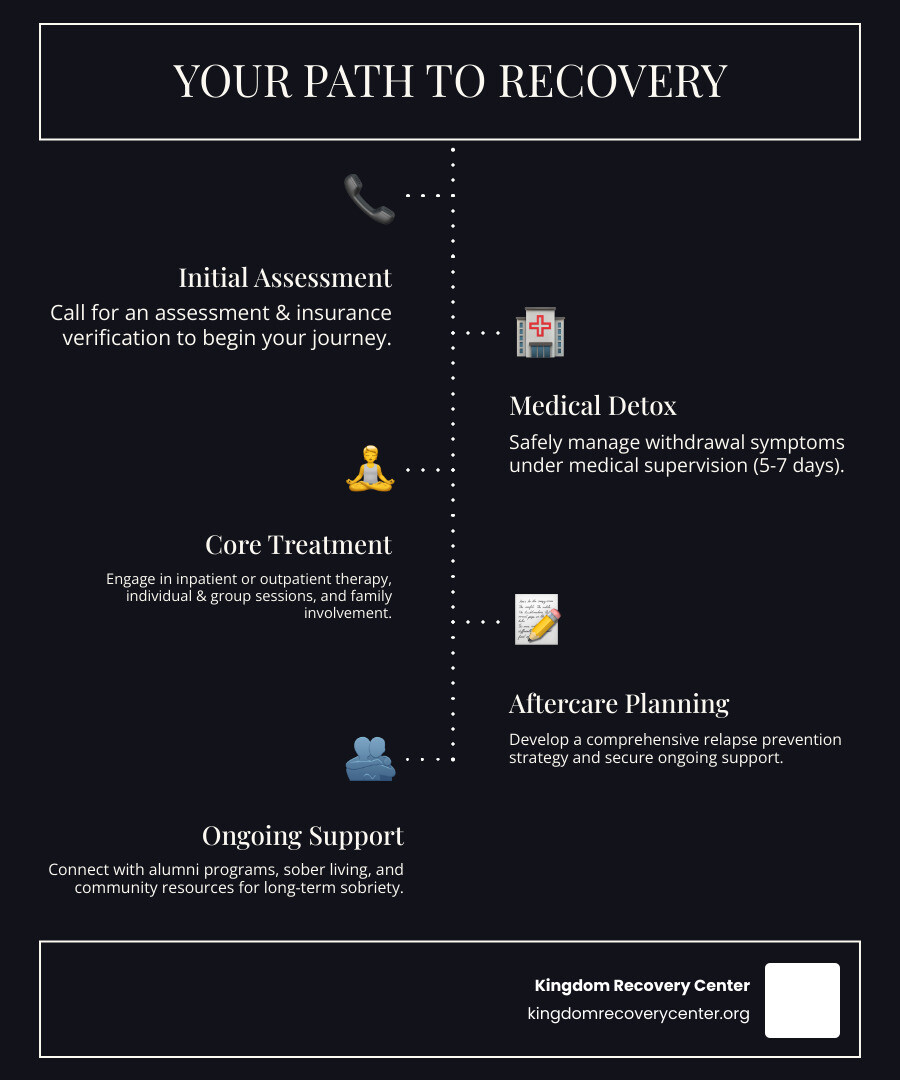
Understanding the Need for Rehab in Knoxville: A Look at the Statistics
The fight against substance use disorder in Knoxville and the surrounding Knox County region is a serious and ongoing battle. We see the impact of this crisis not just in national headlines, but right here in our community. The statistics paint a stark picture, yet they also highlight the profound need and opportunity for effective Knoxville TN rehab services.
In 2021, The Knox and Anderson County Medical Examiner reported a devastating 533 drug overdose deaths in Knox County, a significant surge from 413 the preceding year. This represents a 29% increase in drug-related fatalities within just one year. Neighboring Anderson County experienced a similar trend, with 85 drug-related deaths in 2021 compared to 51 in 2020—a staggering 67% increase. Preliminary data for 2022 suggests this upward trend unfortunately continued. These numbers underscore the critical importance of accessible and effective addiction treatment options in East Tennessee.
Our research shows that approximately 20,279 individuals aged 12 or older in the Knoxville region and surrounding Knox County were utilizing state-funded substance use disorder treatment and recovery services. This figure alone tells us that many in our community are actively seeking help, and that effective treatment can make a world of difference.
The Human Side of the Numbers
While statistics can seem cold, each number represents a life, a family, and a community deeply affected. The majority of drug overdose deaths in our area were among males, particularly those in the age range of 35 to 44 years old. This demographic often carries significant responsibilities, and their loss reverberates through homes and workplaces. The personal impact of addiction extends far beyond the individual, affecting spouses, children, parents, and friends. It’s a ripple effect that touches every corner of society.
At Kingdom Recovery Center, we believe that breaking the stigma associated with addiction is a crucial step toward recovery. Understanding that addiction is a complex disease, not a moral failing, allows individuals to seek help without shame. The high rates of recovery, with 72.2% of adults who perceived a substance use problem considering themselves recovered or in recovery according to SAMHSA, offer immense hope. This means that with the right support and treatment, recovery is not just a dream, but a very achievable reality.
Key Substances Driving Admissions
When we look at admissions into Knoxville TN rehab centers, we gain valuable insight into the specific challenges our community faces. The data reveals that opiates other than heroin accounted for 40% of admissions, making them the most prevalent substance. Alcohol use disorders followed closely, representing 39% of admissions.
Beyond these two, methamphetamine, cocaine, and heroin use each accounted for approximately 10% of admissions. Marijuana dependency also contributed significantly, with 6,887 individuals receiving treatment services for it. These figures highlight the diverse nature of substance use disorders in our region, requiring a broad range of specialized and individualized treatment approaches.
The changing nature of drug-related fatalities is also concerning, with synthetic opioids like fentanyl increasingly replacing prescription opioids as the most frequently identified drugs involved in overdose deaths. Furthermore, polypharmacy, the dangerous combination of multiple drugs, was involved in 76% of all drug-related fatalities in Knox and Anderson Counties. This trend necessitates comprehensive treatment strategies that can address complex substance use patterns and co-occurring issues.
Navigating the Different Types of Addiction Treatment in Knoxville
Finding the right treatment path can feel overwhelming, but understanding the continuum of care available in Knoxville TN rehab facilities is the first step. At Kingdom Recovery Center, we emphasize personalized care plans because we know that one size does not fit all when it comes to recovery. The goal is to match an individual’s needs with the appropriate level of care, ensuring they receive the most effective support at every stage of their journey. You can learn more about the continuum of care in Tennessee by visiting the Tennessee Department of Mental Health & Substance Abuse Services website.

Medical Detox: The First Step
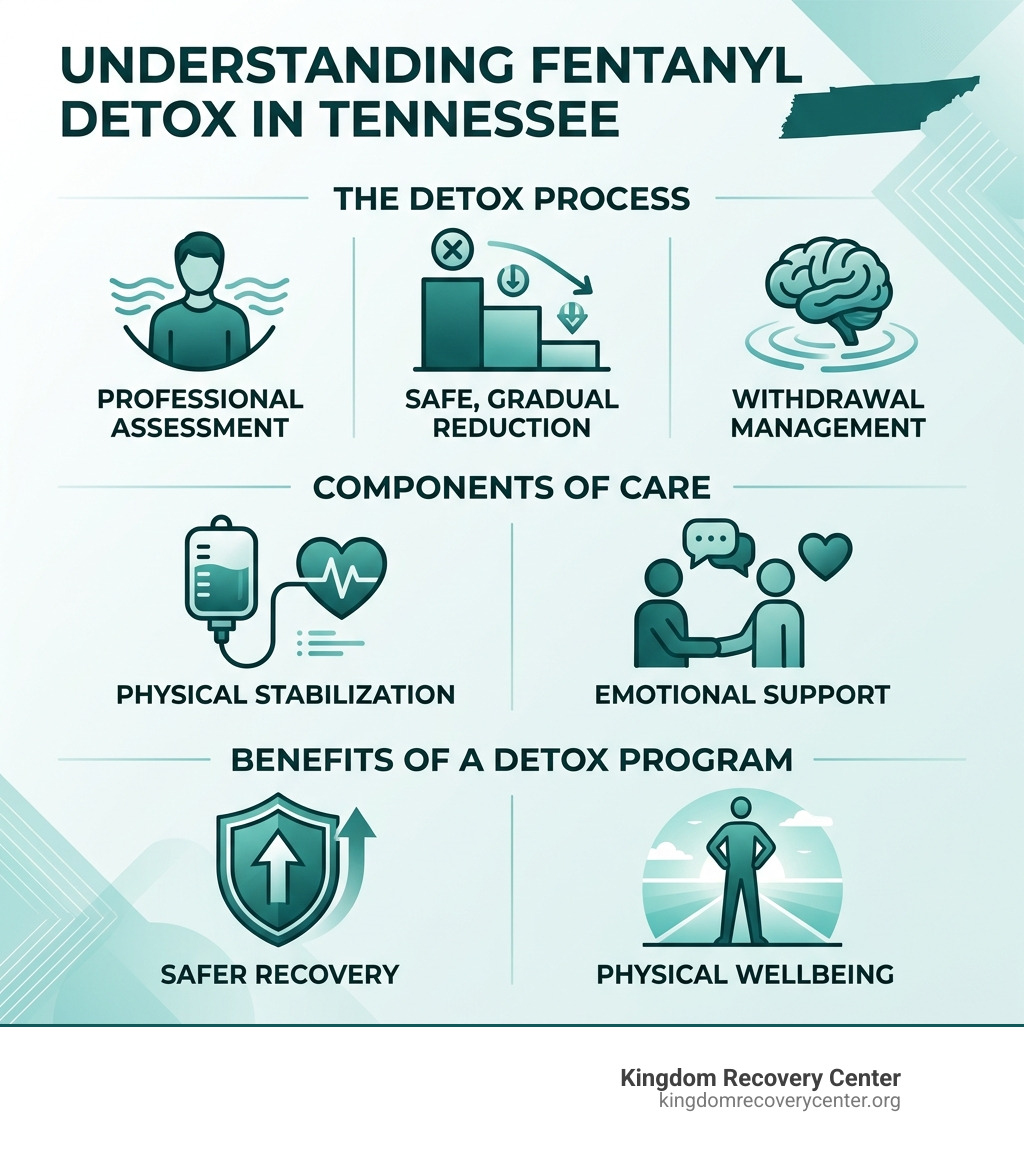
For many, the journey to recovery begins with medical detoxification, often referred to as withdrawal management. This crucial first step involves safely removing substances from the body under medical supervision. Withdrawal symptoms can range from uncomfortable to life-threatening, making professional medical detox essential for safety and comfort. In a medical detox setting, healthcare professionals can monitor vital signs, administer medications to alleviate severe symptoms, and address any potential complications.
Medical detox isn’t just about getting clean; it’s about preparing the body and mind for the therapeutic work that follows. It provides a stable foundation upon which the rest of the recovery process can be built. If you’re considering this vital first step, our page on Alcohol Detox Knoxville offers more detailed information.
Inpatient vs. Outpatient: Which Path is Right for You?
Once detox is complete (or if detox isn’t required), individuals typically transition into either inpatient (residential) or outpatient treatment. The choice between these depends on various factors, including the severity of the addiction, the presence of co-occurring mental health disorders, and the individual’s living situation and support system.
| Feature | Inpatient (Residential) Treatment | Outpatient Treatment (PHP/IOP) |
|---|---|---|
| Structure | Highly structured, 24/7 supervision | Flexible, allows for daily life activities |
| Intensity | Intensive, immersive therapy | Moderate to intensive therapy, fewer hours than inpatient |
| Living Situation | Reside at the facility | Live at home, attend sessions during the day/evening |
| Ideal Candidate | Severe addiction, co-occurring disorders, unstable home environment | Moderate addiction, strong support system, work/school commitments |
| Benefits | Removes triggers, focused healing, around-the-clock support | Maintains daily routine, applies skills in real-time, cost-effective |
Inpatient (Residential) Treatment offers a highly structured environment where individuals live at the facility, removed from the triggers and stresses of their daily lives. This immersive approach allows for intensive, round-the-clock care, including individual and group therapy, medical support, and holistic activities. For those with severe addictions, co-occurring mental health disorders, or unstable home environments, inpatient rehab can provide the safe, supportive space needed for deep healing. You can explore more about Knoxville Inpatient Drug Rehab options to see if this is the right fit.
Outpatient Programs, including Partial Hospitalization Programs (PHP) and Intensive Outpatient Programs (IOP), provide a more flexible approach. PHP offers intensive daily treatment, similar to inpatient care, but clients return home in the evenings. IOP allows individuals to attend therapy and support sessions several times a week while living at home and maintaining work, school, or family responsibilities. These programs are ideal for those with strong support systems, less severe addictions, or as a step-down from inpatient care. They allow individuals to apply newly learned coping skills in real-world settings while still receiving professional guidance.
Aftercare and Sober Living
Completing a primary treatment program is a significant achievement, but it’s just the beginning of a lifelong journey of recovery. Aftercare and sober living are critical components of maintaining long-term sobriety and preventing relapse.
Aftercare programs typically involve ongoing therapy, support group meetings, and continued connection with a recovery community. These services help individuals steer the challenges of reintegrating into daily life, developing healthy coping mechanisms, and building a strong support network.
Sober living homes provide a safe, structured, and substance-free environment for individuals transitioning from residential treatment. These homes emphasize personal responsibility, building healthy routines, and engaging in 12-step programs or other recovery activities. They offer a vital bridge between the intensity of rehab and full independence, allowing residents to practice their new skills in a supportive community setting. At Kingdom Recovery Center, we know that sustained recovery is a marathon, not a sprint, and we’re committed to supporting our clients every step of the way.
Specialized Programs and Support for Diverse Needs
Addiction rarely travels alone. Often, individuals struggling with substance use disorders also grapple with underlying mental health conditions such as anxiety, depression, PTSD, or bipolar disorder. This is known as a dual diagnosis, and treating both conditions simultaneously is crucial for lasting recovery. Our approach at Kingdom Recovery Center emphasizes individualized therapy that addresses these co-occurring disorders, ensuring a holistic path to healing. We use evidence-based modalities like Cognitive Behavioral Therapy (CBT) and Dialectical Behavior Therapy (DBT) to equip our clients with effective coping strategies and emotional regulation skills. For those specifically seeking help with anxiety, we encourage you to explore our page on finding top anxiety treatment centers in Knoxville.
Programs for Specific Demographics
We understand that different groups of people face unique challenges and require custom approaches to treatment. That’s why many Knoxville TN rehab centers, including those we collaborate with, offer specialized programs for diverse demographics:
- Young Adults (18-25): This age group often faces specific developmental challenges, peer pressure, and identity formation issues. Programs designed for young adults focus on building life skills, educational support, and navigating early adulthood while fostering sobriety.
- Veterans and Military Programs: Our brave service members often carry the invisible wounds of trauma, PTSD, and other mental health conditions, which can contribute to substance use. Specialized programs for veterans provide trauma-informed care, peer support, and resources custom to their unique experiences.
- Gender-Specific Programs for Women: Women often experience addiction and recovery differently than men, facing unique societal pressures, trauma histories, and family roles. Women-only programs provide a safe space for healing, focusing on issues relevant to women’s experiences in a supportive, empathetic environment.
- Culturally Competent Care: Effective treatment acknowledges and respects the cultural backgrounds, beliefs, and values of each individual, ensuring that care is delivered in a sensitive and inclusive manner.
The Role of Counseling and Support Groups
Counseling and support groups are the cornerstones of addiction recovery, providing essential tools, insights, and community.
- Individual Counseling: One-on-one therapy sessions allow clients to explore the root causes of their addiction, process trauma, develop coping mechanisms, and work through personal challenges in a confidential and supportive setting. Our therapists use various evidence-based techniques to help clients achieve self-awareness and personal growth.
- Group Therapy: Group sessions offer a powerful sense of community and shared experience. Clients can connect with peers facing similar struggles, practice communication skills, receive feedback, and realize they are not alone in their journey. This mutual support is invaluable for fostering empathy and accountability.
- Family Therapy: Addiction impacts the entire family system. Family therapy helps mend broken relationships, improve communication patterns, and educate loved ones about addiction and recovery. By involving the family, we create a stronger support network for the individual in recovery.
In addition to professional counseling, local support groups play a vital role in long-term sobriety. These peer-led meetings offer ongoing encouragement, accountability, and a sense of belonging. Here are some local support groups in Knoxville:
- Just for Today – United Methodist Church, 1620 N Central Str, Knoxville, TN 37919. Daily 10:30 am – 12 noon. Just for Today AA Meeting
- Noon Thirty – Martin Chapel United Methodist Church, 1746 Ohio Ave, Knoxville TN 37921. Daily 12:30 pm – 1:30 pm. Noon Thirty NA Meeting
- New Attitudes Group – Phyllis Wheatley YWCA, 124 S. Cruze Str, Knoxville TN 37915. Sunday 12:30 pm – 1:30 pm.
- Primary Purpose – Faith Lutheran Church, 225 Jamestown Blvd, Knoxville TN 37934. Tuesday and Thursday, 7:30 pm – 8:30 pm.
- Hope in da Hood – Fifth Ave Baptist Church, 2500 E Fifth Ave, Knoxville TN 3720. Monday, Tuesday, Thursday, Friday, Saturday, 8 pm – 9 pm.
- SMART Recovery Online: SMART Recovery Online
These groups provide a safe space for individuals to share their experiences, gain wisdom from others, and reinforce their commitment to a sober lifestyle.
Your Guide to Knoxville TN Rehab: Costs, Insurance, and Legalities
Navigating the logistics of addiction treatment, including understanding costs, insurance coverage, and relevant laws, can seem daunting. But don’t worry, we’re here to help clarify the process. Our goal at Kingdom Recovery Center is to make quality care accessible to everyone in East Tennessee. You can find more information about accessing state-funded treatment services through the Tennessee Department of Mental Health & Substance Abuse Services.
The Cost of Rehab and Payment Options
The cost of drug and alcohol rehab in Knoxville can vary significantly based on the type of program, its duration, location, and the amenities offered. For example, residential treatment typically costs more than outpatient programs due to the comprehensive nature of 24/7 care, accommodation, and meals. However, it’s crucial to remember that the cost of untreated addiction—financially, emotionally, and physically—far outweighs the cost of seeking help.
Fortunately, several payment options are available to make treatment affordable:
- Insurance Coverage: Thanks to the Mental Health Parity and Addiction Equity Act (MHPAEA), most health insurers are required to cover substance use disorder treatment services similarly to how they cover medical or surgical care. This means that a significant portion of rehab costs may be covered by your health insurance plan. Many Knoxville TN rehab centers, including those we work with, accept most major insurance providers like UnitedHealthcare, Amerigroup, and BlueCare.
- TennCare: If you are a Tennessee resident and qualify, TennCare program insurance plans can provide coverage for addiction treatment. Contact us for a free insurance verification to learn what benefits are available through your plan.
- Private Pay: For those without insurance, or who prefer not to use it, private pay is an option.
- Sliding Scale Fees and Payment Plans: Many facilities offer sliding scale fees based on income, making treatment more accessible. Payment plans can also help spread the cost over time.
- Financial Aid and State Funding: State-funded programs and grants may be available for eligible individuals.
Our admissions teams are always ready to assist you in understanding your specific benefits and exploring payment solutions. We believe financial barriers should not prevent anyone from getting the help they need.
Key Drug and Alcohol Laws in Knoxville
Individuals seeking help for addiction in Knoxville and across Tennessee should be aware of certain key laws designed to protect them and ensure accountability.
- Tennessee’s Good Samaritan Law: This vital law protects individuals who seek medical attention for themselves or another person during an overdose from arrest or prosecution for drug-related offenses. It also shields them from civil lawsuits related to saving a life during a suspected overdose. This law encourages people to call for help in an overdose situation without fear of legal repercussions, potentially saving countless lives.
- DUI Offenses and Consequences: Driving under the influence (DUI) carries severe penalties in Tennessee. A first-time DUI offender may face jail time, a driver’s license revocation for up to one year, and a court order to attend a drug and/or alcohol rehab program. Repeat offenses lead to increasingly harsh consequences.
- Court-Ordered Rehab: In some cases, individuals may be mandated by the courts to attend addiction treatment as an alternative to incarceration or as part of their probation. This provides an opportunity for individuals to receive necessary treatment and begin their recovery journey, even if initially reluctant.
Finding Free and State-Funded Knoxville TN Rehab Resources
While many effective treatment options come with a cost, there are also valuable free and state-funded resources available for individuals seeking help in Knoxville and throughout East Tennessee.
- State-Funded Services: The Tennessee Department of Mental Health & Substance Abuse Services provides a range of state-funded substance use disorder treatment and recovery services. These services are often available to individuals who meet specific eligibility criteria, including income levels. The state’s FindHelpNowTN.org website is an excellent resource for locating these services based on specific needs and insurance.
- Non-Profit Organizations: Various non-profit organizations in the Knoxville area offer free or low-cost addiction support services, including counseling, peer support, and resource navigation.
- Community-Based Support: As mentioned earlier, free support groups like AA, NA, and SMART Recovery are invaluable community resources that provide ongoing peer support and a structured path to recovery without any cost.
- Naloxone Access: In Tennessee, Naloxone (Narcan), an opioid overdose reversal medication, can be accessed with or without a prescription. Free online training on its administration is also available, empowering community members to save lives. You can contact anti-drug coalitions in Knoxville for information on obtaining Naloxone.
We are committed to helping you find the right resources, whether it’s through our programs or by connecting you with other local support. Our Local Resources Knoxville TN page provides more information to guide you.
Frequently Asked Questions about Knoxville Rehab
We understand that starting on the journey to recovery comes with many questions. Here are some of the most common inquiries we receive about Knoxville TN rehab and addiction treatment:
How do I know which type of treatment is right for me?
Determining the most appropriate type of treatment is a highly individualized process. It typically begins with a comprehensive clinical assessment conducted by a qualified professional. This assessment evaluates several factors, including your substance use history, the severity of your addiction, the presence of any co-occurring mental health disorders (dual diagnosis), your physical health, and your personal circumstances, such as your living environment and support system.
Based on this assessment, the clinician will recommend the appropriate level of care, which could range from medical detox, inpatient (residential) treatment, Partial Hospitalization Programs (PHP), Intensive Outpatient Programs (IOP), or standard outpatient therapy. The goal is always to match your unique needs with the most effective and supportive treatment environment. We are here to guide you through this assessment process and help you understand your options.
Does insurance cover addiction treatment in Tennessee?
Yes, in most cases, insurance does cover addiction treatment in Tennessee. This is largely due to the Mental Health Parity and Addiction Equity Act (MHPAEA), a federal law that requires most health insurance plans (including employer-sponsored and marketplace plans) to provide coverage for mental health and substance use disorder treatment that is comparable to their coverage for medical and surgical care. This means that co-pays, deductibles, and limitations should be similar for both types of services.
Additionally, many Knoxville TN rehab centers accept TennCare program insurance plans, which include providers like UnitedHealthcare, Amerigroup, and BlueCare. It’s always best to contact the admissions team of a treatment center directly for a free insurance verification. Our team at Kingdom Recovery Center can help you understand your specific benefits and how your plan will cover treatment costs, removing a significant barrier to seeking help.
What happens after I complete a rehab program?
Completing a rehab program is a monumental achievement, but it’s important to view it as a significant milestone, not the end of the journey. What happens next, often referred to as “aftercare” or “continuing care,” is crucial for maintaining long-term sobriety and preventing relapse.
A comprehensive aftercare plan is typically developed before you complete your primary treatment program. This plan often includes:
- Ongoing Therapy: Continuing individual and/or group therapy sessions to address new challenges, reinforce coping skills, and support personal growth.
- Support Group Participation: Regular attendance at peer-led support groups like Alcoholics Anonymous (AA), Narcotics Anonymous (NA), or SMART Recovery provides a vital community, accountability, and a platform for sharing experiences and strategies.
- Sober Living Arrangements: For some, transitioning to a sober living home offers a structured, substance-free environment that bridges the gap between intensive treatment and full independence.
- Alumni Programs: Many treatment centers, including those we partner with, offer alumni programs that provide ongoing connection, support events, and a network of individuals who have successfully steerd recovery.
- Life Skills and Vocational Support: Focusing on reintegration into daily life, which might include educational pursuits, job searching, financial management, and building healthy relationships.
The goal of aftercare is to equip you with the tools, resources, and support system necessary to steer life’s challenges without returning to substance use. We believe in empowering our clients to build a fulfilling life in recovery, one day at a time.
Conclusion: Taking the First Step on Your Road to Recovery
The journey to recovery from addiction is deeply personal, often challenging, but always filled with hope. In Knoxville and across East Tennessee, we’ve seen that healing is possible, and lives can be transformed. The statistics, while sobering, also highlight a community actively seeking and finding help.
At Kingdom Recovery Center, we are dedicated to providing client-centered, evidence-based addiction, mental health, and behavioral health treatment. Our specialized approach focuses on individualized care and dual diagnosis programs, ensuring that we address every aspect of your well-being. We believe in empowering lasting change, helping you not just to overcome addiction, but to thrive in a brighter, healthier future.
If you or a loved one is struggling, you don’t have to face it alone. Knoxville offers a wealth of resources, and our compassionate team is here to guide you to the right path. Taking that first step is often the hardest, but it’s also the most courageous.
Begin your journey with Knoxville inpatient drug rehab today. Begin your journey with Knoxville inpatient drug rehab today