
Why Finding the Right Rehab Center in Knoxville Matters
Rehab centers in knoxville tennessee offer critical, life-saving services for individuals and families affected by addiction. If you’re searching for treatment options, here’s what you need to know:
Top Rehab Options in Knoxville:
- Inpatient/Residential Treatment – 24/7 structured care for severe addiction
- Intensive Outpatient Programs (IOP) – Flexible treatment while living at home
- Medical Detox Centers – Safe withdrawal management with medical supervision
- Dual Diagnosis Programs – Treatment for addiction and mental health conditions
- Specialized Programs – Veterans, gender-specific, faith-based, and young adult options
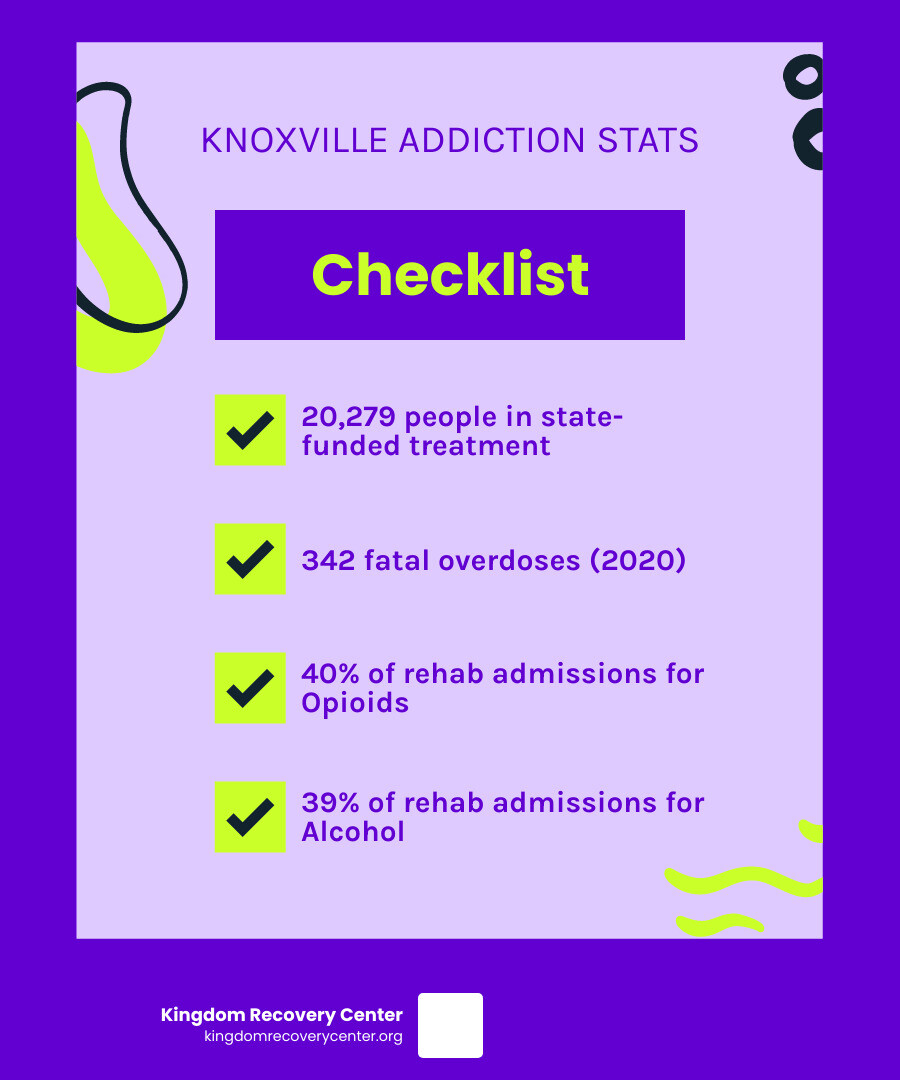
The addiction crisis in Knoxville is real and growing. Approximately 20,279 people in Knox County are currently using state-funded treatment services. In 2020 alone, there were 342 fatal overdoses and 1,333 non-fatal overdoses in the area. The three most commonly abused substances are opioids, alcohol, and marijuana—with 40% of rehab admissions related to opiates and 39% for alcohol use disorder.
But here’s the hopeful truth: recovery is possible. With the right treatment center, evidence-based care, and ongoing support, thousands of people in Knoxville have rebuilt their lives. This guide will help you compare your options, understand costs and insurance coverage, and find the specialized care that fits your unique needs.
At Kingdom Recovery Center, we’ve helped countless individuals steer their path to recovery through compassionate, evidence-based treatment at our Morristown facility, serving the greater Knoxville area and surrounding communities. We understand the challenges facing those seeking rehab centers in knoxville tennessee and are committed to providing personalized care that addresses both addiction and underlying mental health concerns.
Understanding the Addiction Crisis in Knoxville
Addiction’s impact is deeply felt in Knoxville, making rehab centers in knoxville tennessee a vital community resource. Understanding the local substance abuse landscape reveals the challenges and underscores the need for these services. Local statistics show that approximately 20,279 individuals in Knox County have used state-funded treatment and recovery services, a clear sign that many are actively seeking help.
The data reveals the specific substances driving these needs:
- Alcohol: 6,727 residents received treatment for alcohol use disorder. Learn more at Understanding Alcohol Use Disorder.
- Marijuana: 6,887 individuals sought treatment for marijuana dependency.
- Opioids: Along with alcohol and marijuana, opioids are one of the most frequently abused substances in the area.
The human cost is stark: Knoxville saw approximately 1,333 non-fatal and 342 fatal drug overdoses, with the latter often affecting males aged 35 to 44. This reflects the broader opioid crisis impacting Tennessee and the U.S., where over 2.1 million people have opioid use disorder. For more on the national scope, see Opioid Use Disorder in the U.S.. These numbers highlight the urgent need for effective rehab centers in knoxville tennessee. Kingdom Recovery Center is dedicated to providing comprehensive care for these prevalent substance use disorders.
The Scope of Substance Abuse in Knox County
Knox County data reveals specific patterns in addiction. Admissions to rehab centers in knoxville tennessee show that 40% are for opiates (other than heroin) and 39% are for alcohol use disorders. Methamphetamine, cocaine, and heroin each make up about 10% of admissions. This data helps treatment providers tailor programs effectively.

The most common age for treatment is 25-29, a critical period for young adults. Marijuana dependency is also a significant issue, with 6,887 residents receiving treatment. The CDC notes that about 30% of marijuana users may develop a use disorder. More information is available at Marijuana Use Disorder Facts.
These statistics guide our commitment to providing diverse and effective treatment options in the Knoxville area.
Tennessee Laws on Addiction and Treatment
Tennessee laws are designed to encourage treatment and save lives. Understanding these legal frameworks is helpful when seeking recovery.
- Good Samaritan Law: This law protects individuals from arrest or prosecution for certain drug offenses when they seek medical help for an overdose. It removes the fear of legal trouble, encouraging people to call for help.
- Naloxone Access: The opioid overdose reversal medication, naloxone, is available in Tennessee without a prescription. The state also provides free online training on how to administer it.
- DUI and Court-Ordered Treatment: Penalties for a first-time DUI can include jail time, license revocation, and a court order to attend a rehab program. This provides a critical opportunity for individuals to begin treatment.
These laws show a shift toward treating addiction as a public health issue, combining penalties with pathways to recovery. For more details on how treatment aligns with these laws, see our More info about treatment options page.
Types of Rehab Centers in Knoxville, Tennessee
Rehab centers in knoxville tennessee offer a spectrum of care to meet diverse needs. Since every recovery journey is unique, various treatment levels exist to provide the right support at each stage. This “continuum of care” model ensures treatment is individualized, from medical detox and residential programs to flexible outpatient options. Understanding these choices helps you find the program that best fits your recovery goals.

Inpatient vs. Outpatient Programs
A primary choice when looking at rehab centers in knoxville tennessee is between inpatient (residential) and outpatient programs. Each has a different structure and intensity to suit various needs.
| Feature | Inpatient/Residential Rehab | Outpatient Rehab |
|---|---|---|
| Structure | 24/7 supervised care, highly structured daily schedule | Flexible hours, allows daily responsibilities |
| Environment | Live at the facility, removed from triggers | Live at home, attend sessions at a facility |
| Intensity | High, continuous therapeutic engagement | Moderate to high, depending on program type (IOP, PHP) |
| Ideal Candidate | Severe addiction, co-occurring disorders, unstable home environment | Strong support system, less severe addiction, need to work/attend school |
| Cost | Generally higher due to 24/7 care and amenities | Generally lower, as living expenses are not included |
Inpatient Rehab provides a 24/7 structured environment away from triggers. Patients live at the facility, receiving immersive therapy. This is ideal for severe addiction, frequent relapse, or co-occurring disorders needing constant supervision. Learn more about this focused approach at our Knoxville Inpatient Drug Rehab page.
Outpatient Rehab offers flexibility, allowing clients to live at home and attend scheduled sessions. It’s suitable for those with strong support systems and daily responsibilities. Programs range from Partial Hospitalization (PHP) to Intensive Outpatient (IOP).
The right choice depends on a clinical assessment of an individual’s addiction severity and home environment. Both paths can lead to lasting recovery.
Specialized Rehab Programs in Knoxville, Tennessee
Beyond general programs, many rehab centers in knoxville tennessee offer specialized tracks for unique needs.
A crucial specialization is dual diagnosis treatment for co-occurring substance use and mental health disorders (like depression, anxiety, or PTSD). Treating both simultaneously is vital for sustainable recovery, as these conditions often fuel each other. At Kingdom Recovery Center, we specialize in dual diagnosis programs, addressing the root causes of addiction.
Other specialized programs include:
- Veterans Programs: Address addiction alongside service-related challenges like PTSD and trauma in a peer-supported environment.
- Gender-Specific Treatment: Men’s and women’s programs provide a safe space to discuss gender-specific issues and societal pressures.
- Faith-Based Options: Integrate spiritual principles and practices into the recovery process for a holistic approach.
- Adventure Therapy: Uses outdoor activities to build self-esteem, teamwork, and coping skills.
These custom approaches provide more targeted and effective care. Learn more about our specialized programs on our What We Treat page.
Key Treatment Modalities
Effective rehab centers in knoxville tennessee use evidence-based treatment modalities to build a foundation for recovery.
-
Medical Detoxification: The first step for many, providing a safe, supervised withdrawal from substances. Medical oversight manages symptoms, which can be severe. This is especially critical for alcohol dependency. Learn more about our Alcohol Detox in Knoxville.
-
Partial Hospitalization Programs (PHP): A step down from inpatient care, offering intensive, structured treatment during the day while clients return home at night.
-
Intensive Outpatient Programs (IOP): A flexible option with several hours of treatment per week, allowing clients to maintain work or school commitments.
-
Evidence-Based Therapies: Core treatments include Cognitive Behavioral Therapy (CBT), Dialectical Behavior Therapy (DBT), Motivational Interviewing, Trauma-Informed Care, and Family Systems Work. These therapies help change negative thought patterns and build healthy coping skills.
-
Medication-Assisted Treatment (MAT): Combines FDA-approved medications (like Suboxone) with counseling to treat opioid and alcohol use disorders by reducing cravings and withdrawal symptoms.
Integrating these modalities allows for a comprehensive, personalized treatment plan.
Navigating Rehab Costs and Insurance in Knoxville
Concerns about cost should not be a barrier to seeking help from rehab centers in knoxville tennessee. Many payment options are available to make treatment affordable.
The cost of rehab in Knoxville varies based on:
- Type of Program: Inpatient is typically more expensive than outpatient.
- Amenities: Luxury facilities have higher costs.
- Funding: Government-funded facilities can be more affordable.
- Length of Stay: Longer programs have a higher total cost.
The cost of untreated addiction—in terms of health, legal issues, and relationships—is far greater than the cost of treatment. Investing in recovery is an investment in your future.
How to Pay for Treatment
When considering rehab centers in knoxville tennessee, it’s crucial to understand your payment options. We can help you steer this process.
-
Private Health Insurance: The Mental Health Parity and Addiction Equity Act requires most insurers to cover addiction treatment. We are in-network with many providers and can help you verify your benefits.
-
State-Funded Programs (TennCare): Tennessee’s Medicaid program, TennCare, is accepted by many facilities, making treatment accessible for eligible residents. Learn more at TennCare program information.
-
Sliding Scale Fees: Many centers offer fees based on income. Always ask about these financial assistance programs.
-
Financing Options: Some facilities offer payment plans to make the upfront cost more manageable.
-
Private Pay: Paying directly offers maximum flexibility and may come with discounts.
-
Employer Assistance Programs (EAP): Check with your HR department to see if your employer offers an EAP that can help cover costs.
Kingdom Recovery Center offers free insurance verification to help you explore all avenues for making treatment a reality.
Finding Free or Low-Cost Rehab Centers in Knoxville, Tennessee
For those with financial constraints, finding free or low-cost rehab centers in knoxville tennessee is possible.
-
State-Funded Services: Websites like FindHelpNowTN.org, developed by the Tennessee Department of Health, help locate addiction services filtered by insurance and payment method.
-
Non-Profit Organizations: Many non-profits offer treatment at reduced or no cost, supported by grants and donations.
-
Community Support Groups: Free peer support groups like Alcoholics Anonymous (AA), Narcotics Anonymous (NA), and SMART Recovery are invaluable resources. They can complement clinical treatment or provide standalone support. See our Local Knoxville Resources page for local options.
-
Scholarships and Grants: Some rehabs and non-profits offer scholarships to cover treatment for eligible individuals. Inquire directly with facilities about these funds.
-
Payment Assistance: As mentioned, many facilities offer sliding scale fees. A candid conversation about your financial situation can open doors to affordable care.
Finding low-cost treatment requires some research, but the resources exist. We are here to help you find the right path.
Frequently Asked Questions about Knoxville Rehabs
We often hear similar questions from individuals and families exploring rehab centers in knoxville tennessee. Here, we address some of the most common inquiries to provide clarity and peace of mind as you consider treatment options.
How long does addiction treatment typically last?
The duration of treatment is highly individualized and depends on factors like addiction severity, co-occurring disorders, and personal progress. There is no one-size-fits-all timeline, but general guidelines are:
- Detox: Typically lasts 5 to 7 days to manage withdrawal safely.
- Residential (Inpatient) Treatment: Can range from 30 to 90 days or more. Research suggests longer stays correlate with better outcomes.
- Outpatient Programs (PHP, IOP): Can last from several weeks to several months, depending on intensity and progress.
Effective treatment follows a “continuum of care,” where the length of stay is clinically appropriate for each person’s unique needs, not based on a fixed schedule.
What is a dual diagnosis and why is it important?
A dual diagnosis (or co-occurring disorder) means a person has both a substance use disorder and a mental health condition, such as depression and alcohol addiction, or PTSD and opioid use disorder.
This is important because the conditions often fuel each other. Substance use may be a way to self-medicate mental health symptoms, or it can worsen an underlying disorder. Treating only one condition often leads to relapse.
Effective rehab centers in knoxville tennessee that offer dual diagnosis treatment provide an integrated approach where the same clinical team addresses both conditions simultaneously. This approach treats the root causes of both issues, leading to significantly better chances of long-term recovery. At Kingdom Recovery Center, we specialize in these individualized programs.
What happens after completing a rehab program?
Completing rehab is a major milestone, but recovery is an ongoing journey. Aftercare planning is crucial for preventing relapse and building a fulfilling, sober life.
Key components of aftercare include:
- Support Groups: Ongoing participation in groups like Alcoholics Anonymous (AA), Narcotics Anonymous (NA), and SMART Recovery provides essential peer support. Find local meetings on our Local Knoxville Resources/Knoxville TN page.
- Sober Living Homes: These structured, substance-free residences help individuals transition back into society with a supportive community.
- Alumni Programs: Many rehab centers in knoxville tennessee offer alumni programs to keep graduates connected and supported.
- Ongoing Therapy: Continuing with individual or group counseling helps reinforce coping skills and address new challenges.
- Building a New Life: Aftercare focuses on personal responsibility, healthy routines, employment or education, and engaging in positive community activities.
The goal is to build a strong support network and the skills needed to steer life’s challenges without returning to substance use.
Your Next Step: Finding Hope and Healing in Knoxville
Navigating the landscape of rehab centers in knoxville tennessee can feel overwhelming, but we hope this guide has provided you with clarity and confidence. The journey to recovery is a profound one, filled with challenges, but ultimately, it leads to a life of hope, health, and renewed purpose.
We’ve explored the critical statistics highlighting the need for addiction treatment in Knox County, from the prevalence of opioid and alcohol use to the tragic impact of overdoses. We’ve also seen how Tennessee’s laws, like the Good Samaritan Act, aim to support individuals seeking help. More importantly, we’ve outlined the diverse array of treatment options available, from inpatient and outpatient programs to specialized care for veterans, women, and those with dual diagnoses. We’ve also demystified the costs and payment options, emphasizing that financial barriers should not prevent anyone from accessing care.
Recovery is not just a possibility; it’s a reality for thousands of individuals who have walked this path. Taking the first step, reaching out for professional help, is the most courageous decision you can make. It’s a testament to your strength and your desire for a better life.
At Kingdom Recovery Center, we are deeply committed to empowering lasting change in the addiction and mental health treatment industry. We offer client-centered, evidence-based addiction, mental health, and behavioral health treatment, specializing in individualized care and dual diagnosis programs. Our mission is to provide the compassionate support and expert guidance needed to help you or your loved one heal and thrive.
If you’re ready to take that crucial next step towards a brighter future, we are here for you. Learn more about the importance of rehab programs in Tennessee for lasting recovery and find how we can help you find hope and healing.