
Why Outpatient Rehab in Chattanooga Could Be Your Path to Recovery
Outpatient rehab Chattanooga programs offer flexible, evidence-based addiction treatment that allows you to continue working, attending school, and living at home while receiving the professional support you need to overcome substance use disorders and mental health challenges.
Quick Overview: What You Need to Know
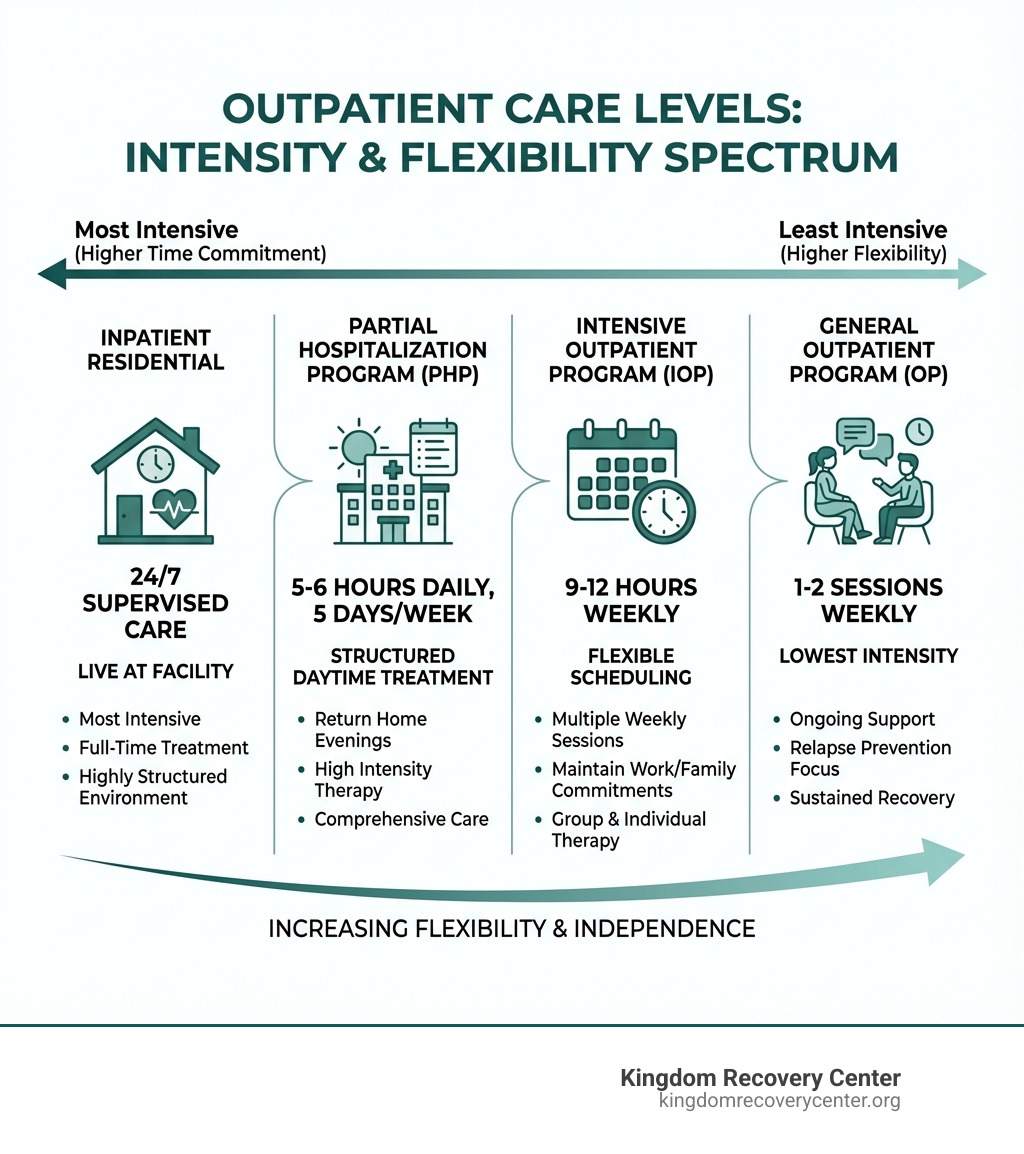
- Intensive Outpatient Program (IOP): Multiple therapy sessions per week, typically 9-12 hours total
- Partial Hospitalization Program (PHP): Most intensive outpatient option, 5-6 hours daily, 5 days per week
- General Outpatient Program (OP): 1-2 sessions weekly for ongoing support and relapse prevention
- Key Services: Individual therapy, group counseling, medication-assisted treatment (MAT), family therapy
- Insurance: Most major providers accepted, including TennCare plans
- Cost: Generally more affordable than residential treatment
If you’re struggling with addiction in the Chattanooga area, you’re not alone. According to recent patient outcomes data, individuals participating in outpatient programs reported a 68% decrease in depression symptoms, 63% decrease in anxiety symptoms, and 74% decrease in craving symptoms.
The beauty of outpatient treatment is that it meets you where you are. You don’t have to put your entire life on hold to get help. Whether you’re transitioning from residential care or just starting your recovery journey, outpatient programs provide structured support while allowing you to maintain your daily responsibilities.
These programs combine evidence-based therapies like Cognitive Behavioral Therapy (CBT) and Dialectical Behavior Therapy (DBT) with peer support, family involvement, and when appropriate, medication-assisted treatment. The goal is simple: equip you with the tools you need for lasting recovery while you continue living your life.
Recognizing the Need: Signs You Might Benefit from Outpatient Treatment
Sometimes, the signs that we need help can be subtle, almost whispers in the background of our busy lives. Other times, they can be as loud as a siren. Regardless of how they present, recognizing these indicators is the first courageous step towards seeking support. If you’re wondering if outpatient addiction treatment in Chattanooga might be right for you or a loved one, here are some common signs we often see:
- Strained Relationships: Are your relationships with family, friends, or partners suffering due to your substance use? Arguments, broken trust, or isolation can be strong indicators.
- Difficulty at Work or School: Have you noticed a decline in your performance, increased absenteeism, or difficulty concentrating on tasks? Addiction can severely impact our professional and academic lives.
- Failed Attempts to Quit: You’ve tried to cut back or stop using substances on your own, but find yourself unable to maintain sobriety for long periods. This isn’t a sign of weakness, but rather a sign that professional support could make all the difference.
- Increased Substance Tolerance: Needing more of a substance to achieve the same effect is a classic sign of developing dependence.
- Withdrawal Symptoms: Experiencing physical or psychological discomfort (like anxiety, tremors, sweating, or nausea) when you try to stop or reduce substance use indicates your body has become dependent.
- Using Substances to Cope: Relying on alcohol or drugs to manage stress, anxiety, depression, or other difficult emotions can quickly become a destructive cycle.
- Neglecting Responsibilities: Are you putting off important duties at home, work, or with family because of substance use?
- Loss of Interest: Have you stopped enjoying hobbies or activities that once brought you joy?
- Legal or Financial Troubles: Substance use can lead to unforeseen legal issues or significant financial strain.
These signs don’t define you, but they do point to an underlying struggle that outpatient rehab Chattanooga programs are equipped to address. We’ve seen the profound impact treatment can have. Patients who engage in our programs often report significant improvements in their mental well-being, including a 68% decrease in depression symptoms and a 63% decrease in anxiety symptoms. These statistics aren’t just numbers; they represent real people finding relief and renewed hope.
Understanding Outpatient Rehab: Flexibility and Support on Your Terms
When we talk about addiction treatment, many people immediately picture inpatient or residential rehab – a full-time stay in a facility away from home. While inpatient care is incredibly effective and necessary for many, it’s not the only path to recovery. Outpatient rehab Chattanooga offers a powerful alternative, blending structured therapy with the ability to maintain crucial aspects of your daily life.
The fundamental difference between inpatient and outpatient treatment lies in the level of intensity and the living arrangements. Inpatient treatment provides 24/7 supervision and a highly structured environment, meaning you live at the facility. Outpatient treatment, on the other hand, allows you to attend therapy sessions at our center for several hours a day, a few days a week, while continuing to live at home. This flexibility is a game-changer for many individuals and families.
Here’s a quick comparison to help illustrate the differences:
| Feature | Outpatient Rehab | Inpatient Rehab |
|---|---|---|
| Location | Primarily located in Chattanooga, TN, and the surrounding areas, allowing individuals to live at home. | Typically involves residence at a facility in Tennessee or surrounding areas. |
| Location | Primarily in the Chattanooga area, within Tennessee. | Varies, but within Tennessee or surrounding areas. |
| ** | Time Commitment | is designed to help you achieve long-term recovery from addiction, while maintaining your regular lifestyle.** We know that life doesn’t stop just because you need help, and we believe that integrating treatment into your daily routine can actually strengthen your recovery. |
Types of Outpatient Programs Available
At Kingdom Recovery Center, we offer a spectrum of outpatient programs designed to meet you at your specific point in the recovery journey. These programs vary in intensity and time commitment, ensuring you receive the appropriate level of care.
-
Partial Hospitalization Program (PHP): Often referred to as “day treatment,” PHP is the most intensive form of outpatient care. It provides a structured treatment environment for several hours a day, typically five days a week, offering a robust schedule of therapies and support. Patients engage in individual and group therapy, educational sessions, and other therapeutic activities, returning home in the evenings. It’s an excellent option for those who need significant support but don’t require 24/7 supervision. To understand if PHP is the right fit, you can explore more about IOP vs PHP: Which Care Level Supports Your Healing Process?.
-
Intensive Outpatient Program (IOP): Our IOPs are a step down in intensity from PHP but still offer significant support. They typically include participation in group and individual therapy several days a week, focusing on group therapy sessions that foster peer support and individual growth. This allows you more flexibility to manage your duties at home or work while actively participating in therapy. Our outpatient programs are thorough and flexible, allowing you to manage your responsibilities while actively engaging in treatment. You can learn more about our Intensive Outpatient Program.
-
General Outpatient Program (OP): This is the least intensive level of outpatient care, providing ongoing support typically through one or two therapy sessions per week. OP is ideal for individuals who have completed a higher level of care like PHP or IOP and are transitioning to a more independent phase of recovery, or for those with less severe substance use disorders who need regular support to maintain sobriety. It’s a crucial component of step-down care, ensuring continued growth and relapse prevention. For more details on this level of care, visit our page on Treatment: Outpatient Program (OP).
These varying levels of care allow us to create a custom treatment plan that evolves with your needs, supporting your journey from initial stabilization through long-term recovery.
Core Services in Outpatient Rehab Chattanooga Programs
When you choose an outpatient rehab Chattanooga program with us, you’re not just signing up for a schedule of appointments; you’re stepping into a comprehensive, client-centered approach to healing. Our goal is to address every aspect of your well-being, recognizing that addiction impacts the whole person. This means crafting individualized treatment plans based on evidence-based practices, ensuring a “whole-patient” approach to your recovery. We believe in empowering you with the tools and strategies for long-term recovery support. You can explore the various Therapies we offer.

Therapy and Counseling for Lasting Change
Therapy and counseling are the cornerstones of effective addiction treatment. They provide the space and guidance needed to understand the roots of addiction, develop healthy coping mechanisms, and build a fulfilling life in recovery.
- Individual Therapy: This one-on-one setting allows you to work closely with a therapist to explore personal challenges, trauma, underlying mental health issues, and develop personalized strategies for managing cravings and triggers. It’s a safe, confidential space for deep introspection and growth.
- Group Therapy: Group sessions are incredibly powerful, fostering peer support and a sense of community. Sharing experiences, insights, and challenges with others who understand can reduce feelings of isolation and provide invaluable encouragement. Our IOPs, for instance, often focus heavily on group therapy sessions to promote this peer-to-peer connection.
- Peer Support: Beyond formal group therapy, connecting with peers who are also in recovery offers a unique kind of understanding and motivation. This shared journey reinforces that you’re not alone and that recovery is achievable.
- Family Counseling: Addiction doesn’t just affect the individual; it impacts the entire family system. Family counseling helps to heal relationships, improve communication, and educate loved ones on how to best support the recovery process. This involvement is crucial for creating a supportive home environment.
- Cognitive Behavioral Therapy (CBT): CBT is an evidence-based approach that helps you identify and change negative thought patterns and behaviors that contribute to substance use. By reframing thoughts and developing healthier responses, you can break destructive cycles.
- Dialectical Behavior Therapy (DBT): DBT focuses on teaching skills in four key areas: mindfulness, distress tolerance, emotion regulation, and interpersonal effectiveness. It’s particularly effective for individuals who struggle with intense emotions and destructive behaviors.
- Relapse Prevention Strategies: Learning to identify triggers, developing coping mechanisms, and having a solid plan in place are essential for long-term sobriety. We equip you with practical tools to steer challenging situations and prevent relapse.
- Coping Skills Development: Recovery is about learning new ways to live. We help you develop a wide range of healthy coping skills, whether it’s through stress management techniques, mindfulness practices, creative expression, or engaging in fulfilling activities.
The Role of Medication-Assisted Treatment (MAT)
For many, medication-assisted treatment (MAT) is a vital component of a comprehensive recovery plan. We understand that addiction is a complex disease that affects the brain, and sometimes, medication can provide the crucial support needed to stabilize and engage fully in therapy.
MAT combines FDA-approved medications with counseling and behavioral therapies. This “whole-patient” approach has been shown to lead to more successful outcomes, especially for those struggling with Opioid Use Disorder and Alcohol Use Disorder.
- Opioid Use Disorder (OUD): Medications like buprenorphine (often found in formulations like Suboxone®) or naltrexone (Vivitrol®) can help reduce cravings and withdrawal symptoms, making it easier to focus on therapy and recovery. Our outpatient MAT program integrates these medications with counseling and case management to develop a comprehensive plan. You can find more Information on Suboxone treatment at Kingdom Recovery Center.
- Alcohol Use Disorder (AUD): Naltrexone can also be effective in reducing alcohol cravings and preventing relapse.
The medications work by normalizing brain chemistry, blocking the euphoric effects of alcohol and opioids, or relieving physiological cravings. This allows individuals to stabilize, reduce their risk of overdose, and participate more effectively in counseling. Our team will work with you to determine if MAT is a suitable option for your individualized treatment plan.
Supporting Long-Term Recovery and Relapse Prevention
Recovery isn’t a destination; it’s a lifelong journey. That’s why our outpatient rehab Chattanooga programs emphasize robust strategies for long-term recovery and relapse prevention. We’re here to help you not just get sober, but stay sober and thrive.
- Aftercare Planning: Before you complete your formal program, we work with you to develop a personalized aftercare plan. This plan outlines ongoing support, including continued therapy, support group attendance, and other resources to maintain your progress.
- Alumni Programs: Staying connected with a supportive community is key. Our alumni programs offer opportunities for ongoing engagement, peer support, and a sense of belonging long after your initial treatment concludes.
- Community Support Groups: We encourage participation in various community support groups like AA (Alcoholics Anonymous) and NA (Narcotics Anonymous). These groups provide invaluable peer support, shared experiences, and a structured pathway for continued growth.
- Sober Living Arrangements: For some, transitioning from treatment to a stable, sober living environment can be beneficial. These homes provide a supportive, drug-free setting that reinforces recovery principles.
- Developing Healthy Routines: Establishing positive daily routines—including regular exercise, healthy eating, sufficient sleep, and engaging in constructive hobbies—is fundamental to a balanced and sober life. We help you build these habits.
- Relapse Prevention Education: Knowledge is power. We educate you on recognizing warning signs, developing coping strategies for triggers, and understanding the process of relapse so you can intervene early if challenges arise.
Our program helps patients in all phases of recovery. Whether you are new to outpatient recovery, need aftercare, or are looking for maintenance therapy, we are here to support you every step of the way. You can also explore additional Local Resources that can aid in your long-term journey.
How to Find the Right Outpatient Rehab in Chattanooga
Choosing the right outpatient rehab Chattanooga program is a deeply personal decision, and we understand you want to make an informed choice. It’s not about finding just any program, but the right program for your unique needs. Here’s how we can help you steer this important step:

- Personalized Assessment: The first and most crucial step is a comprehensive assessment. This allows our team to understand your specific challenges, history with substance use, mental health status, and personal goals. This assessment forms the foundation of your individualized treatment plan.
- Treatment Philosophy: Look for a center whose philosophy resonates with you. We believe in client-centered, evidence-based care that empowers lasting change. We treat addiction as a chronic disease and focus on holistic healing.
- Staff Credentials: Ensure the program is staffed by qualified professionals, including licensed therapists, counselors, and medical personnel. Their expertise and compassionate approach are vital to your success.
- Facility Accreditation: Accreditation indicates that a facility meets high standards of care and ethical practice. This ensures quality and safety in your treatment journey.
- Focus on the “Whole Patient”: Beyond addressing substance use, a good program will integrate mental health support, life skills, and strategies for overall well-being.
Finding the right support is a journey, and we’re here to guide you. Feel free to Find local treatment options at Kingdom Recovery Center or reach out to discuss your needs.
Specialized Programs for Unique Needs
We recognize that recovery is not one-size-fits-all. Some individuals face additional complexities that require specialized care within their outpatient program.
- Dual-Diagnosis Treatment: It’s incredibly common for individuals struggling with addiction to also have co-occurring mental health disorders, such as depression, anxiety, PTSD, or bipolar disorder. This is known as a dual diagnosis. Our programs are designed to treat both conditions simultaneously, as they often influence each other. Ignoring one while treating the other can undermine long-term recovery. We address a wide range of conditions, and you can see What We Treat.
- Mental Health Focus: For those whose primary struggle might be a mental health disorder with co-occurring substance use, our intensive outpatient programs can also serve as a path to mental health recovery. We offer specialized therapies and support for various mental health conditions, recognizing their strong correlation with substance use. Learn more about our Intensive Outpatient Programs: A Path to Mental Health Recovery.
- Programs for Adolescents: Young people face unique challenges in recovery. Specialized programs for adolescents address developmental needs, family dynamics, and academic pressures specific to this age group.
- Programs for Veterans: Veterans often carry unique experiences, including trauma, that require specific therapeutic approaches. Custom programs for veterans understand and address these needs with compassion and respect.
Understanding Costs and Insurance for Outpatient Rehab Chattanooga
We believe that access to quality addiction treatment should not be a barrier to recovery. Understanding the costs associated with outpatient rehab Chattanooga and how insurance can help is a crucial step.
- Insurance Verification: We work with many insurance providers to help cover the cost of treatment. The first step is typically a free insurance verification, where our team will help you understand your benefits and any out-of-pocket expenses.
- In-Network Providers: Being in-network with a provider means we have a direct contract with your insurance company, which usually results in lower costs for you.
- TennCare Plans: We accept most insurance providers, including TennCare plans, at our Tennessee locations. This commitment ensures that vital treatment is accessible to more residents.
- Sliding Scale Fees: Some facilities may offer a sliding scale fee structure, where the cost of treatment is adjusted based on your income and ability to pay.
- Private Payment Options: For those without insurance or who prefer not to use it, private payment options are also available. We can discuss flexible payment plans to make treatment manageable.
We are in-network with many major insurance providers, including:
Don’t let concerns about cost prevent you from seeking help. Our team is dedicated to working with you to explore all available options and make treatment accessible.
Frequently Asked Questions about Outpatient Rehab in Chattanooga
We know you likely have many questions as you consider your recovery options. Here are some of the most common questions we hear about outpatient rehab Chattanooga programs:
How long does an outpatient rehab program last?
The duration of an outpatient rehab program varies significantly for each individual. There isn’t a one-size-fits-all answer, because your journey is unique! A clinical assessment by our team will determine the appropriate intensity and length of your treatment plan. Generally, programs can range from several weeks to several months. For example, a Partial Hospitalization Program (PHP) might last a few weeks before transitioning to an Intensive Outpatient Program (IOP) for a longer period, and then finally to a General Outpatient Program (OP) for ongoing support. The idea is a step-down process, gradually reducing intensity as you gain strength and confidence in your recovery.
Can I keep my job while in outpatient rehab?
Yes, absolutely! This is one of the key benefits and primary reasons many individuals choose outpatient rehab. Our flexible scheduling options, which often include morning and evening sessions, are specifically designed to allow you to manage your responsibilities at home or work while actively participating in therapy. We even offer telehealth options for increased accessibility, making it easier to fit treatment into your busy life. We believe that maintaining your job, family life, and other duties can actually be a supportive factor in your recovery, helping you build real-world coping skills.
What is the first step to getting started with treatment?
Taking the first step can feel daunting, but we make it as straightforward and supportive as possible. The very first step is simply to reach out to us. We offer a confidential consultation, often starting with a free assessment call. During this call, our compassionate team will listen to your situation, answer your questions, and help you understand your options. We’ll also assist with insurance verification to clarify your coverage. From there, we’ll guide you through our admissions process, ensuring you feel supported and informed every step of the way. Don’t hesitate to take that brave first step; you can easily Contact us to begin.
Conclusion: Take the First Step Towards Recovery Today
The journey to lasting change and a life free from addiction is a profound one, filled with challenges but also immense hope and healing. If you or a loved one are seeking support, know that outpatient rehab Chattanooga programs offer a flexible, effective, and compassionate path forward. You don’t have to steer this journey alone.
At Kingdom Recovery Center, we are dedicated to being your partner in recovery, empowering you to reclaim your life. We offer client-centered, evidence-based addiction, mental health, and behavioral health treatment, specializing in individualized care and dual diagnosis programs. Our mission is to foster lasting change and help you build a productive, fulfilling life.
We’ve seen countless individuals transform their lives, finding renewed purpose and joy. The statistics show that our patients experience significant decreases in depression, anxiety, and cravings, proving that recovery is not just possible, but within reach.
We understand that taking the first step can be intimidating, but it’s the most courageous one you’ll ever make. Let us walk alongside you, providing the support, guidance, and expert care you deserve. Your journey to sobriety starts with a single step, and we are ready to help you take it.
Learn more about how we can support you on your path to a healthier, happier life: Kingdom Recovery Center: Your Partner in the Journey to Sobriety.
Ready to begin? Begin your recovery journey with our outpatient program.