Why Finding the Right Drug Rehab Matters in DeKalb County
Drug Rehab DeKalb County, TN offers several treatment options for individuals struggling with addiction. Navigating these choices can feel overwhelming, but understanding the local landscape is the first step toward recovery.
DeKalb County communities like Smithville, Alexandria, and Dowelltown feel the effects of addiction the same way many rural and small-town areas do: limited local resources, long driving distances to specialty care, and tight-knit relationships that can make it harder to ask for help. The good news is that treatment is available, and many people find success by combining local supports (family, faith communities, recovery meetings) with clinical programming in the surrounding region.
Key Treatment Options in DeKalb County:
- Comprehensive Care: Facilities in the region offer detox, inpatient, outpatient, and dual diagnosis treatment.
- Support Services: Programs often include recovery support like employment counseling and adolescent-specific care.
- Regional Access: Nearby facilities in areas like Cookeville and Murfreesboro provide additional options including PHP, IOP, and specialized veteran services.
It also helps to know what to look for beyond the program name. A reputable rehab should begin with an assessment, recommend the least restrictive level of care that is still safe, and provide a clear plan for stepping down (for example: detox to inpatient, then PHP/IOP, then outpatient and aftercare). If someone has a history of relapse, overdose, or untreated mental health symptoms, higher structure and longer engagement in care typically improves outcomes.
Payment options include private insurance (Blue Cross Blue Shield, Aetna, Cigna), Medicaid, Medicare, cash pay, and sliding scale fees based on income.
Tennessee faces a significant addiction crisis, ranking 4th nationwide for drug overdoses in 2023. Opioids account for 80% of these deaths. Despite this, the state ranks only 35th in rehab admissions. This gap highlights a critical need for accessible care.
Research shows that 40-60% of people who complete rehab remain drug-free or significantly reduce use. Whether struggling with alcohol, heroin, or prescription drugs, evidence-based treatment works. Look for centers with proper accreditation, qualified staff (LAC or CADC credentials), and individualized plans that address co-occurring mental health conditions like anxiety or PTSD. Just as importantly, ask about aftercare: relapse prevention planning, alumni programming, referrals to sober living when appropriate, and coordination with local providers so support continues after discharge.
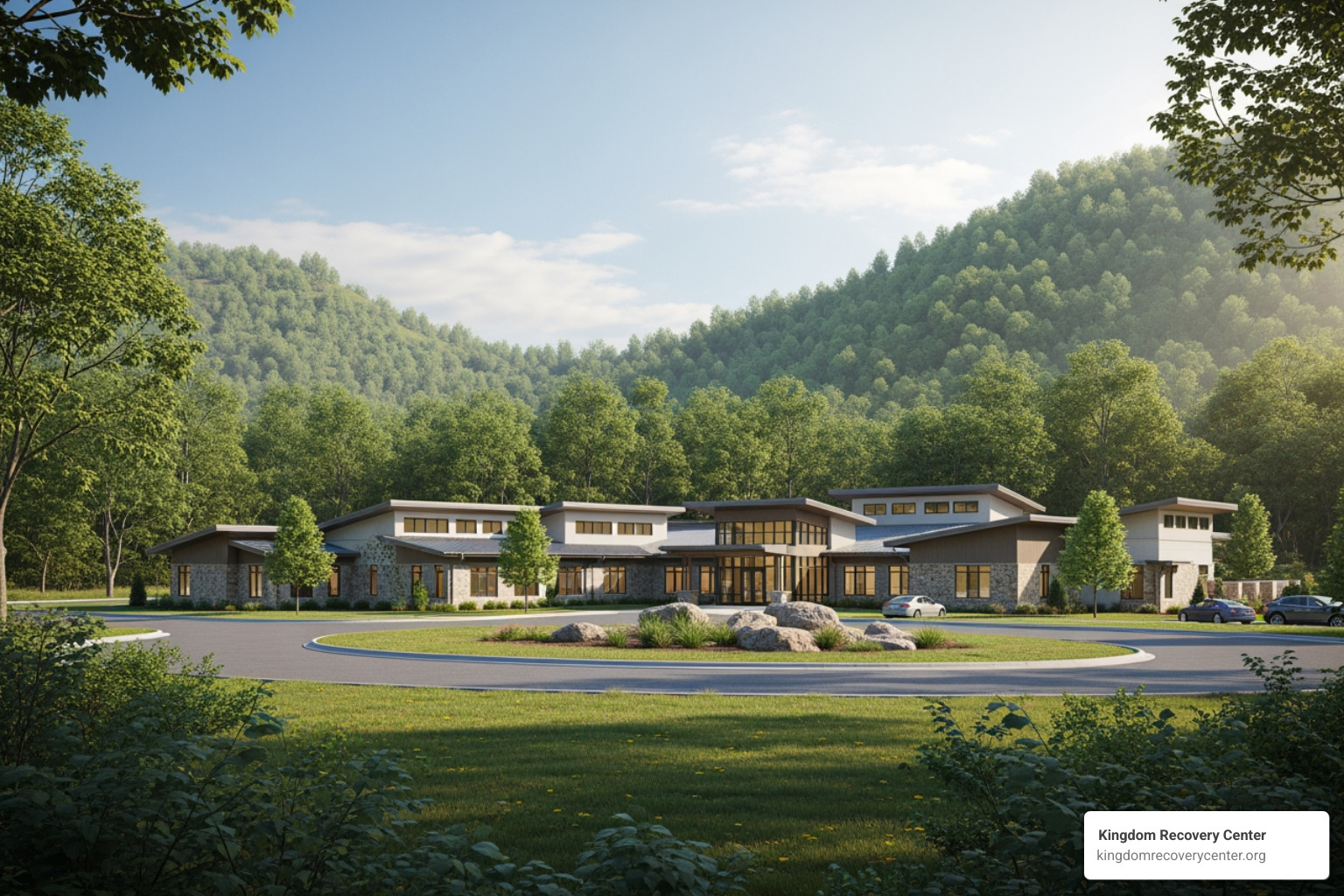
At Kingdom Recovery Center, we provide compassionate, evidence-based Drug Rehab DeKalb County, TN residents can trust. We offer personalized treatment plans that address both addiction and mental health through a holistic, client-centered approach. While located in Morristown, we serve individuals throughout Tennessee seeking lasting recovery.
Understanding Addiction Treatment in Drug Rehab DeKalb County, TN
Addiction is a complex disease requiring professional care. In DeKalb County, TN, substance use disorders impact families and communities deeply. Understanding available treatment is the first step toward healing.

Tennessee ranks 4th nationwide in drug overdoses, with 3,453 deaths in 2023. Opioids accounted for 80% of these. This highlights the urgent need for effective opioid treatment and medication-assisted treatment (MAT). The state also ranks 6th for narcotics violations and 20th for drunk driving.
Despite high rates of abuse, Tennessee ranks 35th in rehab admissions, with only 282 admissions per 100,000 people—well below the national average of 621. The most common substances leading to admission are alcohol, meth, and heroin.
Recognizing the Signs of Drug Addiction is crucial for early intervention. The Tennessee Department of Mental Health offers resources for Treatment and Recovery. Accessing Substance Abuse Treatment in DeKalb County, TN is a vital step toward a healthier future.
Levels of Care in Drug Rehab DeKalb County, TN
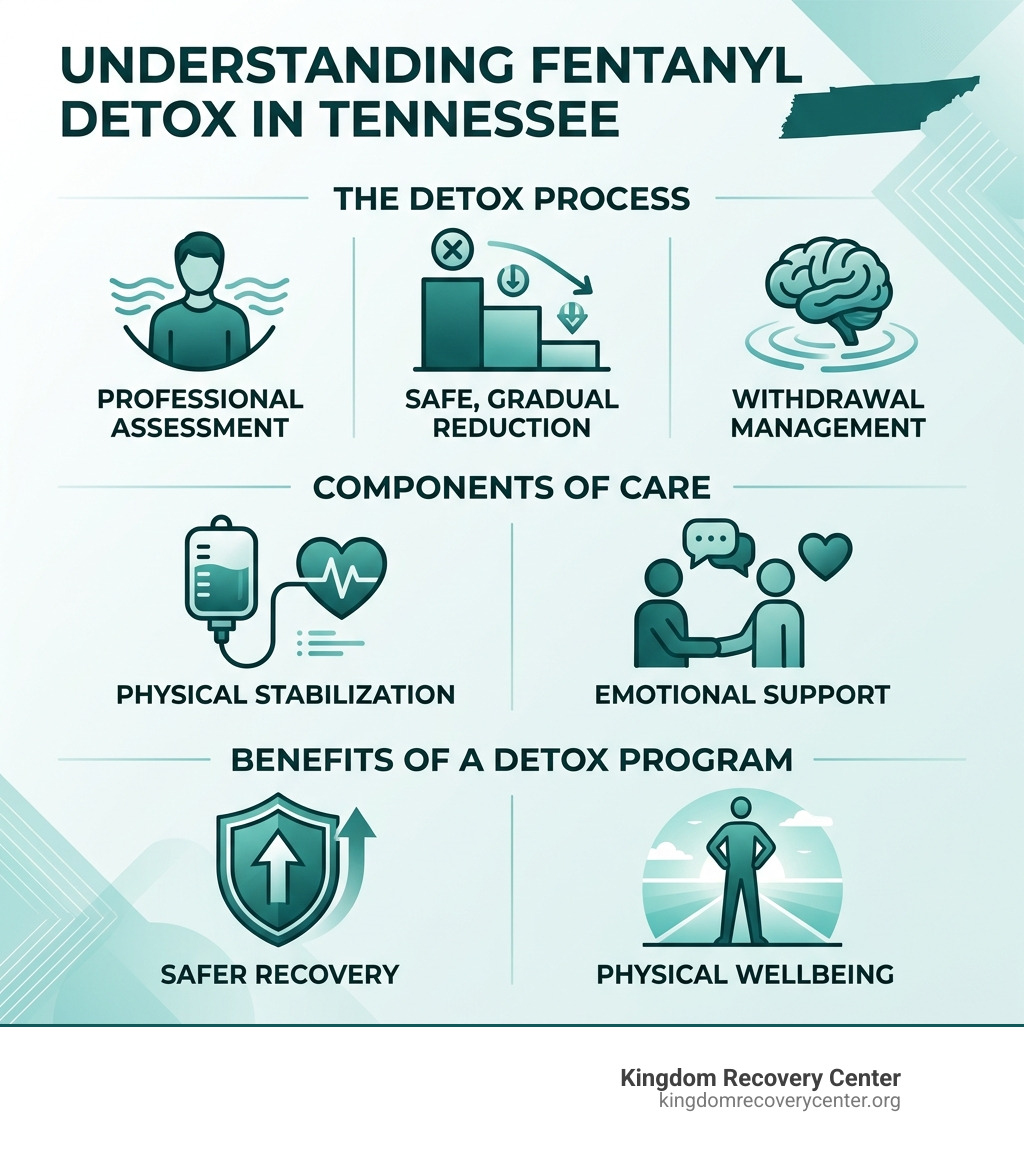
- Detoxification (Detox): Medically Assisted Detox provides a safe environment to manage withdrawal. Alcohol withdrawal, for instance, can be life-threatening without professional oversight.
- Inpatient/Residential Treatment: Inpatient Rehab involves living at a facility 24/7, providing a structured environment free from triggers.
- Partial Hospitalization Programs (PHP): Intensive day treatment where individuals return home or to sober living in the evenings.
- Intensive Outpatient Programs (IOP): Structured therapy several times a week, allowing for work or school.
- Outpatient Programs (OP): Outpatient Programs offer flexible therapy for those with strong support systems.
| Feature | Inpatient Care | Outpatient Care |
|---|---|---|
| Environment | 24/7 supervised, residential | Live at home |
| Intensity | High, immersive focus | Moderate to low |
| Support | Round-the-clock | Scheduled sessions |
| Ideal For | Severe addiction, dual diagnosis | Mild/moderate addiction, step-down |
Specialized Programs for Drug Rehab DeKalb County, TN
Dual Diagnosis treatment is critical, as 50% of people with substance use disorders have co-occurring mental health needs like anxiety or PTSD. Treating Mental Health Disorders and Substance Abuse concurrently is vital for preventing relapse.
Specialized care includes:
- Opioid Treatment: Opioid treatment using MAT.
- Alcohol Recovery: Alcohol recovery programs with medical detox.
- Veterans Support: Veterans support addressing trauma and PTSD.
- Adolescent Services: Age-appropriate models focusing on family and education.
- Trauma-Informed Care: Using therapies like EMDR to process past experiences safely.
The Process and Path to Lasting Recovery
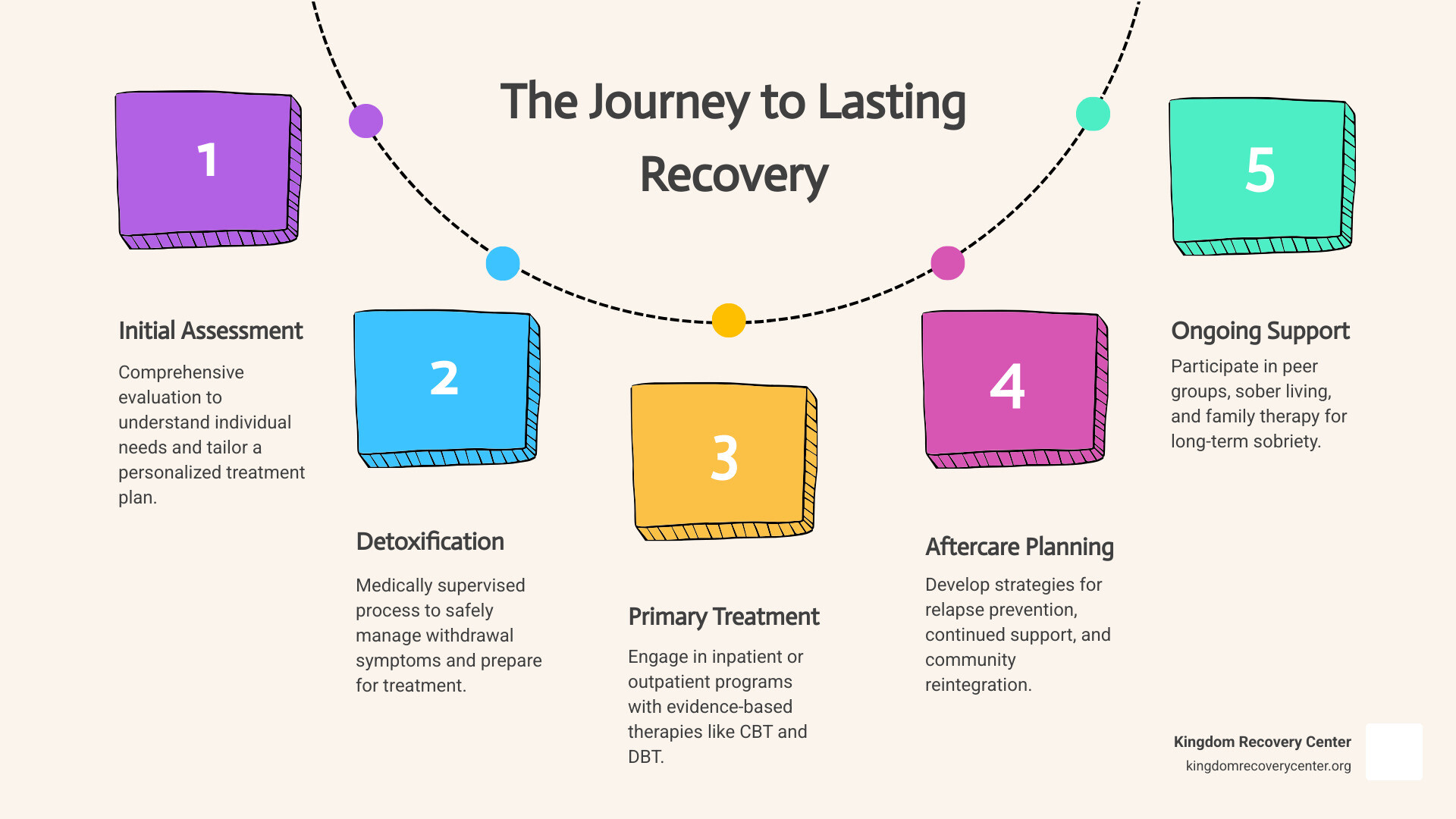
Recovery addresses physical dependency and the psychological factors contributing to addiction. The journey begins with a clinical assessment to understand an individual’s history and needs.
If necessary, What to Expect in a Detox Program involves managing withdrawal under medical supervision. Core therapies include:
- Individual Therapy: Developing coping mechanisms.
- Group Therapy: Fostering community and mutual support.
- Family Therapy: Rebuilding trust and improving communication.
- Evidence-Based Therapies: Cognitive Behavioral Therapy (CBT) and Dialectical Behavioral Therapy (DBT) help change negative patterns.
Relapse Prevention and Aftercare Planning are essential for maintaining sobriety after formal treatment.
Navigating the Process of Drug Rehab DeKalb County, TN
Individualized care is the cornerstone of effective treatment. Trauma Therapy is fundamental, as many use substances to cope with unresolved trauma. Holistic Therapies like yoga and meditation complement clinical care by fostering overall well-being.
Peer support and life skills training—covering stress management and financial literacy—empower individuals to steer daily challenges. As noted in The Importance of Rehab Programs in Tennessee, effective treatment is about changing lives and refinding purpose.
Costs, Insurance, and Reputable Care Standards
Concerns about cost shouldn’t be a barrier to recovery. The average cost of treatment in Tennessee is $56,600, slightly below the national average. Costs vary by program type: outpatient care is typically around $8,000, while inpatient rehab averages $50,000.
Payment Options:
- Private Insurance: Major providers like Blue Cross Blue Shield, Aetna, and Cigna offer coverage. Use our Insurance Verification tool. Ambetter for Outpatient Care can also cover significant costs.
- Medicaid and Medicare: Accepted by hundreds of facilities in Tennessee.
- TRICARE: Available for service members and families.
- Sliding Scale Fees: Many centers offer fees based on income.
- Free and Low-Cost Options: Resources like Free Alcohol and Drug Rehab Resources in Tennessee and our guide on Rehab on a Budget can help.
When choosing a center, look for accreditation from SAMHSA, CARF, or the Joint Commission. Ensure staff are qualified (LAC, CADC) and that the facility offers a comprehensive, evidence-based approach in a safe environment.
Supporting a Loved One Through Treatment
Your support can be a powerful catalyst for a loved one’s recovery. Here is how to help effectively:
- Offer Emotional Support: Listen without judgment. See How Loved Ones Can Support Recovery.
- Participate in Family Therapy: Address dynamics and heal relationships in a safe space.
- Educate Yourself: Understand addiction as a brain disease. Mental Health Awareness helps build empathy.
- Avoid Enabling: Set healthy boundaries to avoid prolonging the addiction.
- Practice Patience: Recovery is a long-term process with ups and downs.
- Seek Your Own Support: Join groups like Al-Anon. Understanding the Need for Support is vital for your own well-being.
Your role is to encourage and empower them to take responsibility for their journey.
Frequently Asked Questions about DeKalb County Rehab
What are the success rates of local programs?
Research shows 40-60% of those who complete rehab remain drug-free or significantly reduce use. Success depends on individual commitment, addressing dual diagnosis, and having strong aftercare. We apply The Science of Addiction to our models to maximize these outcomes.
Can I work or attend school while in treatment?
Yes. Outpatient Rehab is designed for those maintaining daily routines. PHP and IOP Programs offer intensive care with evening flexibility. Inpatient programs require a temporary hiatus but provide a focused healing environment.
Are there sober living homes available in DeKalb County?
Yes. Sober living homes provide a structured, substance-free environment for those transitioning from inpatient care. These facilities are a key part of Aftercare Services, offering peer support, accountability, and life skills development to improve long-term recovery chances.
Conclusion
Finding the right Drug Rehab DeKalb County, TN is a profound step toward reclaiming your life. While addiction presents challenges, lasting recovery is achievable with evidence-based support.
At Kingdom Recovery Center, we offer client-centered addiction and mental health treatment. Our focus on individualized care and dual diagnosis ensures we address the whole person. If you or a loved one are seeking care, use our Insurance Verification tool or Contact Us today. Let us be your partner on the path to recovery.