
Prescription medications can be life-saving when used as directed, but they can also become highly addictive when misused. Unfortunately, prescription drug abuse has become a growing epidemic in the United States, affecting individuals across all age ranges and socioeconomic statuses. The misuse of prescription medications can lead to dependency, health complications, and even life-threatening consequences. In this article, we’ll outline commonly abused prescription drugs, recognize the warning signs of abuse, and explain how Kingdom Recovery Center in Morristown, TN, can provide life-changing addiction treatment.
Commonly Abused Prescription Drugs
Prescription drug misuse often begins innocently—such as taking medication for legitimate pain relief or anxiety—but can quickly spiral into addiction. Below is a breakdown of the categories of the most commonly abused prescription drugs:
1. Opioids
Opioids are prescribed to manage moderate to severe pain, but are notorious for their high potential for addiction. Common examples include:
- Oxycodone (OxyContin)
- Hydrocodone (Vicodin)
- Morphine
- Fentanyl
Opioids work by blocking pain signals in the brain while triggering a sense of euphoria, making them highly addictive when misused. The opioid epidemic has had devastating consequences, with over 70,000 overdose deaths in the U.S. involving synthetic opioids in 2021, according to the National Institute on Drug Abuse.
2. Benzodiazepines
Prescribed to treat anxiety and sleep disorders, benzodiazepines are sedatives that can be highly addictive. Common examples include:
- Diazepam (Valium)
- Alprazolam (Xanax)
- Lorazepam (Ativan)
When abused, benzodiazepines can cause extreme sedation and dependency. Long-term misuse can also result in withdrawal symptoms such as seizures, making professional detox support crucial.
3. Stimulants
Stimulants are prescribed for conditions like ADHD and narcolepsy, but are frequently misused for their ability to increase energy, focus, and alertness. Examples include:
- Adderall
- Ritalin
- Methamphetamine (Desoxyn)
When abused, stimulants can lead to dangerous side effects like heart palpitations, paranoia, and mood instability.
4. Sedatives and Sleep Aids
This class of drugs includes medications prescribed for sleep disorders. While effective when used appropriately, they can quickly lead to dependency. Examples include:
- Zolpidem (Ambien)
- Eszopiclone (Lunesta)
Abuse often results in memory loss, hallucinations, or respiratory depression, especially when combined with alcohol.
Signs of Prescription Drug Abuse to Watch Out For
Recognizing the signs of prescription drug abuse in yourself or a loved one is an important first step toward recovery. Here are some common behavioral, psychological, and physical markers of misuse:
Behavioral Signs
- Doctor Shopping: Visiting multiple doctors to obtain prescriptions.
- Unusual Drug-Seeking Behavior: Lying about symptoms or stealing medications.
- Isolation: Withdrawal from family, friends, or previously enjoyed activities.
- Reckless Consumption: Taking higher doses or using prescriptions without medical necessity.
Psychological Signs
- Mood Swings: Sudden changes in mood, such as heightened irritability or depressive states.
- Cognitive Impairment: Difficulty concentrating, confusion, or memory loss.
- Heightened Anxiety: Feelings of paranoia or panic attacks when drugs are unavailable.
Physical Signs
- Drowsiness or Sedation: Especially with opioids and benzodiazepines.
- Changes in Appearance: Weight fluctuations, neglected hygiene, or visible fatigue.
- Respiratory Issues: Slow or shallow breathing, which can be life-threatening.
- High Energy or Restlessness: Symptoms of stimulant abuse.
Awareness of these signs can help prevent worsening addiction and inspire early intervention.
The Dangers of Prescription Drug Abuse
Without intervention, prescription drug abuse can have devastating consequences. Long-term misuse often leads to:
- Increased Tolerance: Over time, individuals require higher doses to achieve the same effects, increasing dependency risks.
- Health Complications: Damage to the liver, heart, and brain caused by prolonged usage.
- Risk for Overdose: Overuse of medications can suppress respiratory functions or impair motor and cognitive abilities, leading to potentially fatal consequences.
- Mental Health Decline: Prescription drug addiction often exacerbates anxiety, depression, or suicidal thoughts.
The good news is that addiction is treatable, and professional help can significantly improve outcomes.
How Kingdom Recovery Center Can Help
At Kingdom Recovery Center in Morristown, TN, we understand that prescription drug addiction is a complex condition that affects all areas of life—physically, emotionally, and socially. Our compassionate team provides evidence-based treatment programs that give individuals the tools they need to overcome substance dependency and build a healthier, more fulfilling life.
Our Approach to Prescription Drug Addiction
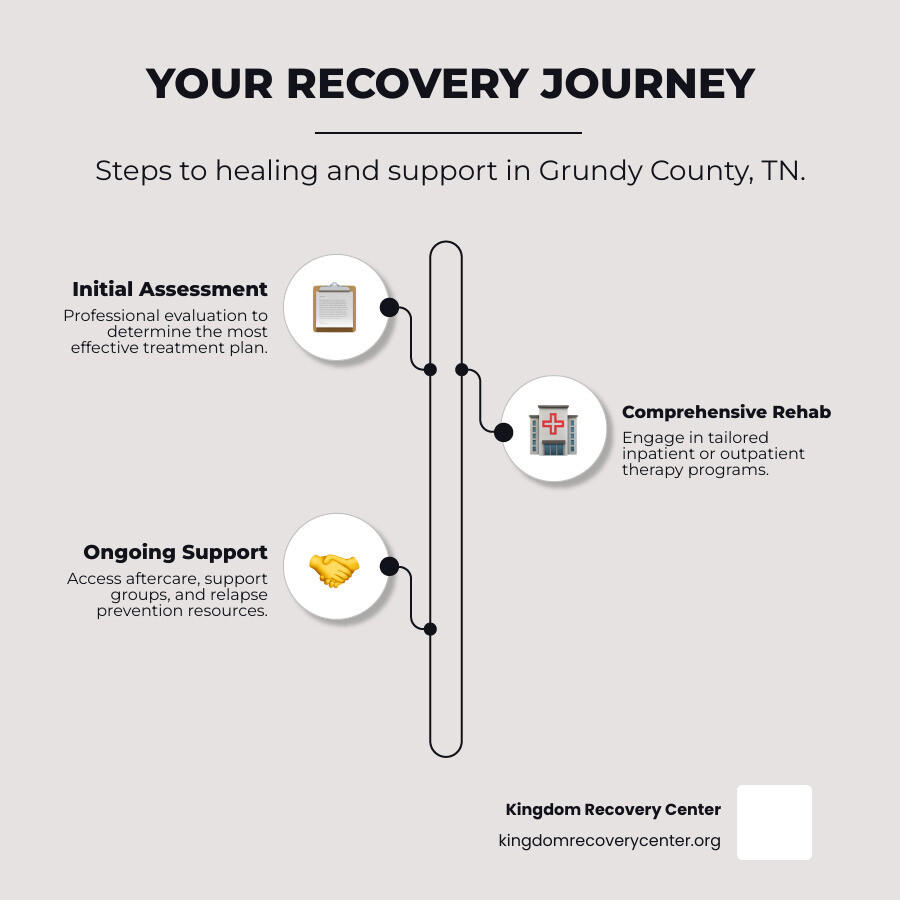
- Medical Detox: Safely guiding patients through withdrawal with close medical supervision.
- Inpatient Care: Residential treatment programs allow you to focus entirely on recovery in a safe and structured environment.
- Outpatient Options: Flexible therapy plans that let you continue treatment while balancing personal or work commitments.
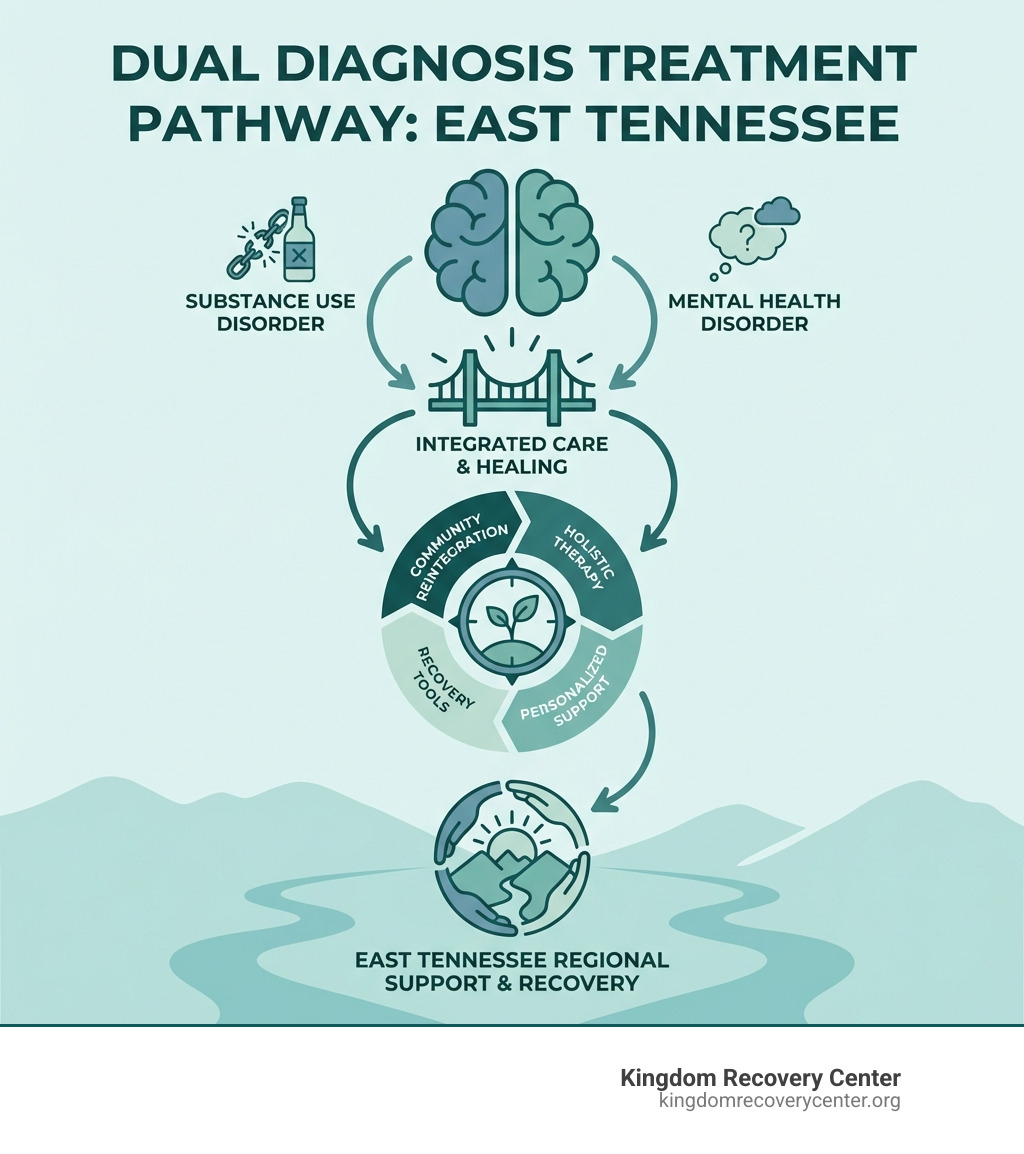
- Dual Diagnosis Treatment: Addressing co-occurring mental health conditions alongside addiction for comprehensive healing.
- Holistic Therapies: Incorporating mindfulness, exercise, and peer support to foster long-term wellness.
Our treatment programs are adaptable to individual needs, ensuring every patient receives personalized care within a judgment-free and supportive space.
Take Action Today
If you’ve noticed signs of prescription drug abuse in yourself or a loved one, don’t wait until the problem worsens. Kingdom Recovery Center in Morristown, TN is here to help. Our team specializes in treating prescription drug addiction, providing the highest level of care and support. You don’t have to face this journey alone—contact us today to learn more about our alcohol and drug rehab programs.
Take the first step toward recovery now—call Kingdom Recovery Center or visit our website to start your path to healing!