
Cocaine is one of the most potent and addictive illicit drugs, often used for its euphoric effects and energy-boosting properties. However, the cycle of euphoria quickly turns to dependency, with users finding it nearly impossible to stop without professional help. When someone tries to quit using cocaine, the withdrawal symptoms can be mentally and emotionally overwhelming, leading many to relapse if proper support isn’t in place.
Understanding what happens during cocaine withdrawal and how to stop using safely is crucial for beginning the recovery journey. In this blog, we’ll outline what to expect during withdrawal, why it’s such a challenging process, and how professional treatment services, like those at Kingdom Recovery Center in Morristown, TN, can provide the safest and most effective path to recovery.
Understanding Cocaine’s Addictive Nature
Cocaine is a powerful stimulant that rapidly impacts the brain’s reward system by increasing dopamine levels. Dopamine is a neurotransmitter associated with feelings of pleasure and motivation, and cocaine artificially floods the brain with it.
While these intense feelings of euphoria may be desirable, they are short-lived, often lasting only 15 to 30 minutes. As the effects wear off, individuals commonly experience a crash, including fatigue, irritability, and intense cravings for more cocaine to regain the euphoric sensation. Over time, this cycle leads to physical and psychological dependence.
Cocaine Addiction Statistics
According to the National Institute on Drug Abuse (NIDA), roughly 1.3 million people in the United States had a cocaine use disorder in 2021. This highlights both the prevalence and seriousness of cocaine addiction (source).
Cocaine Withdrawal: What to Expect
When someone dependent on cocaine attempts to quit, their brain must adjust to functioning without the drug. Cocaine withdrawal doesn’t usually cause life-threatening physical symptoms like some substances (e.g., alcohol or opioids), but the psychological effects can be severe and often drive relapse.
Common Cocaine Withdrawal Symptoms
- Intense Cravings: A hallmark of cocaine withdrawal, cravings can be overwhelming and persistent.
- Depression: Without the artificial dopamine boost from cocaine, individuals may feel severely depressed or hopeless.
- Fatigue and Sleep Issues: People often experience extreme tiredness during withdrawal, but it can be coupled with insomnia or restless sleep.
- Irritability or Agitation: Emotional instability is common as the brain begins to recalibrate.
- Anxiety: Many individuals feel heightened anxiety or paranoia after stopping cocaine use.
- Loss of Motivation: A lack of energy, focus, or enthusiasm for daily tasks is typical during withdrawal.
- Increased Appetite: Cocaine suppresses appetite; therefore, hunger often rebounds during withdrawal.
Duration of Cocaine Withdrawal
The timeline for cocaine withdrawal varies depending on the individual’s level of use, but symptoms typically follow this pattern:
- First 24–72 Hours: Most people experience a crash, with intense fatigue, irritability, and cravings.
- Day 3–7: Symptoms peak during this time, especially cravings and depression.
- Weeks 2–4: Symptoms begin to subside, although cravings and mood disturbances can continue.
- Months Later: Post-acute withdrawal symptoms (PAWS), such as occasional cravings and mood swings, can persist for months after quitting.
The Dangers of Quitting Cocaine Cold Turkey
While some individuals attempt to quit cocaine on their own, many find the process overwhelming without support. The intense psychological symptoms, particularly depression and cravings, can lead to immediate relapse. In extreme cases, untreated withdrawal could exacerbate underlying mental health conditions, increasing the risk of self-harm or unsafe behaviors.
The safest and most effective way to stop using cocaine is through professional treatment, where medical teams and therapists can monitor withdrawal symptoms and provide the proper care to address both the addiction and its underlying causes.
How to Stop Using Cocaine Safely
Quitting cocaine requires more than just willpower. A focused treatment program is often essential to ensure safety and long-term success. Here are the key components of stopping cocaine use safely:
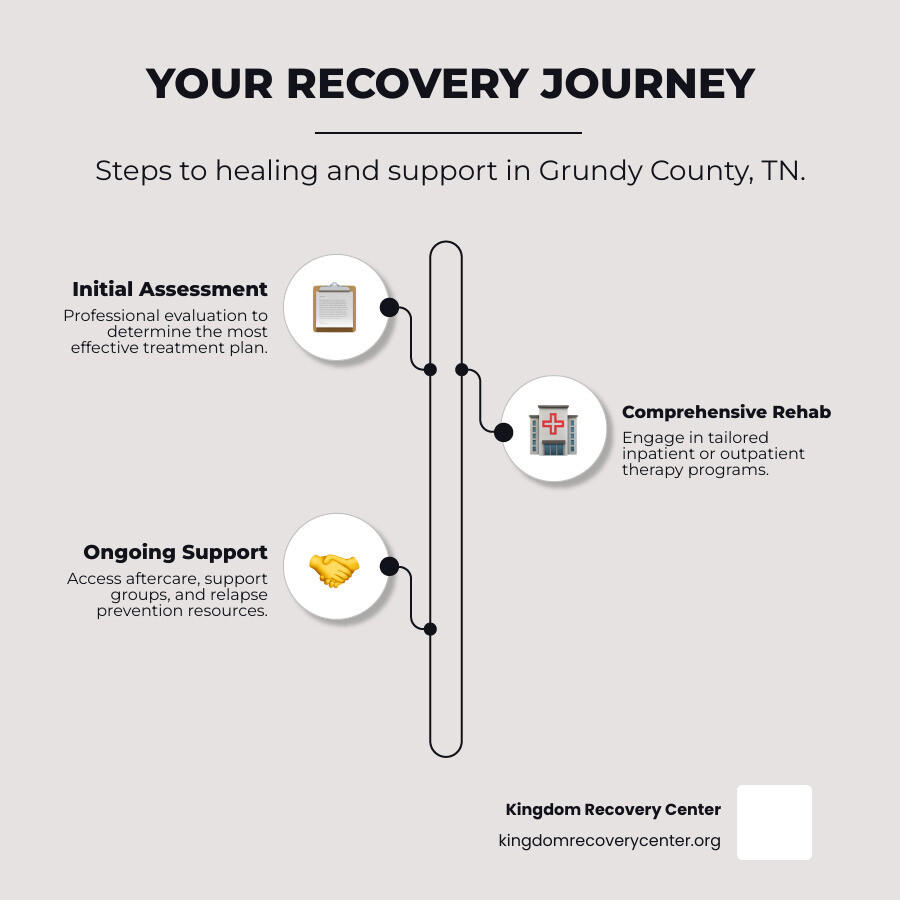
1. Medically Supervised Detox
While cocaine withdrawal doesn’t usually involve life-threatening physical symptoms, medical professionals can provide:
- Emotional Support: Helping individuals cope with withdrawal-induced anxiety, depression, or cravings.
- Non-Addictive Medications: To ease symptoms of withdrawal, such as difficulty sleeping or extreme agitation.
- Monitoring Mental Health: Identifying and managing risks of self-harm or other mental health issues exacerbated during detox.
2. Inpatient or Residential Treatment
Detox alone is not enough to maintain long-term sobriety. Inpatient treatment programs, like those offered at Kingdom Recovery Center, ensure individuals receive around-the-clock care in a structured, trigger-free environment. This allows them to focus on their physical, emotional, and mental healing without external distractions.
3. Therapy and Counseling
Cocaine addiction is a complex condition impacted by underlying psychological and emotional triggers. Effective addiction treatment includes:
- Cognitive Behavioral Therapy (CBT): Helps individuals identify and change behaviors and thought patterns that contribute to cocaine use.
- Group Therapy: Provides a supportive environment where individuals can share experiences and learn from others in recovery.
- Family Counseling: Assists in healing relationships torn apart by addiction.
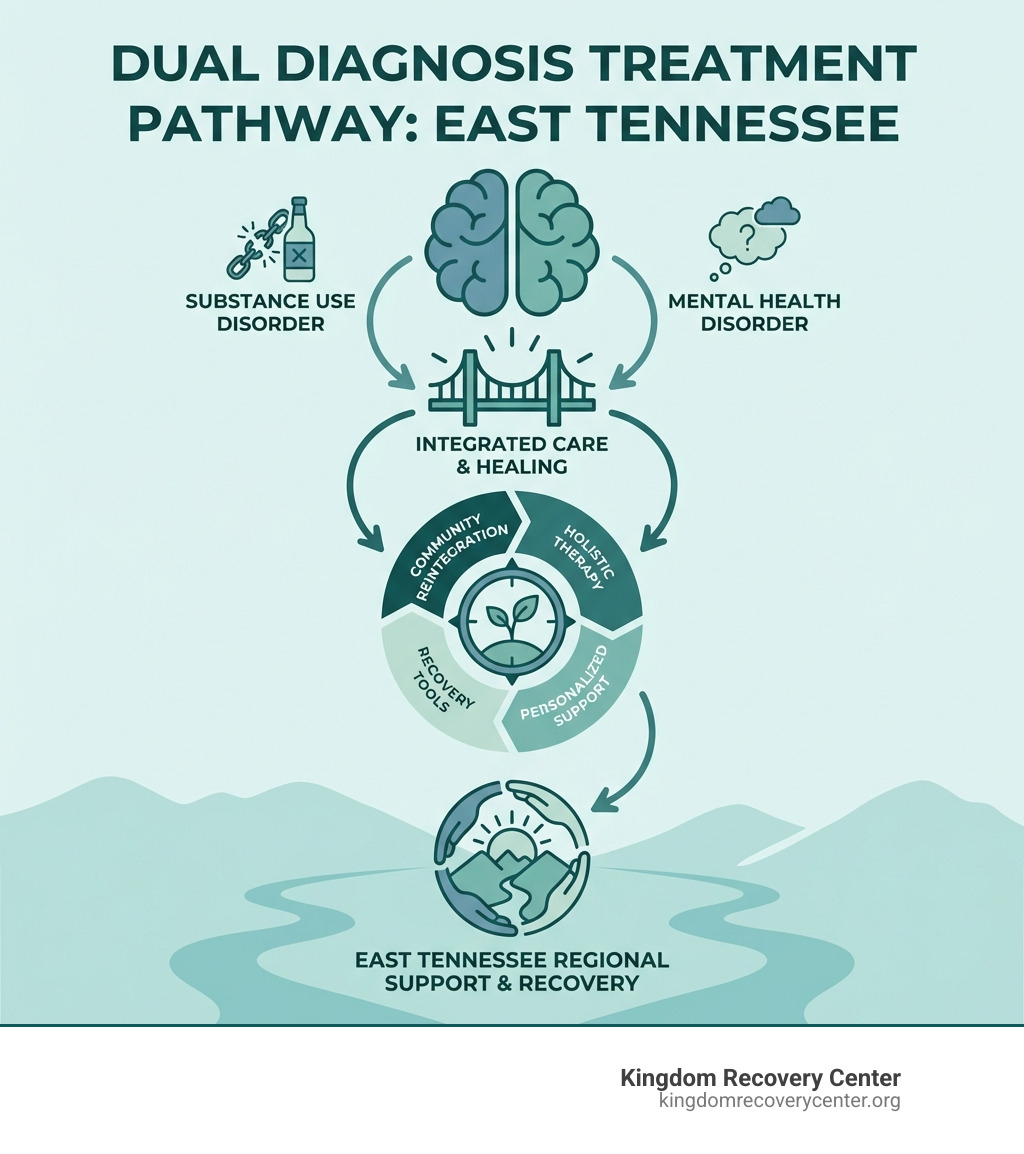
4. Dual Diagnosis Treatment
Cocaine addiction frequently co-occurs with mental health disorders like anxiety, depression, or PTSD. Effective treatment addresses both conditions simultaneously, offering a stronger foundation for recovery.
5. Aftercare and Relapse Prevention
Maintaining sobriety requires ongoing support. Aftercare programs, such as alumni groups and continued therapy, help individuals reinforce coping strategies and avoid relapse triggers.
Why Choose Kingdom Recovery Center for Cocaine Addiction Treatment?
At Kingdom Recovery Center in Morristown, TN, we specialize in supporting individuals through the challenges of cocaine withdrawal and long-term recovery. Our evidence-based treatment programs provide a safe and structured approach to detox and rehabilitation, with an emphasis on addressing the root causes of addiction.
Key Features of Kingdom Recovery Center:
- Medically Supervised Detox: Ensure a safe withdrawal process.
- Comprehensive Care Plans: Individualized treatment that meets the unique needs of each client.
- Dual Diagnosis Expertise: Address addiction alongside co-occurring mental health disorders.
- Inpatient & Outpatient Options: Flexible levels of care to fit life circumstances.
- Aftercare Support: Continued care to help clients build sustainable sobriety.
Our compassionate team is dedicated to helping you or your loved one navigate the challenges of recovery with kindness, professionalism, and practical tools for success.
Start Your Recovery Today at Kingdom Recovery Center
Cocaine withdrawal is tough, but you don’t have to face it alone. Kingdom Recovery Center in Morristown, TN, provides the comprehensive care and support necessary to help you stop using cocaine safely and rebuild your life.
Whether you’re just beginning to think about quitting or have tried to stop before, our team is committed to helping you take the next step toward freedom from addiction.
Contact Kingdom Recovery Center today to learn more about our programs or to speak with a caring member of our team. Start your recovery journey today—your best life awaits.