
Why Finding Affordable Knoxville Inpatient Drug Rehab Matters Now
Knoxville inpatient drug rehab offers a lifeline for individuals struggling with addiction, but concerns about cost often prevent people from seeking the help they desperately need. The good news? Quality treatment doesn’t have to break the bank.
Quick Answer: Top Affordable Inpatient Rehab Options in Knoxville
- State-Funded Programs – Free or low-cost care through the Tennessee Department of Mental Health & Substance Abuse Services
- Insurance-Accepting Facilities – Most major centers accept Aetna, Blue Cross Blue Shield, Cigna, and UnitedHealthcare
- Medicaid/Medicare Programs – Many facilities accept government insurance plans
- Sliding Scale Payment – Income-based fees are available at many non-profit and community health centers
- Grant-Funded Treatment – Some organizations receive state grants to subsidize care for eligible individuals
The urgency is real. In 2021, Knox County reported 533 drug overdose deaths, a 29% increase from the previous year. Neighboring Anderson County saw an even sharper 67% rise, with fentanyl and synthetic opioids driving much of this devastating trend.
But there’s hope. According to SAMHSA, 72.2% of adults who sought treatment for substance use problems considered themselves to be in recovery or recovered. The key is finding the right program that fits both your needs and your budget.
Knoxville has 5 inpatient drug and alcohol rehab centers, plus 9 detox facilities and 29 outpatient programs. Many offer multiple payment options, from private insurance to sliding scale fees. The challenge isn’t finding treatment—it’s knowing which facilities provide quality care at affordable prices.
You don’t have to choose between recovery and financial stability. With the right information, you can access evidence-based treatment that addresses your addiction, co-occurring mental health issues, and your budget constraints.
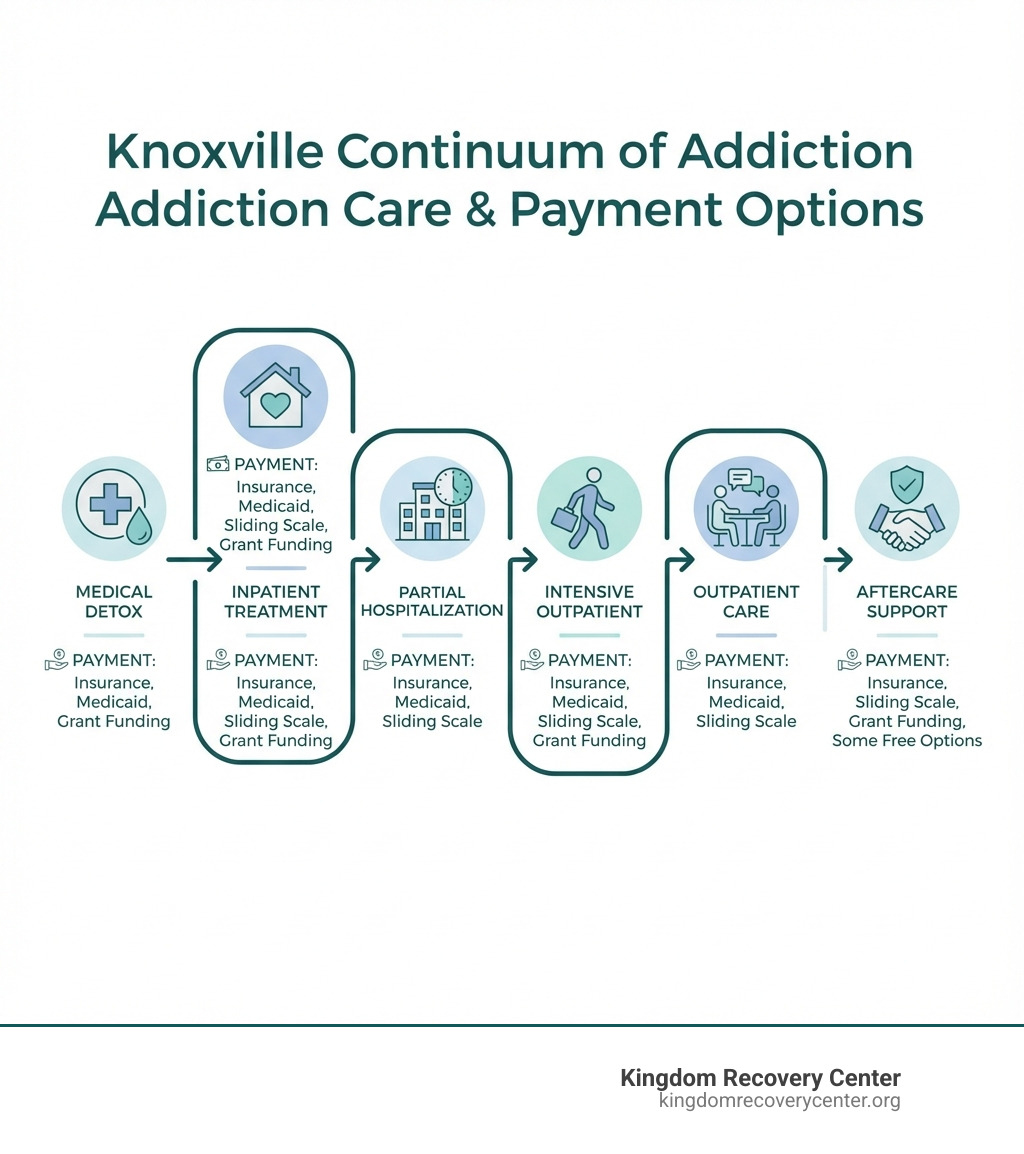
Understanding the First Steps: Detox and Levels of Care
When you or a loved one are ready for sobriety, understanding the levels of care in Knoxville inpatient drug rehab is crucial. Treatment is a personalized journey that begins with detox and progresses through different stages of care.
The Role of Medical Detox
Medical detox, or withdrawal management, is the vital first step. It addresses the fear of withdrawal by providing a safe, medically supervised environment to cleanse the body of substances. This is especially critical for alcohol, opioids, and benzodiazepines, where withdrawal can be dangerous. In Knoxville, facilities offer 24/7 medical monitoring to manage symptoms comfortably and ensure you are stable for the therapeutic work ahead. Our goal is to help you get sober safely and with dignity, laying a solid foundation for recovery. For more comprehensive information, we recommend reading about the Vital Aspects of Selecting Drug and Alcohol Detox in Tennessee.
After detox, individuals transition to a structured treatment program. Here are the levels of care available:
- Inpatient vs. Residential Treatment: Often used interchangeably, these programs provide 24/7 supervised living at a facility. This structured environment, free from outside triggers, allows for an intensive focus on recovery through round-the-clock support and therapy.
- Partial Hospitalization Programs (PHP): A step down from inpatient care, PHP offers intensive treatment during the day for several hours, multiple days a week. Participants return home or to a sober living environment at night, making it ideal for those who need significant support but have a stable home life.
- Intensive Outpatient Programs (IOP): IOPs provide even more flexibility, with fewer treatment hours per week (e.g., 9-12 hours). This allows individuals to maintain daily responsibilities like work or school while receiving structured therapy and support, including specialized groups for different demographics.
Choosing the right level of care is a complex decision. We encourage you to explore whether Outpatient vs. Inpatient Rehab: Which is Best for You? to find the best fit.
How to Find the Best Knoxville Inpatient Drug Rehab on a Budget
Finding an affordable Knoxville inpatient drug rehab is possible. While the average cost of treatment is around $57,386—comparable to state and national averages—many factors influence the final price, and numerous financial solutions exist to make care accessible.
- Insurance Verification: Most Knoxville centers accept private insurance plans like Aetna, Blue Cross Blue Shield, Cigna, UnitedHealthcare, and Humana. The Mental Health Parity and Addiction Equity Act generally requires insurers to cover addiction treatment. Contact admissions teams for a free insurance verification to understand your coverage.
- Medicaid and Medicare: These government-funded programs can significantly reduce or eliminate out-of-pocket costs. Many facilities in Tennessee accept these plans, making care accessible to more people.
- Sliding Scale Fees: Some centers, particularly non-profits, offer sliding scale fees. This adjusts the cost of treatment based on your income, ensuring financial status isn’t a barrier to care.
- State-Funded Programs & Grants: The Tennessee Department of Mental Health & Substance Abuse Services funds programs that offer free or low-cost care. Additionally, some facilities in Tennessee receive grant funding to subsidize treatment costs for qualified individuals.
- Private Pay & Financing: If other options aren’t available, many centers offer flexible payment plans or work with third-party financing companies to help manage costs.
Payment Options for Inpatient Rehab in Knoxville
| Payment Option | Description | Potential Benefits |
|---|---|---|
| Private Insurance | Your health insurance plan covers a portion (or sometimes all) of treatment costs. Providers like Aetna, Blue Cross Blue Shield, Cigna, and UnitedHealthcare are commonly accepted. | Significant cost reduction; Access to a wider range of facilities. |
| Medicaid/Medicare | Government-sponsored health insurance programs for low-income individuals, seniors, and people with disabilities. Many facilities accept these plans. | Free or very low-cost treatment; Essential for those with limited financial resources. |
| Sliding Scale Fees | Treatment costs are adjusted based on your income and financial situation. Often offered by non-profit organizations. | Affordable for individuals with lower incomes; Ensures access regardless of financial status. |
| State/Grant Funding | Programs funded by state governments or grants, often through the Tennessee Department of Mental Health & Substance Abuse Services. Some facilities receive specific grants to reduce patient costs. | Can provide free or significantly subsidized treatment; Targets specific populations or needs. |
| Private Pay/Financing | Paying for treatment directly out-of-pocket or through a third-party loan/payment plan. | Immediate access to desired facility; Flexibility in choosing non-insurance-dependent programs. |
What to Look for in a Knoxville Inpatient Drug Rehab Program
Once you’ve considered finances, evaluate the quality of Knoxville inpatient drug rehab programs. An informed choice is a powerful step toward lasting recovery.
Here are essential criteria to consider:
- Accreditation: Look for accreditations from bodies like CARF International and The Joint Commission. CARF accreditation, for example, demonstrates a program’s commitment to quality and transparency. This signifies that the facility meets rigorous standards. You can learn more about CARF International accreditation on their website. Other important accreditations include SAMHSA and NAATP.
- Staff Credentials and Experience: The expertise of the treatment team is paramount. Inquire about the qualifications of doctors, therapists, and support staff. Many facilities have staff in recovery themselves, bringing unique empathy to the process.
- Evidence-Based Therapies: Effective programs use research-backed therapies like Cognitive Behavioral Therapy (CBT), Dialectical Behavior Therapy (DBT), trauma-informed care, and family therapy.
- Individualized Treatment Plans: A high-quality program will offer a personalized plan custom to your specific needs, history, and any co-occurring conditions, avoiding a one-size-fits-all approach.
- Low Staff-to-Patient Ratio: A lower ratio often means more individualized attention and a more nurturing environment for therapeutic work.
To help in your conversations with admissions staff, we’ve compiled a list of key questions:
- What types of treatment therapies do you offer (e.g., CBT, DBT, EMDR, group, individual, family)?
- Is medication-assisted treatment (MAT) available, and how is long-term linkage ensured?
- What are the qualifications and experience of your staff, especially for co-occurring mental health issues?
- How is treatment custom to individual needs?
- What are the program requirements, daily schedule, and rules?
- How are family members involved in the treatment process?
- What are the patient rights and responsibilities within the program?
- What is the typical duration of stay, and how is it determined?
- What aftercare and alumni programs are available?
What to Expect During Treatment: Therapies and Daily Life

Entering a Knoxville inpatient drug rehab means stepping into a structured environment designed for healing. It’s a time to focus on recovery, free from external triggers. Here’s what to expect regarding your stay, daily routines, and therapies.
The typical duration of an inpatient stay varies, as treatment is always individualized. While 30-day programs exist, longer stays of 60 or 90 days can provide a more robust foundation for recovery. Your length of stay is determined by a clinical assessment of your needs, addiction severity, and any co-occurring conditions. Focus on finding evidence-based care that fits you, not a fixed duration.
Your daily schedule will be structured to maximize therapeutic growth, balancing individual and group therapy, educational workshops, and wellness activities. Communal meals help foster a sense of community.
Amenities and living conditions vary, but most facilities provide a comfortable and safe environment. You can expect clean living spaces, often with a roommate. Some centers offer improved amenities like private rooms, recreation areas, and transportation. Many emphasize the “three pillars of health”—sleep, nutrition, and exercise—and may incorporate flexible tech policies or integrative medicine to create a comfortable, family-like setting.
Addressing Co-Occurring Disorders
Addiction rarely exists in isolation. Many people also face co-occurring mental health conditions like anxiety, depression, or PTSD, known as a dual diagnosis. Effective treatment must address these underlying issues simultaneously.
A quality Knoxville inpatient drug rehab provides integrated treatment for both addiction and mental health disorders. Your therapy will focus on managing mental health symptoms, developing coping skills, and understanding the link between the two. Our mental health professionals work together to provide this holistic care, increasing the likelihood of long-term recovery. For more guidance, explore Effective Ways to Seek Mental Health Treatment in Tennessee.
Common Therapies Offered
Effective Knoxville inpatient drug rehab programs use a variety of evidence-based and holistic therapies for a personalized treatment experience.
Common therapies include:
- Cognitive Behavioral Therapy (CBT): Helps identify and change negative thought patterns and behaviors related to substance use, teaching healthier coping mechanisms.
- Dialectical Behavior Therapy (DBT): Focuses on emotional regulation, distress tolerance, and mindfulness, which is effective for those with intense emotional swings.
- Trauma Therapy: Therapies like Eye Movement Desensitization and Reprocessing (EMDR) help process past trauma, which is often a root cause of substance use.
- Family Therapy: Involves loved ones in the recovery process to heal relationships, improve communication, and build a supportive home environment.
- Holistic Methods: Beyond talk therapy, many facilities use holistic approaches like yoga, meditation, art therapy, and nutritional counseling to treat the whole person—mind, body, and spirit. These methods promote overall well-being and stress reduction. Learn more about Holistic Approaches to Addiction Recovery in Tennessee Explained.
- Medication-Assisted Treatment (MAT): For opioid and alcohol use disorders, MAT combines FDA-approved medications (like Vivitrol or buprenorphine) with counseling. This approach reduces cravings and withdrawal, significantly improving chances of long-term recovery.
Life After Inpatient Care: Ensuring Lasting Recovery in Knoxville
Completing a Knoxville inpatient drug rehab program is a huge achievement, but it’s the first step in a lifelong journey. Sustained sobriety requires ongoing support and a solid aftercare plan. Our commitment is to equip you with the tools for lasting recovery.
A critical component is aftercare planning. Before you leave, our team will help you develop a personalized aftercare plan. This roadmap for your continued journey includes relapse prevention strategies.
Key elements of aftercare often include:
- Sober Living Homes: These offer a supportive, substance-free environment for gradual reintegration into society with structure and accountability.
- Peer Support Groups: Groups like Alcoholics Anonymous (AA) and Narcotics Anonymous (NA) offer invaluable peer support and community. Knoxville has many local meetings.
- Alumni Programs: Many facilities offer alumni programs for ongoing connection, support events, and a network of peers with shared experiences.
- Continued Outpatient Therapy: Stepping down to an Intensive Outpatient Program (IOP) or regular counseling ensures continued therapeutic support.
According to SAMHSA, 72.2% of adults who perceived they ever had a substance use problem considered themselves to be in recovery or to have recovered. This statistic underscores the power of treatment and ongoing support. For more insights, explore The Importance of Rehab Programs in Tennessee for Lasting Recovery.
The Role of Family Involvement
Addiction is a family disease, impacting every relationship. We advocate for family involvement as a crucial part of recovery in a Knoxville inpatient drug rehab. When families participate, it strengthens the foundation for long-term sobriety.
Our approach often includes:
- Family Counseling Sessions: These provide a safe space for open communication, helping families understand addiction, learn to support their loved one without enabling, and rebuild trust.
- Educational Workshops: Workshops for families educate them on the disease of addiction, the recovery process, and effective communication skills.
- Building a Supportive Home Environment: Family involvement helps create a healthier home post-treatment by establishing clear boundaries and practicing healthy communication.
- Healing Relationships: Through therapy, family members can begin to heal emotional wounds, foster forgiveness, and rebuild trust, creating a stronger support system.
We believe that when families heal together, the chances of sustained recovery increase dramatically.
Frequently Asked Questions about Inpatient Rehab in Knoxville
Navigating addiction treatment can bring up many questions. We’ve compiled answers to some of the most common concerns about Knoxville inpatient drug rehab to help clarify the path forward.
How much does inpatient rehab in Knoxville cost?
The cost of Knoxville inpatient drug rehab varies based on the facility and length of stay, with an average around $57,386. However, this cost can be managed through various options. Most facilities accept private insurance (like Aetna, Blue Cross Blue Shield, Cigna), Medicaid/Medicare, and may offer sliding scale fees based on income. State-funded and grant-supported programs also provide free or low-cost care. We recommend a free insurance verification to understand your specific benefits. Don’t let cost deter you from seeking help.
How long will I need to stay in inpatient rehab?
The length of stay in a Knoxville inpatient drug rehab is not a fixed term. While 30, 60, and 90-day programs are common benchmarks, your stay is determined by a clinical assessment of your unique needs, addiction severity, and recovery progress. The goal is to provide the time needed for healing before transitioning to lower levels of care like PHP or IOP as part of a long-term recovery plan.
Can I lose my job for going to rehab?
Federal laws protect your job if you seek treatment at a Knoxville inpatient drug rehab. The Family and Medical Leave Act (FMLA) may provide up to 12 weeks of unpaid, job-protected leave for medical reasons, including rehab. Additionally, the Americans with Disabilities Act (ADA) protects individuals in recovery from employment discrimination. Many employers also offer confidential Employee Assistance Programs (EAP) to help you find treatment. Reputable rehabs adhere to strict privacy laws, so your treatment is confidential.
Your Path to a New Beginning Starts Today
We hope this guide has demystified the process of finding affordable Knoxville inpatient drug rehab and shown you that quality care is within reach. Recovery is not just a possibility; it’s a reality for millions, and it can be for you too. The journey may seem long, but every step taken towards healing is a step towards a brighter future.
You don’t have to face addiction alone. There are numerous options available, from state-funded programs and insurance-covered treatments to sliding scale fees and grant opportunities. Our focus is on providing client-centered, evidence-based care that empowers lasting change, addressing both addiction and co-occurring mental health issues.
Taking that first step is often the hardest, but it’s the most courageous thing you can do for yourself and your loved ones. We are here to support you in finding the right path. Your new beginning, filled with hope and sobriety, starts today.
Find supportive Knoxville, TN Local Resources to begin your journey