
Understanding the Path to Safe Fentanyl Detox in Tennessee
Fentanyl detox Tennessee is a critical first step toward recovery from one of the most dangerous opioid addictions. If you or someone you love is struggling with fentanyl dependence, finding a quality, medically supervised detox program is essential. When searching for help, look for centers that offer comprehensive services, such as medically supervised detox with dual diagnosis expertise.
Here are the most important things to know:
Key Facts About Fentanyl Detox in Tennessee:
- Medical supervision is essential due to potentially life-threatening complications
- Withdrawal symptoms typically begin within 8-24 hours and peak around days 1-3
- Average detox duration: 7-10 days for acute phase
- Cost ranges from $4,000-$10,000 without insurance for 7-day inpatient care
- Most private insurance plans cover fentanyl detox as a medical necessity
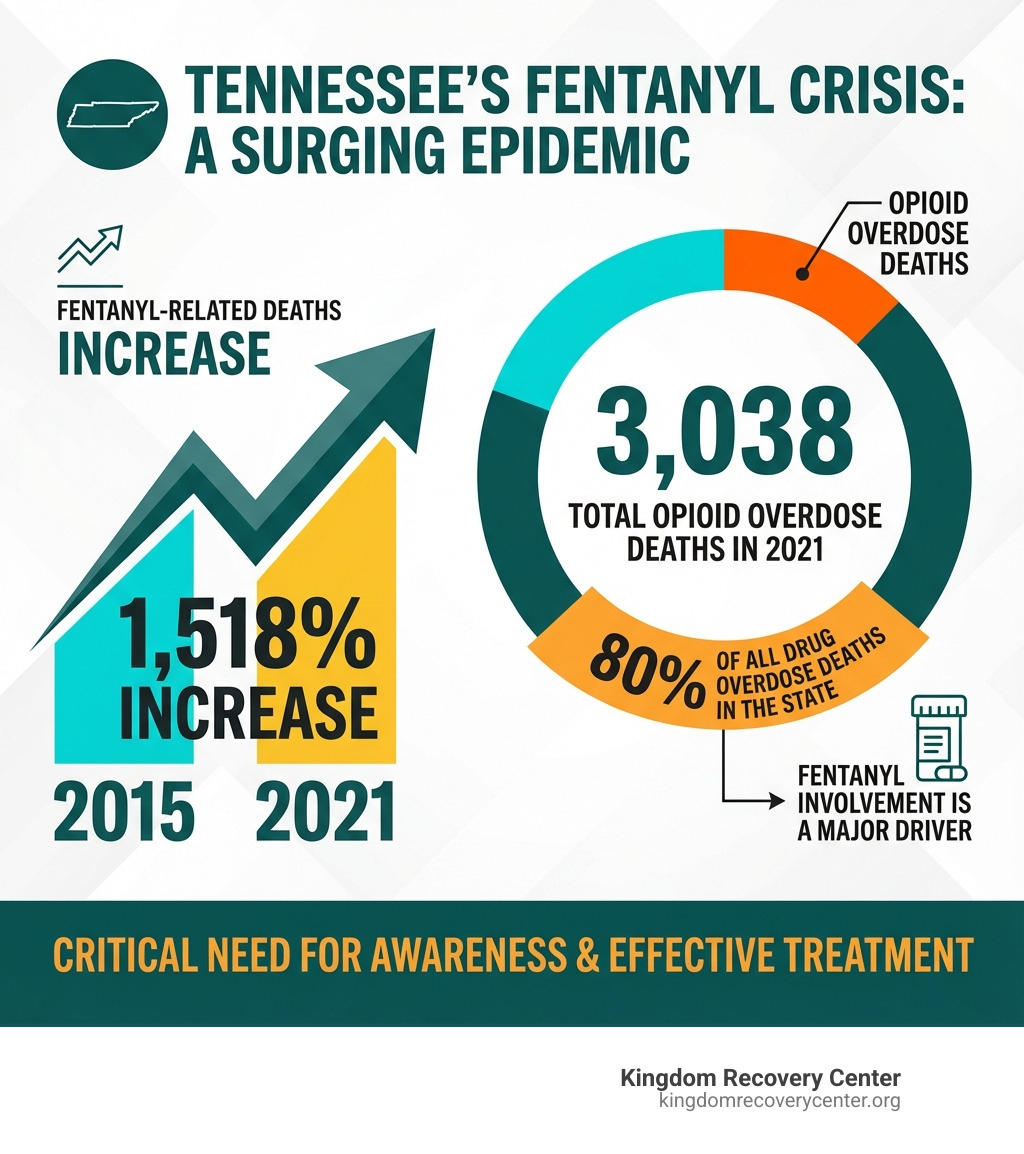
Tennessee is facing a devastating fentanyl crisis. From 2015 to 2021, fentanyl-related deaths in the state surged by 1,518%. In 2021 alone, opioid overdoses accounted for 80% of drug overdose deaths in Tennessee, totaling 3,038 deaths. This synthetic opioid is 50-100 times more potent than morphine, making it incredibly addictive and dangerous.
But there is hope. Safe, medically supervised detox is available throughout Tennessee, and it can save your life. Professional oversight during withdrawal isn’t just recommended—it’s often required to manage severe symptoms safely and prevent relapse.
The communities hit hardest by this crisis are responding with expanded treatment options, from Nashville to Memphis, Knoxville to Chattanooga. Whether you’re seeking holistic approaches or evidence-based medical treatment, Tennessee offers paths to recovery that can meet your unique needs.
Understanding the Fentanyl Crisis and Recognizing the Signs

The rise of fentanyl has dramatically changed the landscape of addiction in Tennessee. This synthetic opioid is incredibly potent, often 50 to 100 times stronger than morphine. Its extreme strength makes it particularly dangerous, as even a tiny amount can lead to a fatal overdose. Fentanyl has become the number one contributor to overdose deaths in the U.S., a stark reality we see reflected in our Tennessee communities.
Our state has been deeply affected by this crisis. In 2022, Tennessee experienced approximately 3,700 drug overdose deaths, with around 85% of these involving synthetic opioids, primarily fentanyl. The surge in fentanyl-related deaths in Tennessee, a staggering 1,518% from 2015 to 2021, highlights the urgent need for effective intervention and treatment.
Recognizing the signs of fentanyl addiction is the first crucial step toward seeking help. Addiction impacts individuals in various ways, manifesting through physical, behavioral, and psychological changes. We’ve seen how quickly fentanyl can take hold, altering lives and creating a desperate need for support. For more detailed information on identifying the signs, we encourage you to visit our page on Signs of Fentanyl Addiction.
Common signs of fentanyl addiction include:
- Physical Symptoms: This can include drowsiness, constricted pupils, significant weight loss, constipation, and falling asleep at unusual times.
- Behavioral Changes: You might notice increased secrecy, neglect of responsibilities at work or home, social withdrawal from friends and family, and engaging in risky behaviors to obtain the drug.
- Psychological Signs: Intense cravings for fentanyl, increased tolerance requiring higher doses for the same effect, confusion, anxiety, paranoia, and mood swings are often present.
The risks associated with fentanyl abuse are severe and far-reaching. The most immediate and terrifying risk is overdose, which has sadly become the leading cause of overdose deaths in the U.S. Fentanyl’s unpredictable potency, especially when illicitly manufactured or mixed with other substances, means that users may unknowingly consume a lethal dose. Just 2 mg of fentanyl can be deadly. Beyond overdose, fentanyl abuse can lead to serious health complications such as low blood pressure, lung issues, irregular heart rhythms, and slowed or stopped breathing. It can also result in long-term consequences like brain damage, loss of employment, academic failure, and alienation from loved ones. For more information about the dangers of overdose, you can refer to authoritative resources on overdose.
Signs of Fentanyl Withdrawal
Once physical dependence develops, stopping fentanyl use, even for a short period, will trigger withdrawal symptoms. These symptoms can be incredibly uncomfortable and, without medical supervision, potentially dangerous. Understanding what to expect can help you or your loved one prepare for the journey ahead.
Typical signs of fentanyl withdrawal include:
- Muscle aches and bone pain: Often described as a deep, aching discomfort throughout the body.
- Intense cravings: A powerful psychological and physical urge to use fentanyl, which can be overwhelming.
- Nausea and vomiting: Severe stomach upset, often accompanied by diarrhea and abdominal cramping.
- Sweating and chills: Rapid shifts in body temperature, sometimes with goosebumps.
- Restlessness and insomnia: An inability to sit still or sleep, leading to exhaustion.
- Anxiety and depression: Profound mood disturbances, irritability, and feelings of unease or sadness.
- Runny nose and watery eyes: Similar to severe cold symptoms.
- Liftd heart rate and blood pressure: The body’s stress response to the absence of the drug.
Managing these symptoms safely is a core component of professional fentanyl detox Tennessee. For a deeper dive into withdrawal symptoms from various substances, we’ve provided a guide on Understanding Drug and Alcohol Detox Withdrawal Symptoms Explained.
Fentanyl Withdrawal Timeline
The fentanyl withdrawal timeline can vary significantly from person to person, influenced by factors such as the duration and amount of fentanyl used, individual metabolism, and overall health. However, there’s a general pattern we often observe:
- Initial Symptoms (8-24 hours): Withdrawal symptoms typically begin within 8 to 24 hours after the last dose, though some sources indicate it can be as early as 6-12 hours or as late as 12-30 hours. These early symptoms might include restlessness, anxiety, muscle aches, and a runny nose.
- Peak Symptoms (Days 1-3): This is often the most challenging phase. Symptoms intensify dramatically, usually peaking between days 1 and 3, or sometimes days 3-5. During this time, individuals may experience severe nausea, vomiting, diarrhea, intense body aches, profound anxiety, and insomnia.
- Subiding Symptoms (Days 4-7): Physical symptoms generally start to subside by days 4 to 7, or sometimes days 6-10. While physical discomfort lessens, psychological effects like mood swings, irritability, and cravings can continue. Most clients achieve medical stabilization within 7-10 days.
- Post-Acute Withdrawal Syndrome (PAWS): Even after the acute physical symptoms resolve, some individuals may experience lingering psychological and emotional symptoms for weeks or even months. This is known as Post-Acute Withdrawal Syndrome (PAWS), and it can include persistent anxiety, depression, sleep disturbances, fatigue, and intense cravings. Addressing PAWS is a critical part of long-term recovery planning.
Understanding this timeline can help individuals and their families prepare for the journey of fentanyl detox Tennessee. For further insights into how long detox takes for different substances, check out our resource on How Long Does Detox Take? Insights on Substance Timelines.
Navigating Your Treatment Options for Fentanyl Detox in Tennessee

When facing fentanyl addiction, one of the most critical decisions is how to approach detoxification. The dangers of attempting to detox from fentanyl at home cannot be overstated. Due to the severe and potentially life-threatening nature of withdrawal symptoms, self-detoxing is never recommended. Without professional oversight, complications like severe dehydration, electrolyte imbalances, heart problems, organ failure, seizures, or even hallucinations can arise. The intense discomfort and cravings also significantly increase the risk of relapse, which can be deadly if an individual returns to using fentanyl at their previous dosage after a period of abstinence.
This is why medically supervised detox is not just a recommendation; it’s often essential. At our center, and others like it across Tennessee, we prioritize your safety and comfort. Our medical teams provide 24/7 monitoring, ensuring that any complications are immediately addressed and that your withdrawal symptoms are managed effectively. This professional oversight is a cornerstone of safe and successful fentanyl detox Tennessee. The science behind this approach is well-established, focusing on patient stability and relapse prevention. Learn more about the critical role of medical supervision on our page about The Science Behind Medically Assisted Detox Practices.
Finding the Right Program for Fentanyl Detox in Tennessee
Choosing the right fentanyl detox Tennessee program is a personal decision that depends on the severity of your addiction, your overall health, and your support system. We offer various levels of care to meet diverse needs, ensuring everyone can find a path to recovery that works for them.
| Feature | Inpatient Detox | Outpatient Detox | |
|---|---|---|---|
| Setting | Residential facility, 24/7 medical supervision | Attend treatment during the day, return home at night | |
| Intensity | High, immersive, structured | Moderate, flexible | Moderate, flexible |
| Medical Care | Round-the-clock monitoring, medication management | Scheduled medical visits, medication management | |
| Ideal for | Severe addiction, high risk of complications, unstable home environment | Mild to moderate addiction, strong home support, work/family commitments | |
| Benefits | Maximum safety, distraction-free healing, comprehensive support | Flexibility, cost-effective, maintain daily responsibilities | |
| Limitations | Less flexibility, away from home | Less intensive medical supervision, requires strong self-discipline |
Medically Supervised Inpatient Detox: This is often the recommended option for individuals with severe fentanyl addiction or those at high risk of complications during withdrawal. In an inpatient setting, you receive 24/7 medical care, ensuring your safety and comfort as your body clears the drug. This structured environment minimizes distractions and provides a solid foundation for healing.
Outpatient Programs: For individuals with milder withdrawal symptoms, a stable home environment, and strong support, outpatient detox can be a viable option. These programs allow you to attend scheduled treatment sessions while continuing to live at home and manage daily responsibilities.
Partial Hospitalization Programs (PHP): Often referred to as “day treatment,” PHP offers a higher level of care than standard outpatient programs. You attend structured therapy and medical supervision during the day, returning home in the evenings. This is a great option for those who need intensive support but don’t require 24/7 residential care. To understand more about this option, explore our guide on What to Know About Partial Hospitalization Programs for Treatment.
Intensive Outpatient Programs (IOP): IOPs provide structured therapy and counseling multiple times a week, allowing you to maintain a relatively normal routine. They are ideal for individuals transitioning from inpatient care or those who need more support than traditional outpatient services. Our page on Intensive Outpatient Programs: A Path to Mental Health Recovery offers further details.
How Medication-Assisted Treatment (MAT) and Holistic Options Help
Medication-Assisted Treatment (MAT) is an evidence-based approach that combines FDA-approved medications with counseling and behavioral therapies. It’s a cornerstone of effective fentanyl detox Tennessee.
The primary medications used in MAT for opioid addiction include:
- Buprenorphine: This medication helps alleviate withdrawal symptoms and reduce cravings without producing the intense “high” of fentanyl. It binds to the same brain receptors as opioids, easing discomfort.
- Methadone: Similar to buprenorphine, methadone helps manage withdrawal symptoms and cravings, providing a stable alternative that prevents the severe highs and lows associated with fentanyl use.
- Naltrexone: This medication works differently by blocking the effects of opioids entirely. It can be administered after detox to prevent relapse by eliminating the euphoric effects of fentanyl, making it less appealing.
These medications are crucial tools in making the detox process safer and more comfortable, significantly reducing the risk of relapse. MAT helps ensure a smoother transition to recovery by stabilizing both physical and psychological symptoms. We cover this in more detail on our page about Medically Assisted Detox: Ensuring a Smooth Transition.
Beyond medical interventions, many individuals find immense value in holistic approaches that address the whole person. We respect each client’s personal beliefs and tailor our services accordingly, recognizing that addressing emotional and spiritual roots of addiction can be crucial for lasting recovery. Holistic therapies, such as yoga, meditation, massage, and nutritional counseling, complement traditional treatment by nurturing the mind, body, and spirit. These practices help individuals develop healthier coping mechanisms and a greater sense of well-being. For those interested in exploring these complementary paths, our guide on Holistic Approaches to Addiction Recovery in Tennessee Explained provides valuable insights.
The Detox Journey: What to Expect and How to Prepare
Starting on a fentanyl detox Tennessee journey is a significant step, and proper preparation can make a world of difference. It’s like preparing for a big trip; the more you plan, the smoother the journey.
Preparing for treatment involves several key aspects:
- Mental Preparation: Acknowledge that the process will have its challenges, but keep your recovery goals firmly in sight. Focusing on the healthier, fentanyl-free future you’re building can provide immense motivation.
- Arranging Logistics: This includes ensuring you have reliable transportation to and from the detox facility. Planning ahead can reduce stress during an already vulnerable time.
- What to Pack: Bring comfortable clothing, personal hygiene products, and any necessary identification or medical documents. Keep it simple; most facilities will provide essentials.
- Communicating with Loved Ones: Informing your family and close friends about your plans can provide you with a vital emotional support system. They can be a source of encouragement and practical help.
- Being Honest with Medical Staff: This is perhaps the most crucial step. Provide your treatment team with a complete and accurate medical history, including any pre-existing conditions, allergies, and current medications. This honesty allows them to create a personalized treatment plan that is safe and effective for you.
These considerations are vital for anyone seeking drug and alcohol detox. For more detailed advice, please read our page on Important Considerations for Drug and Alcohol Detox in Tennessee.
What to Expect During a Medically Supervised Fentanyl Detox in Tennessee
When you arrive at a medically supervised fentanyl detox Tennessee center like ours, you’ll be guided through a structured and supportive process designed for your safety and comfort.
Here’s what you can typically expect:
- Initial Assessment: Your journey begins with a comprehensive evaluation by our medical team. This assessment covers your physical health, mental health, addiction history, and any co-occurring disorders. This information is crucial for developing a treatment plan custom specifically for you.
- Personalized Treatment Plan: Based on your assessment, our experts will create an individualized plan that addresses your unique needs. This plan outlines the medications, therapies, and supportive care you’ll receive throughout your detox.
- Medical Monitoring: You’ll receive 24/7 medical supervision. Our licensed nurses and board-certified physicians will closely monitor your vital signs and overall well-being, ready to intervene if any complications arise. This constant oversight is what makes professional detox safe.
- Symptom Management: Medications will be administered to ease the discomfort of withdrawal symptoms. Our goal is to minimize pain, nausea, anxiety, and other challenging effects, making the detox process as tolerable as possible.
- Therapeutic Support: Beyond medical care, you’ll receive emotional and psychological support through individual and group counseling. This initial therapeutic engagement helps you begin to address the underlying issues contributing to your addiction.
We believe in making the detox process as clear and reassuring as possible. For a general overview of what to expect in any drug and alcohol detox program, please see our guide What to Expect in a Drug and Alcohol Detox Program for Everyone.
Cost and Insurance Coverage for Detox
Understanding the financial aspect of fentanyl detox Tennessee is a common concern, and we strive to make treatment accessible. The cost can vary significantly depending on the type of program (inpatient vs. outpatient), the duration of care, and the specific facility.
- Cost without insurance: For a seven-day inpatient detox program, costs can range from $4,000 to over $10,000. Outpatient detox for the same period might cost between $1,000 and $3,500. Longer-term residential programs can range from $10,000 to $30,000 or more for a 30-day treatment.
- Cost with insurance: The cost with insurance varies widely based on your specific plan. However, drug detoxification over a 7-day period may range from $1,750 to $5,600. Many private health insurance plans cover a significant portion of detox services, as it’s considered a medical necessity for treating opioid use disorder. You may still be responsible for co-payments, deductibles, or costs beyond your plan’s coverage limits.
Verifying your benefits is a crucial step. We recommend contacting your insurance provider directly or allowing our admissions team to help you. Our center offers free, confidential insurance verification to help you understand your coverage details, including any restrictions or prior authorization requirements. This way, you’ll know exactly what to expect.
To learn more about how insurance can help cover the costs of treatment, please visit our page on Using Insurance to Cover the Costs of Rehab. We also have a dedicated Insurance Verification page to assist you.
Beyond insurance, many facilities offer various payment options, including self-pay, payment assistance programs, or sliding fee scales based on income. Don’t let financial concerns prevent you from seeking life-saving treatment; there are often solutions available.
Beyond Detox: Building a Foundation for Lasting Sobriety
Completing fentanyl detox Tennessee is a monumental achievement, but detox is just the first step on the path to lasting recovery. Addiction is a complex disease, and true healing requires addressing its physical, psychological, and emotional dimensions.
A critical component often intertwined with fentanyl addiction is mental health. Many individuals struggling with substance use disorders also experience co-occurring mental health conditions like anxiety, depression, or trauma. This is often referred to as a dual diagnosis. If these underlying mental health issues are not addressed, they can significantly increase the risk of relapse. Our center specializes in treating dual diagnoses, understanding that integrated care for both addiction and mental health leads to more sustainable recovery. For guidance on finding mental health support in our state, explore our page on Your Guide to Finding the Right Mental Health Treatment in Tennessee.
After detox, the journey continues with transitioning to next steps in recovery. This typically involves moving into a more comprehensive treatment program:
- Residential Treatment: For many, transitioning to a residential program provides ongoing support and a structured environment to dig deeper into the root causes of addiction. Studies show that residential treatment is effective in improving outcomes and maintaining lasting recovery. You can find more information on the effectiveness of residential treatment here: Studies show that residential treatment is effective in improving outcomes and maintaining lasting recovery..
- Continued Therapy: Whether in an inpatient or outpatient setting, therapy is crucial. This includes individual counseling, group therapy, and specialized modalities like Cognitive Behavioral Therapy (CBT) or Dialectical Behavior Therapy (DBT). These therapies equip you with coping skills, help you process past traumas, and change negative thought patterns.
- Building a Support System: Recovery is rarely a solitary journey. Building a support system of family, friends, and peers in recovery is essential. Family therapy can help repair relationships and educate loved ones on how to best support your sobriety. Support groups like Alcoholics Anonymous (AA), Narcotics Anonymous (NA), SMART Recovery, or Celebrate Recovery offer invaluable peer support and a sense of community.
- Aftercare Planning: Before leaving a formal treatment program, a robust aftercare planning is developed. This plan outlines ongoing support, relapse prevention strategies, and resources to help you steer challenges in the real world. It’s about empowering you to maintain sobriety and build a fulfilling life.
We are committed to guiding you through every phase of recovery, not just detox. For more insights into preparing for the next steps after detox, please visit our resource on What to Expect After Detox: Preparing for Your Recovery Path.
Frequently Asked Questions about Fentanyl Detox
We understand you likely have many questions about fentanyl detox Tennessee. Here are some of the most common ones we hear:
How long does fentanyl detox typically last?
The acute phase of fentanyl detox Tennessee typically lasts between 7 to 10 days, but this can vary. Most individuals will experience the peak of their physical withdrawal symptoms within the first 3 to 5 days. However, factors such as the length and amount of fentanyl used, individual metabolism, and overall health can influence the exact duration. It’s also important to remember that while physical symptoms subside, psychological symptoms can persist as part of Post-Acute Withdrawal Syndrome (PAWS) for weeks or even months. Our page on How Long Does Detox Take? Insights on Substance Duration provides more context.
Is fentanyl detox painful?
While fentanyl withdrawal can be uncomfortable, a medically supervised detox aims to minimize pain and maximize comfort. Our medical team uses FDA-approved medications and supportive therapies to manage symptoms like muscle aches, nausea, anxiety, and insomnia. The goal is to make the process as tolerable and safe as possible, proactively addressing symptoms to alleviate distress. You don’t have to endure severe pain when detoxing under professional care.
What happens after completing fentanyl detoxification?
Completing fentanyl detox Tennessee is a monumental achievement, but it’s just the first step toward lasting recovery. After medical stabilization, the next crucial phase is typically a transition into a comprehensive rehabilitation program. This could be residential (inpatient) treatment for sustained, immersive care, or an outpatient program like PHP or IOP, depending on your individual needs and support system. These programs focus on addressing the psychological aspects of addiction, teaching coping skills, and developing strategies for relapse prevention. It’s about building a strong foundation for a drug-free life. Our guide on The Importance of Rehab Programs in Tennessee for Lasting Recovery elaborates on this vital next step.
Conclusion: Finding Hope and Healing in Tennessee
The fentanyl crisis has brought immense challenges to Tennessee, but amidst the struggle, there is profound hope. Choosing to pursue fentanyl detox Tennessee is a courageous and life-saving decision. We’ve seen countless individuals reclaim their lives, finding lasting sobriety and renewed purpose.
Recovery is not just a possibility; it’s an achievable reality with the right support. At Kingdom Recovery Center, we are dedicated to providing client-centered, evidence-based addiction, mental health, and behavioral health treatment. Our specialization in individualized care and dual diagnosis programs ensures that we address all aspects of your well-being, empowering you to make lasting changes.
If you or a loved one is ready to take this vital first step toward a healthier future, we are here to help. Don’t face this journey alone. Find how we can support you in finding the right drug and alcohol detox program in Tennessee for your needs by visiting our dedicated page: Find the right drug and alcohol detox program in Tennessee for your needs. Your path to healing starts now.