The Urgent Need for Addiction Treatment in Johnson City
Drug rehab Johnson City TN centers offer critical support for individuals and families facing the devastating impact of substance use disorders in the heart of East Tennessee. If you’re searching for help, here’s what you need to know right now:
Key Drug Rehab Options in Johnson City, TN:
- Medical Detox – Safely manage withdrawal symptoms under 24/7 medical supervision
- Inpatient/Residential Treatment – Immersive 24-hour care in a structured environment
- Outpatient Programs (PHP/IOP) – Flexible treatment while maintaining daily responsibilities
- Medication-Assisted Treatment (MAT) – Evidence-based care using Suboxone or methadone
- Dual Diagnosis Treatment – Integrated care for co-occurring mental health disorders
- Aftercare Support – Long-term recovery resources including peer support and therapy
Johnson City faces a serious addiction crisis that demands attention and action. The statistics tell a sobering story: Washington County had the second-highest number of drug overdoses in the state of Tennessee. In 2018, the overdose rate due to fentanyl and other synthetic opioids reached 12.83 people per 100,000 in the county.
Across Tennessee, the problem continues to worsen. Drug overdoses rose from 1,818 in 2018 to 2,089 in 2019. Approximately 70,000 Tennessee residents suffer from some type of opioid addiction. While alcohol remains the most commonly abused substance in Johnson City, the opioid epidemic has created an urgent need for specialized treatment services.
The good news? Recovery is possible. Treatment works, and people get better every single day. Whether you’re struggling with opioids, alcohol, or other substances, numerous facilities in Johnson City offer evidence-based care custom to your unique needs.
The first step is often the hardest, but it’s also the most important. Recognizing the signs of addiction—behavioral changes, neglecting responsibilities, social withdrawal, or an inability to stop using despite negative consequences—can save a life.
Navigating Your Options: Types of Drug Rehab Programs in Johnson City, TN
When you’re ready to seek help for a substance use disorder, understanding the different types of programs available can feel overwhelming. In Johnson City, TN, we’re fortunate to have a continuum of care designed to meet individuals wherever they are in their recovery journey. This “continuum of care” refers to a comprehensive system of treatment that provides various levels of support, from the most intensive to ongoing maintenance, ensuring a smooth transition as needs change. You can learn more about the state’s approach to treatment services on the Continuum of Care Treatment Services – TN.gov page.

Each level of care offers a unique environment and intensity of treatment, and the duration of these programs can vary significantly based on individual needs, the severity of the addiction, and co-occurring mental health issues. Let’s explore the primary types of drug rehab programs you might encounter in Johnson City.
Medical Detoxification
The very first step for many on the path to recovery is often medical detoxification, or detox. This crucial stage involves safely clearing the body of drugs and alcohol under constant medical supervision. Withdrawal symptoms can range from uncomfortable to life-threatening, making a medically supervised environment essential for safety and comfort. Facilities in Johnson City offer 24/7 monitoring, ensuring that any complications are immediately addressed and managed with appropriate medications.
Detox is not treatment in itself, but rather a preparatory phase. It helps stabilize individuals physically, allowing them to then engage more fully in therapeutic interventions. As we emphasize in our resource on Vital Aspects of Selecting Drug and Alcohol Detox in Tennessee, it’s a critical foundation for effective long-term recovery. Some facilities, like Frontier Health’s Turning Point, operate dedicated detoxification units, offering 16 beds for adults needing medically monitored withdrawal management.
Inpatient and Residential Treatment
Once detox is complete, or for those who don’t require medical detox, inpatient and residential treatment programs offer an immersive level of care. In these programs, individuals live at the treatment facility, providing a 24/7 structured and supportive environment removed from the triggers and stresses of daily life. This allows for intensive therapy and a complete focus on recovery.
Residential treatment centers in and around Johnson City, such as Magnolia Ridge Unit for males and Willow Ridge for females (both part of Frontier Health), offer a multidisciplinary approach using evidence-based practices. This type of program is ideal for individuals with more severe addictions, those with co-occurring mental health disorders, or those who need a complete change of environment to begin their healing process. The community living aspect often fosters strong bonds and peer support, which can be incredibly empowering.
Outpatient Programs (PHP, IOP, Standard)
For those who require flexibility while undergoing treatment, various outpatient programs are available. These programs allow individuals to live at home or in a sober living environment while attending therapy and receiving support during the day or evening. This can be particularly beneficial for those who need to maintain work, school, or family responsibilities.
- Partial Hospitalization Programs (PHPs): Often called “day treatment,” PHPs offer an intensive level of care, similar to inpatient services, but clients return home at the end of the day. This provides significant structure and therapy for several hours a day, multiple days a week. We dig deeper into this in our article Understanding Mental Health PHP in Tennessee: What to Expect.
- Intensive Outpatient Programs (IOPs): A step down from PHPs, IOPs offer structured therapy for several hours a day, typically three to five days a week. They provide a balance between intensive treatment and greater personal freedom.
- Standard Outpatient Programs: These are the least intensive, involving one to two hours of therapy per week. They are often used as a step-down from more intensive programs or for individuals with less severe substance use issues.
Outpatient opioid treatment programs in Johnson City, including those that integrate Medication-Assisted Treatment, have proven to be highly effective for recovery.
Dual Diagnosis for Co-Occurring Disorders
It’s common for individuals struggling with substance use to also experience mental health challenges like anxiety, depression, or trauma. This is known as a “dual diagnosis” or co-occurring disorder. Effective drug rehab Johnson City TN centers understand that treating only the addiction without addressing underlying mental health issues significantly reduces the chances of lasting recovery.
Dual diagnosis treatment is an integrated approach that addresses both conditions simultaneously. Our team at Kingdom Recovery Center specializes in individualized care and dual diagnosis programs, recognizing that true healing means treating the whole person. By addressing the root causes of addiction, such as anxiety or depression, individuals can develop healthier coping mechanisms and achieve more sustainable sobriety. You can find more information on this integrated approach in our guide to Effective Ways to Seek Mental Health Treatment in Tennessee.
The Core of Recovery: Therapy and Specialized Treatments
At the heart of any effective drug rehab Johnson City TN program are therapeutic interventions designed to help individuals understand their addiction, develop coping skills, and build a foundation for a fulfilling life in recovery. These evidence-based practices are custom to each person’s unique needs, creating a personalized path to healing.
The Role of Therapy in Recovery
Therapy is not just about talking; it’s about learning, growing, and changing. Most rehab programs incorporate a blend of different therapeutic modalities:
- Individual Therapy: One-on-one sessions with a licensed counselor provide a safe space to explore personal issues, trauma, triggers, and underlying mental health conditions contributing to substance use. It’s a chance to receive personalized guidance and develop strategies for long-term sobriety.
- Group Therapy: Sharing experiences and insights with peers who are also on a recovery journey can be incredibly powerful. Group sessions foster a sense of community, reduce feelings of isolation, and allow individuals to practice new communication and coping skills in a supportive setting.
- Family Counseling: Addiction impacts the entire family system. Family therapy helps mend broken relationships, improve communication, and educate loved ones on how to support the recovery process effectively.
- Cognitive Behavioral Therapy (CBT): A widely used evidence-based approach, CBT helps individuals identify and change negative thought patterns and behaviors that contribute to substance use. It equips them with practical tools to manage cravings, stress, and relapse triggers.
- Relapse Prevention Training: This crucial component teaches individuals to recognize warning signs of relapse, develop strategies to cope with high-risk situations, and build a strong support network to maintain sobriety.
Medication-Assisted Treatment (MAT) in Johnson City
Medication-Assisted Treatment (MAT) is an evidence-based approach that combines FDA-approved medications with counseling and behavioral therapies. It’s a highly effective method, particularly for opioid use disorder, and is available in Johnson City. According to the 2021 National Survey on Drug Use and Health, millions of Americans reported a substance use disorder, underscoring the need for comprehensive treatment options like MAT.
The medications used in MAT help to reduce cravings and withdrawal symptoms, making it easier for individuals to focus on their recovery journey without the constant physical and psychological battle against their addiction. Common medications include:
- Buprenorphine (Suboxone®): This medication is a partial opioid agonist that helps ease withdrawal symptoms and cravings without producing the same “high” as other opioids. It can be prescribed in an outpatient setting, making it accessible for many. Several Johnson City providers, including Overmountain Recovery and Groups Recover Together, offer buprenorphine (Suboxone®) as part of their MAT programs. It’s often considered a “gold standard” for opioid use disorder due to its effectiveness and safety profile.
- Methadone: Another full opioid agonist, methadone is also highly effective in reducing cravings and withdrawal symptoms. It is typically administered in specialized clinics under strict medical supervision.
MAT programs in Johnson City emphasize a holistic approach, integrating medication with individual and group counseling to address the psychological and behavioral aspects of addiction.
Addressing the Local Opioid Epidemic
The opioid epidemic has hit East Tennessee hard, and Johnson City is no exception. We’ve seen the devastating impact of fentanyl and prescription drug abuse, leading to alarmingly high overdose rates. In 2018, Washington County, where Johnson City is located, recorded the second-highest number of drug overdoses in Tennessee, with a significant portion attributed to fentanyl and other synthetic opioids. Approximately 70,000 Tennessee residents are struggling with opioid addiction, a stark reminder of the challenge we face.
Drug rehab Johnson City TN centers are actively responding to this crisis by:
- Expanding Access to MAT: Recognizing the effectiveness of medications like Suboxone and methadone, many local facilities prioritize offering MAT to combat opioid dependence.
- Implementing Harm Reduction Strategies: Initiatives such as providing free Naloxone (Narcan) and fentanyl test strips are crucial in preventing overdose deaths. Some local recovery centers make these life-saving resources accessible even after hours.
- Community Integration: Programs often connect patients with essential community services like housing, jobs, and nutrition, understanding that a stable environment is key to sustained recovery.
- Legal Diversion Programs: Tennessee has made strides with laws like the Good Samaritan Overdose Prevention Act, which provides immunity for those who administer naloxone, and the Drug Treatment Instead of Incarceration Act, allowing nonviolent drug offenders to choose rehab over jail. Local courts and behavioral health liaisons work to divert individuals in the legal system towards treatment and support services, rather than incarceration.
These efforts are vital in turning the tide against the opioid crisis and offering hope to those trapped in its grip. For detailed data on Tennessee’s opioid crisis, you can refer to the Data on Tennessee’s opioid crisis dashboard.
Finding a Quality Drug Rehab Johnson City TN Center
Choosing the right drug rehab Johnson City TN center is a pivotal decision on the path to recovery. It’s about finding a place that aligns with your specific needs, offers effective treatment, and provides a supportive environment. Our goal is to empower you to ask the right questions and make an informed choice for yourself or your loved one.
What to Look for in a Reputable Facility
When evaluating potential rehab centers, consider these key indicators of quality and effectiveness:
- Accreditation: Reputable facilities often hold accreditation from recognized bodies. CARF International, for example, is an independent, nonprofit accreditor that demonstrates a program’s quality, transparency, and commitment to patient satisfaction. We encourage you to Learn about CARF accreditation to understand its significance. Accreditation ensures that a center meets rigorous standards for care.
- Licensed Professionals: Ensure the facility employs a team of licensed and experienced professionals, including doctors, nurses, therapists, and counselors. Their expertise is crucial for delivering safe and effective treatment.
- Evidence-Based Modalities: Look for centers that use scientifically proven treatment approaches, such as Cognitive Behavioral Therapy (CBT), Dialectical Behavior Therapy (DBT), and various forms of individual, group, and family therapy. These methods have been shown to be effective in treating substance use disorders.
- Individualized Treatment Plans: Every person’s journey with addiction is unique. A quality rehab will conduct a comprehensive assessment and create a personalized treatment plan custom to your specific substances used, physical and mental health status, gender, family history, and personal goals. One-size-fits-all approaches rarely work.
- Dual Diagnosis Capability: As we’ve discussed, co-occurring mental health disorders are common. A reputable center will be equipped to treat both addiction and any underlying mental health conditions simultaneously and integratively.
Understanding Success Rates in Addiction Treatment
When we talk about “success rates” in addiction treatment, it’s important to approach this concept with a nuanced perspective. Recovery is a journey, not a destination, and it’s rarely a linear path. We define success not just by abstinence, but by improvements in overall health, well-being, social functioning, and quality of life.
Relapse, while challenging, is often a part of the recovery process for many individuals. It doesn’t mean treatment has failed; rather, it indicates a need to reassess strategies, learn from the experience, and recommit to recovery. Our focus is always on progress, not perfection. The true measure of success lies in the individual’s commitment to long-term recovery, their ability to steer life’s challenges sober, and their engagement in ongoing support systems. This highlights the immense importance of aftercare, which we’ll discuss shortly.
How Long Does Drug Rehab Typically Last?
The duration of drug rehab programs in Johnson City, TN, varies significantly, as it should be custom to individual needs. There’s no magic number, but common program lengths include:
- 30-Day Programs: These are often an excellent starting point, providing an intensive initial period of detoxification and foundational therapy.
- 60-Day Programs: Offering a more extended period of immersion, 60-day programs allow for deeper therapeutic work and the development of stronger coping skills.
- 90-Day Programs: Considered a gold standard by many addiction professionals, 90-day programs provide ample time for new habits to form, thought patterns to shift, and a solid foundation for long-term recovery to be established. Research consistently shows that longer treatment durations are associated with better outcomes.
- Long-Term Care Options: Beyond these structured programs, many individuals benefit from extended care, such as sober living homes or ongoing outpatient therapy, which can last for several months or even years. For specific short-term needs, like crisis stabilization, units might offer stays of 3 to 5 days, but this is distinct from comprehensive rehab.
The ideal length of stay is a conversation between you, your loved ones, and the treatment team, continuously adjusted to support your evolving recovery goals.
Practical Considerations: Cost, Payment, and Aftercare
The journey to recovery involves more than just therapy; it also includes navigating the practicalities of cost, payment, and ensuring sustained support after formal treatment. We understand that financial concerns can be a significant barrier, but we want to assure you that options are available in Johnson City, TN.
The Cost of Drug Rehab in Johnson City TN
The cost of drug rehab in Johnson City, like anywhere else, can vary widely based on several factors:
- Type of Program: Inpatient or residential treatment is generally more expensive than outpatient programs due to the 24/7 care, accommodation, meals, and intensive services provided.
- Program Duration: Longer programs naturally incur higher costs.
- Services Offered: Specialized therapies, amenities, and the staff-to-client ratio can all influence pricing.
- Facility Type: Luxury or executive rehabs will have a higher price point than more standard facilities.
While the upfront cost might seem daunting, it’s crucial to view addiction treatment as an investment in your health, future, and overall well-being. The cost of untreated addiction—including health complications, legal issues, job loss, and strained relationships—often far outweighs the cost of quality treatment.
Payment Options and Insurance Coverage
Fortunately, there are various ways to pay for drug rehab Johnson City TN:
- Private Insurance: Many public and private health insurance plans in Tennessee provide coverage for substance abuse treatment. Federal laws, such as the Mental Health Parity and Addiction Equity Act, mandate that insurance companies offer at least some coverage. We encourage you to contact our team to verify your benefits, as coverage details can vary significantly between providers and plans.
- TennCare (Medicaid): As Tennessee’s Medicaid program, TennCare offers healthcare coverage, including addiction treatment, for eligible residents who meet specific income and resource limits. Many facilities in Johnson City accept TennCare.
- Medicare: For individuals aged 65 and older or those with certain disabilities, Medicare provides coverage for addiction treatment. However, it’s important to confirm that the specific rehab facility accepts Medicare.
- Sliding Scale Fees: Some rehab centers offer sliding scale programs, where the cost of treatment is adjusted based on your income and ability to pay. This typically requires proof of income.
- State and Federal Grants: Organizations like Cedar Recovery receive grant funding from the State of Tennessee, Department of Mental Health & Substance Abuse Services, which can provide free care and medication for those who meet income requirements and don’t have insurance.
- Self-Pay and Payment Plans: If other options aren’t feasible, many centers offer self-pay options and can work with you to establish a manageable payment plan.
At Kingdom Recovery Center, we believe that financial concerns should not be a barrier to receiving life-saving treatment. We are committed to helping you understand your options and access the care you need. You can learn more about our treatment philosophy and what we treat on our What We Treat page.
Life After Rehab: Aftercare and Long-Term Support
Completing a formal rehab program is a monumental achievement, but it’s just the beginning of a lifelong journey of recovery. Aftercare and long-term support are absolutely critical for maintaining sobriety and preventing relapse. As we highlight in The Importance of Rehab Programs in Tennessee for Lasting Recovery, these ongoing resources provide the scaffolding needed for sustained success.
In Johnson City, you’ll find a variety of aftercare options:
- Sober Living Homes: These structured, drug- and alcohol-free environments provide a safe transition from inpatient treatment back into independent living. They offer accountability, peer support, and help individuals practice recovery principles in a real-world setting.
- 12-Step Meetings (AA/NA): Alcoholics Anonymous (AA) and Narcotics Anonymous (NA) are widespread, free, and highly effective mutual aid groups that provide peer support and a structured path to recovery. Johnson City has a vibrant community of these meetings, along with other options like SMART Recovery and Medication Assisted Recovery Anonymous (MARA).
- Peer Support Specialists: These are individuals who have lived experience with addiction and recovery, trained to provide guidance, mentorship, and support to others. They offer a unique perspective and can be invaluable in navigating the challenges of early recovery. Johnson City has Certified Peer Recovery Support Specialists (CPRS) who offer one-on-one coaching and community resource navigation.
- Ongoing Therapy: Continuing individual or group therapy sessions after formal rehab can help reinforce coping skills, address new challenges, and provide consistent professional support.
- Alumni Programs: Many rehab centers offer alumni programs, providing a network of support, regular check-ins, and events to keep former clients connected and engaged in their recovery.
These resources are designed to help individuals build a strong support system, develop healthy routines, and steer the inevitable ups and downs of life without resorting to substance use.
Frequently Asked Questions about Addiction Treatment
It’s natural to have many questions when considering addiction treatment for yourself or a loved one. Here, we address some of the most common inquiries we receive about drug rehab Johnson City TN.
What are the first signs that someone needs addiction treatment?
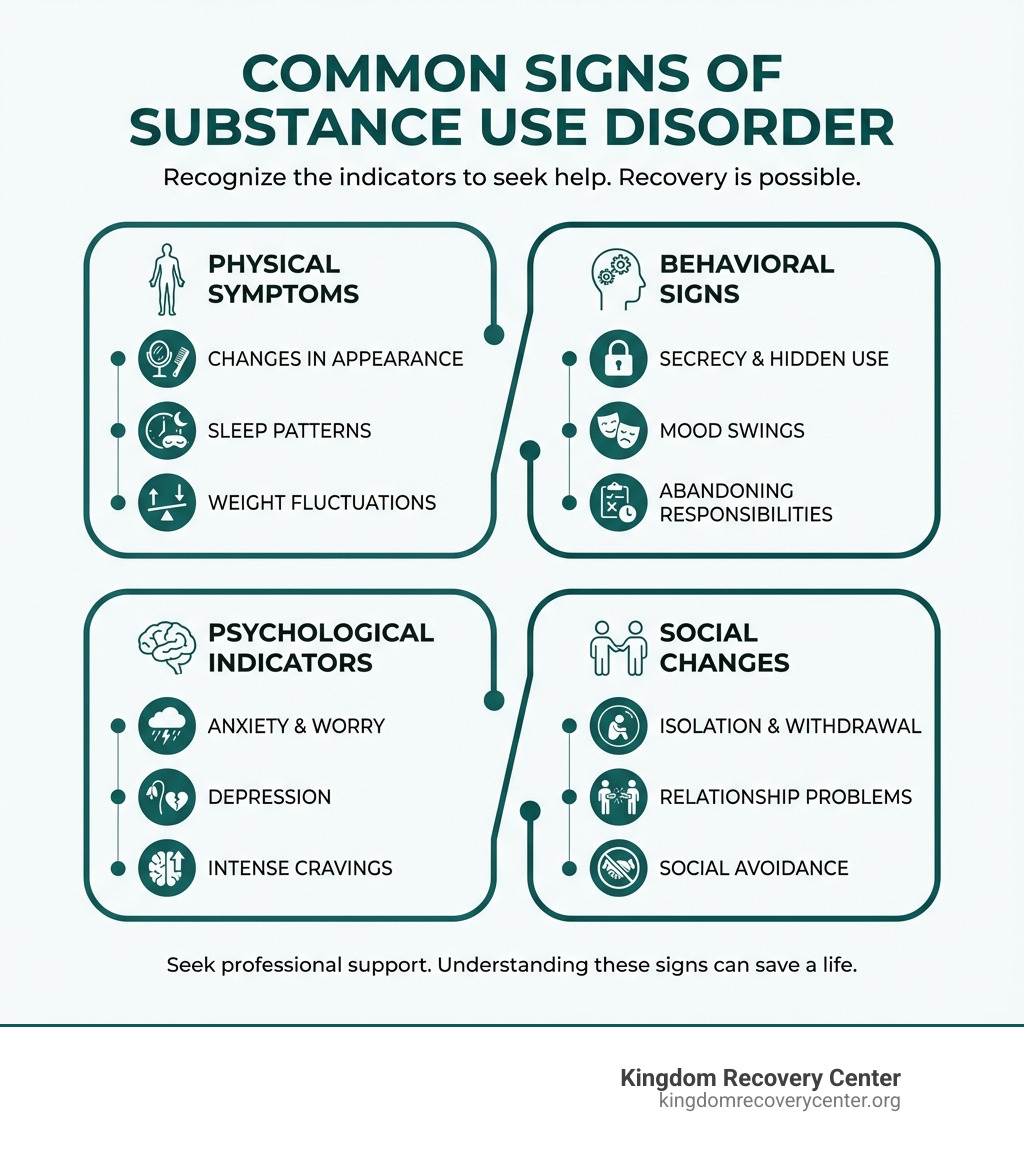
Recognizing the signs that someone needs addiction treatment is often the first step toward getting help. These signs can manifest in various ways, but often include a combination of behavioral, physical, and psychological changes:
- Behavioral Changes: Increased secrecy, lying, neglecting responsibilities at work, school, or home, sudden changes in friends or activities, engaging in risky behaviors, or an inability to stop using despite negative consequences.
- Physical Signs: Unexplained weight loss or gain, poor hygiene, bloodshot eyes or dilated pupils, changes in sleep patterns, tremors, or frequent illness.
- Neglecting Responsibilities: Failing to meet commitments, missing deadlines, or showing a lack of interest in previously enjoyed activities.
- Social Withdrawal: Isolating from family and friends, preferring to spend time alone, or only associating with others who use substances.
- Financial Problems: Unexplained need for money, borrowing or stealing money, or difficulties paying bills.
- Increased Secrecy: Being evasive about whereabouts, hiding substance use, or becoming defensive when questioned about drug or alcohol use.
If you observe several of these signs, it’s a strong indicator that professional help may be needed.
Will I lose my job if I go to rehab?
This is a common and understandable concern for many individuals considering addiction treatment. The good news is that federal laws are in place to protect your employment while you seek help:
- Family and Medical Leave Act (FMLA): If you work for a covered employer and meet eligibility requirements, FMLA allows you to take up to 12 weeks of unpaid, job-protected leave for medical reasons, including substance abuse treatment. Your employer must continue your health benefits during this time.
- Americans with Disabilities Act (ADA): The ADA protects individuals with a history of drug addiction who are no longer using drugs illegally and are seeking treatment. It prohibits discrimination based on past addiction and may require employers to provide reasonable accommodations.
- Confidentiality: Your medical information, including your participation in rehab, is protected under HIPAA (Health Insurance Portability and Accountability Act). Employers are generally not permitted to disclose this information without your consent.
Seeking help for addiction is a sign of strength, and these protections are designed to ensure you can prioritize your health without fear of losing your livelihood. It’s always best to understand your specific company’s policies and consult with an HR representative or legal counsel if you have concerns.
What is a typical day in rehab like?
A typical day in a drug rehab Johnson City TN center, particularly in an inpatient or residential setting, is structured to maximize therapeutic engagement and personal growth. While schedules can vary between facilities, you can generally expect a routine that promotes healing and self-findy:
- Morning Routine: Days often begin early with a healthy breakfast, followed by activities such as meditation, yoga, or a morning reflection session to set a positive tone.
- Group Therapy Sessions: A significant portion of the day is dedicated to group therapy, where individuals share experiences, learn from peers, and develop coping strategies in a supportive setting.
- Individual Counseling: Regularly scheduled one-on-one sessions with a therapist allow for deeper exploration of personal issues, trauma, and treatment planning.
- Educational Workshops: These sessions cover various topics related to addiction, mental health, relapse prevention, life skills, and healthy living.
- Nutritious Meals: Balanced meals are provided, often with an emphasis on nutrition to support physical recovery.
- Recreational Activities: Many programs incorporate recreational activities like exercise, art therapy, music therapy, or outdoor activities to promote physical and emotional well-being.
- Free Time/Reflection: Dedicated time for personal reflection, journaling, reading, or connecting with peers.
- Evening Meetings: Days often conclude with 12-step meetings or other support group sessions, fostering a sense of community and reinforcing recovery principles.
This structured environment helps individuals build healthy habits, focus on self-care, and fully immerse themselves in the recovery process, away from distractions and triggers.
Conclusion: Taking the First Step on Your Recovery Journey
The journey to recovery from substance use disorder is a profound and courageous one, and we want you to know that in Johnson City, TN, you are not alone. The challenges posed by the opioid epidemic and other substance abuse issues are significant, but so too are the resources and the unwavering spirit of hope available in our community.
Recovery is not just a possibility; it’s a reality for countless individuals who have walked this path. Help is available, and specialized drug rehab Johnson City TN centers are equipped with the expertise, compassion, and evidence-based treatments to guide you or your loved one toward a healthier, more fulfilling life.
We, at Kingdom Recovery Center, are dedicated partners in the journey to sobriety. With our client-centered, evidence-based approach to addiction, mental health, and behavioral health treatment, we specialize in individualized care and dual diagnosis programs designed to empower lasting change. Our mission is to support you every step of the way, fostering an environment where healing and growth can flourish.
Taking that first step can be daunting, but it is the most crucial decision you can make. Reach out, ask questions, and explore the options. Your path to recovery starts now, and a life of sobriety, joy, and purpose is within reach. For local resources and further support in Johnson City, TN, please visit our Local Resources Johnson City TN page.