1. Recognizing Symptoms That Require Intensive Intervention
While many people experience “the blues” or temporary periods of sadness, clinical depression is a profound biological and psychological condition. When symptoms escalate beyond a certain point, outpatient care may no longer provide the safety or intensity required for healing.
Critical Warning Signs
The most urgent sign that you or a loved one needs inpatient depression treatment Knoxville is the presence of suicidal ideation. If thoughts of death or self-harm become frequent, or if there is a specific plan in place, immediate 24/7 supervision is a medical necessity. Beyond immediate safety concerns, other symptoms that suggest a need for intensive intervention include:
- Profound Hopelessness: A “heavy” feeling that never lifts, leading to a total loss of interest in the future.
- Severe Social Withdrawal: Total isolation from friends, family, and work, often accompanied by an inability to perform basic hygiene or self-care.
- Physical and Biological Disruptions: Significant weight changes (gain or loss) and debilitating sleep disturbances, such as insomnia or sleeping for 12+ hours a day without feeling rested.
- Treatment Resistance: If you have tried multiple antidepressants or weekly therapy sessions without any relief, a more immersive environment may be necessary to adjust medications safely.
Why Does Depression Become This Severe?
Depression is rarely caused by a single factor. It is often a complex interplay of brain chemistry, genetic traits, and environmental stressors. For many residents in East Tennessee, trauma or living with a chronic illness can exacerbate these symptoms. Research indicates that when depression goes untreated, the effects are devastating. It leads to a decline in physical health, permanent relationship damage, and a loss of employment or housing. You can learn more about what we treat regarding depression to see if your current experiences align with these clinical markers.
2. Understanding the Benefits of Inpatient Depression Treatment in Knoxville
Choosing an inpatient program isn’t about “going away”; it’s about stepping into a specialized environment designed for rapid stabilization and long-term skill building. Knoxville-area facilities provide a level of care that is impossible to replicate at home.
24/7 Crisis Stabilization and Safety
The primary benefit of inpatient care is safety. With 24/7 medical and clinical supervision, patients are protected from the risks of self-harm. This environment allows doctors to monitor medication changes in real-time, ensuring that any side effects are managed immediately and that the most effective dosage is reached quickly.
Evidence-Based Therapies
Inpatient programs in Knoxville utilize high-standard clinical modalities. Many facilities are aligned with Scientific research on the Joint Commission standards, ensuring a high level of quality and safety. Core therapies typically include:
- Cognitive Behavioral Therapy (CBT): This is the “gold standard” for depression. Understanding CBT for mental health and its effectiveness is crucial because it helps patients identify and rewire the negative thought patterns that fuel depressive cycles.
- Dialectical Behavior Therapy (DBT): Originally developed for personality disorders, DBT is highly effective for depression, focusing on emotional regulation and distress tolerance.
- Group Therapy and Peer Support: Sharing experiences with others who truly understand the weight of depression reduces the stigma and isolation that often keeps people stuck.
- Medication Management: Psychiatrists provide daily oversight to fine-tune pharmacological interventions.
A Healing Environment
Many Knoxville centers stand out because of their serene locations. Instead of a cold, institutional feel, these facilities often feature therapeutic courtyards, indoor/outdoor recreation areas, and large gyms. This holistic approach recognizes that a peaceful environment comforts the spirit while clinical teams heal the mind.
3. Comparing Inpatient Care to Outpatient Alternatives
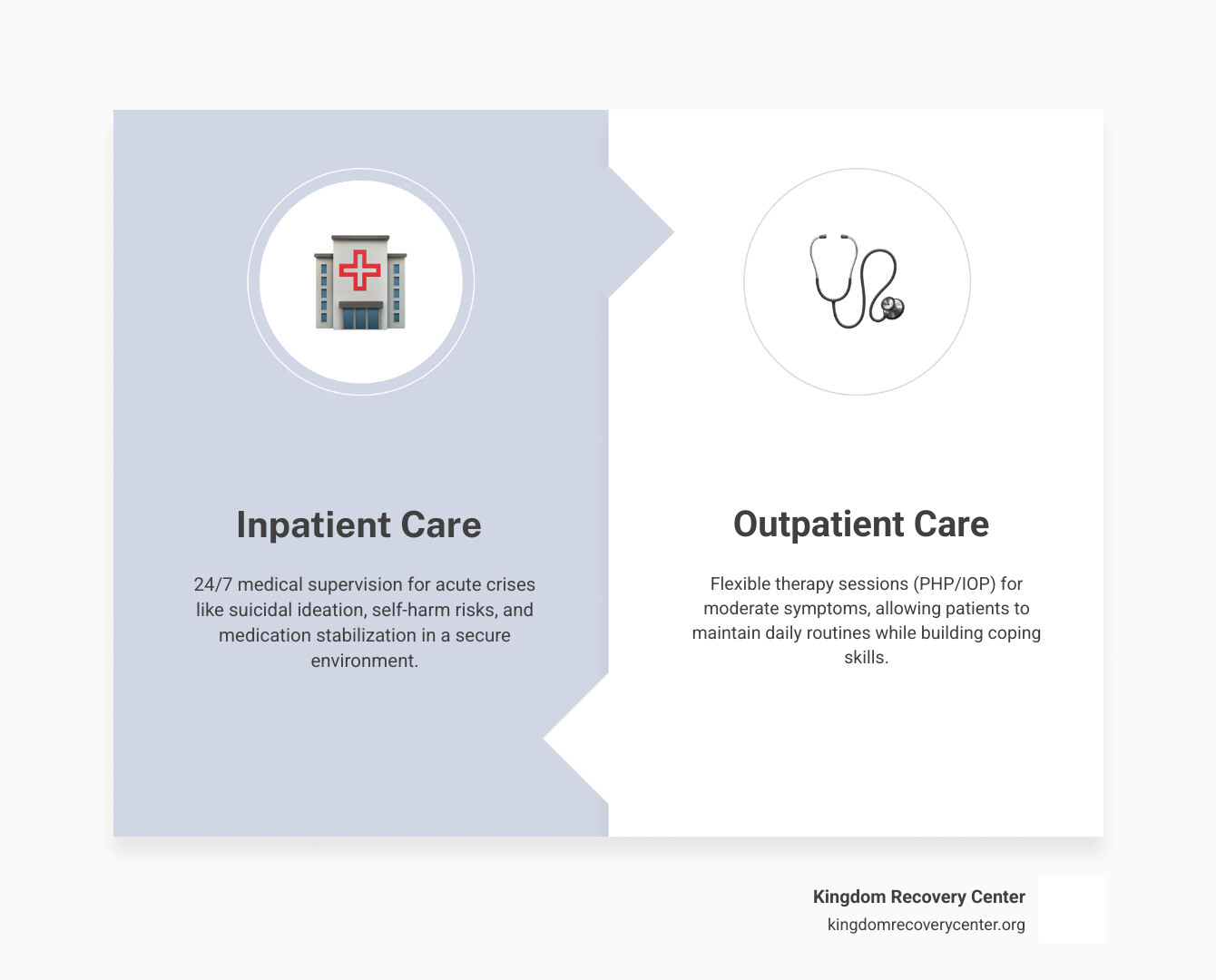
Understanding where you fit on the continuum of care is essential for getting the right help without over- or under-treating your condition.
| Level of Care | Intensity | Best For |
|---|---|---|
| Inpatient | 24/7 Supervision | Acute crisis, suicidal ideation, medical detox |
| Partial Hospitalization (PHP) | 6 hours/day, 5 days/week | Transitioning from inpatient or severe but stable symptoms |
| Intensive Outpatient (IOP) | 3 hours/day, 3-5 days/week | Maintaining work/school while receiving therapy |
| Standard Outpatient | 1 hour/week | Mild to moderate symptoms, long-term maintenance |
Medical Necessity and Structure
The choice between these levels often comes down to “medical necessity.” If your depression has caused a total inability to function or poses a safety risk, inpatient care is the required starting point. However, as you stabilize, you might transition to a PHP or IOP.
For those also struggling with addiction, finding more info on Knoxville inpatient drug rehab is vital, as substance use can mask or worsen depressive symptoms. To help you navigate these choices, we recommend reviewing your guide to finding the right mental health treatment in Tennessee, which breaks down how to choose a provider based on your specific level of need.
4. Specialized Support for Co-occurring Conditions
Depression rarely travels alone. In the clinical world, when someone has both a mental health disorder and a substance use disorder, it is called a dual diagnosis.
Integrated Dual Diagnosis Care
In Knoxville, many inpatient programs are equipped to treat depression alongside:
- Anxiety Disorders: Anxiety often acts as a “twin” to depression. Finding top anxiety treatment centers in Knoxville that offer integrated care is essential.
- PTSD and Trauma: Many residents in East Tennessee have histories of trauma. Inpatient programs use trauma-informed care to ensure that therapy helps heal the past without re-traumatizing the patient.
- Substance Use (Opioids, Alcohol, etc.): Using substances to “numb” depression is common. Inpatient care provides a safe environment for detox while simultaneously treating the underlying mood disorder.
Tailored Programs for Every Age
Knoxville facilities often feature specialized units to ensure patients are with their peers. This includes adolescent programs (ages 13-17) that incorporate schooling, adult units for those managing careers and family, and geriatric mental health units that focus on the unique challenges of seniors, such as grief and dementia-related disturbances. Understanding the role of CBT in anxiety and depression symptoms across these different age groups allows for a more personalized recovery experience.
5. Preparing for the Recovery Journey in East Tennessee
The decision to enter inpatient depression treatment Knoxville is an act of bravery. It is the moment you decide that your life is worth fighting for.
At Kingdom Recovery Center, we believe in clinical excellence and the power of a multidisciplinary team. Our approach in Morristown and the surrounding areas focuses on the “whole person.” We don’t just look at a diagnosis; we look at your history, your strengths, and your long-term recovery goals. By using a mental health treatment Tennessee guide, you can ensure that the facility you choose has the right accreditations and a philosophy that aligns with your values.
What to Expect During the Inpatient Depression Treatment Knoxville Admissions Process
The admissions process is designed to be as stress-free as possible. It usually begins with a no-cost, confidential assessment available 24/7.
- Initial Screening: A brief phone call to determine if the program is a good fit.
- Comprehensive Assessment: A deeper dive into your medical history, current symptoms, and any co-occurring disorders.
- Medical Clearance: Ensuring you don’t have acute medical needs that require a general hospital.
- Personalized Planning: Once admitted, a team of psychiatrists, therapists, and nurses will build your custom treatment plan.
If you are ready to explore your options, you can find more info about mental health treatment to prepare for your first conversation with an admissions specialist.
Navigating Insurance and Aftercare for Inpatient Depression Treatment Knoxville
One of the biggest hurdles to treatment is often the cost. Fortunately, most major Knoxville inpatient facilities are in-network with various providers. This includes:
- Information on Blue Cross Blue Shield coverage
- Aetna insurance options
- Cigna, Humana, and United Healthcare
- Government programs like TRICARE, Medicare, and Scientific research on Medicaid mental health benefits
Discharge Planning starts the day you arrive. Recovery doesn’t end when you leave the building; it’s just the beginning. Your team will provide step-down referrals to PHP or IOP programs and connect you with alumni support groups to ensure you have a community to lean on as you return to daily life.
Frequently Asked Questions about Depression Treatment
How long does inpatient depression treatment typically last?
Most inpatient stays focus on short-term stabilization, typically lasting between 7 to 14 days. However, the duration is highly individualized based on your clinical progress and safety.
What does a typical daily schedule look like in an inpatient program?
Days are highly structured to provide stability. A typical day might include:
- Morning: Medication rounds and breakfast followed by a community meeting.
- Mid-day: Multiple sessions of group therapy (CBT or DBT focused) and individual counseling.
- Afternoon: Recreational therapy (gym or outdoor time) and specialty groups like anger management or relapse prevention.
- Evening: Structured meals, personal reflection time, and peer support meetings.
Who is eligible for inpatient depression care in Knoxville?
Eligibility generally includes adolescents (13-17), adults (18+), and seniors who are experiencing an acute psychiatric crisis. This includes those who are a danger to themselves or others, or those whose symptoms are so severe they cannot function safely in a less restrictive environment.
Conclusion
Depression can feel like a heavy fog that will never lift, but you don’t have to navigate it alone. Whether you are in Knoxville, Morristown, or Johnson City, help is available. Through evidence-based results and a compassionate community, lasting change is possible. Kingdom Recovery Center is proud to be a part of the East Tennessee network of care, empowering individuals to reclaim their lives from the grip of mental illness and addiction.
Take the first step toward mental health wellness today. Your healing journey starts with a single, courageous phone call.